Walking the Floors: A Veteran's Guide to Sourcing in Guangzhou
Welcome to my shop. If you are reading this, you probably know that finding high-quality leather goods in China is not as simple as clicking a button on a website. I have been standing behind this counter in the heart of Guangzhou for over fifteen years. I have seen thousands of buyers come and go, from first-timers who get scammed within an hour to seasoned importers who build empires here. Today, I want to talk to you about the real experience of sourcing premium bags in our city, specifically focusing on the massive wholesale hubs where the magic happens.
Many people ask me why they should bother coming all the way to Guangzhou when they can find similar items online. The answer is simple: trust and quality control. online photos are often edited, lighting is manipulated, and what you see is rarely what you get. When you walk into our markets, you touch the leather, smell the glue, check the stitching, and look at the hardware with your own eyes. This physical interaction is the only way to truly understand the grade of the product before you commit your money.
Navigating the Real Wholesale Hubs
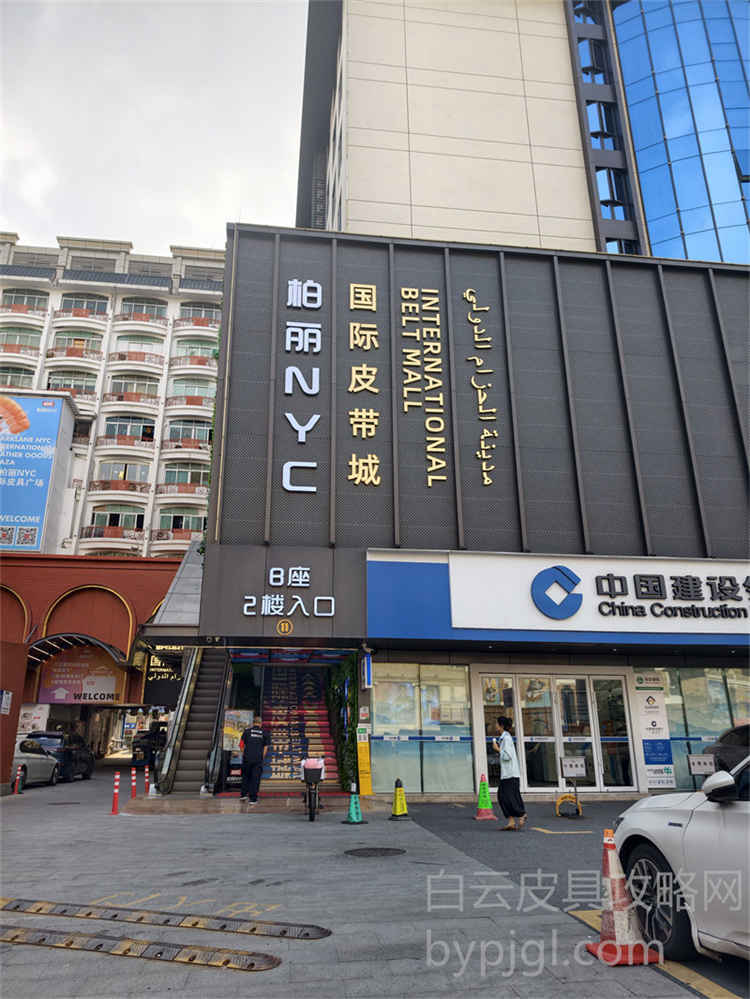
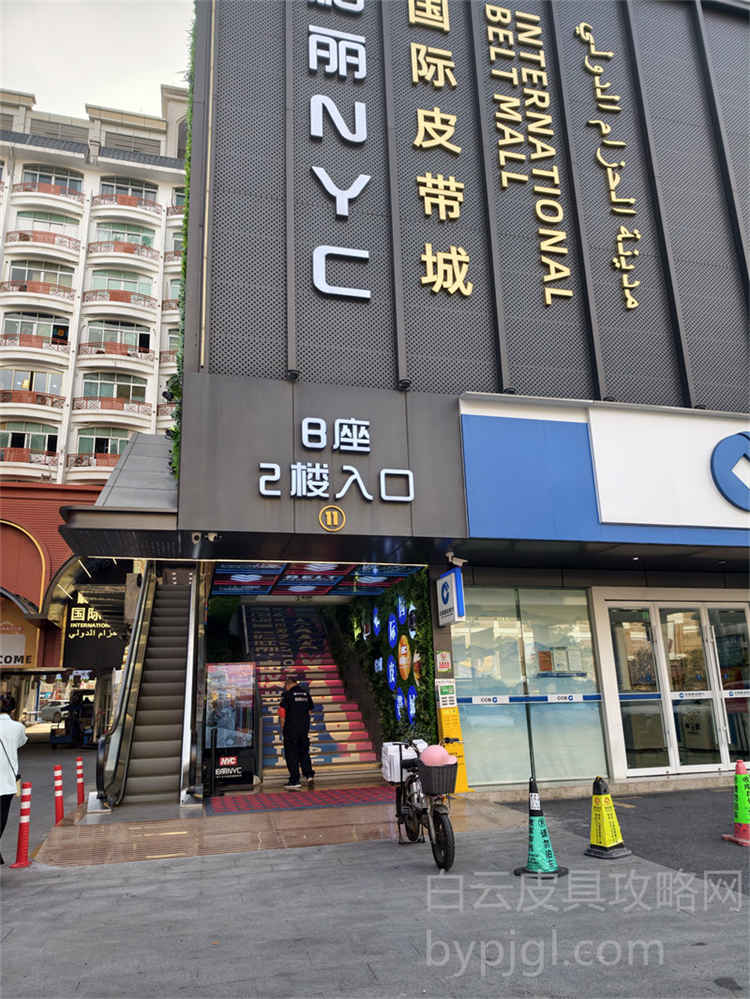
Let's be clear about where we are talking about. You might hear names like Baiyun or specific street names, but the core of the action is concentrated in a few key buildings. The most famous one is the International Leather City, often referred to locally as the "Baiyun" hub. It is a massive complex, sometimes overwhelming if you do not know how to move through it efficiently. There are other smaller but equally important markets nearby, each with its own specialty and price point.
The Layout and the Flow
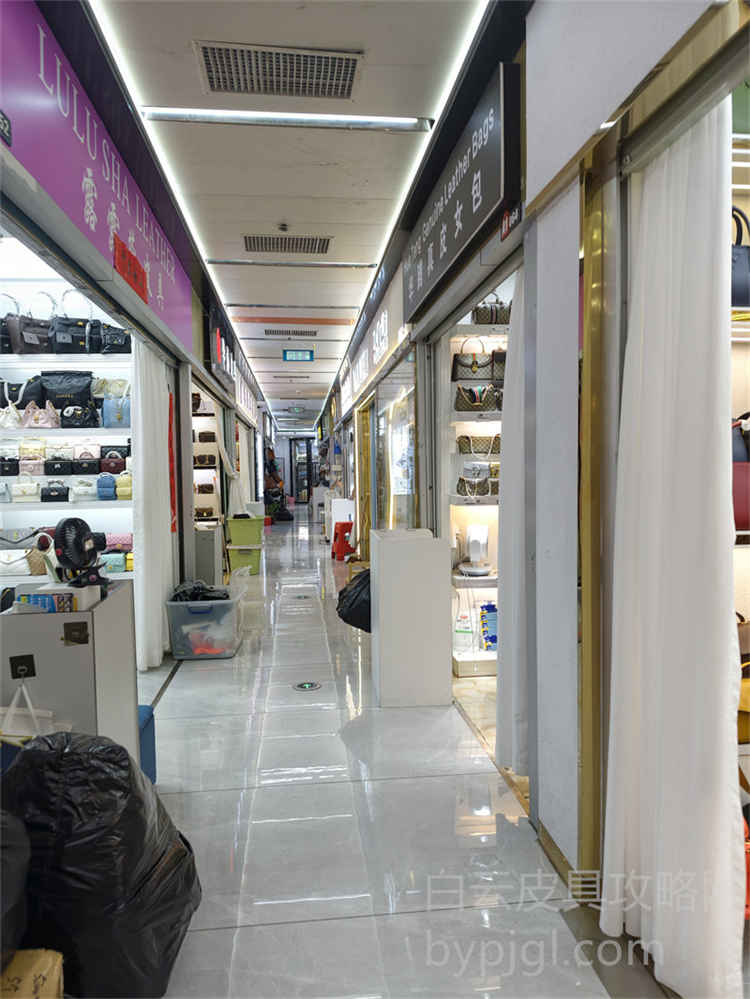
When you step inside these buildings, do not expect a quiet, organized retail environment. It is chaotic, loud, and fast-paced. My advice is to arrive early, preferably around 9:00 AM. The best stock gets picked up by local distributors and serious buyers by noon. As you walk down the corridors, you will see rows upon rows of stalls. Some display just a few bags, while others have shelves stacked floor-to-ceiling. Do not be intimidated by the sheer volume. Look for the stalls that have a steady stream of customers and staff who speak English or have translators ready.
Differentiating the Tiers
Not all shops sell the same level of goods. In the lower floors, you will find mass-produced items made with synthetic materials and poor craftsmanship. These are cheap, yes, but they are not what serious buyers are looking for. Move to the upper floors, especially the top three levels of the main buildings. This is where the "top tier" production lives. Here, you will find vendors who source cowhide, calfskin, and even exotic skins. They use high-grade zippers, sturdy linings, and precise stitching. If you tell them you are looking for "high-end replicas," they will nod and show you their best work. But remember, the terminology varies, so focus on the material and construction rather than just the label.
The Art of Selection and Inspection
once you are in the right building, the real work begins. Walking around aimlessly is a waste of time. You need a strategy. Start by identifying the style you want. Do you need classic shapes, trendy designs, or something unique? once you have a target, approach the stall owners directly. Do not be shy; they are used to dealing with international clients. Show them pictures on your phone if you have a specific design in mind.
Touching and Feeling the Material
This is the most critical step. Pick up the bag. Feel the weight. High-quality leather has a specific heft and texture. Cheap leather feels light, plasticky, or overly stiff. Run your fingers over the surface. Does it feel smooth and natural, or does it feel coated and artificial? Check the corners and edges. Are they painted neatly, or is there excess glue visible? In my shop, I always tell my regulars to inspect the interior lining. Is it clean? Are the pockets reinforced? These small details separate a $50 bag from a $150 bag, even if the exterior looks identical.
Checking the Hardware and Stitching
Look closely at the metal parts. Do they tarnish easily? Are the engravings sharp and clear, or blurry and shallow? Good hardware is heavy and durable. Then, look at the stitching. Count the stitches per inch. Are they straight? Is the thread color consistent? Poor stitching is a dead giveaway of low quality. If you see loose threads or uneven spacing, put the bag back. We pride ourselves on precision, and any vendor who cannot guarantee this level of detail is not worth your time.
Negotiation and Building Relationships
Price is always a conversation, but it should not be the only factor. In Guangzhou, relationships matter more than anything else. If you treat the vendor with respect and show genuine interest in their products, they will treat you better. They might offer you a discount, upgrade your shipping, or give you priority access to new arrivals.
Understanding the Pricing Structure
Do not expect to buy a single bag at the wholesale price. Most vendors require a minimum order quantity (MOQ). However, many are flexible for first-time buyers if you show serious intent. Ask for the "best price" for a mixed order. If you are buying ten different styles, the price per unit will drop significantly compared to buying ten of the same item. Be prepared to negotiate. Start slightly lower than your target price and meet in the middle. Remember, the goal is a long-term partnership, not a one-off transaction.
Avoiding Common Pitfalls
There are scams everywhere, even in legitimate markets. Never pay via wire transfer to a personal account without a contract. Always insist on using a secure payment method or a third-party escrow service if you are unsure. Be wary of vendors who promise "miracle" quality at rock-bottom prices. If it sounds too good to be true, it is. Also, avoid carrying large amounts of cash. Use mobile payment apps like WeChat Pay or Alipay, which are standard here and provide a digital record of your transactions.
Logistics and Shipping Your Goods Home
once you have selected your bags and agreed on the price, the next challenge is getting them out of China. Most vendors in the Baiyun area have established relationships with freight forwarders. They can handle the packaging, labeling, and shipping arrangements for you. This is much safer than trying to arrange your own logistics, especially if you are unfamiliar with Chinese customs regulations.
Packaging and Protection
Ask your vendor to pack the bags securely. Each bag should be wrapped in dust bags and placed in sturdy boxes. If you are shipping a large quantity, ensure they are palletized correctly to prevent crushing during transit. A good vendor will also help you declare the value accurately to avoid issues at customs, though you should always consult with your local customs broker regarding import duties and restrictions.
Final Thoughts from the Floor
Sourcing in Guangzhou is an adventure. It requires patience, observation, and a bit of luck. But for those willing to put in the effort, the rewards are immense. You gain access to a world-class supply chain that no other country can match. You learn the nuances of leather and craftsmanship that you simply cannot learn from a screen. So, pack your bags, bring your camera, and come visit us. Let's walk the floors together, find the perfect pieces, and build a business that lasts. The market is waiting, and the stories are just beginning.