Walking the Floors: My Honest Guide to Sourcing in Guangzhou
Welcome. If you are reading this, you probably know that finding high-quality goods in China isn't about clicking a button on a website. It is about being here, on the ground, sweating through your shirt, and talking face-to-face with people who have been doing this for thirty years. I have been running a stall in the Baiyun district for over two decades. I have seen trends come and go, I have seen fake factories close down, and I have watched legitimate businesses grow into giants. You asked how to find top-tier leather bags in Guangzhou, specifically around the Baiyun area. Let me tell you, the secret isn't in some hidden app or a secret WhatsApp group. The secret is in your eyes, your hands, and your ability to read the room.
The Myth of the "Secret" Market
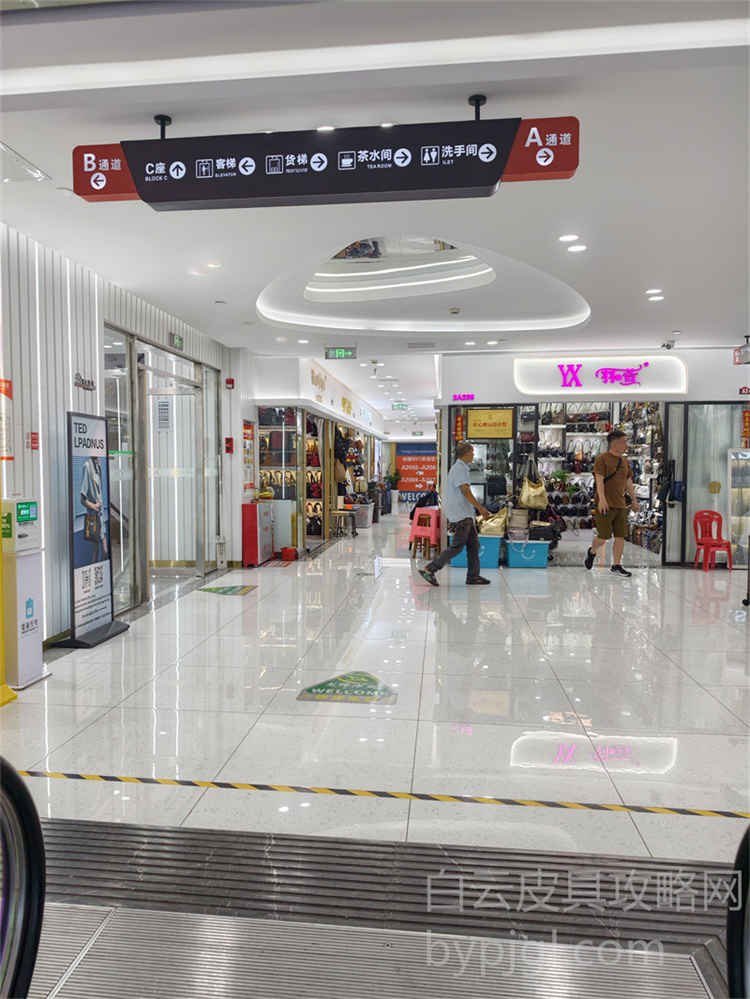
First, let's clear up a big misunderstanding many overseas buyers have. They think there is a magical underground market where only locals can enter. That is not true anymore. The main hubs like the Baiyun Leather City complex are open to everyone. However, just walking in doesn't mean you will get the best deal. Most tourists walk right past the good stuff because they are looking for the flashy signs. The real action happens in the back alleys of these massive complexes. When you arrive at the Baiyun Leather World, do not stop at the front entrance. Walk deeper. Look for the buildings that look slightly older, the ones with less polished signage but heavy foot traffic from other buyers. These are the places where the serious wholesalers operate.
Navigating the Complex: Where to Actually Go
You need to know which building holds which tier of quality. The Baiyun Leather City is not one single store; it is a cluster of several large buildings connected by bridges. Each building has its own reputation. Some focus on mass production, while others cater to boutique buyers looking for premium materials. When I guide my regular clients, I tell them to start at the newer, cleaner buildings first to understand the current styles, but then immediately head to the older, more chaotic sections. That is where the real craftsmanship lives. The vendors there are often the same families who supply the big brands, but now they sell directly to smaller buyers.
Reading the Room Before You Speak
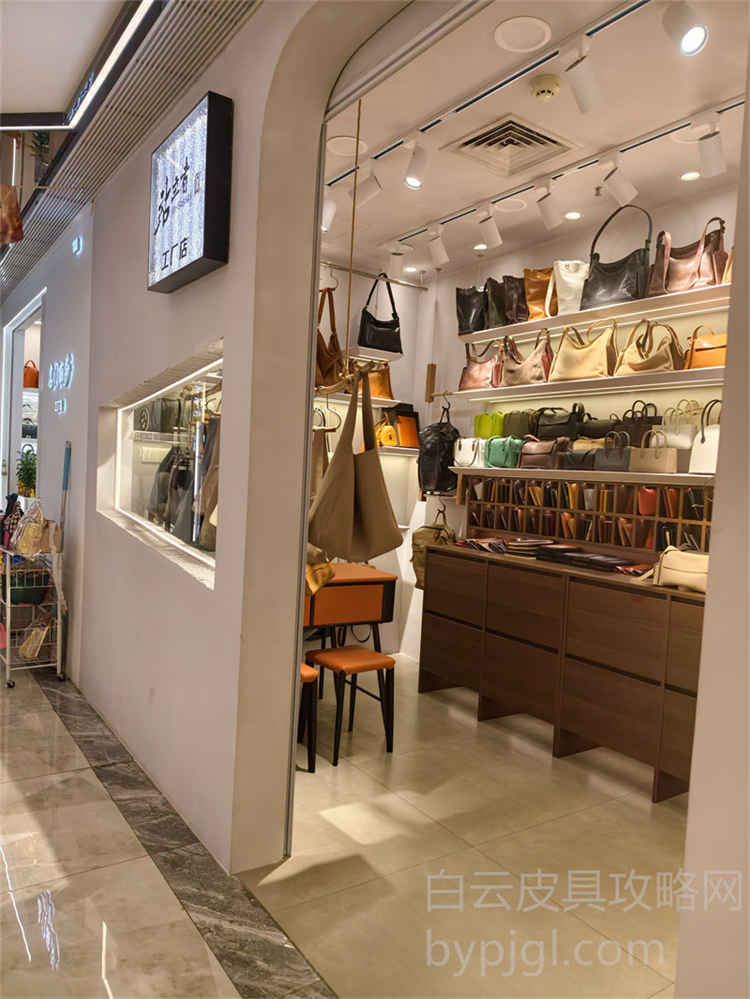
once you are inside, observe before you say a word. Look at the people standing near the counters. Are they holding phones? Are they checking their watches? Or are they deeply engaged in conversation with the staff? The best stalls are usually surrounded by people who look like they know what they are doing. They are not tourists taking photos; they are buyers inspecting zippers, feeling the lining, and smelling the leather. If you see a stall with no customers but bright lights and a manager shouting prices, run away. That is a trap for beginners. The good stuff is always moving. The inventory changes daily based on demand, so if a counter looks empty, it might be because the stock was just sold out to a regular client.
The Art of Inspection: What Your Hands Need to Feel
This is the most critical part of the process. In the West, we judge quality by logos and packaging. Here, we judge by the grain, the stitching, and the smell. When you approach a vendor, do not ask for the "best" bag immediately. Ask to see their recent arrivals. A good vendor will show you three or four pieces without hesitation. Run your fingers over the surface. Real leather breathes; synthetic material feels cold and plastic-like. Check the edges. High-end finishing means the edges are painted smoothly, not rough or frayed. Look at the stitching. It should be straight, consistent, and tight. If you pull on a thread and it comes loose easily, put it back on the shelf.
Testing the Hardware and Lining
Do not ignore the small details. Open the bag. Feel the weight of the zipper. Does it glide smoothly or does it stick? Cheap hardware feels light and hollow; quality metal has a solid heft. Check the interior lining. Is it made of durable fabric or cheap polyester that tears easily? The lining is often where manufacturers cut corners to save money. If the lining is loose or the pockets are poorly attached, the whole bag is suspect. Also, smell it. Good leather has a distinct, rich scent. If it smells like chemicals or glue, walk away. No amount of marketing can fix bad raw materials.
Talking Shop: Negotiation and Building Trust
Now, let's talk about the transaction. Many foreigners make the mistake of acting like a tourist. They ask, "How much?" and expect a fixed price. That is not how business works here. You need to act like a buyer. Use phrases like "What is your best price for ten pieces?" or "I am looking for long-term cooperation." Even if you only want one piece, frame it as a trial order. Vendors respect volume and consistency. If you show interest in buying multiple items, they will treat you differently. They will bring out the samples they keep hidden for VIPs. Do not be afraid to haggle, but be fair. If you offer a price that is too low, they will laugh at you and lose respect. Aim for a middle ground where both parties feel they won something.
Building Relationships for Future Orders
The goal is not just to buy one bag today; it is to build a relationship. Exchange WeChat IDs immediately. This is the lifeline of commerce in Guangzhou. once you add them on WeChat, you can send photos of specific designs you want, and they can send you updates on new arrivals. Regular clients get priority access to new molds and better pricing. If you treat the vendor with respect, listen to their advice, and pay on time, they will become your partner. They will warn you about potential delays, suggest better alternatives, and ensure you get the highest quality batch. This network is invaluable and cannot be replicated online.
Avoiding Pitfalls: Safety and Logistics
Finally, let's address the elephant in the room. Security and logistics. When you carry cash or valuable goods, stay alert. Keep your phone and wallet close. Do not flash expensive items in public areas outside the market. As for shipping, never use random courier services you find on the street. Work with the logistics companies that the vendors recommend. They have established channels for international shipping and know how to handle customs documentation properly. Ask the vendor to pack the goods securely. Proper packing prevents damage during transit. Remember, the price you pay includes the cost of getting the item to your door safely. If the shipping seems too cheap, something is likely wrong.
Final Thoughts from an Old Hand
Coming to Guangzhou to source leather goods is an adventure. It requires patience, observation, and a willingness to learn. There is no magic formula, but there is a method. Walk the floors of Baiyun Leather City, touch the products, talk to the people, and trust your instincts. The market is vast, but the opportunities are endless if you know where to look. I have seen thousands of buyers come and go. The ones who succeed are the ones who take the time to understand the craft and the culture. So, pack your bags, bring your keen eyes, and get ready to experience the heart of the global leather trade. The best deals are waiting for those who are willing to dig a little deeper.