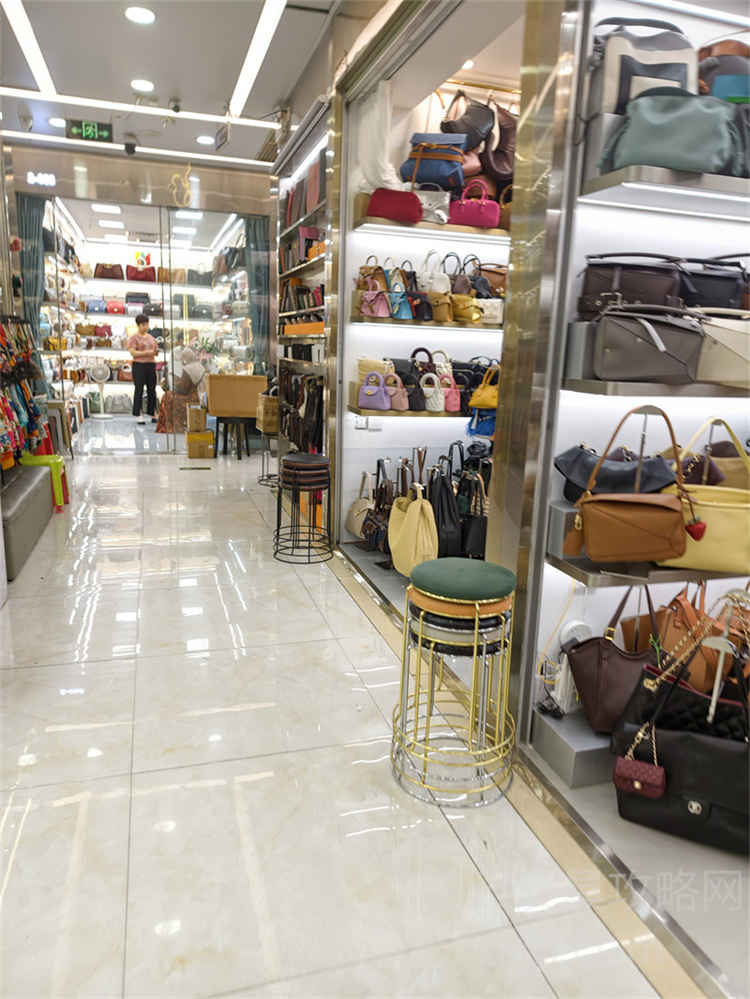
Walking the Floors: My Honest Guide to Sourcing in Guangzhou
I have been standing behind this counter for over fifteen years. While the world talks about online shopping and fast delivery, my life is defined by the dust, the noise, and the endless flow of people in the wholesale markets of Baiyun District. You might be looking for high-quality leather goods from overseas, but let me tell you something straight from the horse's mouth: you cannot find the real deal sitting on a couch in New York or London. The magic happens here, in the concrete jungle of Guangzhou, where the supply chain breathes.
The Reality of the Market Floor
When you first step into the main buildings of the Baiyun Leather City, do not expect a quiet boutique experience. It is loud, chaotic, and smells strongly of new leather and glue. This is not a place for tourists; it is a battlefield for buyers. Many foreigners come here expecting to walk in and buy a bag immediately. That is a mistake. The top-tier items are never displayed openly on the front counters. If you see a bag with a logo plastered on the glass, that is usually the entry-level stock meant for the casual walk-in customer. The good stuff, the pieces that rival the luxury houses in craftsmanship, is kept in the back rooms or shown only when you ask.
How to Find the Right Stall
You need to know which building you are in. There are several massive complexes here, each with its own vibe. Some focus on mass production, while others cater to the higher end of the spectrum. As a local owner, I can tell you that the best stalls are often tucked away in the deeper corridors or on the upper floors where the foot traffic is lighter. These are the places where the serious buyers go. When you approach a stall, do not just stare at the bags. Look at the stitching, feel the weight of the hardware, and check the smell of the leather. A genuine seller will not mind if you handle the product. In fact, they want you to touch it because they know their quality speaks for itself.
Negotiating Without Saying a Word
Talking price in these markets is an art form. Do not start by asking for the cheapest option. Instead, ask for the "top version" or the "best grade." This signals that you understand the market and are not a beginner. once you establish that you are looking for quality, the conversation shifts. We will show you samples that are made from cowhide or lambskin, with hardware that does not tarnish after a week. The negotiation is not about haggling over pennies; it is about finding a balance between your budget and the quality you need. If a seller pushes too hard on a low price, run. That usually means the materials are compromised. Real leather costs money, and real craftsmanship takes time.
Behind the Scenes: The Selection Process
once you have found a stall that feels right, the real work begins. This is where most overseas buyers get lost because they rely on photos sent via messaging apps. Photos can be edited, colors can be shifted, and textures can be faked. You must see the item in person. Stand in front of the light. Turn the bag around. Check the inside lining. Does the zipper glide smoothly? Is the stitching even? These details separate the mediocre from the exceptional.
Building Trust with the Supplier
In this industry, trust is everything. I have seen many buyers come in, take photos, and then disappear, hoping to find a cheaper factory elsewhere. That is how business dies here. To get the best treatment, you need to build a relationship. Come back. Visit the same stall multiple times. Ask questions about the leather source, the dyeing process, and the construction methods. When a supplier sees that you are serious and interested in the craft, they will open up their private inventory. They will show you the prototypes before they hit the general market. They will give you honest advice on what sells well and what is falling out of style.
Understanding the Grading System
You will hear terms like "market standard" or "premium grade" constantly. Here is the truth: there is no official grading system. Every stall uses their own definitions. What one seller calls "top quality," another might call "average." This is why you must compare. Walk down the hall, look at three different stalls, and compare the same style. Notice the difference in the thickness of the leather, the alignment of the pattern, and the finish of the edges. This comparison is your best tool for education. Over time, you will develop an eye for what constitutes true excellence versus a cheap imitation.
Logistics and Avoiding Pitfalls
Bringing goods out of China involves more than just packing them in a box. There are shipping regulations, customs duties, and logistics partners to consider. Do not try to ship large quantities through regular mail services. You need a reliable freight forwarder who specializes in this trade. Many of the stalls in Baiyun have long-term relationships with specific agents who handle the paperwork and ensure the goods reach your destination safely. Ask your supplier for recommendations. They know exactly which agents are trustworthy and which ones cause headaches.
Common Mistakes to Avoid
The biggest mistake I see is buyers rushing. They come for a day, try to buy everything, and leave disappointed. Take your time. Spend a few days walking the floors. Talk to different sellers. Compare prices and quality. Another common error is paying without a deposit agreement. Always agree on the terms before handing over any money. Get a receipt, note the model numbers, and specify the quality standards in writing. Even though we speak a lot of English here, having a written confirmation prevents misunderstandings later. Also, be wary of sellers who promise "guaranteed authenticity" regarding famous brands. No legitimate supplier in this sector will ever make such claims because it violates the law. Focus on the quality of the materials and the workmanship instead.
The Future of Sourcing Here
The market is changing. Technology is making it easier to communicate, but the human element remains crucial. The tactile experience of touching the leather, smelling the material, and seeing the construction up close cannot be replicated online. For those of you planning a trip, remember that this is a marathon, not a sprint. Prepare yourself for the heat, the crowds, and the language barriers. But if you put in the effort, you will discover a world of incredible craftsmanship that is hard to find anywhere else. The streets of Baiyun are filled with stories of success, but they are also filled with warnings for those who are not prepared. Go with an open mind, keep your eyes sharp, and treat every interaction as a learning opportunity.
As I wrap up my day and lock up the shop, I think about the next buyer who will walk through the door. Whether you are a small business owner looking to restock or someone starting a new venture, the key is patience and persistence. The products here are amazing, but they require a bit of digging to find the gems. So, pack your bags, bring your curiosity, and come see what Guangzhou has to offer. The leather is waiting, and the stories are ready to be told.