Walking the Floors: My Honest Guide to Sourcing in Baiyun
I have been standing behind this counter in Guangzhou for over fifteen years. While the world outside talks about trends and social media, my life has always been measured by the flow of people through the heavy glass doors of the Baiyun leather market. You might be reading this from New York, London, or Dubai, wondering how to actually get your hands on high-quality goods without getting scammed. Let me tell you, the internet is full of noise, but the real story happens right here on the ground floor, where the air smells like new leather and the sound of haggling never stops.
The First Step: Knowing Which Building to Enter
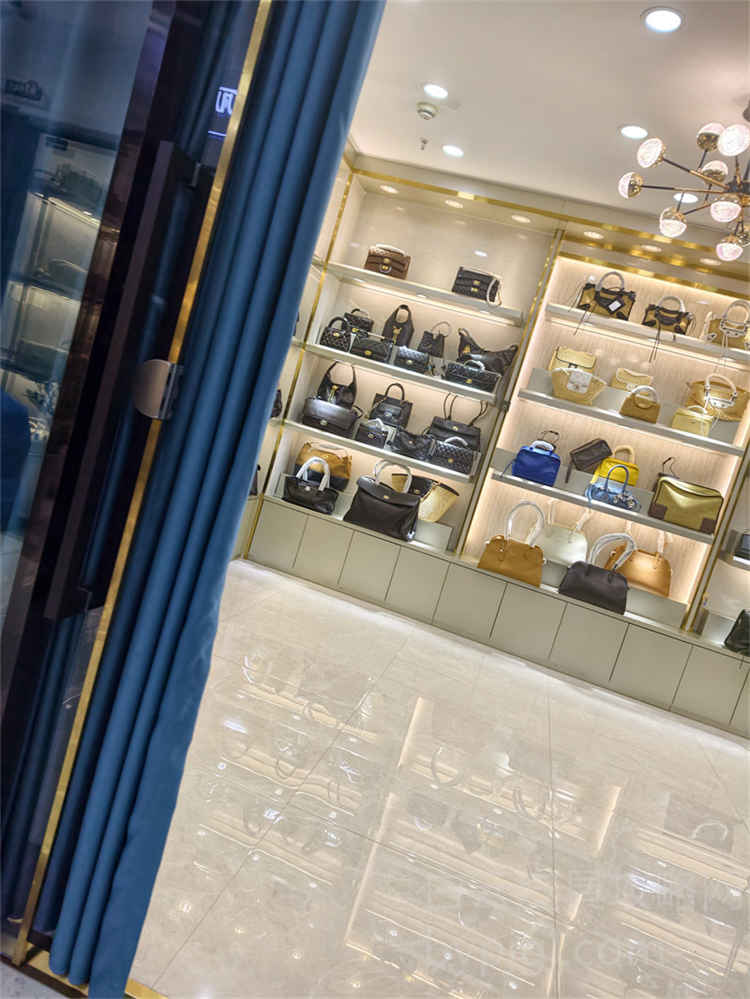
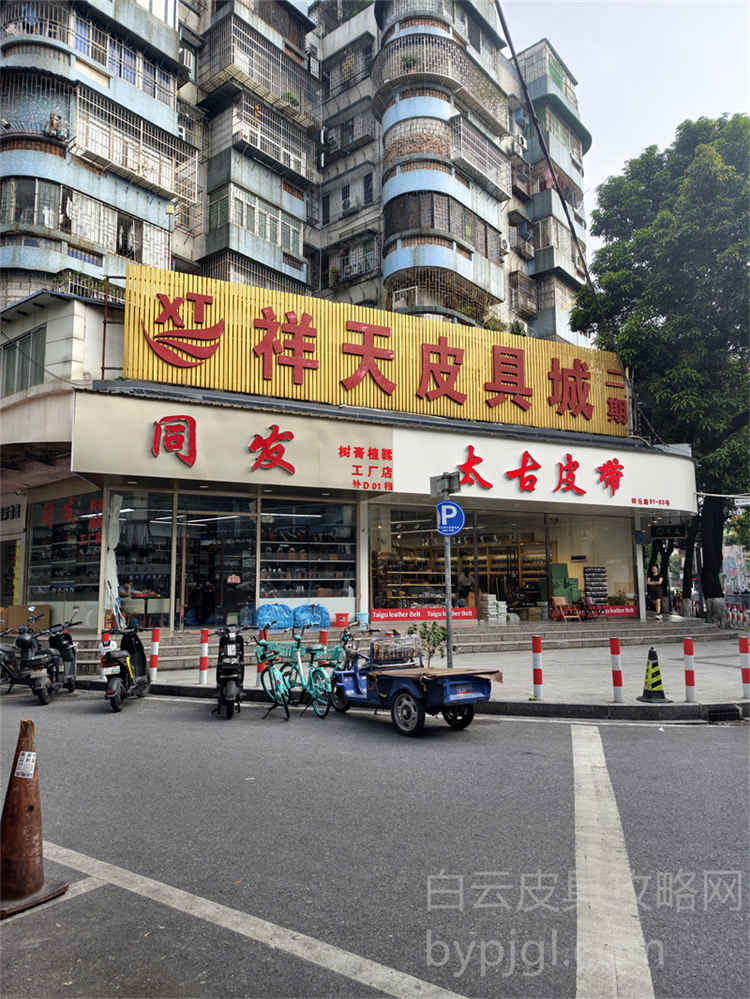
When you first arrive at the Baiyun district, it can feel overwhelming. There are dozens of buildings, each with its own reputation. If you walk into the fancy lobby with marble floors and security guards, you will likely find prices that are too high for serious resellers. That is not where we do business. The real action is in the older, bustling complexes where the corridors are narrow and the lighting is bright fluorescent. These are the places where the factories send their best pieces directly to the front line. I always tell my overseas friends to skip the showrooms and head straight for the wholesale sections. This is where the volume moves, and this is where the margins are made.
Reading the Room: How to Spot a Real Supplier
once you are inside, you need to learn how to read the room. A stall with a single mannequin wearing a flashy bag is usually just a retail shop trying to pass off as a wholesaler. Look for the stalls that look busy. You want to see stacks of boxes, workers sewing in the back, and managers talking on phones in multiple languages. When you approach a counter, do not ask for "the best quality" immediately. That is a red flag. Instead, ask to see the raw materials. A genuine supplier will not hesitate to show you the cowhide, the stitching thread, or the hardware they use. They will explain the difference between top-tier leather and the cheaper alternatives. If they get defensive or try to rush you out, move on. Trust is built on transparency, not sales pitches.
The Art of Selection: What to Look For Before You Buy
After finding the right stall, the next challenge is selecting the right items. In Baiyun, variety is endless, but quality varies wildly even within the same building. I have seen buyers make the mistake of focusing only on the logo. Do not make that error. Focus on the construction. Run your fingers along the edges. Are the stitches even? Is the glue visible? Does the lining feel smooth or rough? High-end production requires attention to these details. We often talk about the "grade" of the item, which refers to the level of craftsmanship. A grade one piece should be indistinguishable from the original factory output in terms of structure and material, even if the branding is different.
Asking the Right Questions about Materials
When you are negotiating, you need to speak the language of the trade. Ask specifically about the type of leather. Is it full grain? Is it corrected grain? Does it come from a specific tannery? In our market, suppliers pride themselves on sourcing from the same supply chains as major international brands. If a vendor claims their leather comes from a famous Italian tannery, ask for proof or samples. Don't be afraid to touch the hardware. Cheap zinc alloy feels light and cold; good brass feels substantial. The weight of the zipper pull alone tells you a lot about the overall value of the product. If the hardware rattles or feels flimsy, no amount of marketing will save that bag.
Negotiation and Logistics: Getting Your Goods Home Safely
once you have picked your stock, the negotiation begins. Prices in Baiyun are rarely fixed. They depend on your order volume, your relationship with the owner, and the current market demand. Start by asking for the wholesale price, not the retail price. Be prepared to buy in bulk. Most vendors here operate on thin margins per unit but rely on high turnover. If you are buying just one or two pieces, expect to pay more. However, if you are willing to take a carton of ten or twenty, the price drops significantly. Also, remember that shipping is a separate conversation. Many stalls have relationships with freight forwarders who specialize in international logistics.
Avoiding Common Pitfalls in the Market
There are traps everywhere if you are not careful. One common scam involves swapping bags after payment. You inspect a perfect bag, pay for it, and then receive a slightly inferior version later. To avoid this, insist on taking photos or videos of the specific serial numbers or unique markings before you hand over any money. Another issue is the "rush order." Some vendors promise delivery in three days when it takes weeks. Always clarify the timeline in writing. Furthermore, be wary of agents who claim to represent multiple factories but actually just middleman the goods. Dealing directly with the stall owner ensures better communication and faster problem resolution. If something goes wrong, you need someone you can hold accountable right there on the spot.
Building Long-Term Relationships in the Leather District
My advice to anyone coming to Guangzhou is simple: treat this as a partnership, not a transaction. The market changes fast, and trends shift every season. If you build a good relationship with a few trusted vendors, they will keep you informed about new designs before they hit the general market. They might even hold stock for you or offer custom modifications based on your feedback. This network effect is invaluable. Over the years, I have seen many foreign buyers return year after year because they found a reliable partner who understands their specific needs. They don't just sell products; they become part of your supply chain strategy.
The Reality of Quality Control
Finally, let's talk about quality control. Even the best vendors make mistakes. Sometimes a batch arrives with a slight color variation or a minor stitching flaw. This is normal in mass production. The key is how the vendor handles it. A professional will offer to fix it, replace it, or give you a discount. If they deny responsibility, that is a sign to cut ties. Always inspect the goods thoroughly before they leave the warehouse. If possible, hire a third-party inspector in Guangzhou to check the shipment before it ships overseas. It costs a little extra, but it saves you from receiving a container full of rejects. The Baiyun market is a treasure trove for those who know how to navigate it, but it requires patience, knowledge, and a sharp eye.