Walking the Floors: A Veteran's Guide to Sourcing in Guangzhou
I have been standing behind this counter for over twenty years. While the world outside talks about trends and seasons, my life here in the Baiyun District is measured by the flow of customers through our heavy metal doors and the stack of invoices on my desk. You might be reading this from a warehouse in New York or a boutique in London, wondering how to navigate the maze of leather goods markets without getting lost or ripped off. Let me tell you something straight: there is no magic button online that replaces the smell of fresh leather and the sound of haggling in Cantonese. If you want to find the best quality items that match international standards, you need to come here, walk these floors, and learn the rhythm of the trade.
The First Step: Knowing Where to Go
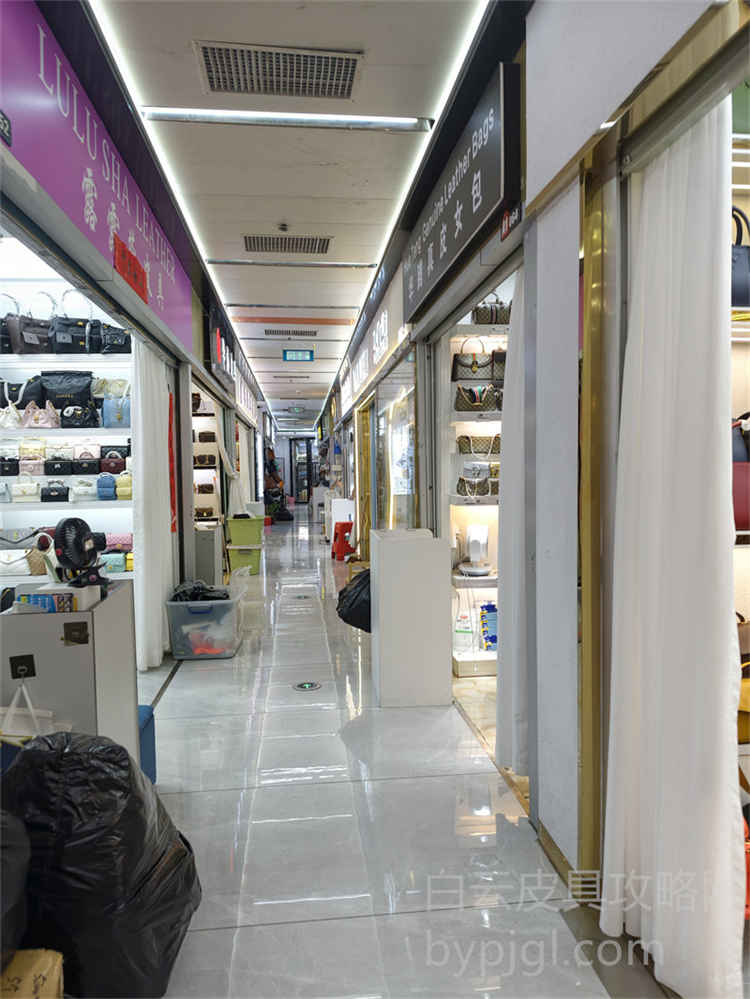
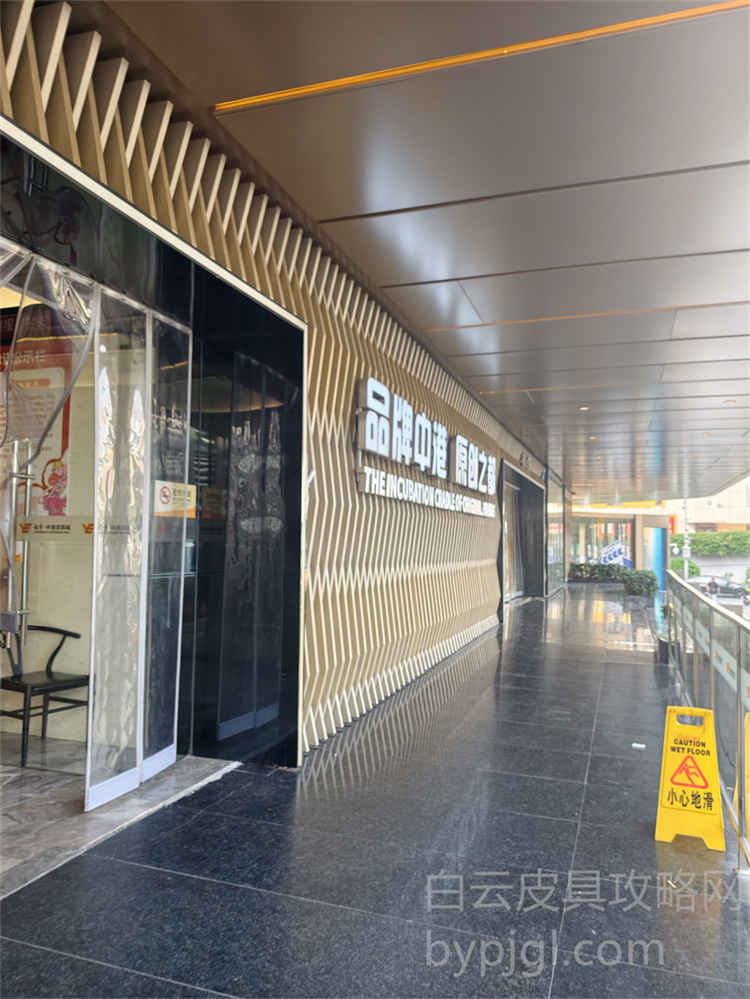
Many first-timers make the mistake of rushing into the biggest building they see. The reality is that the market is a living organism with different zones for different tiers of product. When I arrive at the main complex, I don't just look at the storefronts; I look at the people. The ground floor often displays the flashier, lower-cost items meant for quick turnover. But if you are looking for genuine craftsmanship and materials that hold up, you need to head upstairs. That is where the serious buyers go. The corridors here are narrow, packed with racks of bags, but the air is thick with opportunity. You will see stacks of boxes labeled with codes only we understand. This is the heart of the operation, where the real work happens away from the prying eyes of casual tourists.
Reading the Room: How to Spot Quality Before Buying
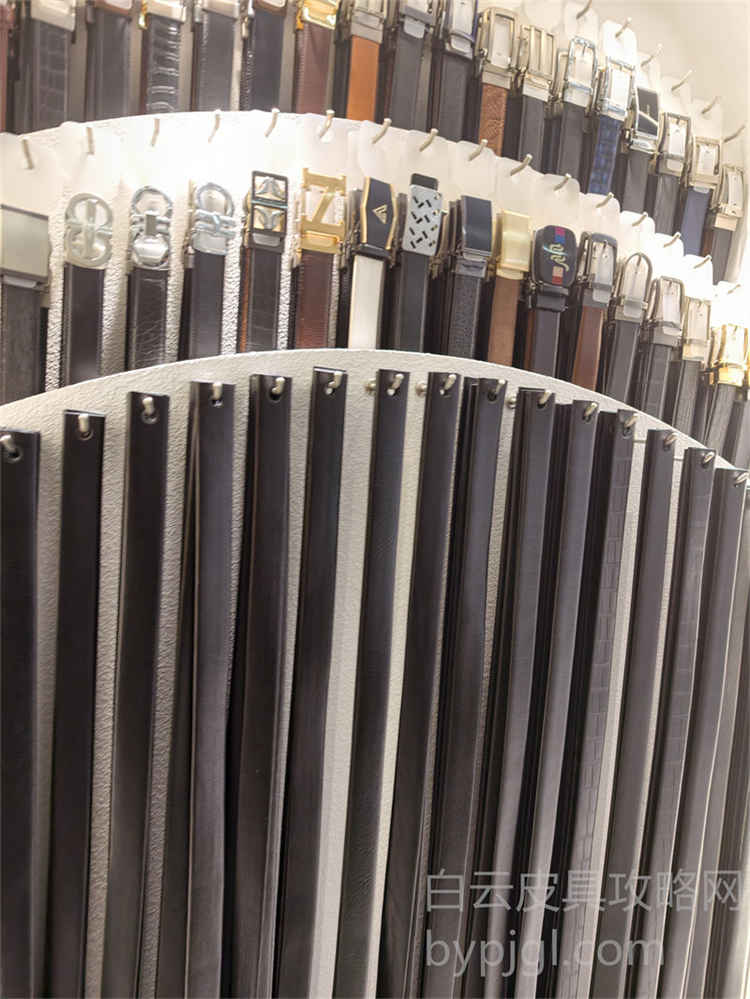
When you approach a stall, do not ask for the "best" one immediately. That is a trap. Instead, ask to see their recent production run. In my shop, we keep samples from the last week's batch right at the front. Look closely at the stitching. Is it even? Does the thread color match the leather perfectly? Check the hardware. It should feel heavy, not hollow. Cheap zinc alloys tarnish quickly, while solid brass or high-grade stainless steel has a specific weight and finish. Run your fingers along the edges. Are they burnished smooth, or do you feel rough glue lines? Here in Guangzhou, we pride ourselves on finishing details that rival anything you can find globally. If the seller hesitates to let you inspect the inside lining or the zipper pull, walk away. Confidence comes from transparency.
Negotiating Like a Local: The Art of the Deal
You cannot buy here like a tourist. The moment you show hesitation or ask for a discount without understanding the value, the price goes up. My advice is to build a relationship. Start by asking about the material source. Tell them you know the difference between top-grain cowhide and corrected grain. When you speak their language, they respect you. once trust is established, the negotiation becomes easier. We are not trying to trick you; we are trying to find a volume that works for both of us. If you are buying a small quantity, expect a higher unit price. But if you commit to a larger order, the margins open up significantly. Never accept the first number thrown at you. Counter-offer politely, and watch the smile fade slightly as we calculate what we can afford to give you while keeping our own profit margin intact.
Behind the Scenes: Logistics and Avoiding Pitfalls
once you have selected your items, the real challenge begins: ensuring they get to you safely and exactly as promised. Many overseas buyers fail because they skip the final inspection step. Do not rely on photos sent via WhatsApp. Those images can be edited, filtered, or taken from a different batch. Stand right next to the packing table. Watch us count the items. Check the serial numbers or internal tags against your list. If you are ordering a mix of styles, verify every single SKU. We have seen too many cases where a buyer received a box full of the wrong model because they didn't take the time to check before the truck left.
Shipping and Customs: What You Need to Know
Getting your goods out of China requires careful planning. Most of our regular clients use established freight forwarders who specialize in handling commercial shipments. They know how to package the goods to prevent crushing during transit and how to handle the paperwork so customs clearance is smooth. Do not try to ship large quantities through standard courier services unless you are prepared for unexpected fees. Ask your supplier for a recommendation on a reliable logistics partner. We work with several who have been in the business for decades. They understand the nuances of declaring values and categorizing products correctly. Remember, the goal is to get your inventory to your store without delays or seizures.
Building Long-Term Partnerships
The most successful buyers are those who return. In this industry, consistency is key. When you find a stall that understands your vision and delivers quality every time, stick with them. Over the years, I have watched many shops close down because they tried to cut corners, but the ones that survived are the ones that built loyalty. Treat your suppliers like partners, not just vendors. Send them feedback on what sold well and what didn't. Help them improve their designs based on market trends back home. When we work together, we both win. You get better prices and priority service, and we get a steady stream of orders that keeps our lights on.
Final Thoughts: Your Journey Starts Here
There is no substitute for being on the ground. The energy of the Baiyun market is electric, filled with the hum of conversation and the rustle of packaging. It is a place where deals are made with handshakes and mutual respect. If you are ready to take your business to the next level, pack your bags and come see us. Bring an open mind, a sharp eye for detail, and the willingness to learn. The secrets of the trade are hidden in plain sight, waiting for those who are willing to dig deep. I will be here, behind my counter, ready to show you what we have and help you build something great. Welcome to the real sourcing experience.