Walking the Floors: A Veteran's Guide to Sourcing in Guangzhou
I have been standing behind this counter in the Baiyun District for over two decades. While the world talks about "luxury goods" and "high-end replicas," I just see leather, stitching, and a lot of hard work. If you are reading this, you probably want to know how to navigate the real market here without getting ripped off or wasting your time. Forget what you read on those generic travel blogs. The truth is only found when you walk the aisles, touch the materials, and talk face-to-face with the people who actually make these bags.
The Real Vibe of Baiyun Market
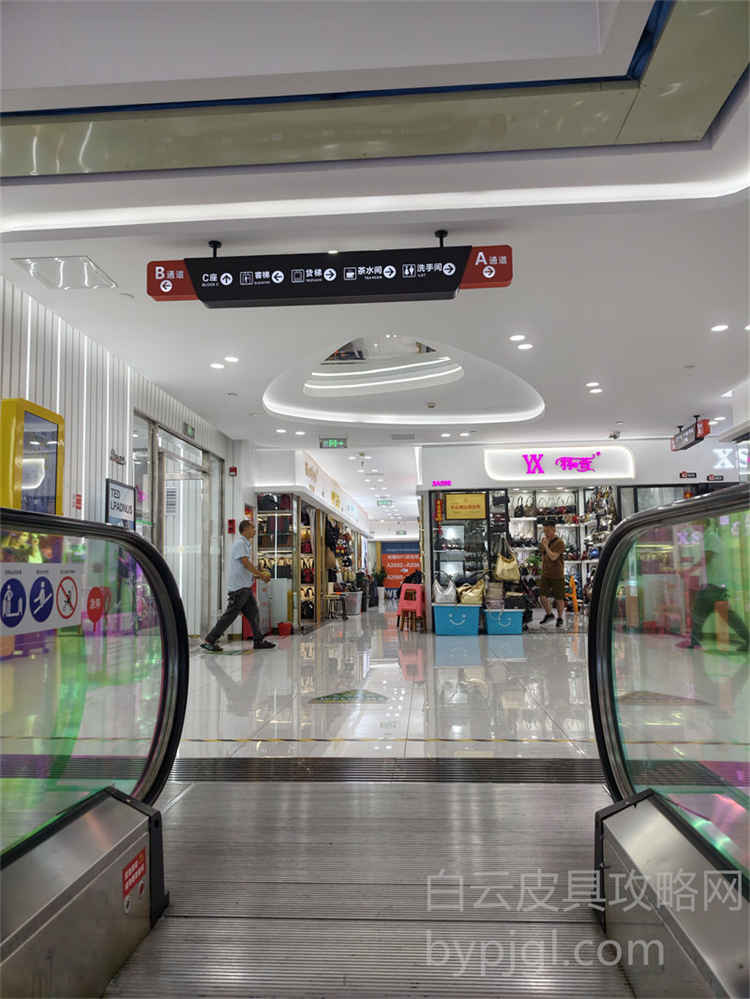
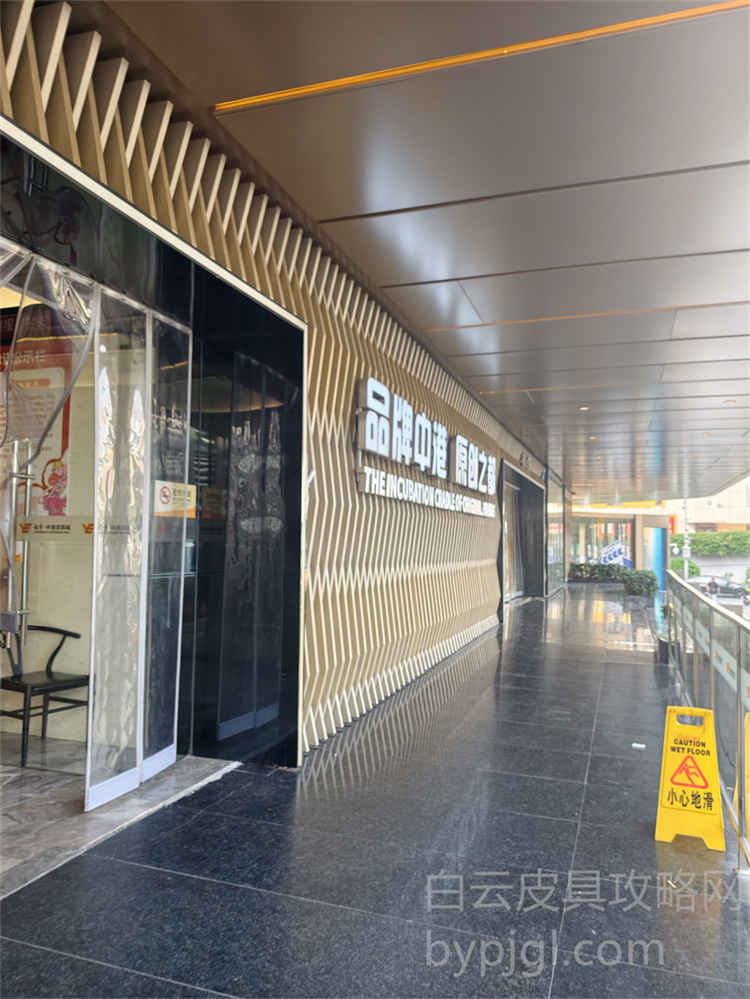
When you first step into the main building of the Baiyun Leather City, it can feel overwhelming. It is loud, crowded, and smells distinctly of new leather and glue. This is not a mall where you browse slowly with a coffee. This is a factory floor disguised as a retail space. Most tourists get lost in the maze of corridors looking for specific brands, but that is a mistake. Here, we do not display logos on the front. We display quality. You will see rows of tables stacked high with samples in neutral colors—black, brown, tan, and cream. These are the blanks that go out to factories across the Pearl River Delta. My advice? Ignore the flashy displays at the entrance. Go straight to the back rooms where the actual stock is kept.
Finding the Right Counter and Building Trust
One of the biggest mistakes foreign buyers make is walking up to a counter and asking for "the best version." That phrase tells us immediately that you are a rookie. In my shop, we respect clients who ask about the grade of cowhide, the type of hardware plating, or the thread count per inch. When you approach a stall, look for the ones that are busy. If a counter is empty, they might be selling low-quality junk or they are waiting for their regulars. Start by asking simple questions like, "What leather is this?" or "Can I see the inside lining?" If the owner gets defensive or tries to push a brand name immediately, walk away. The good suppliers here are proud of their craftsmanship, not afraid to show you the raw materials.
Negotiating Like a Local
Haggling is part of the culture here, but it needs to be done correctly. Do not start by offering half the price; that insults the seller. Instead, ask for the "wholesale price" or the "partner price." If you are buying more than one piece, mention that you plan to return next season. We love repeat customers because it means steady business. I often tell my overseas friends that if you buy ten pieces, you get a better deal than if you buy one. But remember, the lowest price does not always mean the best quality. Sometimes, a slightly higher price gets you the top-tier leather that lasts for years, while the cheap option uses synthetic blends that crack after a few months. Find the balance between cost and durability.
Inspection: The Art of Checking Quality
This is where most people fail. They order online based on photos, but photos lie. When you are physically here, you need to inspect every single bag before you pay. First, check the smell. Good leather has a distinct, rich scent. If it smells like chemicals or plastic, put it down. Next, run your fingers over the surface. Is it smooth? Are there any uneven bumps? Look closely at the stitching. It should be straight, tight, and consistent. No loose threads. Then, flip the bag inside out. Check the lining material and the zippers. High-quality zippers glide smoothly and don't stick. Finally, weigh the bag. Heavy hardware usually indicates solid metal rather than cheap alloy that will tarnish quickly.
Understanding the Grades
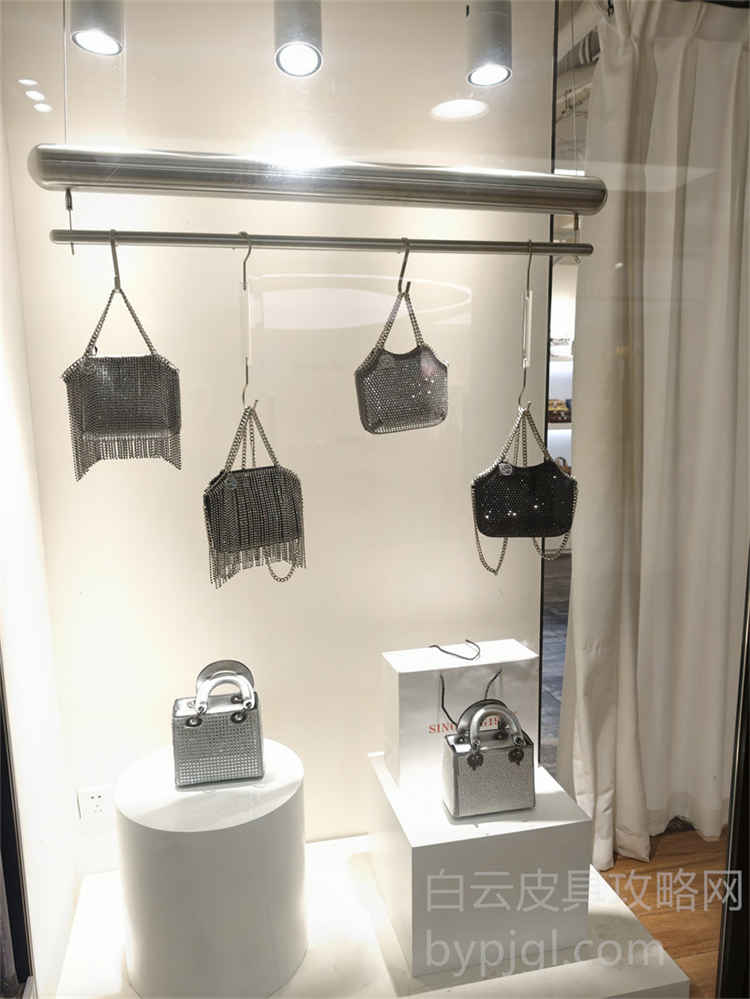
You will hear terms like "market grade" or "top tier" from various sellers. As an old-timer, let me break it down for you. The lower grades use cheaper leather and mass-produced hardware. They look okay from a distance but fall apart quickly. The mid-range options are decent for casual use but lack the fine details. The top tier is what we aim for. It uses full-grain leather, precise stitching patterns, and hardware that matches the weight and finish of the original molds. However, even within the top tier, there are variations. Always ask to see multiple samples of the same style. Compare them side-by-side. The difference is often in the small details: the shape of the handle, the alignment of the pattern, and the color depth of the dye.
Avoiding Pitfalls and Shipping Logistics
once you have selected your items, the next challenge is shipping. Many buyers worry about customs and seizures. While I cannot give legal advice, I can share what works in our experience. Reputable suppliers here know how to pack goods discreetly. They remove all tags and packaging that might identify the product. They use plain boxes and neutral labels. However, you must communicate clearly with your forwarder. Do not try to hide everything if the value is too high; transparency with your logistics partner is key. Also, be wary of suppliers who promise "guaranteed delivery" without mentioning insurance. Always ask for tracking numbers and ensure the package is insured against loss or damage during transit.
Building Long-Term Relationships
My final piece of advice is to treat this as a relationship, not a transaction. Come back again and again. Show interest in our new designs. Ask for feedback on the previous batch. When you build trust with a supplier like me, we prioritize your orders. We hold the best stock for you. We alert you to new trends before they hit the general market. In Guangzhou, the supply chain moves fast. What is popular today might be gone tomorrow. By having a reliable contact on the ground, you stay ahead of the curve. So, take your time, visit the markets, touch the leather, and find the partners who care about quality as much as you do. That is the secret to successful sourcing in Baiyun.