Walking the Floors: My Real Talk on Sourcing from Guangzhou
I have been standing behind this counter in Baiyun District for over twenty years. While the world outside talks about trends and seasons, we here just talk about leather, stitching, and the smell of glue that never really leaves your clothes. You ask me about finding those specific bags made right here in Guangzhou? Let me tell you, it is not a game of hide-and-seek, but it requires eyes that know what to look for and ears that listen to the silence between words.
The First Step: Leaving the Tourist Traps
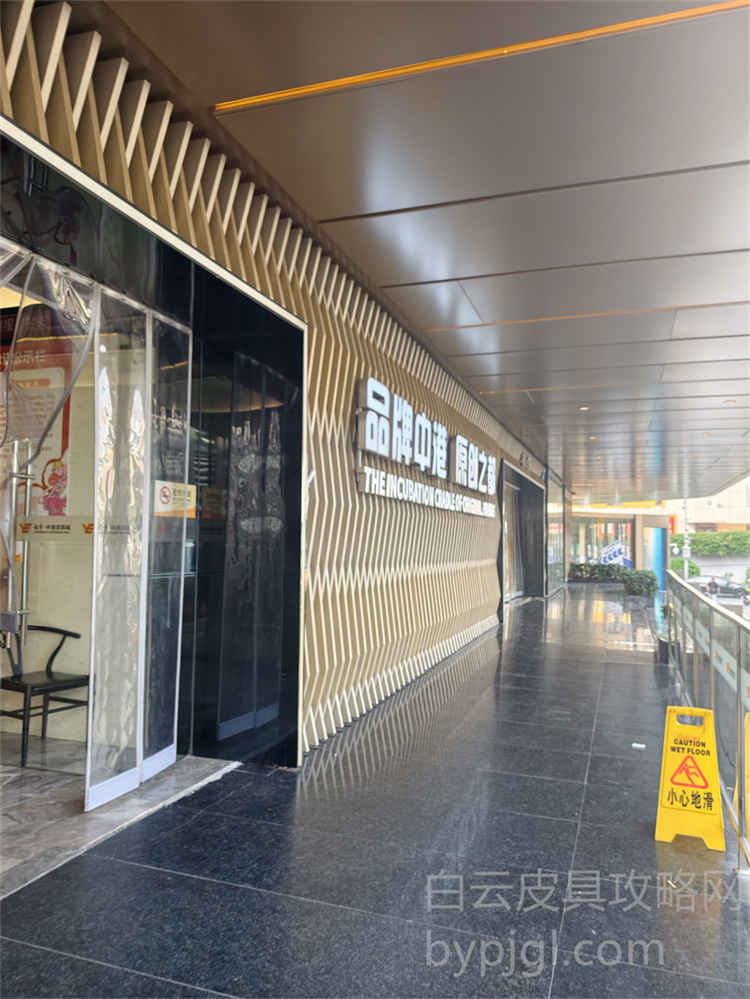
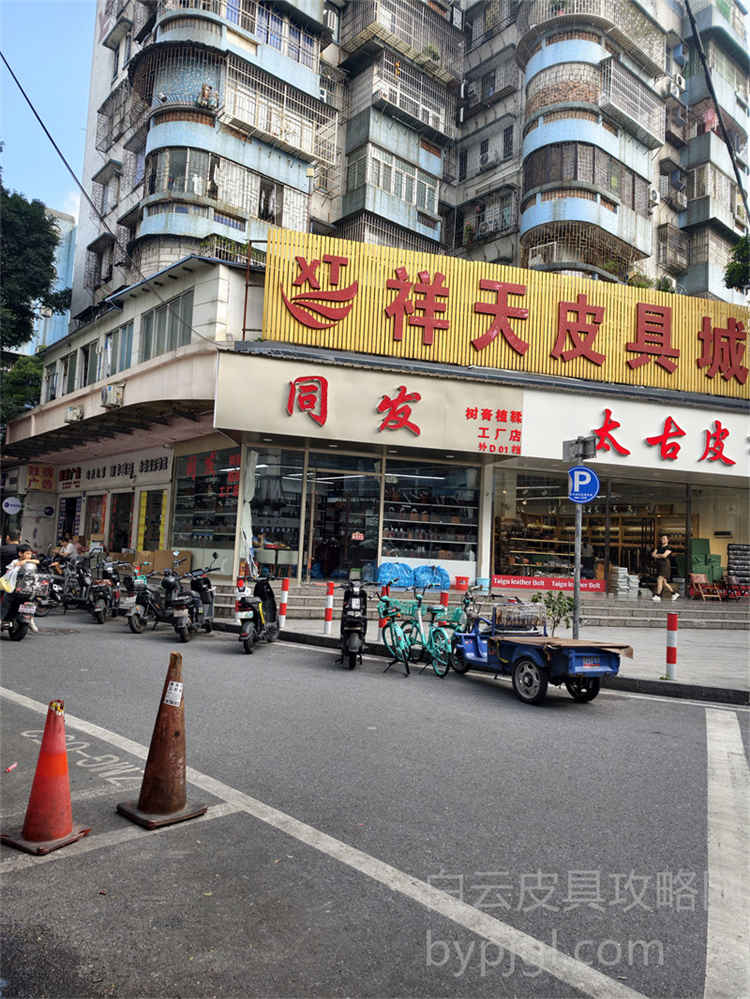
Most people who come here get lost immediately. They go straight to the fancy malls where the prices are marked up for foreigners, or they wander into the streets filled with street vendors selling cheap junk. That is not where the real work happens. The heart of this industry beats inside the massive complexes like the Baoma Plaza or the nearby markets off Jiahe Road. These places are labyrinths of steel and glass, buzzing with hundreds of suppliers pushing carts full of samples. When I walk in, I do not look at the shiny displays in the lobby. I head straight for the back corridors where the air is thick with dust and the sound of sewing machines is deafening. This is where the actual production meets the sales floor.
Navigating the Showrooms: What to Look For
once you are deep inside the market, you will see rows of shops. Some look empty, some look messy, and some look perfect. Do not be fooled by the perfect ones. In my experience, the best quality often comes from the shops that look a bit cluttered because they are constantly moving stock. When you approach a stall, do not ask for "the best." That question gets you nothing but a generic sample. Instead, ask to see the "new batch" or the "top tier version" that was just finished yesterday.
Inspecting the Leather and Stitching
Here is the secret that no guidebook tells you. Touch the material. Real craftsmanship starts with the hide. If you are looking for high-end finishes, run your fingers over the surface. It should feel soft, slightly cool, and have a natural grain that varies slightly across the bag. If it feels plastic-like or perfectly uniform, put it down. Then, look at the stitching. Count the stitches per inch. A good workshop will have tight, even lines with no loose threads. Pay attention to the hardware too. The weight matters. Cheap metal feels light and hollow; good plating has substance and a smooth, cold finish. I always tell my buyers to bring a small magnet or a coin to test the thickness of the metal plates if they are unsure.
The Art of Negotiation and Building Trust
You cannot just walk in, pick a bag, and pay cash. That is how you get ripped off. In Guangzhou, business is built on relationships. Even if you are buying just one piece, treat the shop owner like an old friend. Start by asking questions about their supply chain. Where do they get their zippers? Who makes their linings? If they hesitate or give vague answers, move on. But if they start talking passionately about their tanneries in Foshan or their dyeing processes, you are in the right place.
Setting the Price and Terms
When it comes to price, never accept the first number. The initial quote is always inflated for outsiders. Start low, maybe 40% below their asking price, and negotiate slowly. Mention that you are planning a long-term partnership or that you have other buyers interested. This puts pressure on them to show their true bottom line. Also, clarify the terms clearly. Are you paying per piece or per dozen? Is shipping included? Do they offer a warranty on the hardware? In these markets, everything is negotiable until the deal is signed. Never rush the handshake. Take your time to sip tea and chat. The trust you build over a cup of tea saves you thousands of dollars in headaches later.
Avoiding Pitfalls and Ensuring Quality
There are many traps for the unprepared buyer. One common mistake is falling for the "fake factory" story. Many shops claim to be direct factories when they are actually middlemen reselling goods from other stalls. To avoid this, ask to see the production area or the warehouse. If they refuse, it is a red flag. Another issue is the "sample vs. bulk" discrepancy. Just because the sample looks perfect does not mean the bulk order will be the same. Always insist on seeing a pre-production sample before mass manufacturing begins. This small step ensures that the final product matches your expectations.
Logistics and Shipping Considerations
once you have selected your items, think about logistics. Shipping from Guangzhou can be tricky if you do not know the rules. Most shops will handle the packing, but you need to ensure the packaging is secure. Use strong boxes and plenty of bubble wrap. Also, be aware of customs regulations in your country. Declaring the value correctly is crucial to avoid seizures. Many suppliers here are experienced in international shipping and can advise you on the best courier services. Do not try to cut corners on shipping costs; a damaged bag is worse than a higher shipping fee.
Final Thoughts from the Ground
Coming to Guangzhou to source these products is an adventure. It is chaotic, loud, and sometimes overwhelming, but it is also where the magic happens. The skill of the artisans here is unmatched, and the variety of options is endless. If you take the time to walk the floors, learn the language of leather, and build genuine connections with the shop owners, you will find exactly what you are looking for. Remember, the goal is not just to buy a bag, but to understand the craft behind it. So, put on your comfortable shoes, leave the tourist maps behind, and dive into the heart of Baiyun. That is where the real story lies.