Walking the Floors: My Real Talk on Sourcing from Guangzhou
I have been standing behind this counter in Baiyun for over fifteen years. While the world talks about trends online, I am here watching the real pulse of the leather trade beat through these crowded corridors. You might be scrolling through social media looking for that specific silhouette, but let me tell you something: the magic doesn't happen on a screen. It happens when you are elbow-to-elbow with other buyers, smelling the fresh hides, and negotiating face-to-face with factory owners who know exactly what they are making.
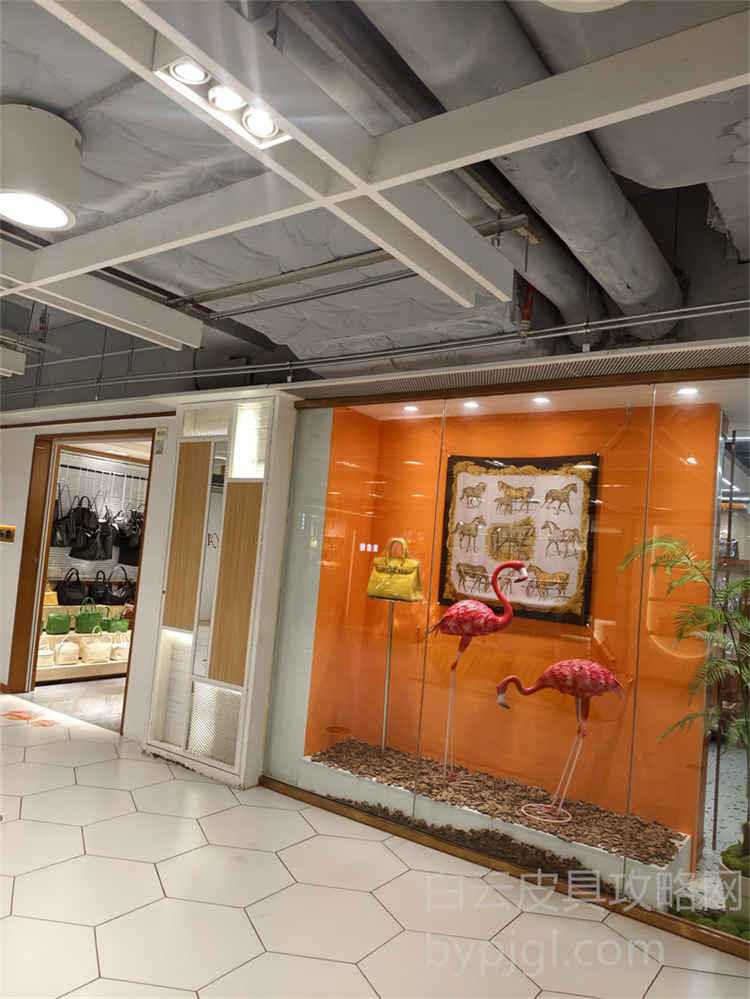
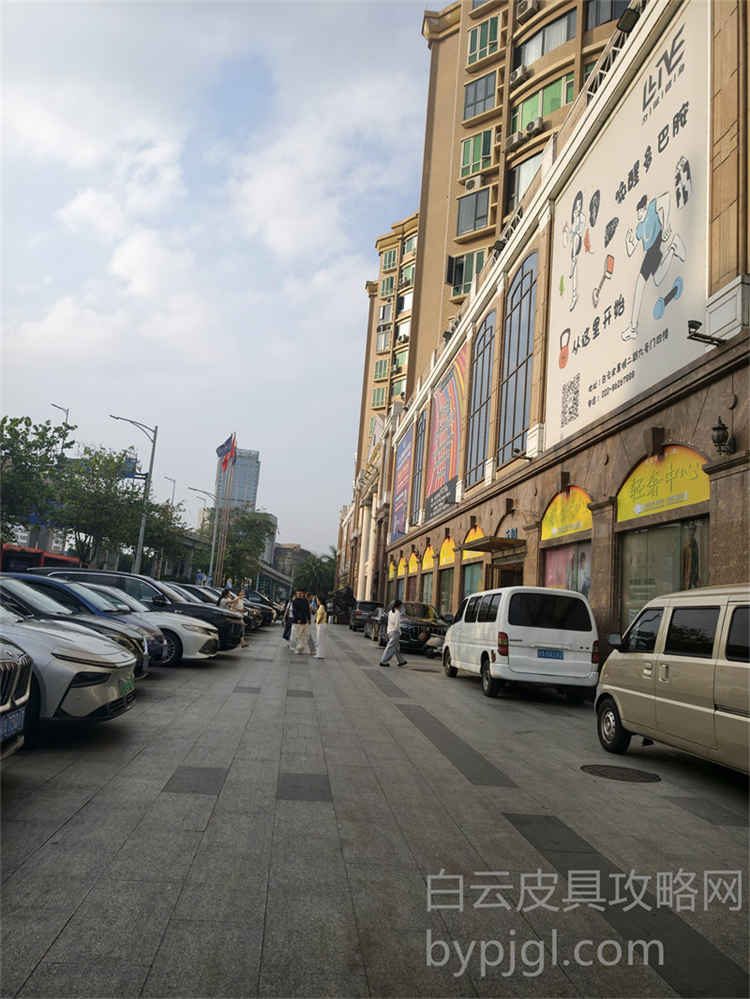
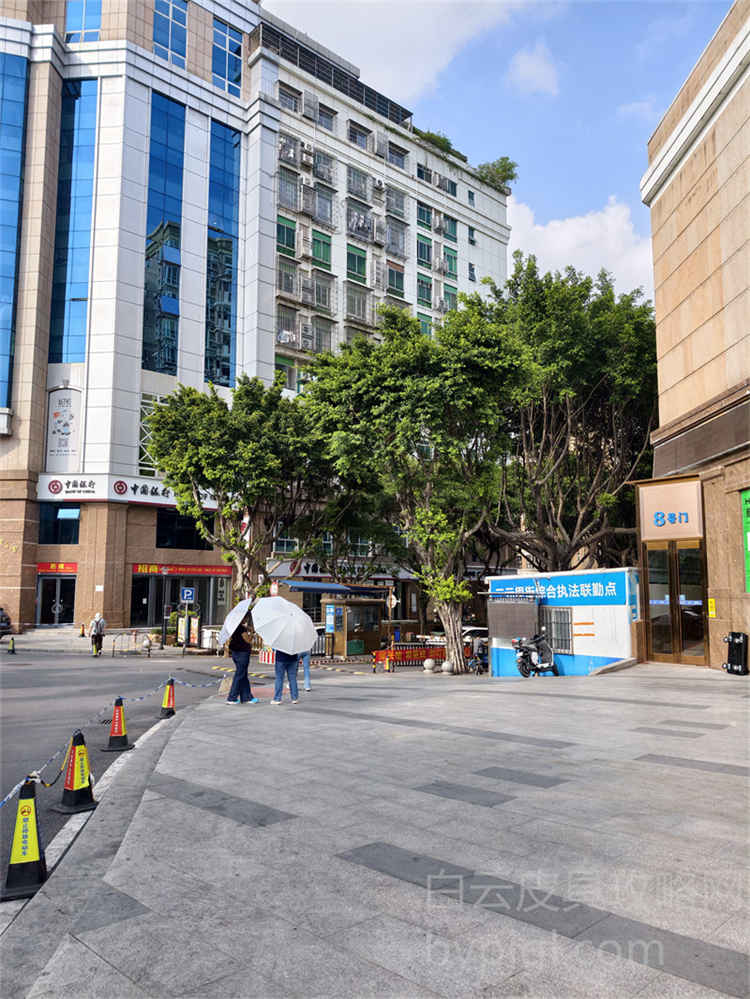
Many overseas clients ask me how to find high-end goods without getting scammed. They think there is a secret code or a hidden app. There isn't. The secret is simply showing up. When you walk into the massive complex near the airport, you are entering a different universe. This is where the supply chain breathes. If you want to understand the quality of the craftsmanship that goes into these bags, you need to see the stacks of leather, the rows of sewing machines, and the way we handle every single stitch.
Navigating the Market Maze
The First Step: Leaving the Tourist Traps
Let's be honest. If you just walk into the main entrance and start asking for "designer names," you will get led to the tourist traps. Those shops sell low-grade items at inflated prices. As a local owner, my advice is to go deeper. Head straight for the wholesale sections where the air smells like glue and new leather. These are the places where serious buyers come. We don't put signs out front saying what we sell; we show it. You have to look past the flashy displays and find the counters that are busy with locals and repeat customers.
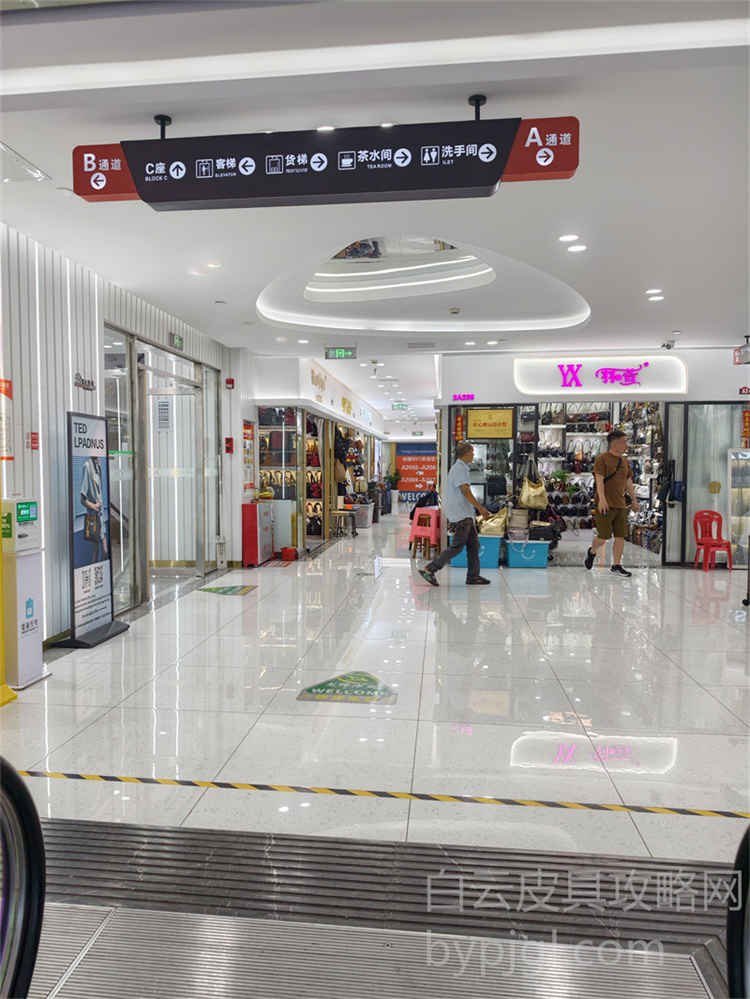
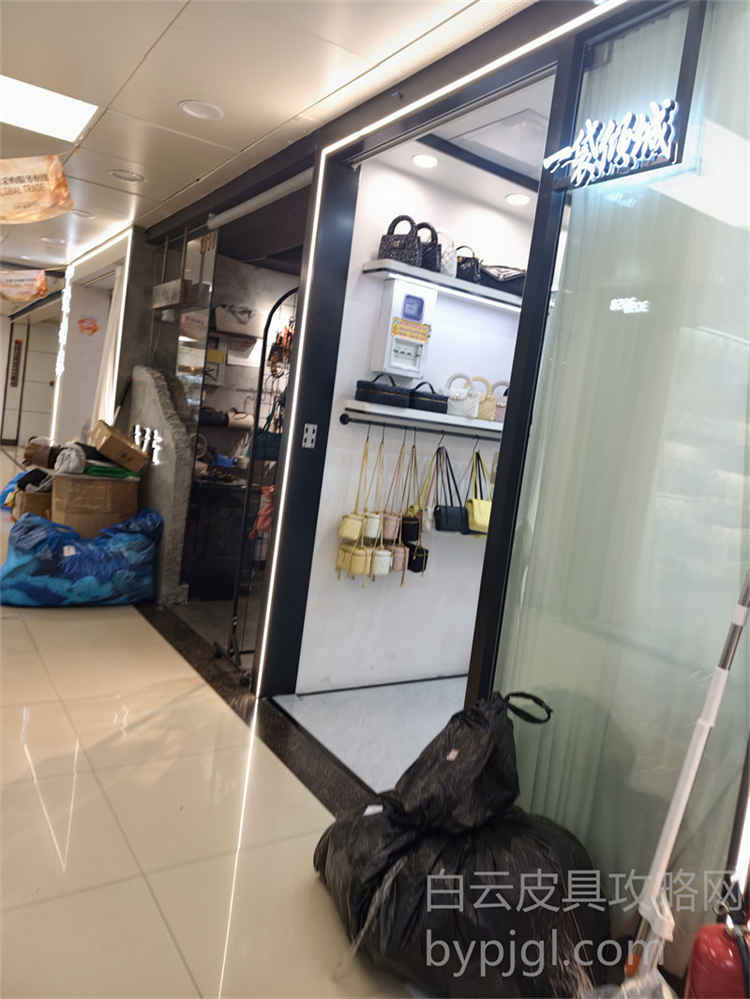
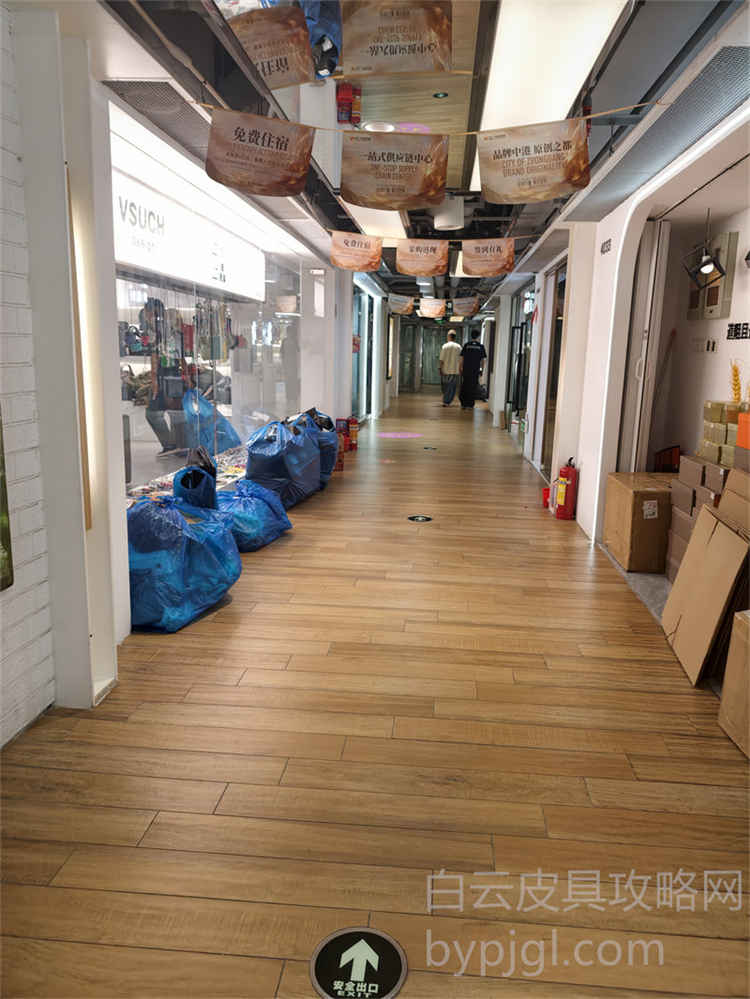
The layout can be confusing if you haven't been here before. Some buildings are dedicated to shoes, others to wallets, and some are pure bag heaven. Take your time. Walk the perimeter first. Notice which stalls have boxes stacked high. That usually means they move volume. Volume is good because it means they aren't sitting on dead stock. When you find a stall that looks busy, that is your starting point.
The Art of Selection and Inspection
Touching the Material Before Buying
In this business, you cannot judge a book by its cover, and you certainly cannot judge a bag by a photo. Photos lie. Lighting changes everything. A bag that looks perfect in a studio shot might feel cheap in your hands. When you are here, you must touch the leather. Feel the grain. Is it soft? Does it smell like genuine hide or chemicals? We use top-tier calfskin and lambskin here, sourced from the same tanneries as the big houses. But you won't know unless you run your fingers over it.
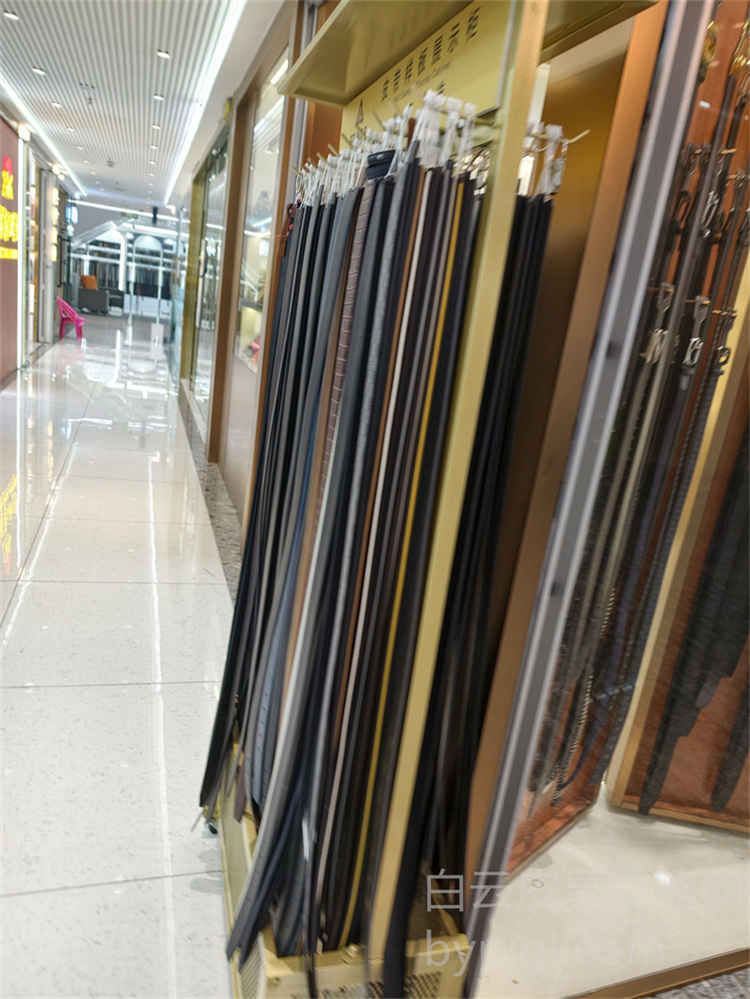
Look at the stitching. Count the stitches per inch. In our workshops, we train workers to match the tension and angle of the original patterns perfectly. If you see loose threads or uneven spacing, walk away. That is a sign of a lower tier product. Also, check the hardware. Does it feel heavy? Does the plating shine evenly? Cheap zinc alloys turn green after a week. Good brass with PVD coating lasts forever. We insist on using the best materials because our reputation depends on it.
Negotiating and Building Relationships
Talking Like a Partner, Not a Customer
When you approach a stall, do not act like a one-time buyer. Speak with confidence. Ask about the production cycle. Ask where the leather comes from. If you ask smart questions, the boss knows you are serious. We prefer dealing with people who understand the market. Price is important, but trust is more important. If you buy ten pieces today, you might get a discount. If you become a regular, you get the best price and priority access to new styles.
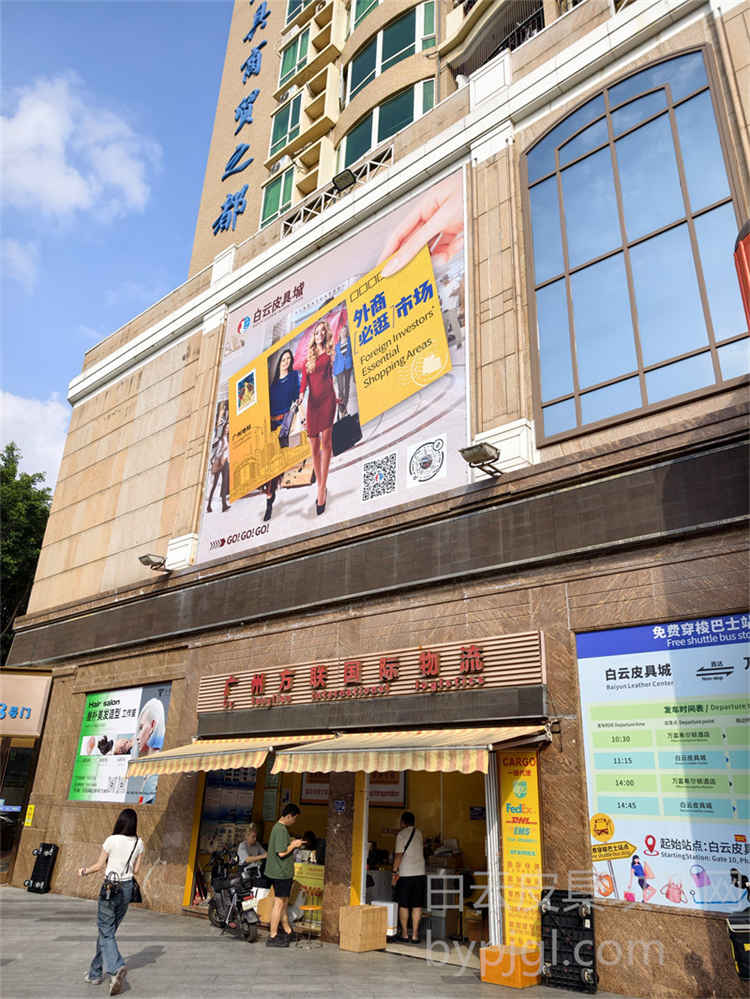
Don't be afraid to negotiate. It is expected. Start by offering a fair price based on the quality you see. If they refuse, ask for a better deal on shipping or a small gift with the order. Never agree to pay 100% upfront without seeing the finished goods. We always allow you to inspect the batch before final payment. This protects both of us. If you are worried about shipping, we have experienced freight forwarders who handle customs clearance daily. They know exactly how to pack these items so they arrive safely anywhere in the world.
Avoiding Common Pitfalls
Red Flags Every Buyer Should Know
There are always bad apples in any industry. Here is how you spot them. If a seller refuses to show you the actual product and only sends photos, run. If the price seems too good to be true, it is. High-quality leather and precise craftsmanship cost money. No one sells premium goods at rock-bottom prices. Another red flag is rushing you. A legitimate supplier wants you to take your time to verify the quality. They want you to come back next month.
Also, be careful with the language. If someone tries to use specific forbidden terms to describe their products, they are likely trying to hide something. We talk openly about quality, materials, and craftsmanship. We don't need to hide. Our goal is to build long-term relationships with international buyers who value authenticity in construction, even if the branding is different. When you find a reliable partner in Baiyun, you don't need to worry about the future. You just need to keep coming back.
Final Thoughts from the Counter
Coming to Guangzhou is an adventure. It is loud, chaotic, and incredibly rewarding. You leave with more than just bags; you leave with knowledge. You learn what makes a bag last, how to spot a fake, and how to build a network that works for you. Don't rush. Drink some tea, sit down with the boss, and listen to their stories. That is where the real deals are made. The market is vast, but if you follow these steps, you will find exactly what you are looking for. Welcome to the heart of the leather world.