Walking the Floors: My Real Talk on Sourcing Bags in Guangzhou
I have been standing behind this counter in the Baiyun District for over fifteen years. While you might see me as just another shop owner, I am actually a witness to the evolution of the leather goods trade here. Every morning, before the sun fully rises over the Pearl River, the air in the wholesale markets is already thick with the smell of fresh leather and the sound of rolling suitcases. If you are an overseas buyer looking for "Guangzhou bags for export to the USA," let me tell you something straight from the floor: the internet photos are only half the story. The real value lies in what you can touch, feel, and negotiate face-to-face.
The First Rule: Leave Your Hotel and Go to Baiyun
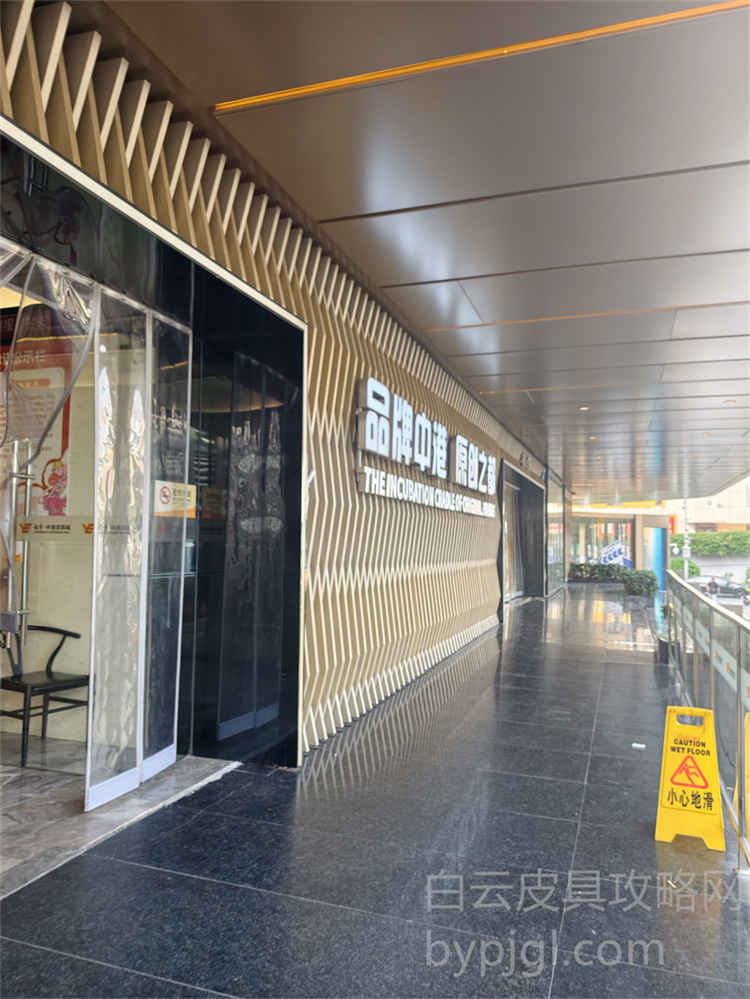
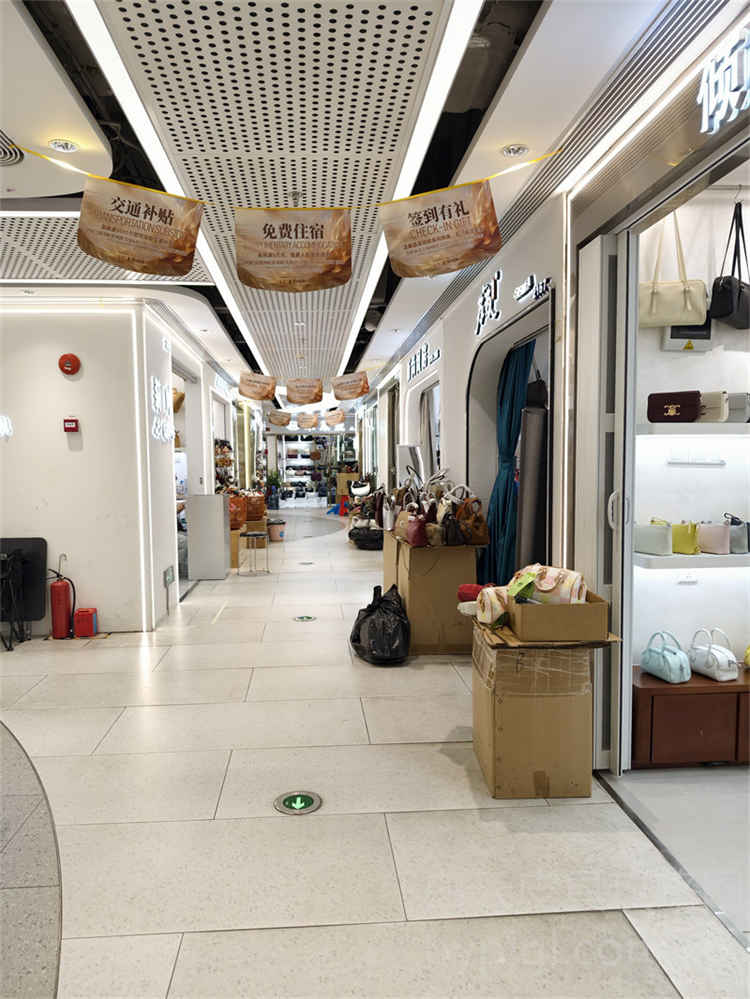
Many clients ask me if they can order via WeChat or email without visiting. Sure, you can, but you will miss the pulse of the industry. The Baiyun Leather City is not just one building; it is a sprawling ecosystem of interconnected malls like the Qianwan, the World Trade Center, and the various smaller alleys nearby. When you walk through these corridors, you realize that quality varies wildly from one stall to the next, even within the same building. A factory-direct source often hides its best pieces in the back room, never showing them on the main display rack. You need to be there to ask for the "back stock." This is where the true sourcing happens.
Navigating the Market Maze: Where to Look and What to Ask
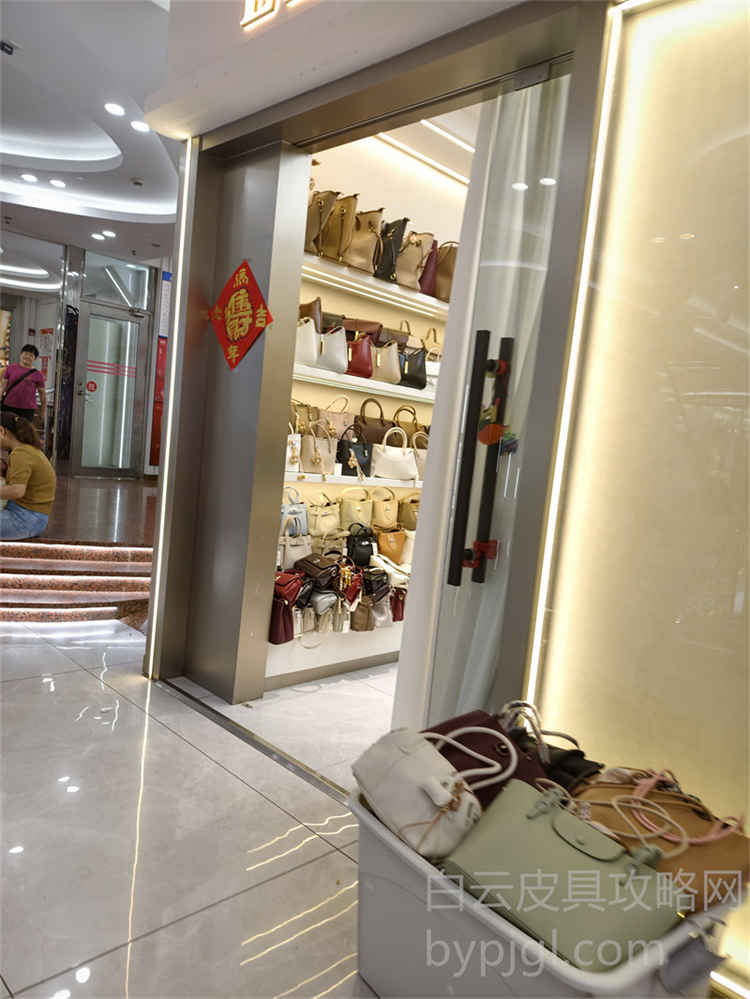
When I first started, I made the mistake of trusting every signboard. Now, I know that the most reputable suppliers often have the simplest storefronts. They don't need flashy neon lights because their reputation comes from repeat orders from American retailers. If you are hunting for high-quality leather goods, head towards the upper floors of the major complexes. The ground floor is usually filled with tourists and low-end samples meant to grab quick attention. The serious business happens upstairs.
Identifying the Right Stall Without Saying Too Much
You do not need to speak perfect Mandarin to find good partners, but you do need to know what to look for. Watch how the staff handles the merchandise. Do they fold the straps carefully? Do they use dust bags? These small details separate a professional exporter from a casual reseller. When you approach a stall, do not immediately ask for the cheapest price. Instead, ask about the leather grade and the stitching technique. Say, "Show me your top-tier collection." Most owners will understand that you are a serious buyer and will unlock the hidden inventory. In our line of work, we call this the "VIP section," and it is rarely visible to the public eye.
The Art of Inspection: Touch, Smell, and Stitching
This is where my experience really pays off for you. When you are sitting across from me at my desk, I want you to pick up the bag. Don't just look at the hardware; feel the weight. Good leather has a specific heft and a natural grain that synthetic materials simply cannot mimic. Run your fingers along the edges. Are they finished smoothly, or do you feel rough glue lines? In the US market, customers are becoming very savvy. They can spot poor craftsmanship from a mile away. If you send me a photo of a bag with uneven stitching, I will tell you to reject it. We do not ship defects.
Checking the Hardware and Lining Details
Hardware is often the first thing to fail. Check the zippers. Do they glide smoothly? Are the metal parts heavy or hollow? Cheap plating peels off after a few months of use. Also, look inside the bag. Is the lining fabric durable? Does it match the exterior color scheme properly? I remember a client who ordered a large shipment based on photos alone. When the goods arrived in Los Angeles, the lining was fraying at the seams. That cost him thousands in returns. Always inspect the interior construction. It is the hidden part of the product that defines its longevity. If you are unsure, bring a magnifying glass or ask me to show you the raw material samples in the back.
Negotiation and Logistics: Getting Your Goods to America
once you have selected your items, the negotiation begins. Price is important, but reliability is more critical. Do not be afraid to ask for a discount on bulk orders. In Guangzhou, volume speaks louder than words. If you commit to a larger quantity, I can offer better pricing and prioritize your production schedule. However, be wary of prices that seem too good to be true. If a deal sounds suspiciously cheap, it usually means the leather is bonded or the stitching is machine-made with low thread counts.
Shipping and Customs Considerations
Exporting to the United States requires careful planning. We handle all the necessary documentation, including commercial invoices and packing lists. But you must ensure your freight forwarder knows exactly what you are shipping. Mislabeling goods can lead to seizures at customs. We have worked with many logistics companies that specialize in the Guangzhou to US route. They know how to pack the boxes to prevent crushing during transit. Always request a pre-shipment video. This allows you to verify the condition of the goods before they leave our warehouse. It is a simple step that saves a lot of headaches later.
Building a Long-Term Partnership
My goal is not just to sell you one batch of bags. I want to build a relationship that lasts for years. The market changes fast, and trends shift quickly. By working directly with a local supplier like me, you get access to new designs before they hit the mass market. We can customize colors, sizes, and logos to fit your brand identity. This flexibility is something big factories often struggle to provide. Come visit us again and again. Bring your friends. Let's share coffee and talk about the future of your business. The best deals are not found online; they are found over a handshake and a shared cup of tea in the heart of Baiyun.