Walking the Floors: My Real Talk on Sourcing Bags in Guangzhou
Welcome to my shop. I have been standing behind this counter in the Baiyun District for over fifteen years, watching the dust settle and rise with every season. You are probably scrolling through websites right now, looking for "Guangzhou wholesale bag sources," but let me tell you something that no algorithm can teach you: the real story is only found when you put your feet on the ground here. If you want to succeed in this business, you need to stop thinking like a tourist and start thinking like a local trader. The internet is full of generic advice, but the truth about sourcing leather goods in Guangzhou is messy, loud, and incredibly rewarding if you know how to navigate it.
The First Step: Leaving the Hotel and Heading to Baiyun
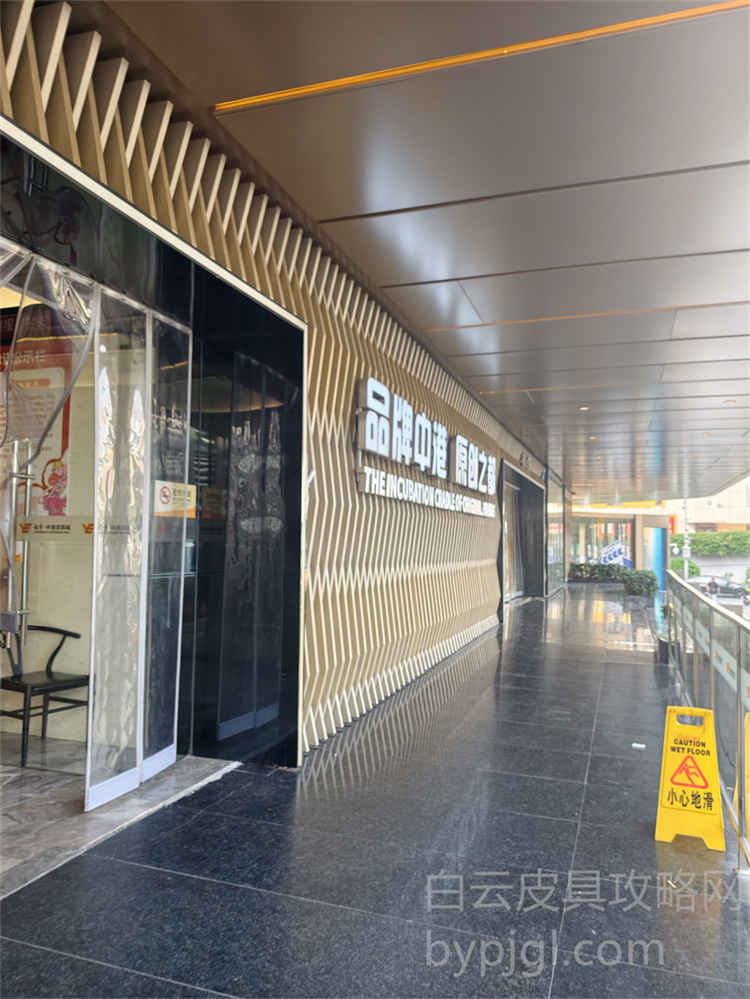
Most first-timers make the mistake of trying to order everything online before they even arrive. They think they can find the perfect supplier by chatting on WeChat or browsing a catalog. That is a trap. In Guangzhou, especially in the Baiyun Leather City area, the quality varies from one stall to the next, sometimes even within the same building. You cannot judge the texture of the leather, the strength of the stitching, or the smell of the glue through a screen. When you step out of your hotel and head towards the main market complexes, leave your phone away for a moment and just look around. The air here smells distinctively of tanned hides and industrial solvents. That is the scent of opportunity. Start at the entrance of the major buildings where the big showrooms are, but do not get stuck there. Those places are often designed for high-volume retail buyers who pay premium prices. You need to dig deeper into the corridors.
Navigating the Market Labyrinth: Where the Real Goods Are
once you are inside the massive structures of the Baiyun Leather World, you will feel overwhelmed. There are thousands of stalls, each shouting for attention. Do not panic. This is where your experience as a buyer matters most. The layout is confusing on purpose. The best suppliers often hide their inventory in the back rooms or on the upper floors where the foot traffic is lighter. If you see a stall with a flashy sign and a manager ready to talk to you immediately, be careful. Often, these are middlemen reselling goods from other factories. Look for the older owners, the ones sitting quietly at their desks, sipping tea, and waiting for serious inquiries. These are the people who actually control the supply chain.
Reading the Room: Identifying Genuine Wholesalers
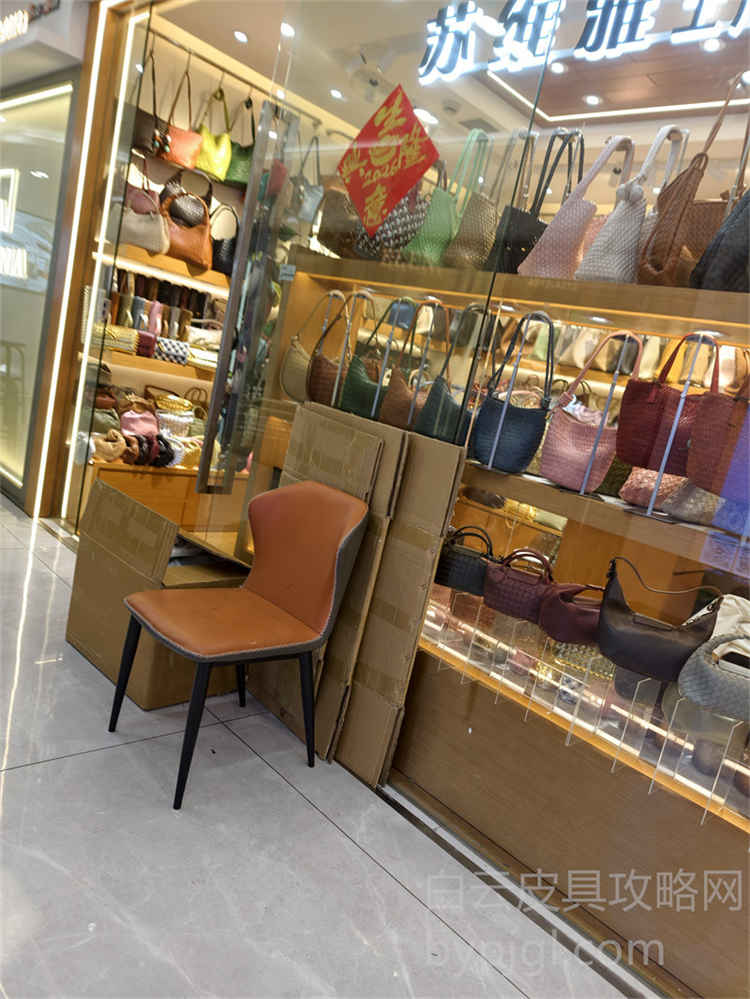
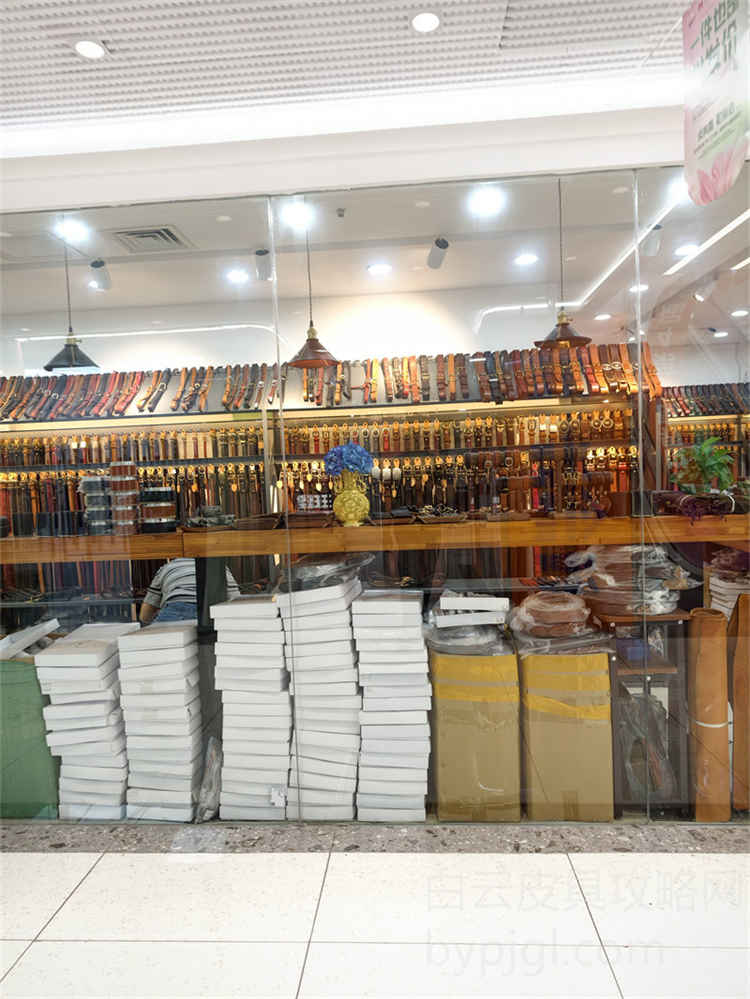
When you approach a stall, observe what is on display. A genuine wholesaler will have a mix of items. Some might be the latest trends, while others are classic styles that sell year-round. If a stall only has one type of product or seems too organized, they might be a drop-shipping agent rather than a manufacturer. Ask them about their production capacity. Can they handle an order of fifty pieces? One hundred? Three hundred? A true factory owner will give you a straight answer without hesitation. They will talk about lead times, material availability, and customization options. If they start talking about "designer inspiration" or try to push you toward expensive brands, walk away. We deal in our own designs and high-quality craftsmanship, nothing more. The goal is to build a relationship, not to buy a single item.
The Art of Inspection: What to Look For Before You Pay
This is the most critical part of your trip. Many overseas buyers rush the inspection process because they are afraid of missing a flight or running out of time. Do not make that mistake. Take your time. Bring a small flashlight and a magnifying glass if you have one. Examine the stitching. Is it even? Are there loose threads? Check the hardware. Does the zipper glide smoothly? Does the metal feel heavy and solid, or does it feel cheap and hollow? In Guangzhou, we pride ourselves on using good materials. If the leather feels dry or the lining is flimsy, move to the next stall. Do not accept excuses. A reputable supplier in Baiyun will understand your scrutiny because they know that bad quality hurts their reputation in the long run.
Talking Quality Without Saying Too Much
You do not need to speak perfect Chinese to negotiate, but you do need to speak the language of quality. Point to specific areas of the bag. Show them where you want to improve. If you are worried about the color fading, ask them to test it. If you are concerned about the shape holding up, ask to see a sample that has been used for a few months. Good suppliers will respect your questions. They will pull out samples from the back room that are not on display. This is where the magic happens. You will see bags that are better than the ones on the front table. This is the secret of the local trade: the best stock is always hidden until you prove you are serious.
Negotiation and Logistics: Closing the Deal Like a Pro
once you have selected your items, it is time to talk numbers. Never accept the first price quoted. In Guangzhou, pricing is fluid. It depends on the quantity, the payment method, and the relationship you build. Start by asking for a discount based on volume. If you are ordering fifty pieces, ask for a tiered price structure. Be firm but polite. Remember, we want you to come back next season. If you treat us like a friend, we will treat you like a partner. Also, discuss the shipping logistics early. Do not wait until the end of the transaction to figure out how to get the goods out of China. We have relationships with freight forwarders who specialize in international shipping. They can help you consolidate orders from multiple stalls into one container, saving you money on shipping costs.
Avoiding Common Pitfalls for Foreign Buyers
There are a few traps that catch new buyers off guard. One is the "deposit scam." Never transfer a large sum of money via Western Union or direct bank transfer without a contract or a verified business license. Use secure payment methods like Alibaba Trade Assurance or meet in person to pay upon delivery of the goods. Another pitfall is assuming that all markets are the same. Baiyun is famous for leather, but there are other districts with different specialties. Stick to the leather hubs if you are buying bags. Finally, do not rush the customs clearance process. Make sure your supplier provides accurate documentation. If the paperwork is wrong, your goods could get stuck at the port, costing you time and money. Trust your gut. If something feels off, trust your instinct and walk away. There are plenty of other stalls in Baiyun waiting for you.
Building a Future in Guangzhou
Sourcing bags in Guangzhou is not just about buying products; it is about building a network. Come back again and again. Visit the same stalls, introduce yourself to the staff, and learn their names. Over time, you will become a familiar face, and that opens doors that were previously closed. You will get access to new designs before anyone else, better prices, and priority production slots. The Baiyun Leather City is a living ecosystem, and the more you engage with it, the more it rewards you. So, pack your bags, book your ticket, and come see for yourself. The real source of success is right here, waiting for you to walk through the door.