Stepping Into the Heart of Guangzhou Leather: A Veteran's Guide to Sourcing
Welcome to the real deal. I've been standing behind my counter in the Baiyun district for over two decades, watching the tide of buyers come and go. You might be scrolling through some online directory right now looking for a "Guangzhou fashion handbag source," but let me tell you, the magic doesn't happen on a screen. It happens in the dust, the noise, and the chaotic energy of the wholesale markets here. If you are planning to source bags for your business overseas, forget what you think you know about ordering from a website. The true value lies in walking the floor, touching the leather, and building a relationship with the people who actually make these goods.
The Reality of the Wholesale Floor
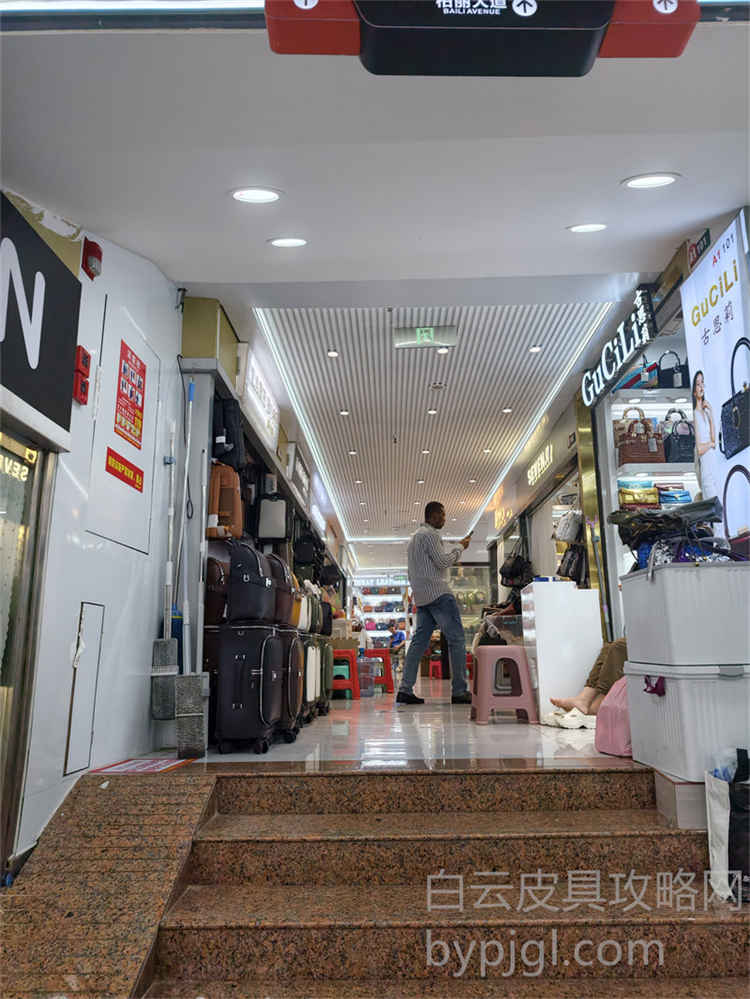
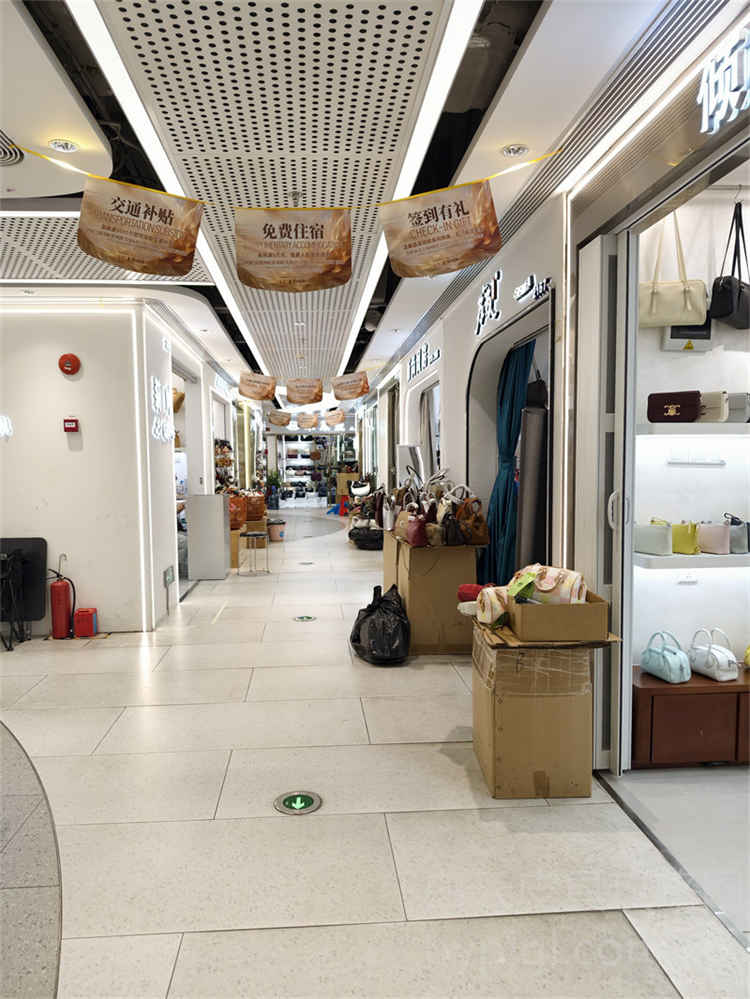
When you first step into the massive complexes around Baiyun, it can feel overwhelming. There are thousands of stalls, endless corridors, and a language barrier that feels like a wall at first. But once you get past the initial shock, you realize this is where the global supply chain breathes. We don't have fancy showrooms with glass walls; we have open-fronted shops stacked high with inventory. This is where you find the latest trends before they hit any catalog. The speed here is unmatched. What starts as a sketch in a local studio can be in production within days and ready for pickup by the end of the week.
Navigating the Markets: Where to Start Your Hunt
You need to know which building holds what kind of quality. The market isn't a monolith; it's a layered ecosystem. Some buildings cater strictly to high-end craftsmanship, while others focus on volume and speed. As a local owner, I always advise my international friends to start their day early. The best stock gets picked up by regulars before noon. Don't just wander aimlessly; head straight to the sections known for premium materials if you are looking for top-tier goods. If you are hunting for trendy, fast-moving items, the lower floors or specific wings dedicated to new arrivals are your goldmine.
Understanding the Layout and Specialization
Every few years, the layout shifts slightly as new buildings rise and old ones renovate, but the core zones remain consistent. You will notice distinct clusters. One area might specialize in genuine leather, another in high-grade PU, and yet another in mixed materials. When you ask around for the "best" section, you will get different answers because "best" depends entirely on your target price point and customer base. My advice? Spend your first day just observing. Talk to the security guards or the delivery drivers; they know exactly which stalls are moving product and which ones are struggling. They are the most honest sources of information you will find.
The Art of Inspection: Touch, Smell, and Detail
This is the part where most online shoppers fail. You cannot judge a bag by a photo. In my shop, I have customers who spend hours examining every stitch. When you are sourcing, you must treat every item like a forensic investigation. Look at the stitching density. Are the threads even? Do they pull tight without fraying? Check the hardware. Is the plating thick enough to resist tarnishing, or will it peel after a month of use? Run your fingers along the edges. Good craftsmanship means clean, sealed edges, not rough glue lines.
Material Verification and Craftsmanship
Smell is a powerful tool here. Real leather has a distinct, earthy scent that synthetic materials simply cannot mimic, no matter how hard they try. If a bag smells like chemicals or plastic, walk away. Also, inspect the lining. Cheap bags often use flimsy fabric that tears easily, while quality pieces use durable, tightly woven linings that reinforce the structure. Ask to see the raw materials if you are unsure. Many of us keep samples of our leather hides right at the counter. Showing you the raw hide proves we aren't hiding anything. Transparency builds trust, and trust leads to long-term orders.
Building Relationships and Negotiating Terms
Forget the rigid pricing you see on e-commerce sites. Here, everything is negotiable, but it depends on your relationship. If you walk in as a one-time buyer, you will get the standard retail-wholesale price. But if you show up consistently, bring a translator if needed, and speak the language of business, you unlock better tiers. We prefer dealing with partners who understand the rhythm of the industry. We want to know your sales cycle, your return policy expectations, and your volume potential. once we know you are serious, we will work harder to ensure your margins stay healthy.
Minimum Order Quantities and Customization
One of the biggest questions I get is about minimum order quantities (MOQ). For established designs, we usually require a small batch to cover material costs, often starting at ten or twenty pieces per style. However, if you are willing to customize—changing a color, adjusting a logo placement, or modifying a strap length—we can often accommodate smaller runs, though the unit cost will be higher. Be clear about your needs upfront. Ambiguity leads to mistakes, and nobody wants to wait weeks for a replacement shipment. Clear communication saves time and money for both of us.
Avoiding Pitfalls and Ensuring Smooth Logistics
The biggest risk for foreign buyers is miscommunication regarding shipping and quality control. Never pay 100% upfront without a contract or a deposit agreement that protects you. Always request a video call inspection before the final payment is released. Send someone to check the goods personally if possible, or hire a trusted third-party agent based here. We have seen too many cases where buyers received boxes full of inferior products because they didn't verify the shipment against the sample they approved.
Shipping, Customs, and Final Steps
once the goods are packed, the logistics phase begins. Guangzhou has excellent connections to major ports, but you need to handle the paperwork correctly. Ensure your supplier provides all necessary commercial invoices and packing lists that match your customs requirements exactly. Discrepancies here can lead to seized shipments or heavy fines. Also, discuss Incoterms clearly. Do you want FOB (Free on Board) where you take responsibility once the goods hit the ship, or do you need DDP (Delivered Duty Paid)? Understanding these terms prevents nasty surprises when your cargo arrives at your warehouse. Trust me, a smooth transaction ends with a handshake and a promise of future cooperation, not a dispute.
Why the Offline Experience Matters
In an age of digital convenience, the physical act of sourcing in Guangzhou remains irreplaceable. You can see the texture, smell the leather, and gauge the build quality in a way that pixels never allow. You meet the makers, hear their stories, and understand the challenges they face. This human connection transforms a simple transaction into a partnership. When you stand in the Baiyun market, surrounded by the hum of activity and the sight of finished goods waiting to travel the world, you realize why this city is the capital of fashion accessories. Come with an open mind, a sharp eye, and a willingness to learn. The rewards are worth the journey.