Walking the Floors: A Veteran's Guide to Sourcing Premium Leather Goods in Guangzhou
Welcome to my shop. I've been standing behind this counter in the Baiyun district for over twenty years, watching the fashion world shift from high-end boutiques to the bustling corridors of our wholesale markets. If you are reading this, you are likely an overseas buyer looking for that elusive balance between craftsmanship and value. Let me be honest with you: the days of walking into a random stall and hoping for the best are long gone. Today, sourcing requires eyes, patience, and a solid understanding of how we operate here.
The Real Vibe of Baiyun District
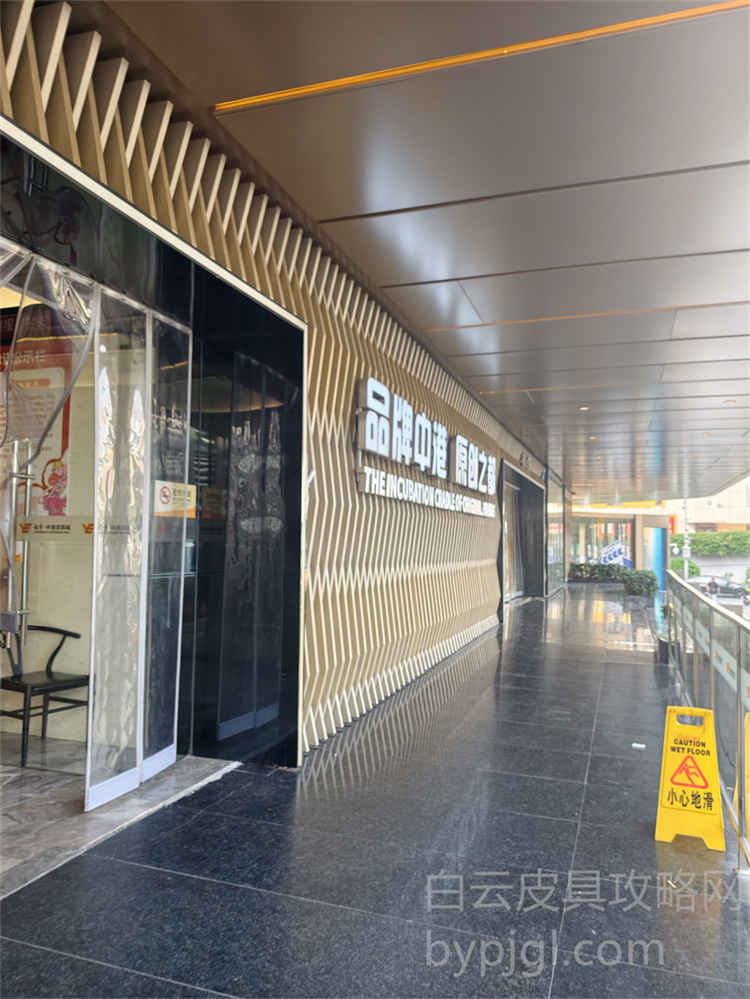
When people talk about "Guangzhou leather," they often imagine a chaotic mess of fake goods. That is a myth. The reality inside the Baiyun Leather City and its surrounding buildings is far more sophisticated. We are not selling cheap junk; we are talking about top-tier production lines where the same artisans who work on international orders handle these pieces. When you walk through the main atrium, you will see buyers from Europe, America, and Southeast Asia haggling just like locals. The energy is electric, but it is also intimidating if you don't know the language of quality.
Navigating the Showrooms: What to Look For Before You Ask
First Impressions Matter More Than You Think
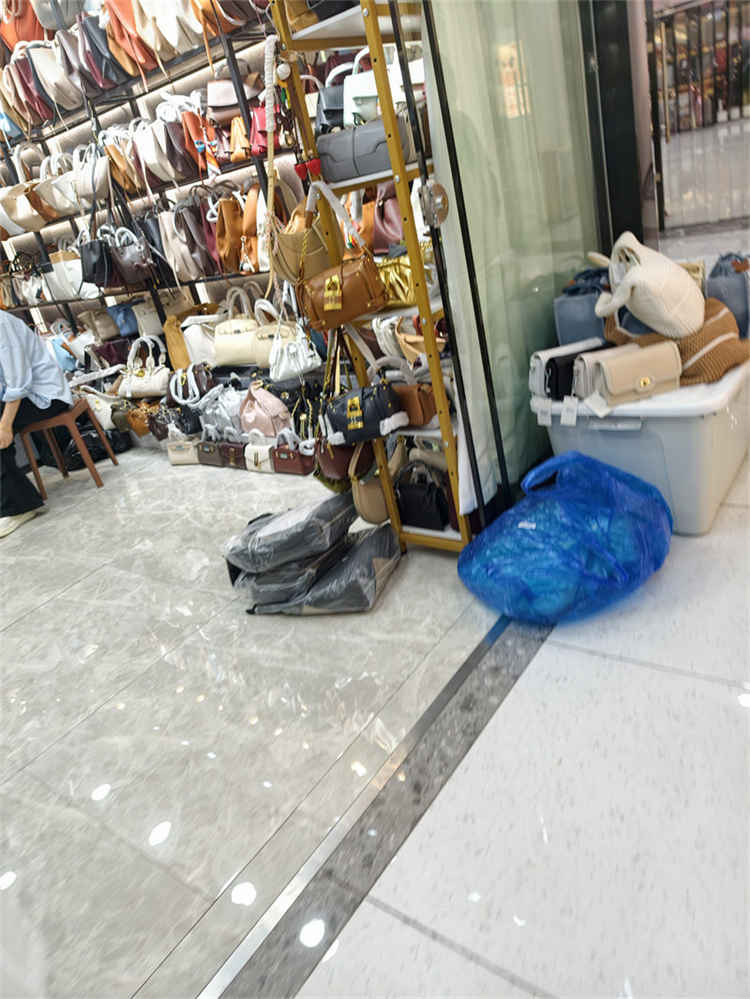
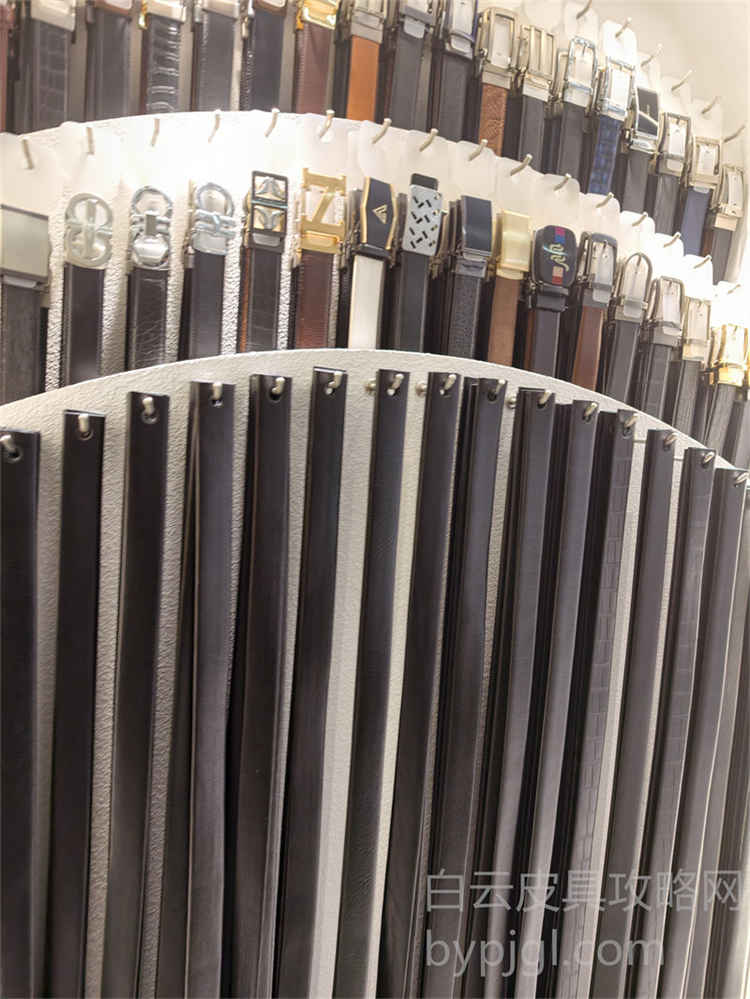
Before you even speak to a salesperson, look at the display. In the older sections of the market, you might find stalls cluttered with low-quality items. But in the newer towers like the World Trade Center or the specific high-end zones within Baiyun, the presentation changes. Notice the lighting. High-grade leather needs warm, direct light to show the grain texture. If the bag looks flat under fluorescent lights, the leather is likely corrected or coated heavily. Also, check the hardware. Does the zipper pull feel heavy? Does the clasp snap shut with a satisfying, solid click? Cheap replicas use hollow, lightweight metal that feels like plastic. Our premium stock uses solid brass or zinc alloy with precise plating.
Reading the Stitching and Structure
This is where most first-time buyers get tripped up. Do not just look at the front of the bag. Turn it around. Look at the stitching angle. In our workshops, machines are calibrated to mimic the slant of hand-stitching found in luxury houses. If the thread is perfectly straight and rigid, it might actually be machine-made without the necessary flexibility. However, if the stitches are slightly angled, consistent in tension, and the thread color matches the leather perfectly without bleeding, that is a sign of a high-standard factory. Pay attention to the edges too. Are they painted smoothly, or do you see rough, uneven layers? Good edge paint takes hours of sanding and polishing by hand.
The Art of Negotiation: How to Talk Like a Pro
Building Trust with the Stall Owner
Walk in with confidence, but keep your guard up. Do not ask for "designer copies" or mention specific brand names. It signals that you are either a tourist or someone looking for the lowest common denominator. Instead, ask about the "grade" of the material. Use terms like "top tier," "original leather," or "same factory source." When I see a serious buyer, I know they understand the supply chain. They ask about the tannery source of the cowhide or calfskin. Mentioning that you have visited other factories in Guangzhou before establishes that you are a repeat client, not a one-off shopper.
Pricing and Volume Expectations
Let's talk numbers. You will hear prices ranging wildly. If a price seems too good to be true, it is. We do not sell $50 bags that claim to be "mirror quality." That is impossible given the cost of genuine leather and labor. For our high-version products, expect to pay a premium that reflects the materials used. However, there is room for negotiation based on volume. If you are buying ten pieces or more, the unit price drops significantly. Never try to buy a single piece at wholesale rates unless you are willing to pay a markup. We respect bulk buyers because they help us move inventory efficiently. Be clear about your target price range early on so we can show you the right tier of product immediately.
Quality Control: The Final Step Before Payment
Inspecting Every Detail
once we agree on a deal, do not rush to pay. This is the most critical moment. Take the bag apart mentally. Check the lining. Is it smooth silk or a cheap polyester blend? Feel the interior pockets. Are the zippers functional and sturdy? Smell the leather. Genuine leather has a distinct, earthy scent. If it smells like chemicals or glue, walk away. Even the dust bags and authenticity cards (if provided) should feel substantial. In our experience, the difference between a standard batch and a premium batch is often in these small details that customers overlook until they receive the item.
Logistics and Shipping Considerations
After inspection, discuss shipping. Many buyers worry about customs, which is valid. We have extensive experience packing goods for international transport. We use neutral packaging to ensure discretion, but we always declare the value accurately according to local laws. For air freight, we recommend using reliable couriers who specialize in leather goods to prevent crushing or damage during transit. Always take photos of the final packed box before it leaves our warehouse. This serves as proof of condition and protects both parties.
Final Thoughts on Building a Sustainable Supply Chain
Guangzhou is not just a place to buy bags; it is a hub of innovation and craftsmanship. The relationships you build here matter more than the transaction itself. Return visits allow you to access new styles before they hit the general market. By focusing on quality, understanding the nuances of leather, and treating our vendors with respect, you will find partners who can deliver exceptional products consistently. Don't settle for less when you know what real quality looks like. Come to Baiyun, walk the floors, touch the leather, and make decisions based on what you see, not what you hope to find.