Why I've Been Sourcing Bags in Guangzhou for Over Two Decades
If you are reading this, chances are you are tired of the endless scrolling on Alibaba or getting burned by suppliers who send photos that look nothing like the real deal. Let me tell you something straight from my shop floor in the heart of Baiyun District: the magic doesn't happen online. It happens when you walk through those heavy metal doors, smell the leather dust, and feel the texture with your own hands. I have been standing behind a counter in Guangzhou since before the internet was even a household word here. I know every corner of the Baiyun Leather City, I know which vendors actually care about their reputation, and I know exactly how to spot a fake hide from ten feet away.
Many overseas buyers think they can just order "high quality" bags via email and get the same product as the top-tier boutiques. That is a myth. The market here is massive, chaotic, and incredibly competitive. If you want to build a legitimate business selling premium goods, you need to understand the ecosystem. You cannot buy what you cannot see. My advice? Stop guessing. Come here. Walk the floors. Talk to the people who make these bags every single day.
Navigating the Labyrinth of Baiyun Leather City
The First Step: Don't Rush Into the Main Hall
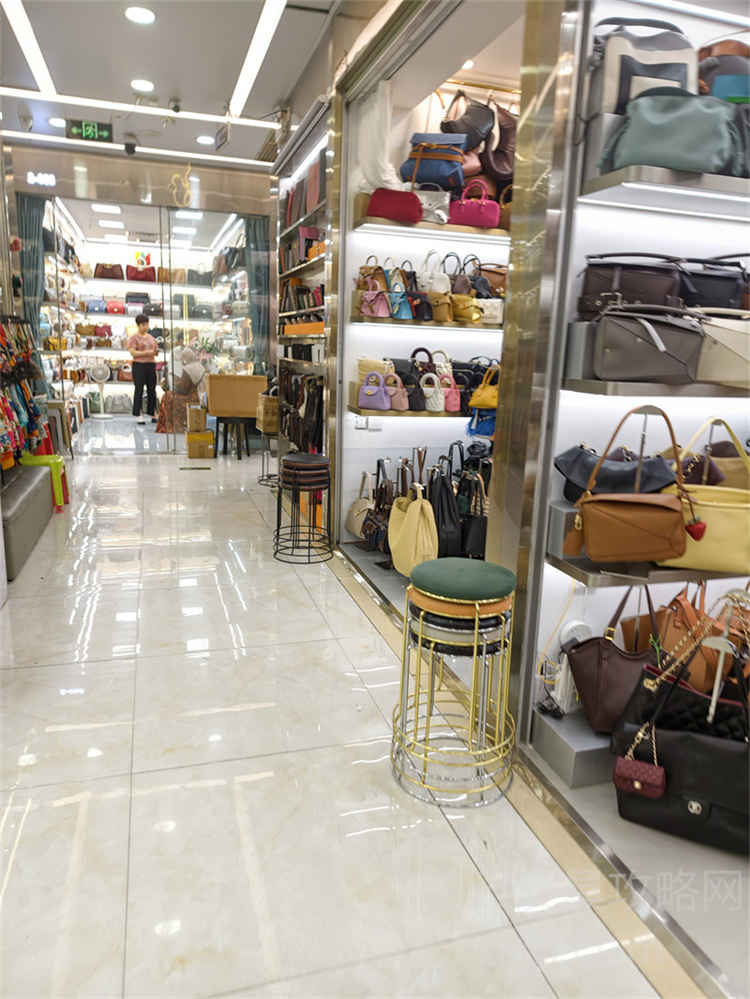
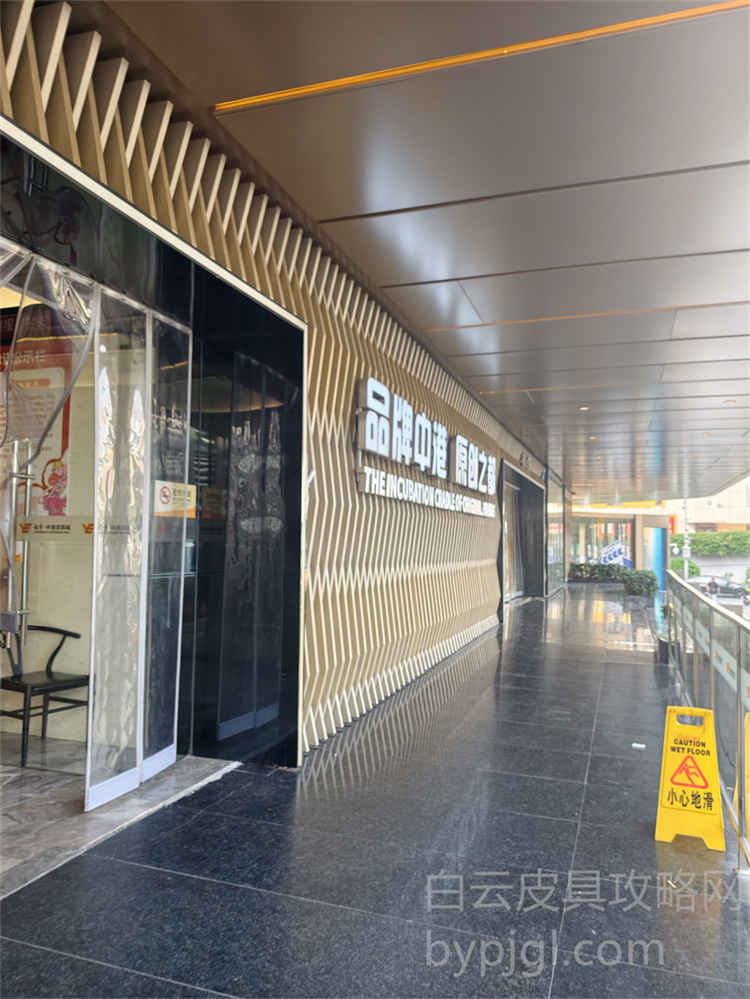
When you first arrive at the Baiyun Leather World, it can be overwhelming. Thousands of stalls, hundreds of styles, and a sea of noise. Most tourists and new buyers make the mistake of rushing into the main atrium where the flashy displays are. Those are often the showrooms designed to catch the eye of casual shoppers or low-end bulk buyers. They might look good, but the margins are razor-thin, and the quality control is inconsistent.
My strategy has always been to head deeper. Go to the upper floors or the side wings where the serious wholesalers operate. These are the places where the real action happens. You will see stacks of boxes, not just polished mannequins. This is where the inventory lives. When you ask a vendor here about their stock, they don't just pull out one sample; they open up their warehouse access. This is the difference between a retail experience and a wholesale sourcing trip.
Finding the Right Stall: Look for the Signs
You need to learn to read the room. A genuine factory-direct stall usually has a different vibe. They aren't screaming at you to buy; they are busy packing orders or discussing materials with other buyers. Look for the signs of stability. Do they have a dedicated team handling logistics? Are they talking about specific leather grades like calfskin or lambskin rather than just generic terms? In Guangzhou, the best suppliers are often the quiet ones. They know their craft too well to waste time on cheap tricks.
Also, pay attention to the layout. Some of the most reputable vendors have moved their operations slightly away from the main thoroughfares to save on rent, focusing purely on B2B relationships. If you are willing to dig a little deeper, you will find these hidden gems. They are the ones who can offer you custom molds and unique hardware options that you won't find in the crowded main halls.
The Art of Selection and Quality Verification
Touch, Smell, and Inspect Everything
This is the part where online shopping fails completely. You cannot judge the weight of a bag, the stiffness of the stitching, or the grain of the leather through a screen. When you are standing in front of a stall, run your hand over the surface. Real leather breathes; synthetic materials feel cold and plastic-like. Check the stitching. Is it even? Are there loose threads? Does the thread match the color perfectly? In our industry, the devil is in the details.
I always tell my international clients to bring a small flashlight. Shine it inside the pockets and along the seams. Poor lighting hides bad workmanship. Look at the lining. Is it smooth? Does it tear easily? The lining is often the first thing to fail on a bag, so if the lining is flimsy, the whole bag is compromised. Never settle for a sample that looks perfect under bright showroom lights but falls apart under scrutiny. Ask to see the raw materials if you are unsure. A confident vendor will show you the leather swatches and the hardware samples without hesitation.
Understanding the Hierarchy of Grades
One of the biggest misconceptions is that there is only one "best" quality. There isn't. There is a spectrum. At the bottom, you have the mass-produced items made with bonded leather and glued hardware. In the middle, you have decent quality using standard cowhide. At the top, you have the boutique-grade items made with full-grain leather, hand-stitched, and fitted with solid brass hardware. As a veteran buyer, I know exactly which tier fits your budget and your brand positioning.
Do not let a vendor confuse you with marketing jargon. They might call something "top grade" when it is actually mid-range. Be specific. Tell them you want full-grain leather with a specific finish. Ask them to explain the difference between their current batch and their premium line. If they hesitate or give vague answers, move on. Trust your gut. If the price seems too good to be true, it almost certainly is. The cost of high-quality materials is non-negotiable.
Building Relationships and Closing the Deal
Talking Business Like a Local
once you have selected your products, the negotiation begins. This is not about haggling over pennies; it is about building a long-term partnership. In Guangzhou, relationships are everything. If you treat the vendor with respect, listen to their advice, and show that you are serious about growing your business, they will go the extra mile for you. They might prioritize your orders during peak season or help you solve a logistics issue quickly.
Don't be afraid to ask questions. Ask about their production lead times, their minimum order quantities, and their return policies. A good supplier will be transparent about their capabilities. If they promise delivery in three days for a complex custom order, they are lying. Get everything in writing. Even if it is just a simple WeChat message confirming the details, having a record is crucial. Clarity prevents disputes later on.
Avoiding Common Pitfalls
There are traps everywhere in this market. One common trick is the bait-and-switch. They show you a perfect sample, take your deposit, and then ship you a lower-quality version because the original was too expensive to produce in bulk. To avoid this, insist on a pre-shipment photo or video inspection. Many of my trusted partners will send you a live video call showing the actual bags being packed before they leave the factory. This gives you peace of mind.
Another pitfall is ignoring the shipping costs. The price of the bag is only half the story. You need to factor in freight forwarding, customs duties, and insurance. Work with a reliable freight forwarder who specializes in shipping from Guangzhou to your country. They can help you consolidate multiple orders from different stalls into one shipment, saving you money and simplifying the paperwork. Never try to handle the logistics yourself unless you have extensive experience with Chinese export regulations.
Final Thoughts on Your Sourcing Journey
Sourcing bags in Guangzhou is an adventure, but it is also a business that requires patience, knowledge, and a keen eye. The city of Baiyun offers unparalleled access to the world's finest leather goods manufacturing. But remember, the opportunity is only for those who are willing to put in the work. Don't rely on screenshots or descriptions. Come down to the ground, touch the leather, talk to the makers, and build your network.
When you do this right, you aren't just buying products; you are securing a supply chain that can grow with your brand. The connections you make here, the trust you build with these local vendors, and the insights you gain from walking the floors will set you apart from every other seller trying to cut corners online. This is the real secret to success in the global bag market. Go out there, explore the markets, and find your next great partner.