Walking the Floors: My Real Talk on Sourcing Bags in Guangzhou
I have been standing behind this counter in Baiyun District for over fifteen years. While the internet tells you everything is online, the truth about sourcing high-quality tail goods in Guangzhou is that it happens on the ground, with your own eyes and hands. You cannot get a real feel for the leather grain or the stitching tension from a blurry photo on a screen. When I say "Guangzhou Baiyun Leather City," I am not talking about some glossy mall; I am talking about the chaotic, loud, and incredibly rewarding maze of corridors where the real business gets done. If you are coming here to find genuine tail stock, you need to know how to navigate this ecosystem without getting burned.
The Myth of the "Perfect" Warehouse
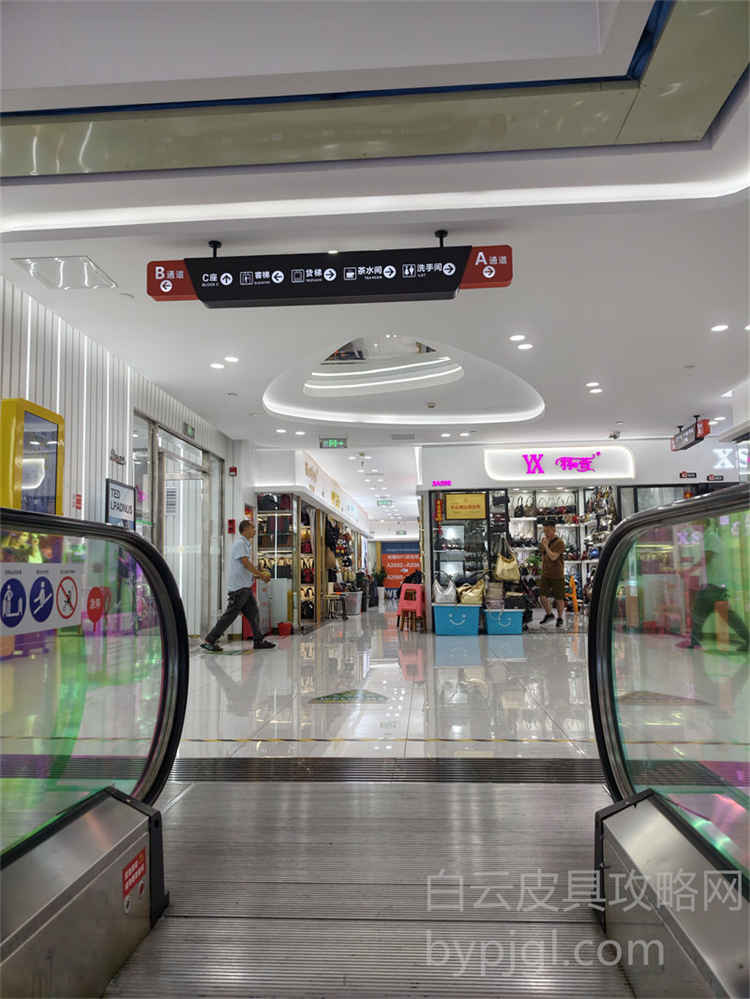
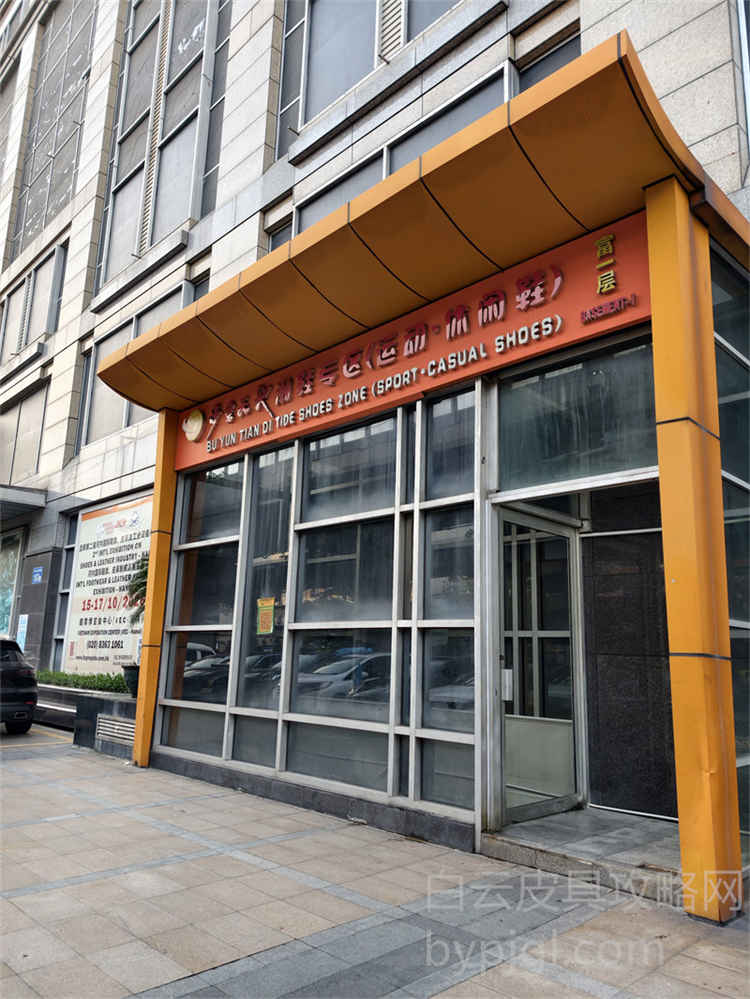
Many overseas buyers arrive expecting a pristine warehouse full of neatly stacked boxes. That is a fantasy. The reality of the tail goods market is messy. We operate out of specific floors in buildings like the Zhongda International Plaza or the surrounding blocks near the main Baiyun hub. These aren't just showrooms; they are active workshops and storage spaces mixed together. When you walk in, you will see piles of bags waiting for inspection, rolls of fabric, and workers sewing right next to the sales counters. This chaos is actually a good sign. It means the supply chain is moving fast. If a shop looks too clean and empty, they are likely just reselling what others have already sold. You want the place that smells like glue and new leather because that means fresh inventory is constantly flowing through.
Navigating the Market Layout and Finding the Right Stalls
Getting lost is part of the experience, but don't let it stop you. The Baiyun area is massive, and the layout changes slightly as new buildings open up every year. My advice is to start at the main entrance of the most established building and work your way down the corridors. Look for stalls that display their goods openly rather than hiding them under velvet curtains. In the tail goods sector, transparency is key. A good stall owner will pull out a bag from the back shelf immediately when you ask for a sample. They won't try to upsell you on a premium line if you specifically asked for clearance stock. Be direct. Tell them exactly what you are looking for: "I need end-of-season stock," or "I need overruns." Use local terms like "tail goods" or "overstock" clearly so they understand you are not looking for custom orders but ready-to-ship inventory.
The Art of Inspection: Touch, Smell, and Stitch
This is where most first-timers fail. You must inspect every single bag before you commit to buying even one. In my shop, we encourage customers to handle the product. Feel the weight of the zipper. Pull on the handles to test the reinforcement stitching. Check the lining for loose threads or stains. Tail goods can sometimes have minor imperfections, which is why they are priced lower, but you need to distinguish between a cosmetic flaw and a structural defect. For example, a small scratch on the bottom is fine, but a loose seam on the strap is a dealbreaker. Also, smell the leather. Cheap synthetic materials have a distinct chemical odor that lingers, while genuine or high-grade PU has a subtle, earthy scent. Do not be shy about asking to see the inside pockets or the hardware engravings. If the seller hesitates, move to the next stall.
Negotiating and Building Relationships
Pricing in Guangzhou is never fixed, especially for tail goods. The initial quote you hear is often a starting point, not the final price. However, do not expect to negotiate like you are buying street clothes. We are dealing with wholesale quantities. Start by asking for the best price for a mixed batch. If you are buying fifty units, you have leverage. If you are buying five, you might get a higher unit price. The trick is to build a rapport. Chat with the owner. Ask about their history in the industry. When they see you are serious and knowledgeable, they are more willing to offer you the "friend price." Never rush the negotiation. Sit down, drink tea, and discuss the details. once you establish trust, they will call you when new batches arrive before they even list them online.
Avoiding Common Pitfalls and Scams
The biggest risk in this market is the middleman pretending to be a factory owner. There are many agents who claim to have exclusive access to Baiyun stock but are actually just reselling from other shops. To avoid this, insist on seeing the actual stock in the room. Ask to see the shipping documents or the original packing slips if available. Another common trap is the "quality upgrade" scam. A seller might show you a perfect sample and then send you inferior goods later. Always agree on a sample fee that is refundable upon bulk order, and ensure the bulk order matches the sample exactly. Stick to the payment methods that offer buyer protection until you have built a long-term relationship. Never transfer money directly via wire without a contract or a verified platform guarantee.
Logistics and Shipping Your Goods Home
once you have selected your bags, the next challenge is getting them out of China. Most stalls in Baiyun have relationships with freight forwarders who specialize in international shipping. They can handle customs declaration and consolidation for you. Do not try to ship individual packages yourself unless you are experienced with Chinese customs regulations. Work with the forwarder recommended by your supplier. They know how to classify the goods correctly to minimize duties. Ask about the transit time and insurance options. For heavy items like leather bags, air freight is expensive, so sea freight is often the better choice for large volumes. Ensure your packaging is secure enough to withstand the journey, as damaged goods during transit can lead to disputes.
Final Thoughts on the Ground Game
Sourcing tail goods in Guangzhou is an adventure that requires patience, observation, and a bit of street smarts. The digital world makes it easy to think you can buy everything from your laptop, but the nuances of quality control and pricing are best understood face-to-face. By walking the floors of Baiyun, touching the materials, and talking directly to the people who make these products, you gain an edge that no online marketplace can offer. Remember, the goal is not just to find cheap bags, but to find reliable partners who can grow with your business. Take your time, trust your instincts, and enjoy the process of discovering the hidden gems in the heart of the global leather trade.