Why You Need to Skip the Websites and Go to Guangzhou Yourself
Listen, I have been standing in the same spot in the Baiyun Leather City for over fifteen years. I see thousands of people every single day trying to find "China Guangzhou stall bag source websites" on Google. They think they can just click a link, pay a deposit, and have a warehouse full of high-quality goods shipped to their doorstep without ever seeing the product. Let me tell you something straight from my shop floor: that is a trap. The websites you find online are mostly just pictures taken by marketing guys who don't even know what leather feels like. They show you a perfect image, but when the box arrives, the stitching is off, the smell is chemical, and the hardware is cheap plastic. If you want real business, you need to come here. You need to walk these dusty corridors, touch the materials, and talk to the people who actually make these bags.
The Reality of online Listings vs. Physical Shops
When you search for sources online, you get flooded with generic listings. These sites often use stock photos or images stolen from other sellers. In my experience, the best suppliers never list their entire inventory on a public website because they sell out fast, and they don't want competitors copying their styles immediately. The real action happens offline. When you walk into the Baiyun market, you will see rows of shops with no fancy websites at all. Their power lies in their physical presence. They show you the actual sample on the counter. You can open the zipper, feel the lining, check the weight of the metal clasp, and smell the leather. That level of detail is impossible to replicate through a screen. If you rely solely on a website, you are gambling with your money. If you come here, you are building a relationship.
Navigating the Baiyun Leather City Labyrinth
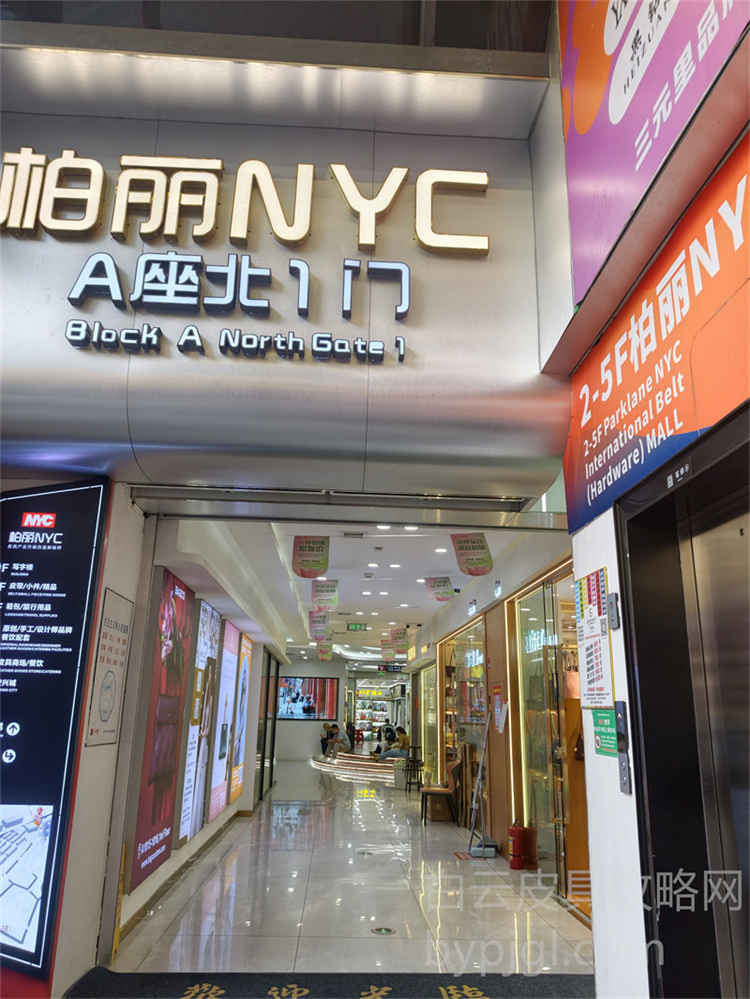
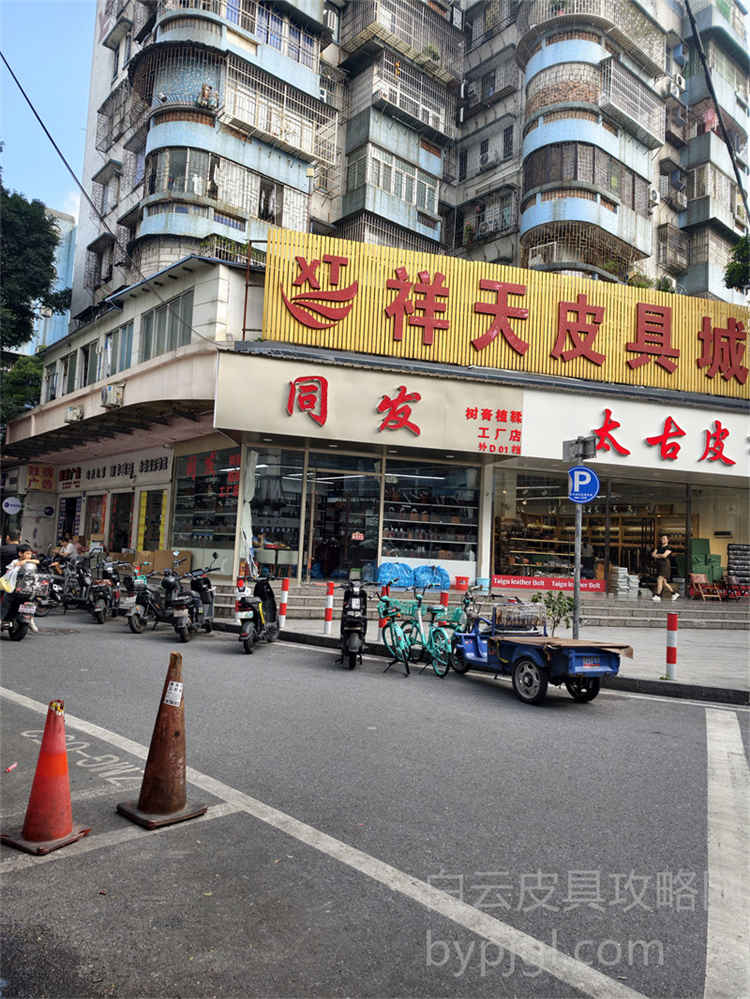
Getting to the Baiyun Leather City is only half the battle. once you step inside, it looks like a maze. There are so many buildings, each with its own vibe and price point. I remember when I first started, I got lost for hours. Now, I know exactly which building has the highest quality cowhide and which one is better for synthetic blends. The key is to understand the layout. The older buildings often house the more traditional factories with deep connections to local tanneries. The newer towers might have flashier displays but sometimes less control over the supply chain. Don't rush. Spend at least three days just walking around. Talk to the security guards, ask the delivery drivers where the good stuff is hidden. They know more than any website ever could.
Finding the Right Stall and Building Trust
once you find a stall that looks promising, do not just ask for the price. That is the first mistake most foreign buyers make. Instead, ask about the material composition. Ask them how long they have been making this specific style. A genuine owner will be happy to talk about their craft. They will tell you if the leather is imported from Italy or sourced locally. They will explain the difference between top-grain and corrected grain. If they hesitate or give you vague answers, walk away. Trust is everything in this business. When you build a rapport with a stall owner, they start treating you like a partner. They might let you hold back stock for a few days while you decide, or they might offer you a better price on your second order. This kind of flexibility does not exist on a static website.
The Art of Sampling and Quality Control
Before you commit to a bulk order, you must take samples. This is non-negotiable. In my shop, we always encourage buyers to buy one piece first. Yes, it costs more per unit, but it saves you from losing thousands later. When you inspect the sample, look at the stitching. Are the stitches even? Is there any loose thread? Check the alignment of the pattern. Does the logo sit perfectly straight? Open the bag and look inside. Is the lining smooth or wrinkled? Does the zipper glide easily or stick? These details separate a premium product from a cheap knockoff. Many online sellers will send you a photo of a perfect bag, but the reality is different. By coming here, you can demand to see the production line. You can watch them sew the bag right in front of you. This transparency gives you peace of mind that no website screenshot can provide.
Verifying Materials and Hardware
One of the biggest scams I see involves fake leather claims. Sellers might say it is genuine cowhide, but it is actually PU or a low-grade blend. Here in Guangzhou, we have access to real tanneries. When you are at the stall, bring a small knife or a lighter (carefully) to test the leather. Real leather smells distinct and leaves a mark when burned; synthetic materials melt and smell like burning plastic. Also, check the hardware. Cheap zinc alloy turns black quickly. High-quality brass or stainless steel holds up. Ask the seller to show you the raw materials they keep in the back. If they refuse, that is a red flag. We pride ourselves on using durable materials because our reputation depends on repeat customers, not one-time sales.
Negotiating Prices and Logistics
Price negotiation is an art form here. The prices listed on websites are usually fixed and inflated to cover shipping risks. In the market, the price is fluid. It depends on your order volume, your relationship with the seller, and the current cost of raw materials. Start by asking for the wholesale price, not the retail price. Be polite but firm. Show them you know the market value. If they quote too high, mention that you are visiting other stalls and comparing options. Most owners will lower their price to keep your business. However, do not push for a price that is too low. If it seems too good to be true, it probably is. You will end up with poor quality goods that ruin your brand image.
Shipping and Customs Considerations
once you agree on the deal, the next step is logistics. Do not trust the shipping agents recommended by random websites. Work with the freight forwarders that your stall owner knows well. They have established relationships with carriers and can handle customs clearance much better. Ask about the packaging. Will the bags be protected during transit? Will they arrive in good condition? For international buyers, understanding Incoterms is crucial. Make sure you know who pays for insurance and who handles the customs duties. A reliable supplier in Guangzhou will help you navigate these complexities. They know the latest regulations and can advise you on how to declare the goods correctly to avoid delays at your local port.
Final Thoughts on Sourcing Locally
Searching for "Guangzhou Baiyun leather city source websites" is a starting point, but it is not the destination. The true value of sourcing in Guangzhou lies in the human connection, the tactile experience, and the ability to verify quality firsthand. The market is dynamic, changing every season with new trends and styles. only by being on the ground can you stay ahead of the curve. My advice to you is simple: pack your bags, come to Baiyun, and spend time in the stalls. Talk to us, the old shop owners who have seen it all. We are here to help you build a successful business, not just make a quick sale. The road to success in the leather industry starts with a handshake, not a mouse click.