Stepping Into the Heart of Guangzhou Leather: A Veteran's Guide to Sourcing
Welcome to the real deal. I've been standing behind my counter in the Baiyun district for over two decades, watching the tide of buyers come and go. You might have heard rumors about "high-end" bags from this city, but let me tell you something straight from the horse's mouth: the magic isn't in a website or a catalog; it's in the dust, the noise, and the sheer volume of leather piled up on our floors. If you are an overseas buyer looking to source premium goods without getting lost in the maze of online scams, you need to leave your laptop at home and walk into the market yourself. This is not about buying fake luxury items; it is about sourcing high-quality craftsmanship that rivals anything you see in department stores, often with better materials and more attention to detail.
Navigating the Baiyun District: Where the Real Action Happens
The First Step: Leaving the Hotel and Finding the Gate
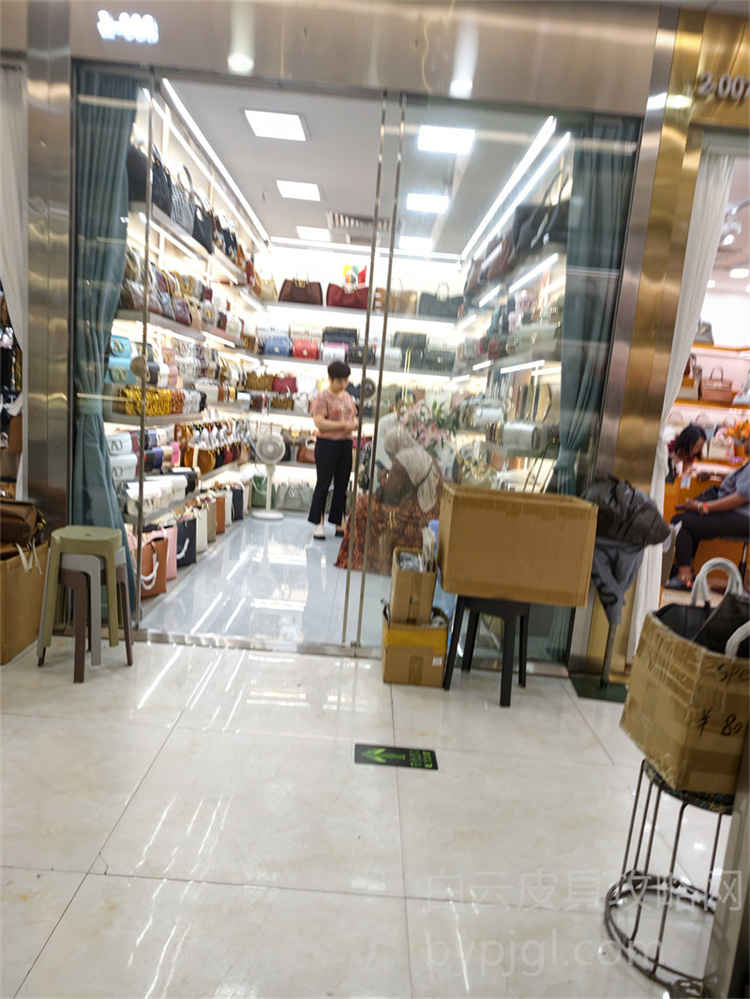
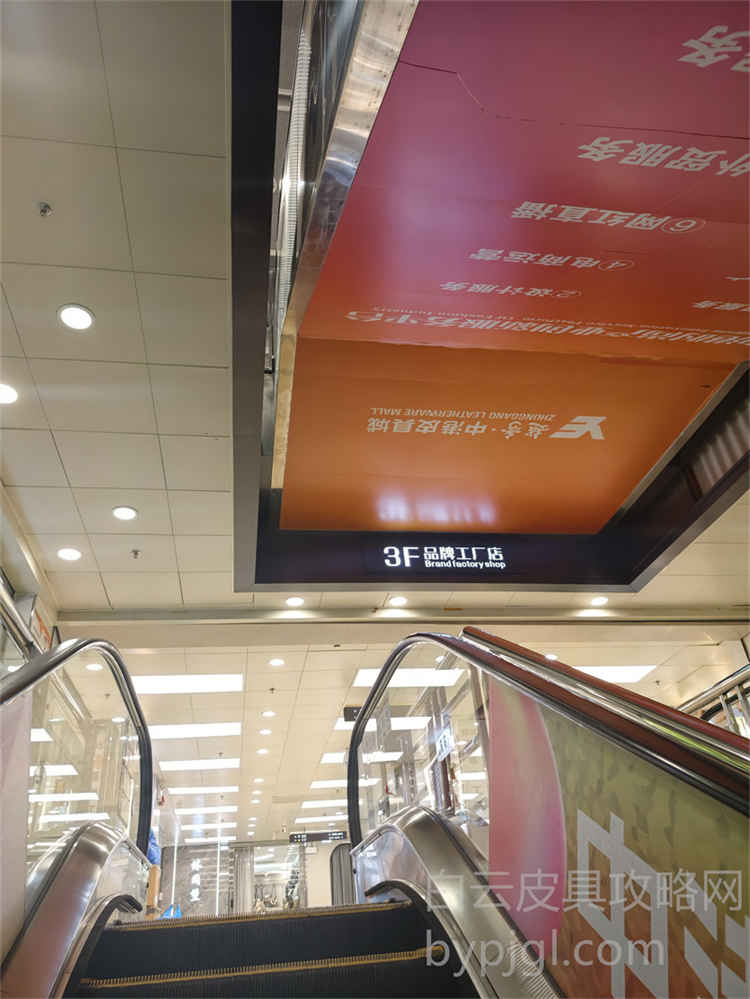
When you first arrive in Guangzhou, do not trust the taxi drivers who promise you a "special factory tour." They will take you to cheap stalls selling low-grade PU leather that smells like chemicals. The real game is played in the Baiyun Leather City complex. There are several buildings here, each with its own vibe. Some focus on mass production, while others, like the ones near the main entrance, cater to buyers who want top-tier quality. When you step inside, ignore the flashy displays in the front. Walk past them. The best deals are usually tucked away in the back corridors where the air is thick with the scent of new leather and glue.
Understanding the Layout: It's Not Just One Building
You cannot just pick one building and call it a day. The Baiyun area is a sprawling ecosystem. Some shops specialize in hardware, others in stitching, and some in full assembly. As a local owner, I can tell you that the most successful buyers spend their first day just walking. Look at the texture of the leather on the shelves. Feel the weight of the zippers. Notice how the lining is finished. If you rush, you will miss the subtle differences between a Grade A piece and a Grade B piece. Take your time. Talk to the security guards at the gates; they know which shops have the newest stock arriving that morning.
The Art of Selection: How to Spot Quality Before You Buy
Touch and Smell: The Unbeatable Tests
In the digital age, people rely too much on photos. But a photo cannot tell you if the leather is soft or stiff, nor can it show you the smell of genuine cowhide versus synthetic plastic. When you approach a stall, ask to touch the bag. Run your fingers along the edges. Good craftsmanship means tight, even stitching with no loose threads. The leather should feel supple, not rigid. If it smells like strong chemical solvents, put it down immediately. We use high-quality tanning processes here, so the smell should be earthy and natural, not pungent. Trust your nose as much as your eyes.
Hardware and Stitching: The Details That Matter
This is where many buyers get fooled. A bag can look perfect from the outside, but if the zipper sticks or the metal plating chips after a week, you have wasted your money. In my shop, we insist on using solid brass or zinc alloy hardware with PVD coating that resists rust. Ask to open and close the zippers repeatedly. Listen to the sound; a smooth, quiet glide indicates quality. Check the stitching density. High-end production usually features 6 to 8 stitches per inch. If you see wide gaps or uneven tension, move on. We don't sell those products because they damage our reputation.
Building Relationships: Negotiating and Securing Your Order
Talking Like a Partner, Not a Tourist
Walk into a stall with confidence. Do not act like a tourist asking for a discount. Speak directly to the person managing the inventory. Ask questions about the material origin, the production timeline, and the minimum order quantity. If you are a serious buyer, mention that you plan to return for repeat orders. Local owners respect long-term business relationships far more than a one-time cash grab. We are not in the business of tricking customers; we are in the business of building supply chains. Be honest about your target price, but understand that quality costs money. If someone offers you "top quality" at rock-bottom prices, they are lying.
The Inspection Process: Never Skip the Final Check
Before you hand over the final payment, you must inspect the goods. This is non-negotiable. Pull out a magnifying glass if you have to. Check every corner, every seam, and every logo placement. Ensure there are no glue stains or color mismatches. In Baiyun, we encourage buyers to bring their own inspectors or hire third-party verification services if they are unsure. We stand by our work, but we also expect our partners to be diligent. If you find a flaw, point it out immediately. We will fix it or replace it. This transparency builds trust and ensures you walk away with exactly what you paid for.
Avoiding Pitfalls: What Every Overseas Buyer Must Know
Don't Fall for the "Factory Direct" Myth
There is a common misconception that going to the "factory" directly is always cheaper. While true for massive bulk orders, for smaller batches, the wholesale markets in Baiyun offer better variety and flexibility. Many so-called factories are actually middlemen renting space in the market. By dealing directly with the stall owners in Baiyun, you cut out unnecessary layers. However, beware of anyone claiming to be a "secret factory" off-site. Stick to the established buildings where you can verify their license and physical presence.
Logistics and Shipping: Plan Ahead
once you have selected your goods, the next challenge is getting them home. Do not wait until the last minute to arrange shipping. Guangzhou has excellent logistics networks, but customs regulations vary by country. Work with a freight forwarder who specializes in leather goods. They can help you classify your items correctly to avoid unnecessary taxes or seizures. Also, consider packaging. Our stalls can provide reinforced boxes to prevent crushing during transit, but you should request extra padding for delicate hardware. Planning your logistics early ensures a smooth journey from the bustling streets of Baiyun to your doorstep abroad.