Why the Real Goods Are Still in Guangzhou
I have been standing behind my counter in the Baiyun District for over fifteen years. While everyone is talking about online sourcing and "China leather goods supply websites," I still see thousands of buyers walking through those heavy metal doors every single day. Let me tell you something straight: if you think you can find the real deal just by scrolling through a screen, you are missing half the story. The internet is great for checking prices, but it cannot replace the smell of fresh leather, the texture under your fingertips, or the look in a supplier's eyes when they know you are serious.
The so-called "Guangzhou leather bag source website" is often just a digital brochure. It shows you pretty pictures, but it hides the reality of the factory floor. When you come here physically, you are not just buying a product; you are building a relationship with the people who make it. That connection is what separates a good business from a bad one. You need to see the stitching up close, feel the weight of the hardware, and ask questions that only someone who has worked with this material for decades can answer.
Navigating the Baiyun Leather City Maze
First Steps Inside the Market
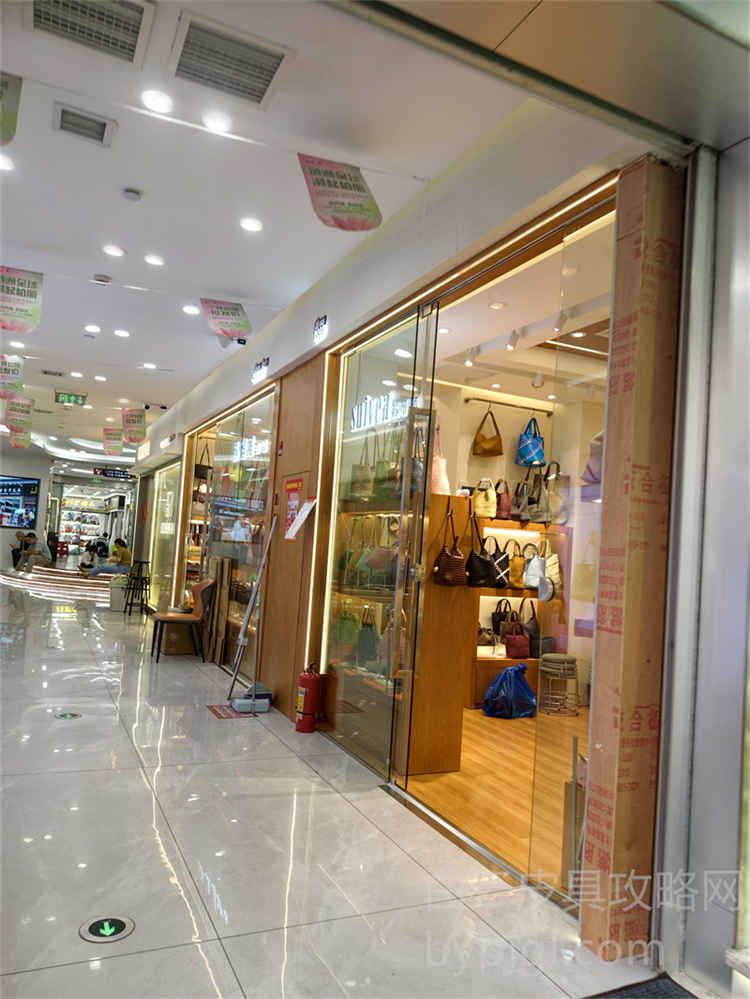
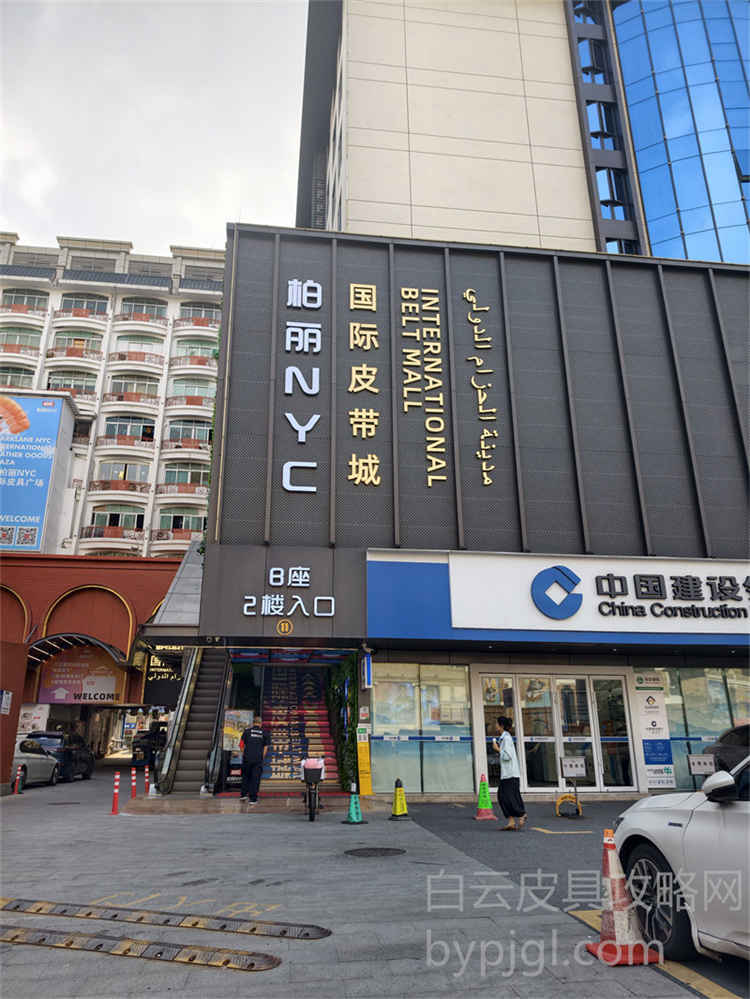
When you first step into the main complex, do not get overwhelmed by the sheer number of shops. There are dozens of buildings, each with its own vibe. Some areas focus on high-end materials, while others are more budget-friendly. My advice is to start at the entrance and walk slowly. Look at the displays. Notice which stalls have customers actually trying things on, not just staring at phones. Those are the active ones.
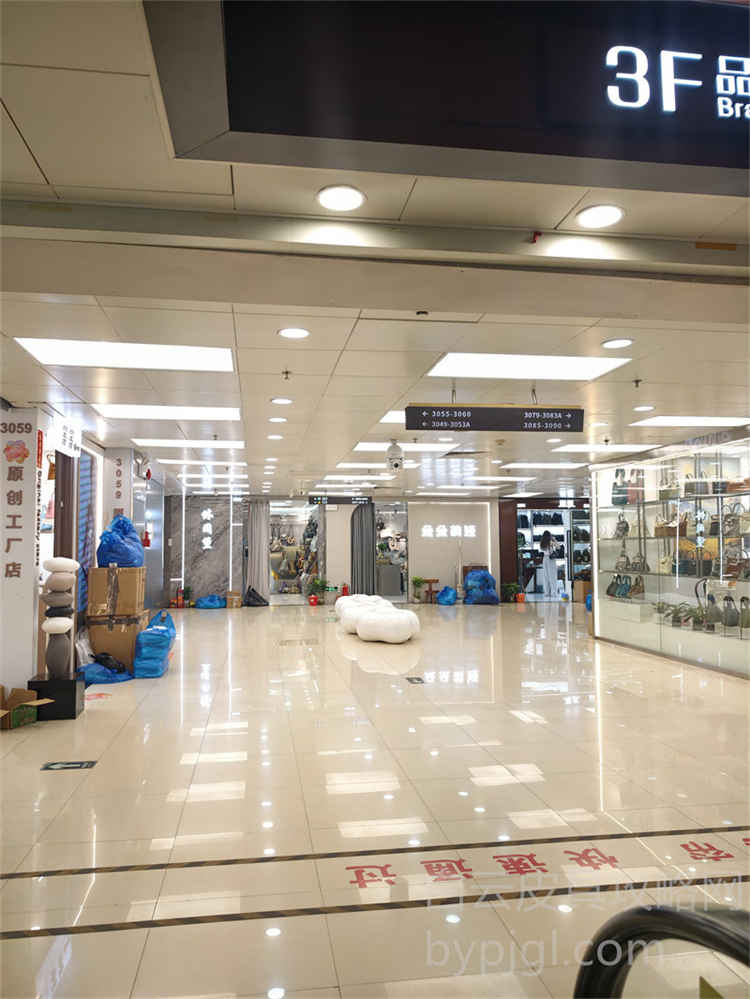
Do not rush to the front desk. Most of the real action happens in the back rooms or on the upper floors where the showrooms are less flashy but the stock is deeper. If you are looking for specific styles, ask the security guard or the shop assistants on the ground floor where the best suppliers are located. They know the layout better than any map app. once you find a stall that looks promising, sit down. Do not stand there like a tourist. Treat it like a meeting.
Reading the Room and the Stock
Every booth tells a story. If a shop is cluttered with boxes everywhere, it means they move fast. If the shelves are empty but the manager is busy on the phone, they might be working on custom orders. I always look for the "sample room." This is where the magic happens. Ask to see the latest batch. Sometimes the items on display are old models, but the new production line is running right now. A good supplier will never hide their newest work from a serious buyer.
Pay attention to the materials. In Guangzhou, we use everything from top-tier cowhide to synthetic blends. Do not let anyone call it "fake" or "copy." We talk about quality grades and material specifications. If you want full-grain leather, ask for it specifically. If you want a specific finish, describe it. The local vendors speak this language fluently. They know exactly how to match your request with their current inventory.
The Art of Inspection and Negotiation
Checking Every Stitch and Seam
This is where most overseas buyers fail. They rely on photos sent via WhatsApp or WeChat. Photos lie. Lighting changes everything. When you are here, bring a magnifying glass if you have to. Check the stitching density. Count the stitches per inch. Look at the edges. Are they painted neatly? Is the glue visible? These details separate a $50 bag from a $500 bag, even if they look similar from a distance.
Open the zippers. Feel the lining. Smell the inside. Good leather has a distinct scent that cheap synthetics cannot mimic. Test the hardware. Does it scratch easily? Does the clasp snap shut firmly? I have seen too many buyers order a thousand units only to find out the zippers break after two weeks. Do not skip this step. Spend ten minutes on one bag to save yourself from a disaster later. If the supplier gets impatient, walk away. A good partner wants you to be thorough.
Talking Numbers and Terms
once you are happy with the sample, we talk business. Do not be afraid to negotiate. In Baiyun, the price is rarely fixed. It depends on volume, payment terms, and shipping arrangements. Start by asking for the wholesale price, not the retail price. Explain your target market and your expected order size. If you are ordering fifty pieces, you get one rate. If you are ordering five hundred, you get another.
Be clear about your requirements. Do you need custom tags? Specific packaging? Color variations? Write it all down. Do not rely on memory. After the discussion, send a summary message confirming everything we agreed upon. This prevents misunderstandings later. Also, discuss the lead time honestly. Rushing an order often leads to poor quality. Give them enough time to produce what you need correctly.
Avoiding Pitfalls and Building Trust
Red Flags to Watch For
There are always scams, even in a legitimate market. If a seller refuses to meet in person and insists on sending money before you see anything, run. If the price seems too good to be true, it usually is. High-quality leather and skilled labor cost money. No one sells premium goods at rock-bottom prices. Be wary of sellers who promise "designer quality" without showing you the actual materials.
Another red flag is the lack of transparency. If they cannot show you the factory or the workshop, ask why. We are proud of our work here. Most reputable suppliers will happily show you around. If they are evasive, they might be hiding something about their production process or their ability to fulfill large orders.
The Long Game
Building a supply chain is not a one-time transaction. It is a long-term partnership. Visit us regularly. Bring feedback. Tell us what your customers like and what they complain about. The more you communicate, the better we can serve you. Over the years, I have seen many buyers come and go, but the ones who stay are the ones who treat us like partners, not just vendors.
So, if you are planning your next trip, skip the generic online search results. Come to Guangzhou. Walk the halls of Baiyun Leather City. Touch the leather. Talk to the people who make these bags. That is where you will find the real value, the real quality, and the real opportunity for your business. The internet is a tool, but the hands-on experience is the key to success in this industry.