Why You Need to Be Here in Guangzhou
Listen, I have been standing behind this counter for over twenty years. The air here smells like leather dust and strong coffee, and the noise never really stops. People ask me all the time where they can find specific items online or through agents, but let me tell you something straight from my heart: if you want the real deal, you cannot do it sitting on your couch in another country. You have to come here. Specifically, you need to be walking the floors of the Baiyun Leather City area. This is not just a market; it is an ecosystem that has been feeding the global demand for high-end goods since before most of you were even born.
Many foreigners think they can just walk into a shop and buy what they want. That is a myth. If you show up without knowing how the system works, you will get quoted prices that are three times higher than what a local buyer pays. They see your face, see you are new, and they try to milk you dry. But if you know the ropes, if you speak the language of the trade, you can find quality that rivals anything you have seen anywhere else in the world. It is about relationships, patience, and knowing exactly which door to knock on.
Navigating the Real Market Hubs
The Heart of the Operation at Baiyun
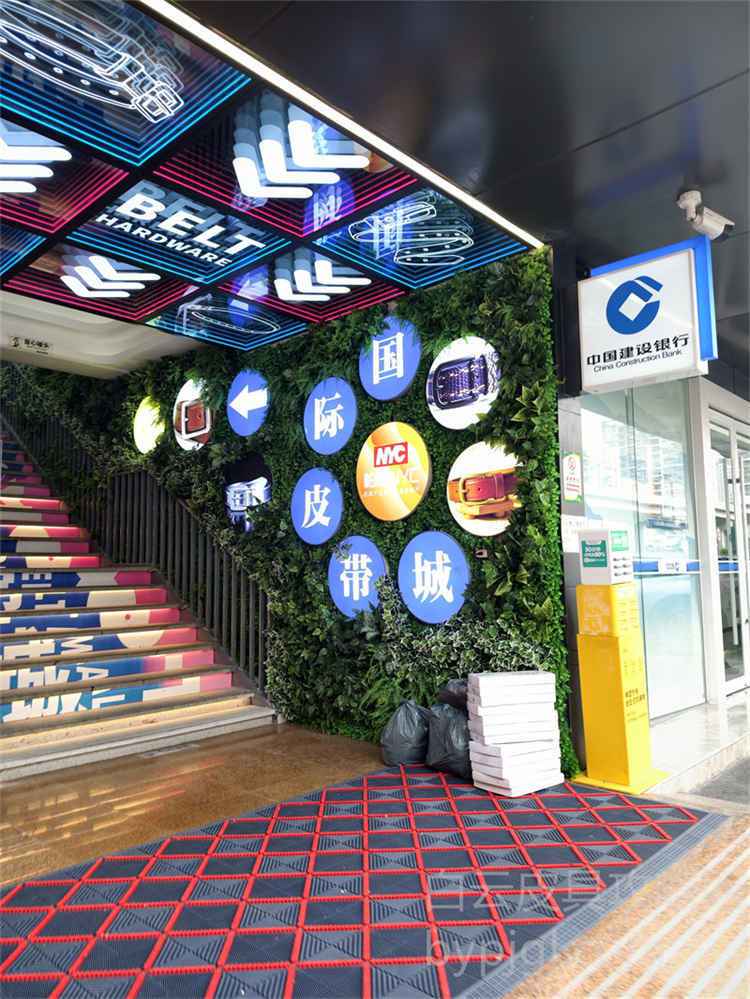
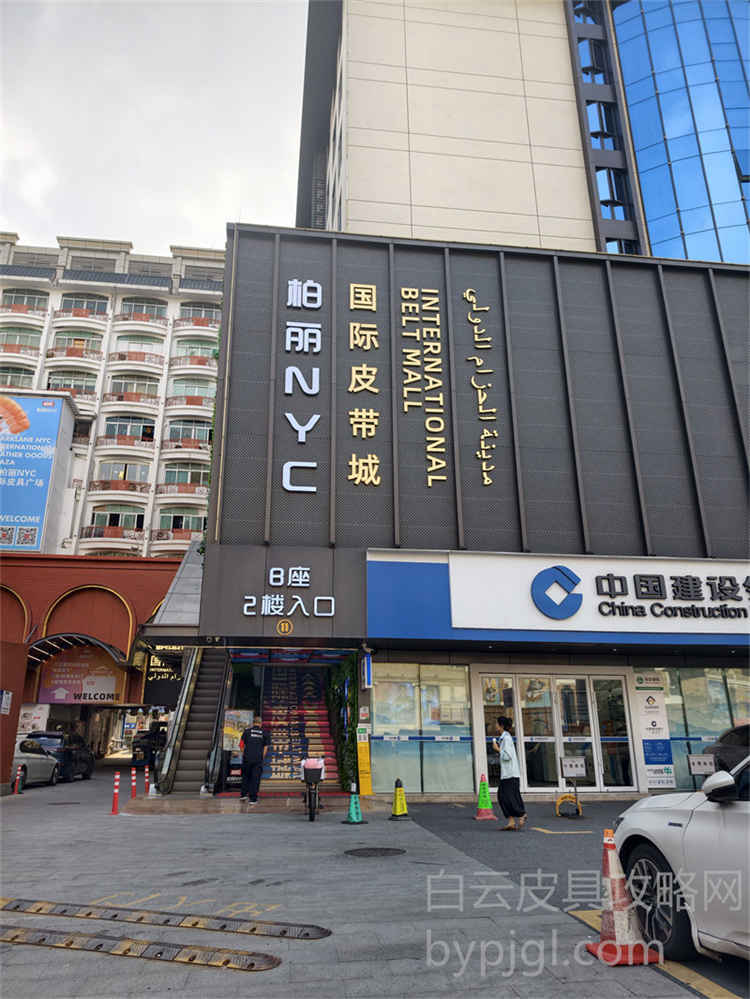
When people talk about sourcing here, they always mention the Baiyun Leather City. There are actually several buildings there, and they are not all the same. Some are more touristy, some are strictly wholesale, and some are hidden gems known only to those who have been coming here for a decade. My advice? Do not waste your time on the ground floor of the main building where the tourists hang out. Go straight to the upper floors. That is where the serious business happens.
You will see rows upon rows of stalls. Each one looks similar from the outside, but inside, the quality varies wildly. Some stalls sell mass-produced junk, while others hold the absolute best craftsmanship in the city. The key is to look at the stitching, the smell of the leather, and the hardware weight. A good stall owner will not rush you. They will let you touch the material, feel the grain, and inspect the lining. If they push you to pay immediately without letting you check the details, walk away. That is a red flag.
Beyond the Main Building
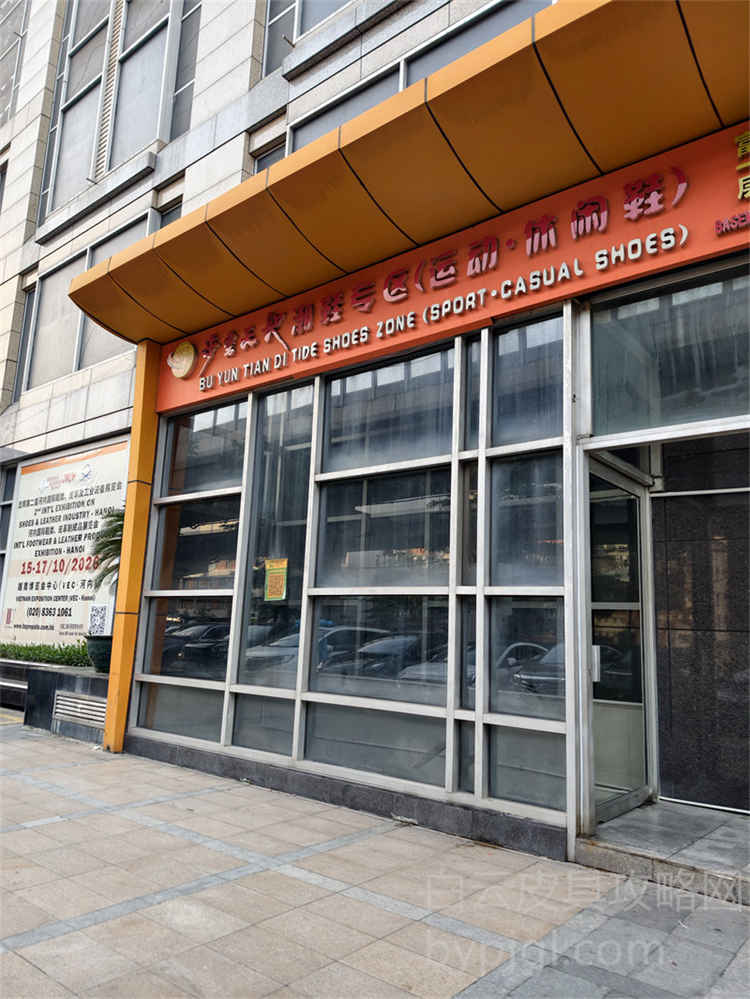
once you have exhausted the options in the main complex, you need to explore the surrounding areas. There are smaller markets nearby, often tucked away in alleyways or older buildings. These places are less polished, but sometimes they hold the most exclusive pieces. The owners here are often the ones who supply the big stalls in Baiyun. They might not have fancy displays, but their products are top-tier. Finding these spots requires asking around. Talk to the security guards, talk to the delivery drivers, or just strike up a conversation with other buyers. Word of mouth is the most powerful tool you have here.
The Art of Selection and Inspection
What to Look For Before You Buy
When you are standing in front of a bag, do not just look at the logo. Everyone knows that. Instead, focus on the small things. Check the alignment of the pattern. Does the stripe match perfectly across the seams? Is the stitching consistent in length and tension? Look at the edges. Are they painted smoothly, or is there glue bleeding out? The hardware should feel heavy, not light and hollow. When you open the zipper, does it glide smoothly or does it stick?
I have seen buyers get fooled by photos that look perfect on a screen. In person, the lighting changes everything. A bag might look great under bright LED lights but reveal flaws when you take it outside in natural sunlight. Always ask to see the item in different lighting conditions. Also, check the interior. Is the fabric tight? Are the pockets functional? A truly high-quality piece will have attention paid to the inside as much as the outside.
Building Trust with the Vendor
This is where the magic happens. You cannot just be a customer; you need to be a partner. Start by asking questions. Ask about the leather source, ask about the production process. Show that you know something about the craft. When a vendor sees you are knowledgeable, they treat you differently. They stop trying to upsell you on cheap items and start showing you their premium stock. Build a rapport. Smile, be polite, but firm on your standards. If you find a stall that consistently delivers quality, make sure to note down the name and location. These are your future suppliers.
Dealing with Logistics and Avoiding Scams
Shipping and Customs Considerations
once you have selected your items, the next challenge is getting them home. Most vendors here are used to shipping internationally, but you need to be clear about your requirements. Do not assume they know your country's customs laws. Discuss the packaging carefully. Sometimes, vendors will use plain boxes to avoid suspicion, but you need to ensure the items are protected well enough during transit. Ask about tracking numbers and insurance. Never pay the full amount upfront unless you have established a long-term relationship. A deposit is standard, but the balance should be paid after you verify the goods.
Red Flags to Watch Out For
There are many scams in this industry, unfortunately. One common trick is the bait and switch. They show you a beautiful sample, you pay for it, and then they send you a completely different, lower-quality item. To avoid this, insist on seeing the exact item you are paying for before you transfer the money. Take photos and videos of the serial numbers, the tags, and every angle of the product. Another trap is the "rush order" fee. If someone claims they can make a custom order overnight, they are likely lying. Good craftsmanship takes time. If the price seems too good to be true, it almost certainly is. Stick to the mid-to-high range pricing for the best quality.
Final Thoughts from an Old Shopkeeper
Coming to Guangzhou to source these goods is an adventure. It is messy, loud, and sometimes overwhelming, but it is also incredibly rewarding. You get to see the entire process from raw material to finished product. You build connections that last for years. If you approach this with respect, curiosity, and a sharp eye, you will leave with items that are far superior to anything you could find elsewhere. Remember, the best deals are not found in the flashiest stores, but in the quiet corners of the market where the real work gets done. Come prepared, stay alert, and enjoy the experience. This is where the world comes to find the best.