Walking the Floors: A Veteran's Guide to Sourcing in Guangzhou
I have been standing behind this counter in Tianhe for over fifteen years. While many people think of Guangzhou as just a factory hub, the real magic happens when you step off the subway and into the bustling corridors of our leather markets. If you are an overseas buyer looking to source high-end goods without getting scammed, you need to understand that this isn't a shopping mall experience. It is a battlefield of negotiation, inspection, and relationship building. I see too many tourists walk in expecting to find "designer bags" on a shelf with a price tag. That simply does not exist here. What you will find is a complex ecosystem of craftsmanship where quality varies wildly depending on who you talk to.
The Reality of the Market Floor
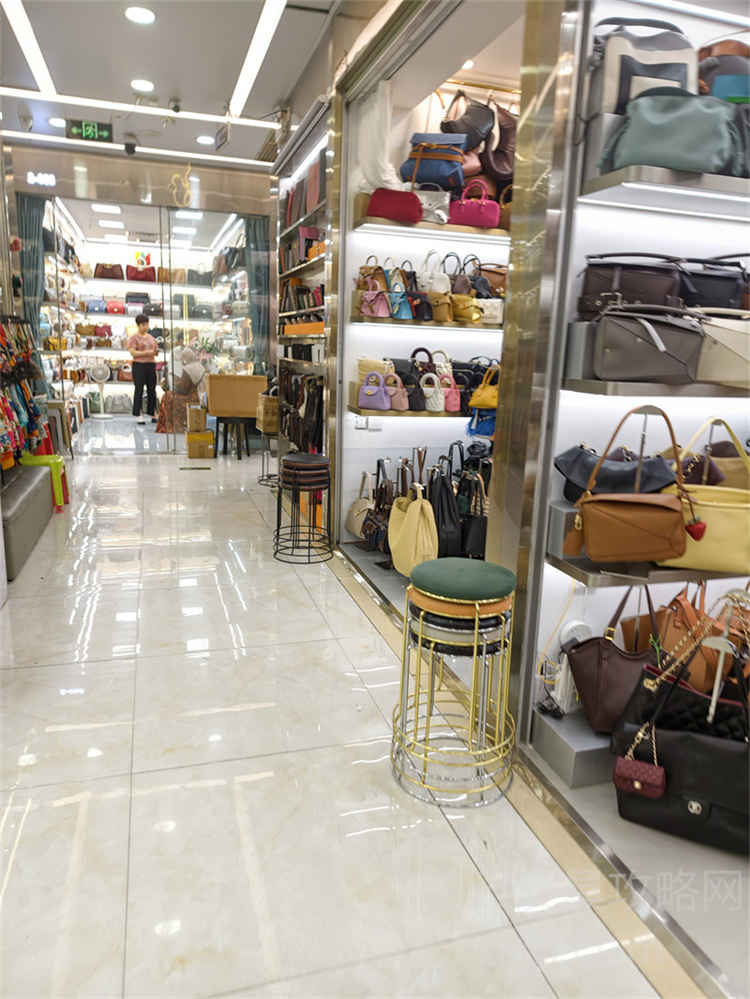
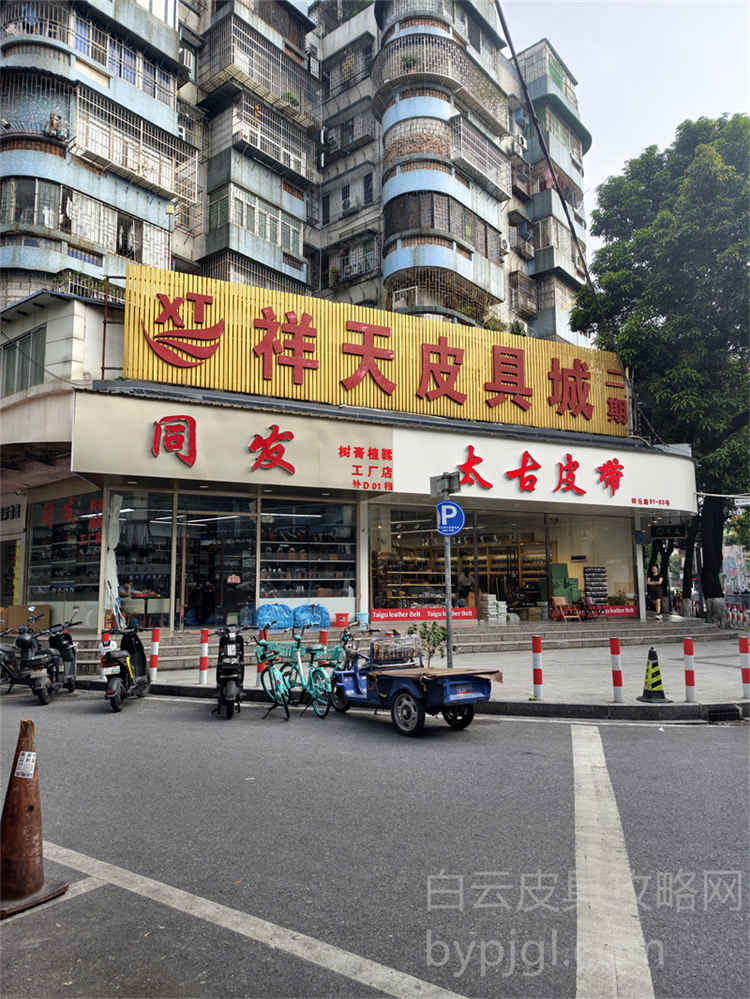
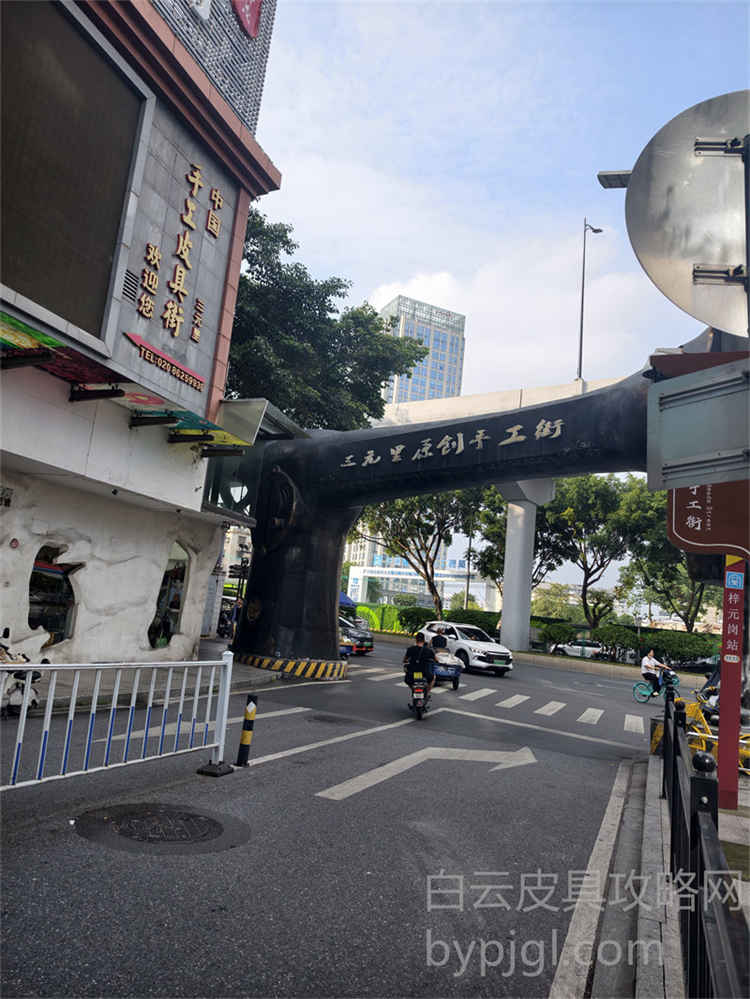
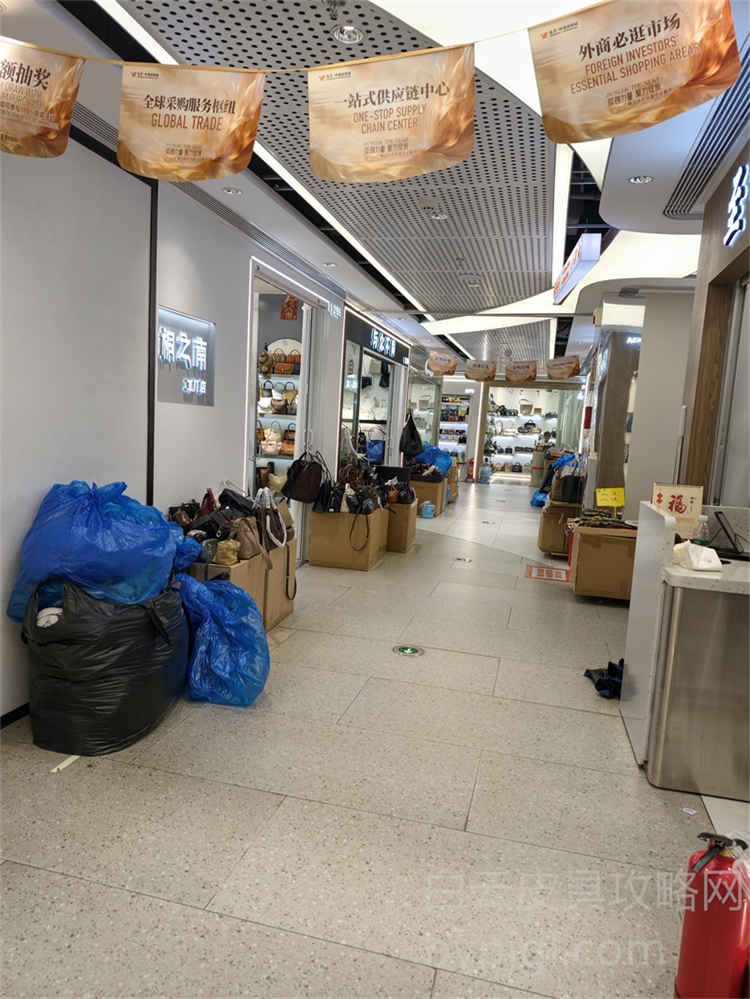
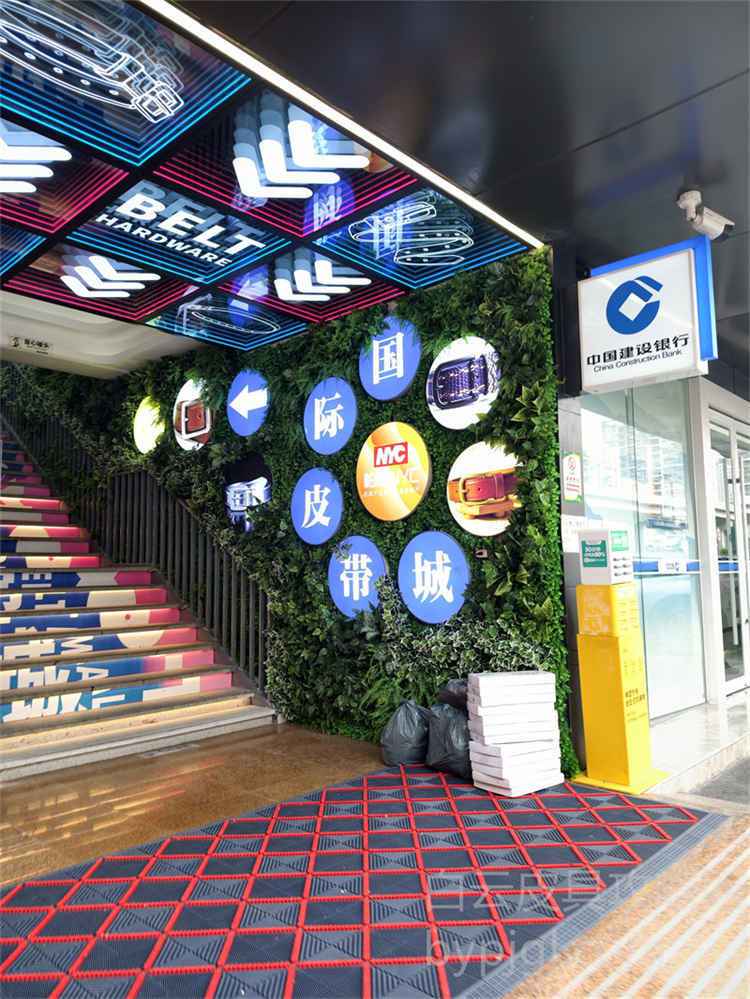
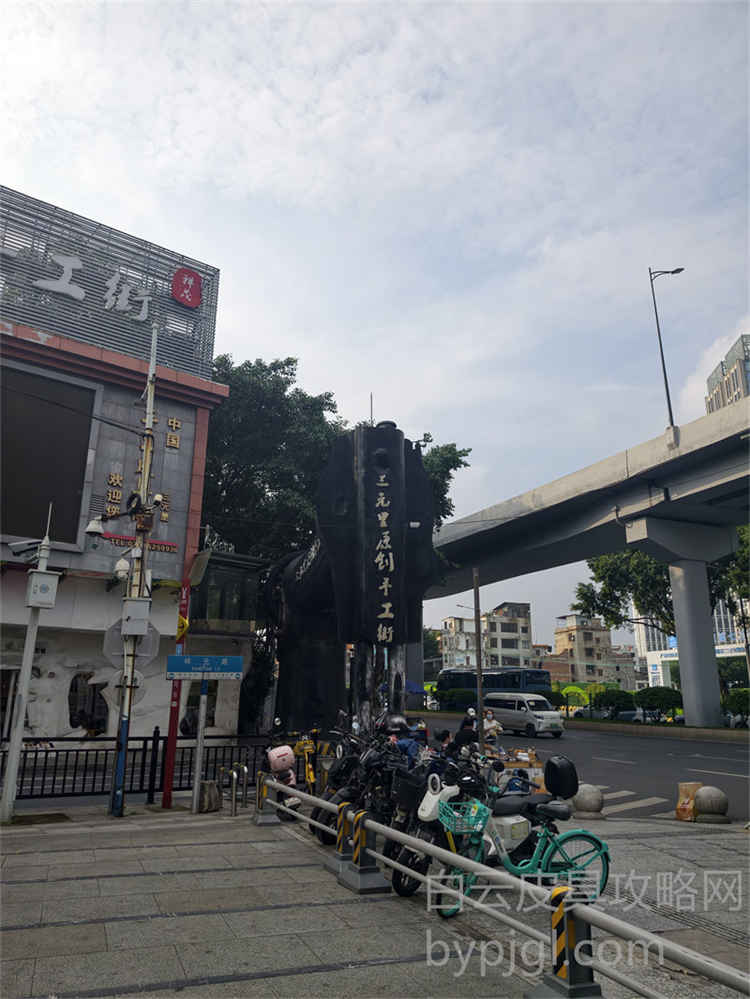
When you first arrive at the Baiyun Leather City or the surrounding hubs near Tianhe, the noise hits you first. It is a symphony of Cantonese dialects, phone calls ringing from every stall, and the smell of fresh leather and glue. Do not be intimidated by the crowds. The vendors here do not care about your nationality; they care about your intent. Are you here to buy one piece for yourself, or are you looking to restock a boutique? The moment you ask for a specific brand name, the conversation changes instantly. We do not use those words. Instead, we talk about materials, hardware, and stitching techniques. This is the first rule of sourcing here: speak the language of quality, not the language of labels.
Navigating the Selection Process
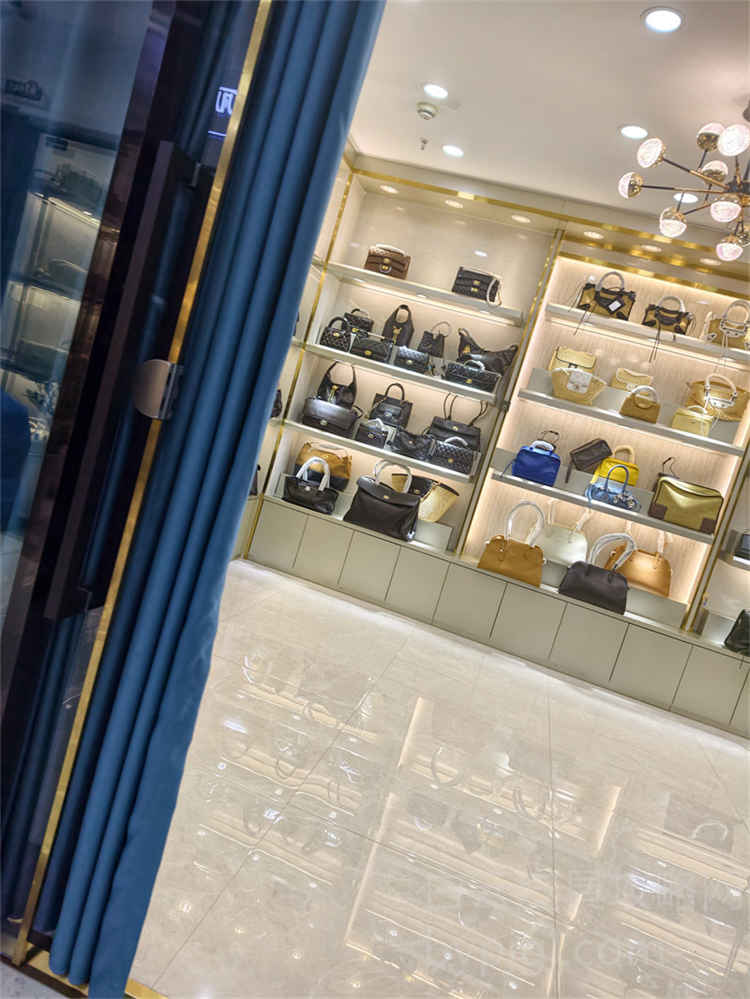
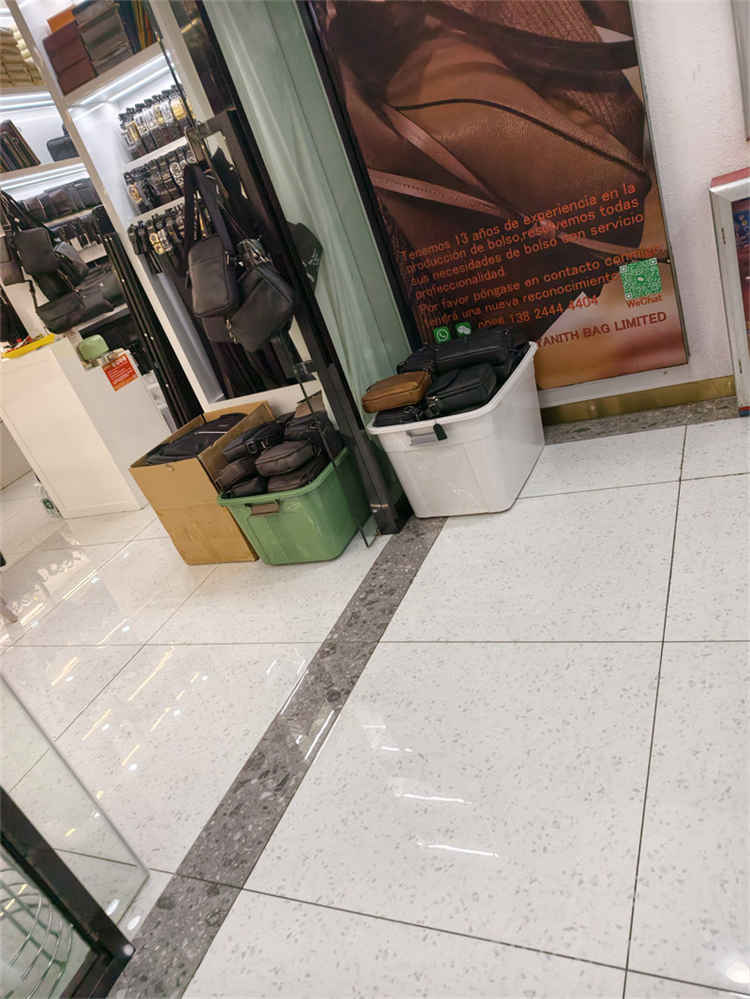
once you are inside, the sheer volume of options can be overwhelming. There are hundreds of stalls, each claiming to offer the best. My advice is to ignore the flashy displays in the front. The real work happens in the back rooms or on the tables where the samples are stacked. When I guide my regular clients through the selection process, we start by feeling the weight of the bag. Cheap imitations feel light and flimsy because they use synthetic cores. High-quality pieces have substance. They feel substantial because they use full-grain cowhide or lambskin sourced from top-tier tanneries in France or Italy.
Inspecting the Details Before You Buy
Never trust a photo sent via WhatsApp before you see the item in person. Photos can be edited, lighting can be manipulated, and angles can hide flaws. When you stand at a stall, ask to see the interior lining, the zipper pulls, and the stitching density. Look closely at the thread count. In the lower tier markets, you might find loose threads or uneven spacing. In the premium sections of Baiyun, the stitching is so tight it looks machine-perfect but is actually done by master artisans. Check the hardware engraving. Even if there is no logo, the font weight and depth should be precise. If the metal feels like plastic or the plating is thin, walk away. I tell my buyers to bring a small magnifying glass; it shows you are serious and forces the vendor to show you their best stock.
Building Relationships and Negotiating
This is where most foreign buyers fail. They treat every transaction as a one-off deal. In Guangzhou, business is built on trust. If you come back next month, you want the same vendor to remember you. Start by asking questions about the leather origin or the production time. Show that you know what you are talking about. once you establish a rapport, the prices become more transparent. Do not try to haggle over fifty cents. Focus on the total order value and the consistency of the product. If you are buying in bulk, the margin is negotiable, but only if you promise long-term cooperation.
Avoiding Common Pitfalls
There are traps everywhere. Some vendors will offer you a "super copy" at a low price, but when you receive the shipment, the quality drops significantly. This is why I always recommend meeting face-to-face for the first few orders. Another common mistake is paying 100% upfront without a deposit structure. A reputable stall owner will agree to a split payment: a deposit to reserve the stock and the balance upon final inspection. Never send money directly to a personal bank account without verifying the business license. Also, be wary of vendors who refuse to let you inspect the goods before shipping. If they say, "It is all the same quality," they are lying. Every batch has variations, and a good seller knows how to manage those expectations.
The Logistics of Taking Goods Home
After you have selected your items and negotiated the price, the next challenge is logistics. Many stalls in Tianhe and Baiyun have partnerships with freight forwarders who specialize in international shipping. However, do not rush this step. Ask for a consolidated shipping option if you are buying from multiple vendors. This saves you significant costs compared to sending individual packages. Ensure the packaging is secure. Leather needs to breathe, so avoid sealing them in plastic for weeks. Use breathable cloth bags and sturdy boxes. Finally, check the customs regulations of your country regarding imported goods. While we do not discuss branded names, understanding the duty rates for genuine leather goods is crucial for your budget planning.
Final Thoughts from the Stall
Coming to Guangzhou is an adventure. It requires patience, a sharp eye, and a willingness to learn the local culture. The market is constantly evolving, with new styles emerging every season. But the core remains the same: quality craftsmanship and honest trade. If you approach these markets with respect and knowledge, you will find partners who can supply you with products that rival anything found in luxury boutiques worldwide. Remember, the goal is not just to buy a bag, but to build a supply chain that works for your business. Come early, stay late, and always keep your eyes open.