Stepping Into the Heart of Guangzhou Leather
Welcome to the real deal. I've been standing behind my counter in the Baiyun district for over fifteen years, watching the tide of buyers come and go. You might have heard rumors about "China Guangzhou specialty bag factory sources," but let me tell you, the truth is far more nuanced than what you read on generic websites. If you are an overseas buyer looking for genuine leather goods without the middleman markup, you need to understand that this isn't a place for tourists; it's a battlefield of commerce where relationships matter more than anything else.
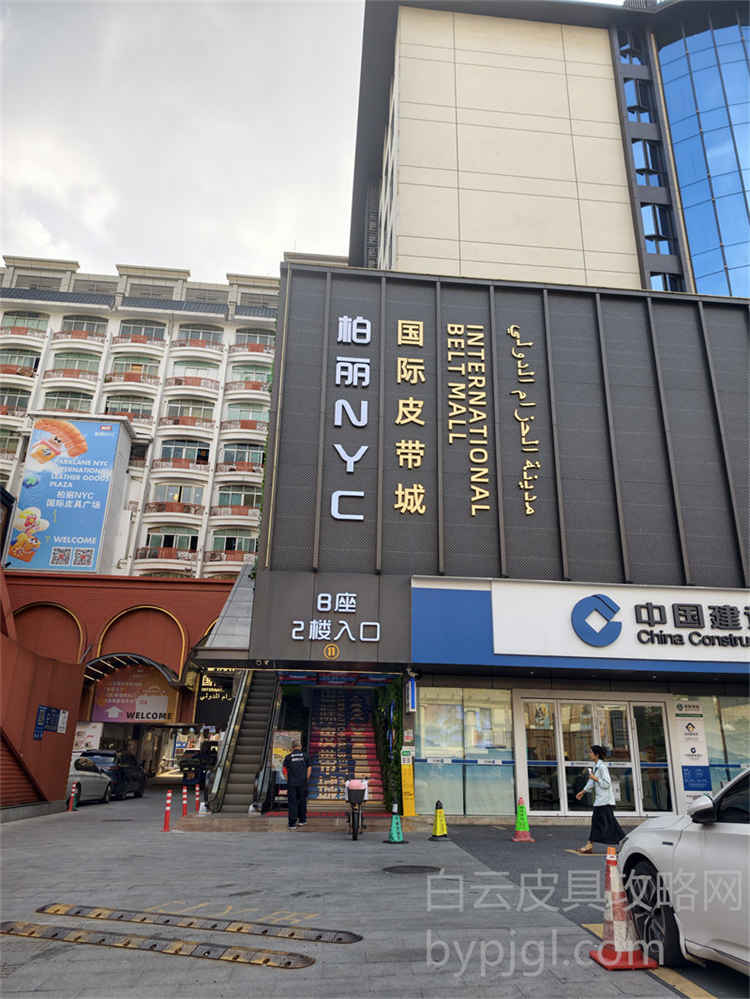
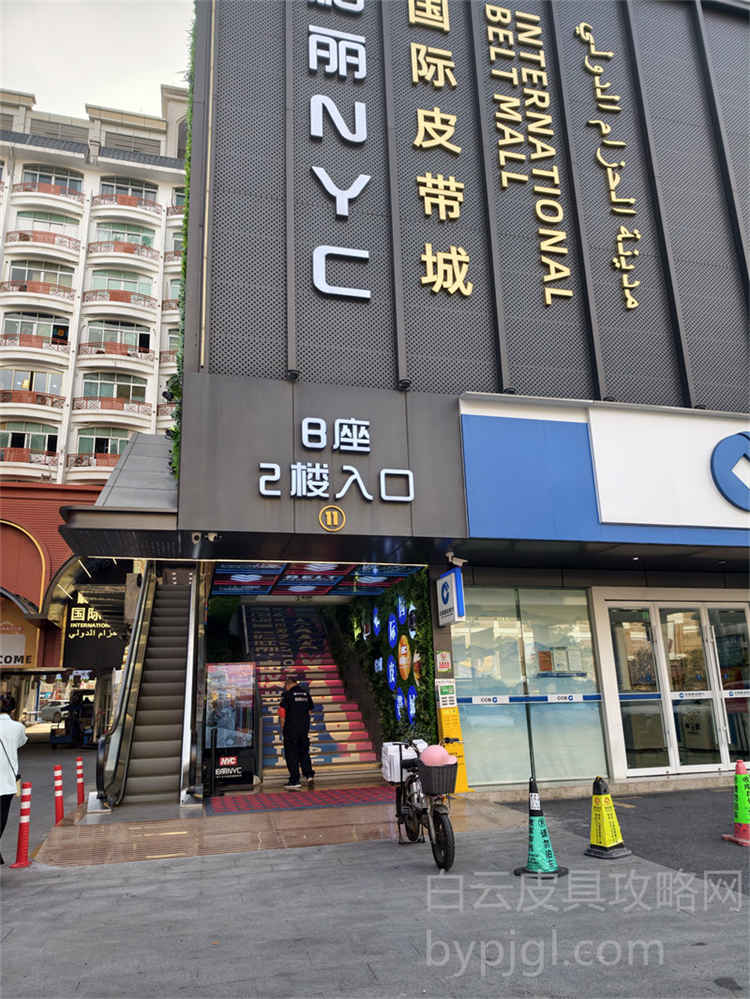
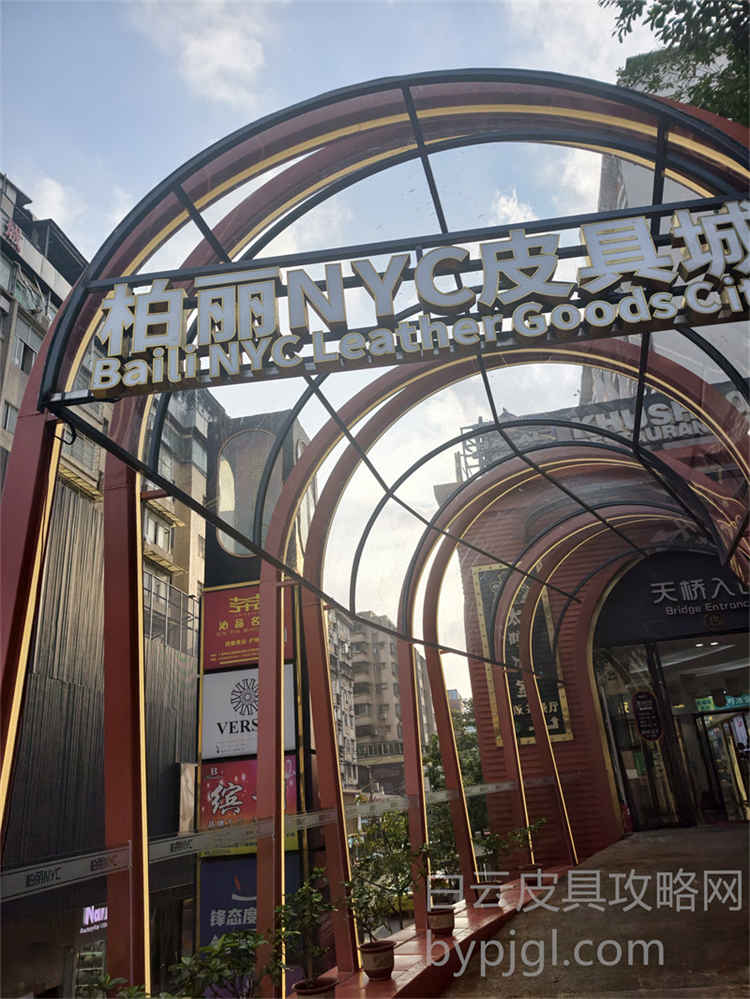
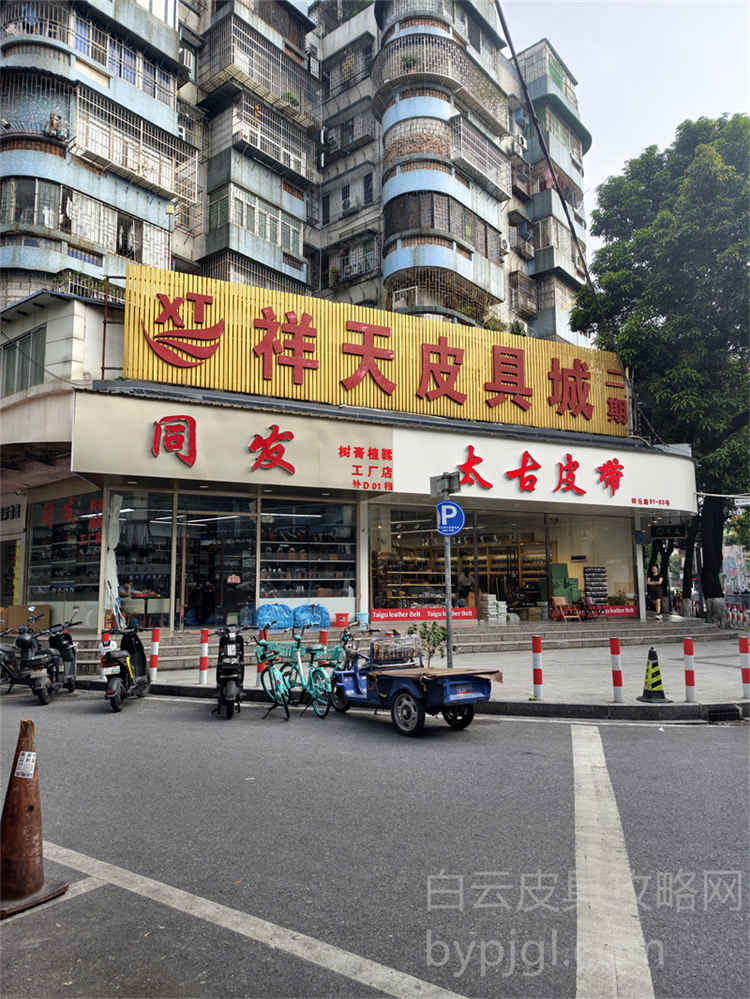
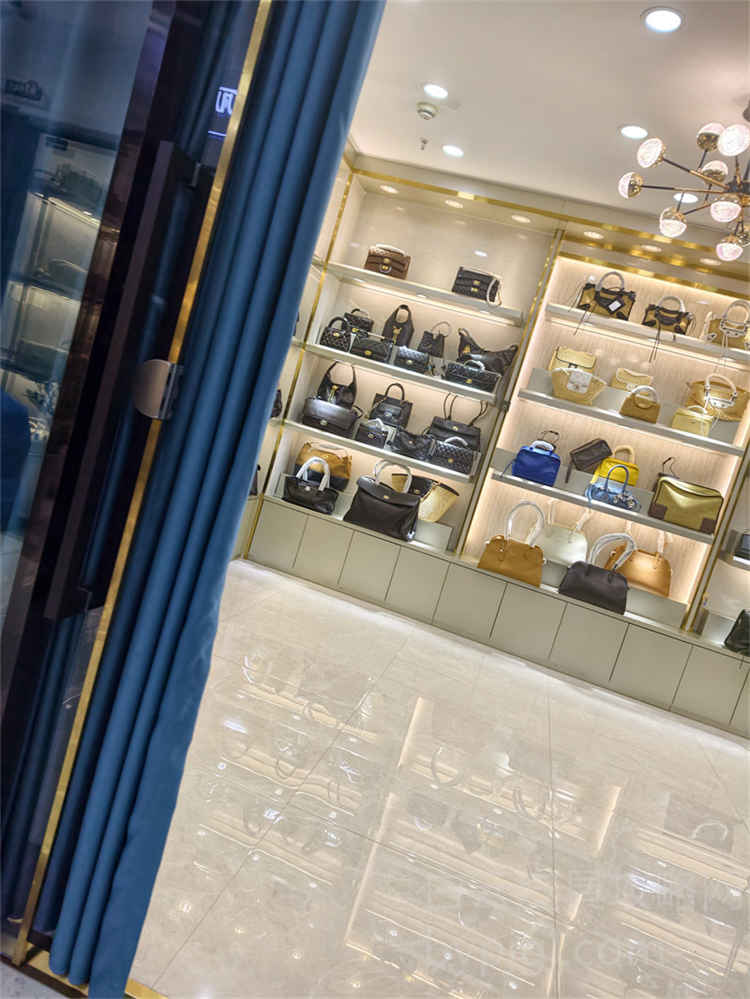
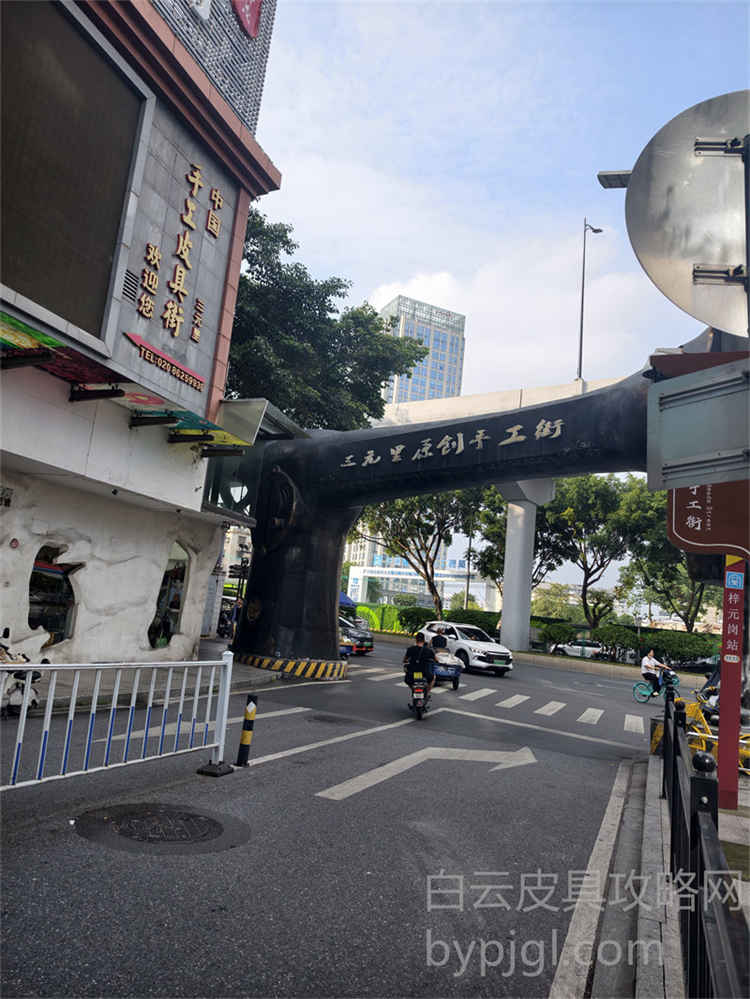
The moment you step off the bus at the Baiyun International Leather Trade City, the air changes. It smells of fresh leather, glue, and ambition. This is where the magic happens. Most people think they can just walk in, point at a shelf, and order fifty units. That approach works for small trinkets, but not for high-quality leather sourcing. Here, we operate on a different level. The factories don't usually have showrooms open to the public; they have production lines. What you see in these markets are the front-facing windows of massive manufacturing ecosystems.
Navigating the Market Labyrinth
Understanding the Layout and Zones
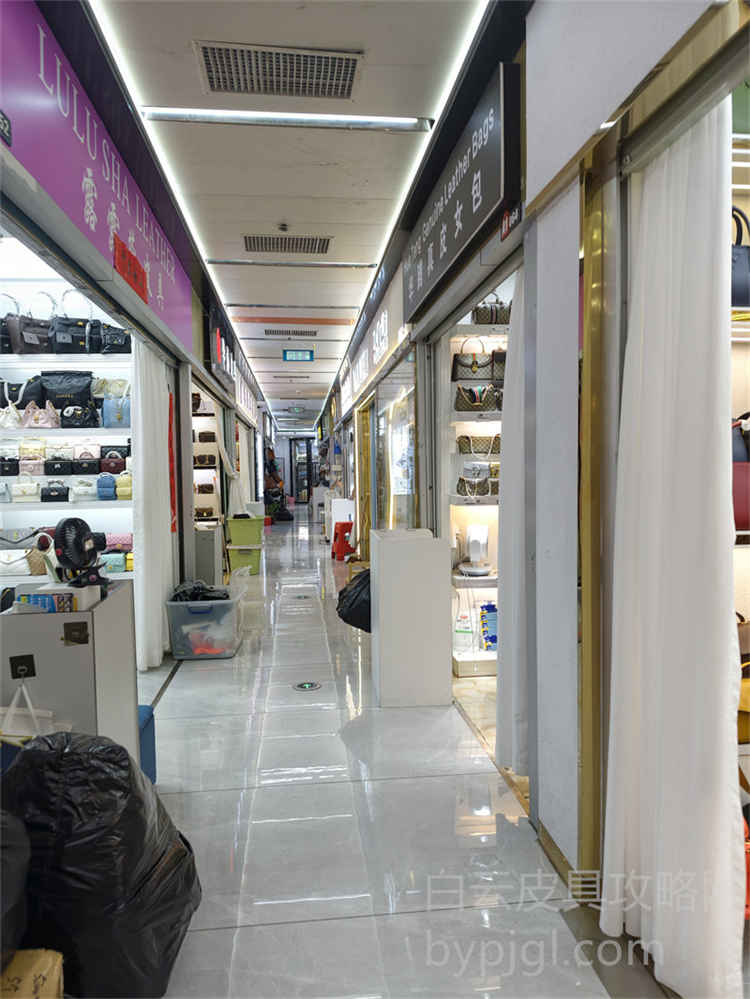
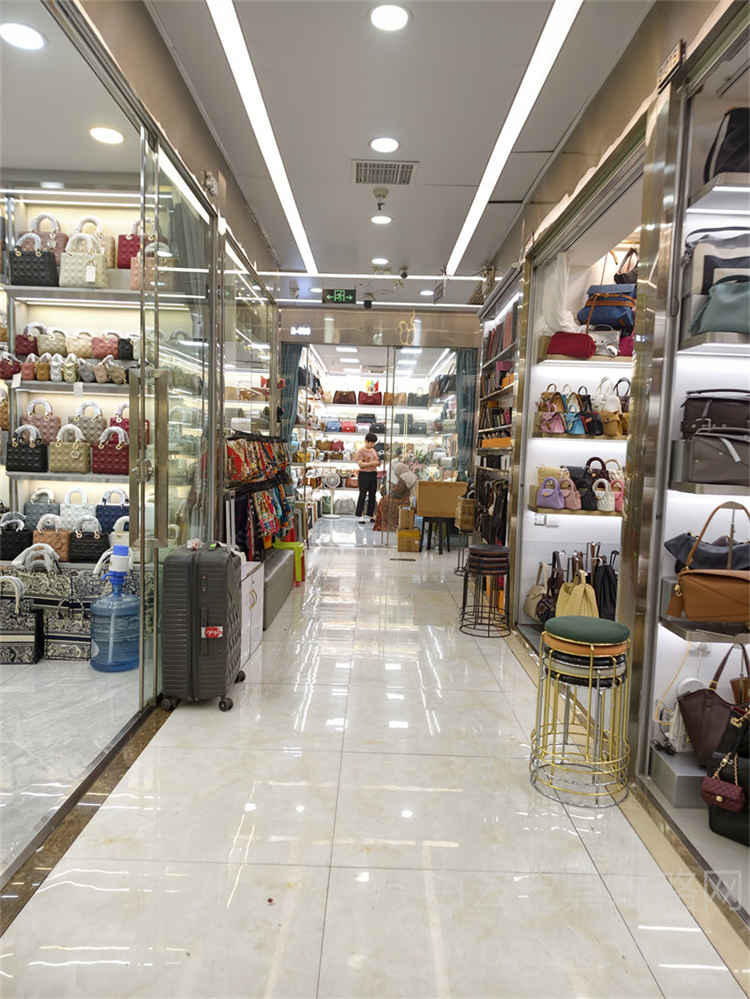
When you first arrive, the sheer scale can be overwhelming. The complex is a maze of corridors filled with noise and activity. Don't get lost trying to find a specific brand name because, frankly, that's not how we do business here. Instead, focus on the zones. The upper floors often house the higher-end manufacturers who cater to boutique brands and serious retailers. The lower levels are more geared towards volume and faster turnover.
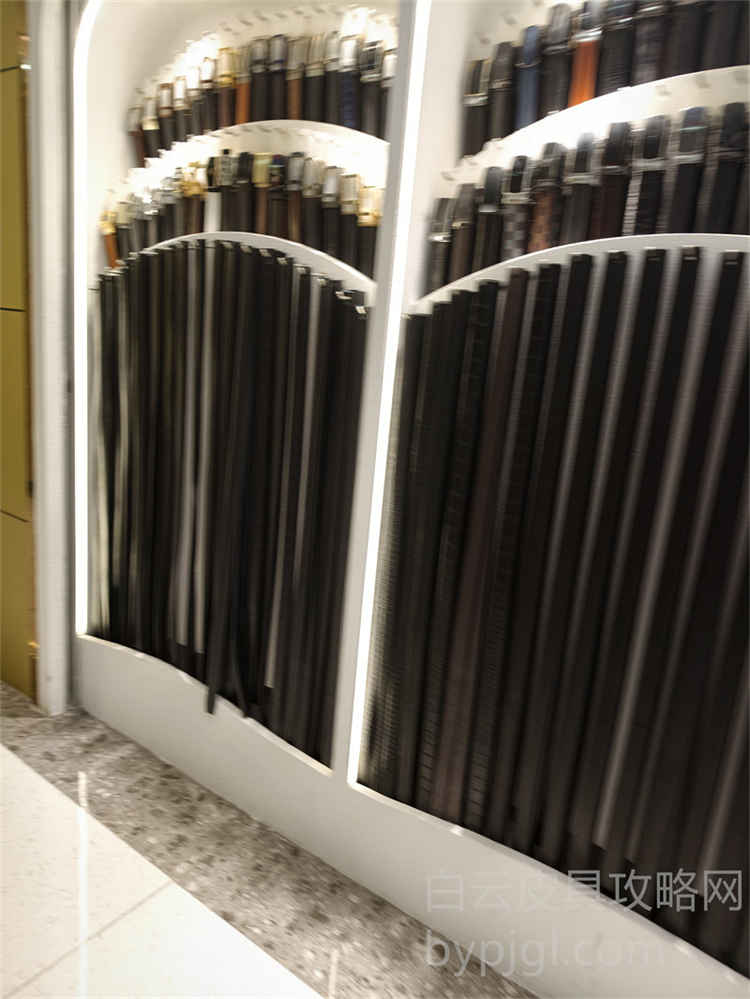
I always advise my international clients to start at the main entrance and work their way up or down systematically. Take your time. Walk past the flashy displays that scream for attention and look for the quieter booths with fewer mannequins but deeper shelves. Those are often the ones run by owners who actually know their craft. In Guangzhou, the best sources are rarely the loudest. They are the steady hands that have been there for decades, refining their patterns and leather selection year after year.
The Art of Selection and Inspection
Touch, Smell, and Stitch
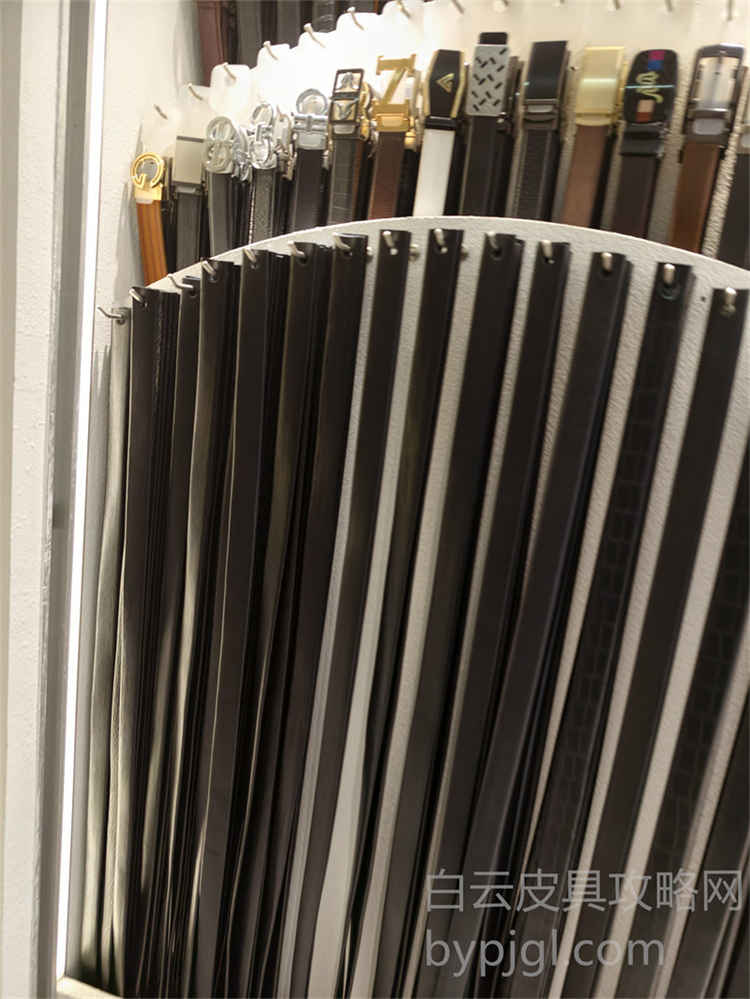
once you find a booth that piques your interest, the real work begins. Do not rely on photos sent via WeChat or WhatsApp. Those images are often edited to hide flaws or exaggerate texture. You must touch the material. Run your hand over the grain. Is it soft? Does it smell like genuine animal hide or chemical tanning agents? A seasoned buyer knows that the scent of leather is the first indicator of quality.
Next, inspect the stitching. Look at the tension. Are the stitches even? Do they pull tight when you tug gently? Poor stitching is the quickest way to ruin a bag's longevity. In our workshops, we pride ourselves on double-stitching stress points, especially around handles and zippers. Ask the vendor to show you the inside lining as well. Cheap linings are a red flag. If the exterior looks premium but the interior feels flimsy, walk away. We want to build long-term partnerships, not sell you a product that will fall apart in three months.
Building Relationships and Negotiating Terms
From Stranger to Partner
This is where many foreign buyers stumble. They treat every transaction as a one-off purchase. But in Guangzhou, the price and priority you receive depend entirely on your relationship with the supplier. When I meet a new client, I don't immediately talk numbers. I ask about their market, their target audience, and what kind of quality they are aiming for. This conversation builds trust.
once we establish rapport, we discuss the Minimum Order Quantity (MOQ). Many factories set a high MOQ, but if you show genuine intent and promise repeat orders, we can often negotiate a lower starting point. Be prepared to pay a deposit upfront, which is standard practice. Never try to haggle aggressively on the unit price before establishing credibility. Instead, focus on value. Ask about customization options. Can we adjust the hardware color? Can we change the strap length? These small details make your product unique and give you leverage in negotiations.
Avoiding Pitfalls and Ensuring Quality Control
The importance of Pre-Shipment Checks
One of the biggest mistakes I see is buyers skipping the final inspection. Just because you paid the deposit doesn't mean the goods are ready to ship. Always insist on seeing a pre-shipment sample or a video call from the factory floor showing the actual batch being packed. If possible, hire a third-party inspector in Guangzhou to verify the goods before they leave the warehouse. This is a small cost that saves you from massive headaches later.
Be wary of deals that seem too good to be true. If a price is significantly lower than the market average, there is almost always a compromise in materials or craftsmanship. We have seen buyers lose thousands of dollars because they chased the lowest price and received bags made from bonded leather instead of full-grain. Trust your instincts. If something feels off, it probably is. The goal is to source reliable partners who understand that quality is the foundation of any successful business.
Final Thoughts on Sourcing Success
Sourcing from Guangzhou is not a quick fix; it is a strategic move that requires patience, knowledge, and respect for the local trade culture. The Baiyun district offers an unparalleled depth of supply chain resources, from raw materials to finished products. By visiting in person, engaging directly with the factory owners, and prioritizing quality over speed, you unlock the true potential of China's leather industry. Remember, the best deals aren't found online; they are forged face-to-face in the bustling alleys of the leather markets. Come with an open mind, bring your critical eye, and you will find exactly what you are looking for.