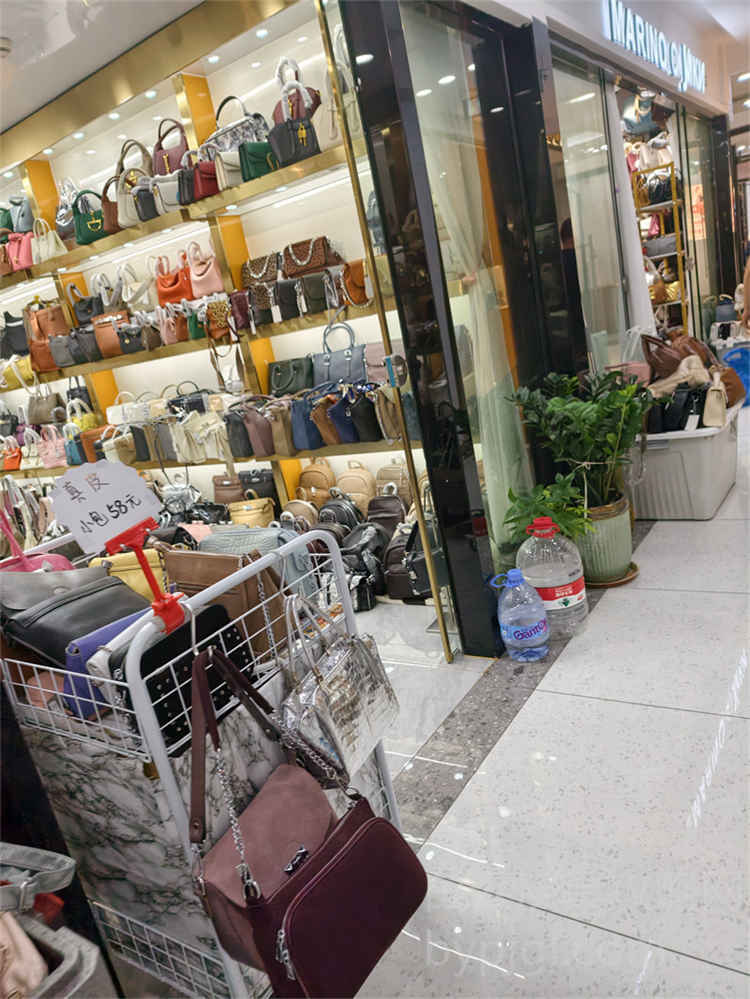
Walking the Floors: My Real Talk on Sourcing Bags in Shiling
I have been standing behind this counter in Guangzhou for over fifteen years. While everyone talks about the big international brands, my life revolves around the leather goods markets of Shiling and Baiyun. If you are an overseas buyer looking for genuine supply chains, forget the glossy brochures. Come here, walk the floors, and talk to people like me. This is not a factory tour; it is a survival guide for anyone trying to navigate the chaotic, vibrant world of Chinese bag sourcing.
The Myth of the "One-Stop" Shop
First things first, let's clear up a major misunderstanding. Many buyers think they can just go to one building and find everything from high-end leather to cheap canvas. That is simply not how it works in Shiling. The town itself is the hub, but the real action happens in specific clusters. You will find that some streets specialize in luxury-style leathers, while others focus on canvas totes or backpacks. Do not expect a single shop to be the master of all trades. When I meet a new client, I tell them to split their time. Spend your morning in the high-volume wholesale areas where the turnover is fast, and save your afternoon for the smaller, more specialized workshops that handle custom orders.
Navigating the Baiyun Leather City Maze
once you leave Shiling and head toward the massive Baiyun Leather City complex, prepare yourself. It is a labyrinth. The architecture looks uniform, but every floor has a different vibe. The lower levels are often crowded with tourists and small-scale retail, which is not where you want to be if you are looking for serious volume. You need to push past the front rows and get into the back corridors. This is where the real wholesalers operate. They do not put their best stock on display at the front. They keep their premium samples tucked away in the back rooms or under the counters.
Reading the Room Before You Speak
When you walk into a stall, observe before you say a word. Look at the bags on the table. Are they dusty? Are they arranged neatly or thrown in a pile? A messy stall often means high turnover and fresh stock. A pristine, empty-looking stall might mean they are waiting for orders or are focused on very high-end custom work that isn't ready for public viewing yet. Also, watch the staff. If they are chatting loudly on phones or ignoring customers, they might not be ready for a serious negotiation. But if they are busy packing boxes or talking on the phone in hushed tones, they are likely in the middle of a deal. That is when you know they are active.
The Art of the Sample Inspection
This is where most foreign buyers make mistakes. They see a photo online and assume the physical product matches. In Shiling, the gap between the sample and the mass production run can be significant if you do not inspect carefully. Never rely on a single look. I always tell my clients to bring a flashlight and a magnifying glass. Check the stitching. Is it straight? Does the thread match the leather color perfectly? Look at the edges. Are they painted smoothly, or do you see rough cuts? Pay attention to the hardware. Does the zipper glide smoothly? Does the metal feel heavy or flimsy?
Asking the Right Questions about Materials
Do not just ask, "Is this good quality?" That is too vague. Ask specific questions about the leather source. Is it cowhide? Goatskin? What is the tanning process? In our market, we pride ourselves on transparency because we know our reputation depends on repeat business. If a vendor hesitates to answer about the material, walk away. We use terms like "full grain" or "top layer" freely. If they cannot explain the difference between a PU coating and genuine leather, they are not the partner you want. I once had a buyer who refused to touch a bag until I showed him the cross-section of the leather. He was happy he did, because the other stalls were selling bonded leather disguised as real hide.
Negotiating and Building Relationships
Price is important, but in Guangzhou, relationships are everything. You will not get the best price by shouting or acting tough. You get it by showing respect and demonstrating that you are a long-term partner. Start by asking for the "wholesale price" or the "dealer price." Do not mention retail prices unless you are testing the waters. once you establish a rapport, ask about their minimum order quantity (MOQ). Some shops require fifty pieces per style, while others might accept ten if you are willing to mix styles. Be flexible. If you are new, mixing styles helps you test the market without tying up too much capital.
The Payment and Shipping Reality
Never pay 100% upfront without a deposit. The standard practice here is a 30% deposit to start production and the balance before shipment. For large orders, we often suggest using a third-party inspection service. I have seen many deals fall apart because the buyer paid everything, and the final shipment was full of defects. Trust me, having a local agent check the goods before they leave the warehouse saves you thousands of dollars in returns. As for shipping, we handle this daily. Whether you need air freight for speed or sea freight for cost savings, we have contacts who know exactly how to pack these bags so they do not get crushed in transit. Just give us clear instructions on your destination port.
Avoiding the Common Pitfalls
There are traps everywhere in this industry. One common trick is the "bait and switch." They show you a perfect sample, take your deposit, and then send you inferior goods. To avoid this, insist on seeing a video call of the actual batch before you ship. Another issue is the hidden costs. Sometimes the quoted price does not include packaging, labels, or customs fees. Always ask for a detailed breakdown of all costs. Do not sign anything without reading the fine print regarding return policies and defect rates. In our experience, a 1% defect rate is normal in mass production, but anything higher should trigger a discussion on compensation.
Staying Updated on Market Trends
The fashion cycle moves incredibly fast here. What was hot last month might be dead next week. Keep your finger on the pulse by visiting the market regularly. Talk to the vendors about what is trending in Europe or America. We often hear about specific colors or shapes becoming popular in Western markets before they even hit the news. By staying connected with us, you can stay ahead of the curve. We are not just sellers; we are partners in your success. We want you to sell well so you come back for more.
So, if you are planning a trip to Guangzhou, do not rush. Take your time. Walk the streets of Shiling, explore the depths of Baiyun Leather City, and talk to the people who live and breathe this trade. The knowledge you gain from walking the floors is worth more than any online catalog. Come with an open mind, be prepared to inspect every detail, and build a relationship based on trust. That is the secret to finding the best bag sources in China.