Why Guangzhou Remains the Global Hub for Handbag Sourcing
I have been standing behind my counter in Guangzhou for over two decades, watching the city transform from a quiet manufacturing town into the undisputed capital of leather goods. If you are asking me where to find the best bag sources in China, the answer is simple: you must come here, specifically to the Baiyun District. While many people talk about online platforms and dropshipping agents, nothing beats the experience of walking through the bustling corridors of our markets with your own eyes. I see thousands of buyers every year, from small boutique owners to large distributors, and they all share one goal: finding high-quality inventory that moves fast. The concentration of suppliers here is unmatched anywhere else on the planet.
The Unbeatable Density of Suppliers
When you step off the subway at Jiaochang Road, you are immediately surrounded by warehouses and showrooms stacked floor upon floor. This isn't just a market; it is an entire ecosystem dedicated to leather craftsmanship. In other cities, you might visit a few shops and leave disappointed. Here, you can spend three days and still not see everything. The density of factories and wholesale stalls means you have direct access to the source without middlemen inflating prices. Whether you are looking for classic shapes or trendy designs, the variety is staggering. My advice to any first-time visitor is to forget the idea of buying just one item. Come prepared to buy in bulk because that is how we operate.
Navigating the Baiyun Leather City Complex
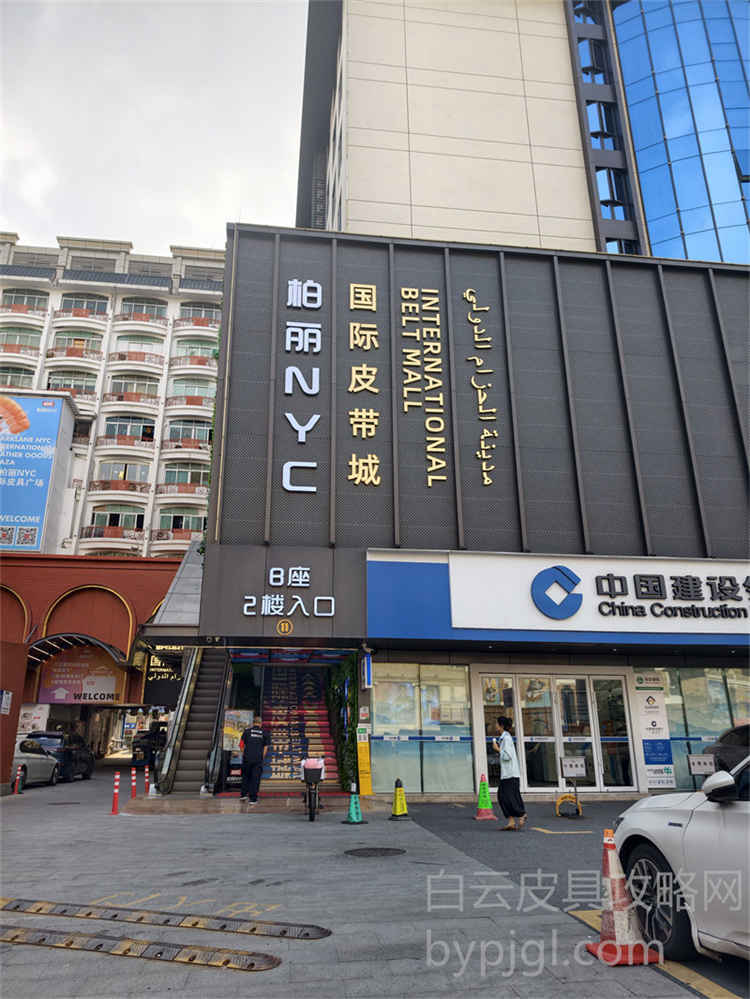
The term "Guangzhou Baiyun Leather City" often gets thrown around loosely, but there are actually several distinct buildings, each with its own character and price point. As a local owner, I need to guide you on which building suits your specific business model. You cannot treat them all the same way. Some floors cater to high-end production, while others focus on volume and speed. Understanding this layout is the first step to successful sourcing.
Understanding the Different Zones
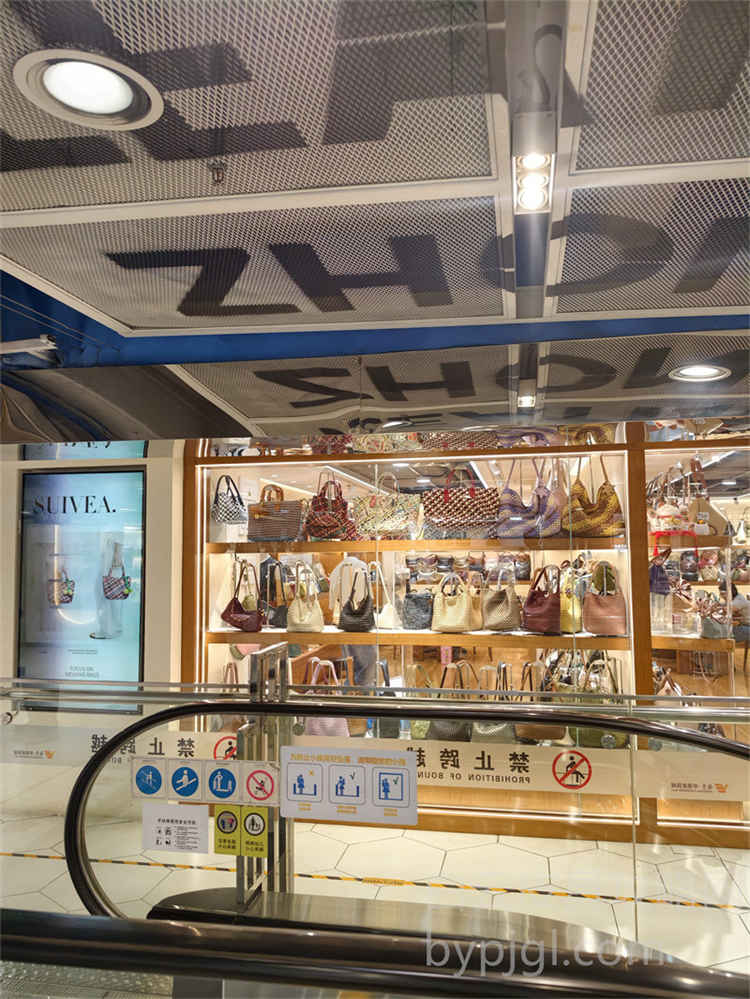
The main complex consists of several connected buildings. The older sections often house established vendors who have been here for years. These are the places where you will find the most consistent quality and reliable stock. They know their products inside out. On the newer wings, you will find more modern displays and a younger generation of sellers who are very quick to adapt to new trends. If you are looking for something unique or experimental, check these areas. However, if you need steady supply chains for your regular customers, stick to the long-standing stalls in the central halls. Do not be afraid to ask the security guards or shop assistants for directions; they are usually happy to point you toward the right section based on your needs.
What to Expect Inside the Stalls
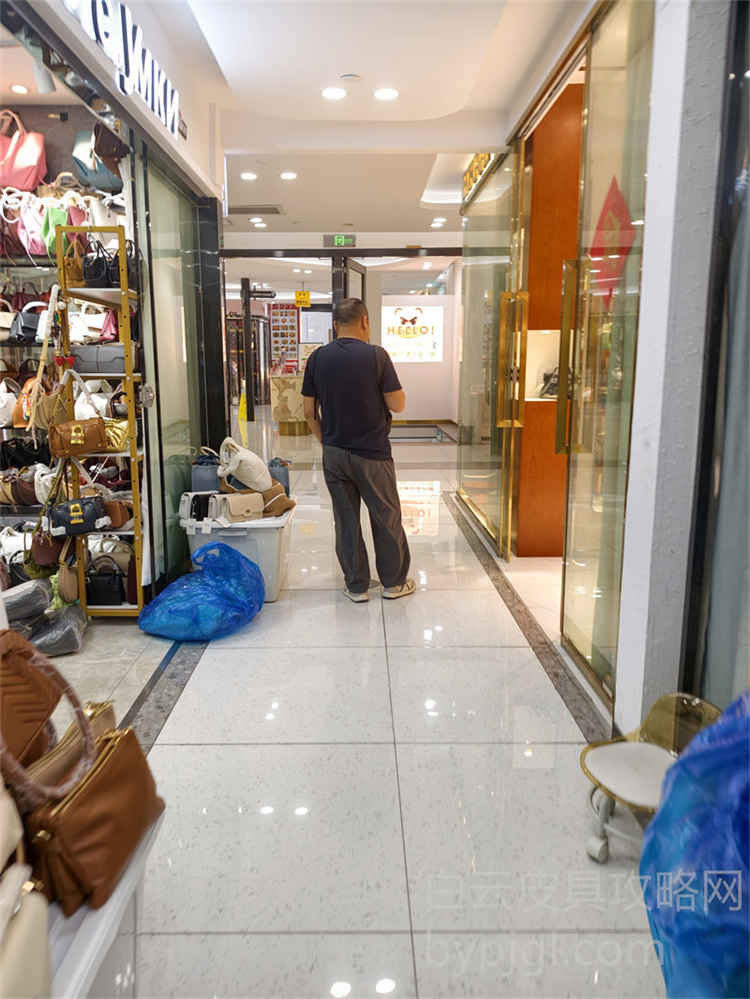
Walking into a stall here is different from shopping in a Western mall. There are no price tags hanging on the bags. Everything is negotiable. The counters are often cluttered with boxes, samples, and rolls of leather. Do not let the chaotic appearance scare you. Behind the mess sits the real value. The owners are busy, so do not expect a salesperson to walk you through a presentation. You have to take the initiative. Look at the stitching, feel the weight of the hardware, and smell the leather. These sensory details tell you more than any marketing brochure ever could.
Practical Strategies for Selecting and Verifying Goods
once you are inside the market, the real work begins. Many overseas buyers make the mistake of focusing only on the design. In Guangzhou, the material and construction are what determine your profit margins and customer satisfaction. I have seen too many buyers return home with beautiful-looking bags that fall apart after a month because they ignored the quality check.
The Art of Inspecting Quality
When you approach a stall, ask to see the raw materials. A good vendor will proudly show you the hides they use. Check the edges of the bag; are they painted neatly, or is the glue visible? Look at the lining. Is it smooth, or does it have loose threads? Pay close attention to the zippers and buckles. Cheap metal tarnishes quickly, which ruins the brand image. Ask the seller to open the bag and show you the interior pockets and seams. If they hesitate or refuse, move on to the next stall. Confidence in your product is a sign of a reputable supplier. Also, check the dust bags and packaging. Even if you plan to rebrand, the unboxing experience matters.
Building Relationships with Vendors
Do not treat every transaction as a one-off deal. The best deals in Guangzhou come from relationships. If you find a stall that has the quality and price you like, try to establish a connection. Exchange WeChat numbers immediately. This allows you to send photos of new ideas or request updates on stock without visiting physically every time. When you negotiate, be honest about your volume. If you are a small buyer, be clear about your minimum order quantity expectations. Many vendors prefer to work with partners who understand the market dynamics rather than those who try to squeeze every penny out of them. Respect goes a long way in Chinese business culture.
Avoiding Pitfalls and Ensuring Smooth Logistics
Even with the best intentions, things can go wrong if you are not careful. The market is competitive, and some sellers may try to cut corners. Being aware of common traps will save you money and headaches. It is also crucial to understand how to get your goods out of China efficiently.
Red Flags to Watch For
If a seller offers a price that seems too good to be true, it almost always is. They might be using inferior leather or poor hardware that looks okay from a distance but fails up close. Another red flag is when a vendor refuses to let you inspect the goods before payment. Always insist on checking the items yourself or hiring a trusted third-party inspector if you cannot stay long enough. Be wary of sellers who push you to pay via personal bank transfers without any contract or invoice. Stick to secure payment methods that offer some level of protection. Also, be cautious about "exclusive designs." While innovation happens here, claiming a design is unique when it is available everywhere else is a common tactic to inflate prices.
Logistics and Shipping Considerations
once you have selected your goods, the next challenge is shipping. Most stalls in the Baiyun area have partnerships with freight forwarders who specialize in international logistics. They can handle customs clearance and arrange air or sea freight. Do not try to ship everything yourself unless you have significant experience. Ask your supplier for recommendations on reliable forwarders. They know the current regulations and can help you avoid delays at the border. Ensure that the packaging is robust enough to survive the journey. Bags can get crushed easily, so proper boxing is essential. Finally, keep all your receipts and invoices organized for customs purposes in your home country. Transparency is key to avoiding legal issues.
Final Thoughts on Your Sourcing Journey
Guangzhou is not just a place to buy bags; it is a learning experience. The energy here is infectious, and the opportunities are endless. By taking the time to explore the Baiyun Leather City, understanding the nuances of the market, and building genuine relationships with the vendors, you will set your business up for success. Remember, the best source is not just about the lowest price; it is about reliability, quality, and partnership. Take your time, trust your instincts, and enjoy the process of discovering what makes this city the heart of the global handbag industry.