Walking the Floors: My Honest Take on Sourcing in Guangzhou
I have been standing behind this counter for over fifteen years, watching the dust settle and rise again in the bustling corridors of Baiyun. You see, folks from overseas often think they can just walk into a store, point at a picture on their phone, and walk out with a bag. It does not work that way here. The market is a living, breathing beast, and if you do not know how to read its pulse, you will get burned. I am not going to give you some polished corporate speech about "premium supply chains." I am going to tell you what it actually feels like to be on the ground, smelling the leather, hearing the haggling, and seeing exactly where the real goods come from.
The First Step: Leaving the Hotel Behind
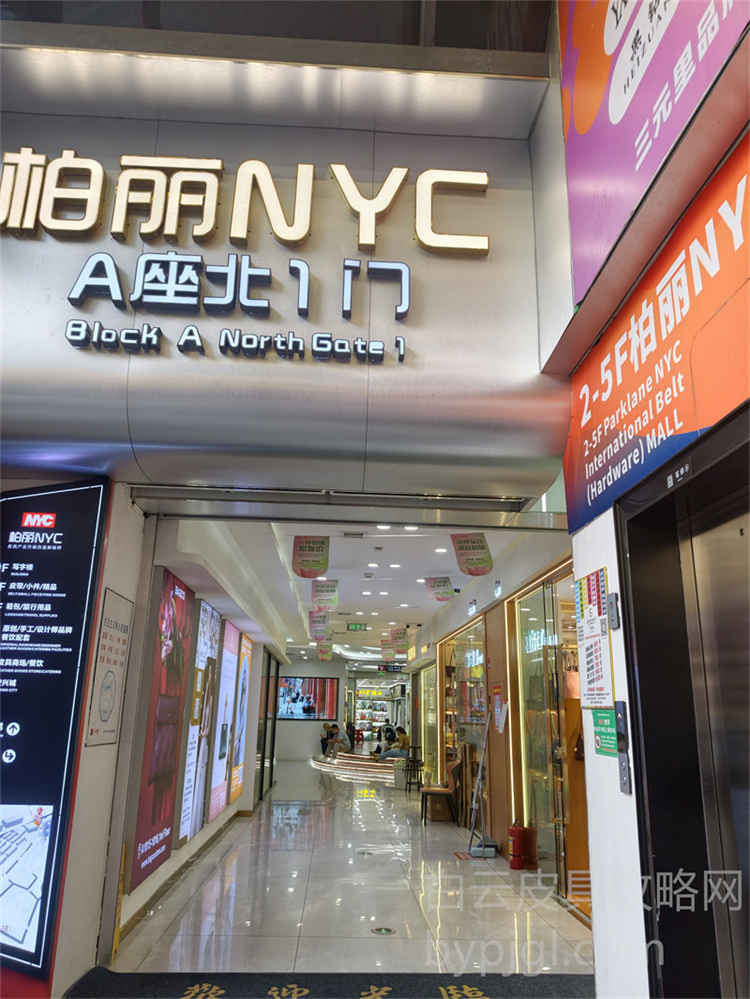
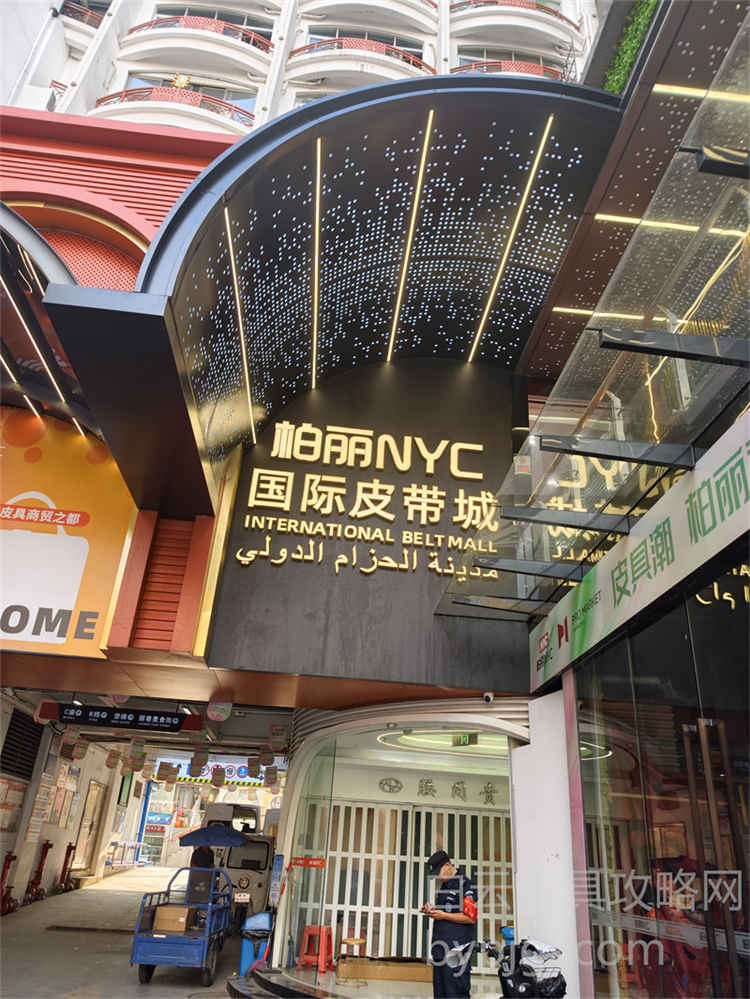
Your journey starts before you even step foot in the building. Most tourists head straight for the main entrance of the famous plaza, but that is where the traps are set. The people waiting there with big smiles and English brochures? They are middlemen trying to take a cut before you even see the factory floor. If you want the real deal, you need to go deeper. We locals call it the "back alleys" of the wholesale district. This is where the actual production lines connect directly to the sales floors. When you arrive, ignore the flashy signs. Look for the shops with the heavy steel shutters half-open, the ones where you can hear the sound of sewing machines humming inside. That is your signal. That is where the inventory lives.
Navigating the Maze: Finding the Right Stall
once you are inside, the sheer volume of bags can be overwhelming. Thousands of styles, colors, and textures stacked from floor to ceiling. Do not panic. The key is to look at the quality of the display, not just the price tag. In these markets, the stalls are divided by tiers. Some sell low-end canvas, others sell genuine leather, and then there are the top-tier spots that specialize in high-grade materials. As an old shop owner, I can tell you that the best stock never sits on the front rack. It is usually kept in the back room or under the counter, reserved for serious buyers who know how to talk.
Reading the Room: How to Spot a Serious Buyer
When you approach a stall, your body language speaks louder than your words. If you act like a tourist, asking for "the cheapest one," you will be shown the bottom shelf. But if you ask specific questions about the leather grain, the stitching count per inch, or the hardware weight, the dynamic changes instantly. The owners respect knowledge. They know you are there to buy, not just to browse. Start by asking about the source of the raw materials. Are we talking about Italian calfskin or local tanned cowhide? Do not accept vague answers. A good supplier will open up immediately when they sense you understand the difference between a $50 bag and a $500 bag.
The Art of Inspection: What to Look For Before You Pay
This is the most critical part of the process, and where many overseas buyers make fatal mistakes. You cannot rely on photos sent via WhatsApp. You must touch, smell, and inspect every single item yourself. Bring a small flashlight; it sounds silly, but it helps you see the tightness of the stitching in the dark corners of a zipper pull. Check the lining. Is it smooth silk or cheap polyester? Feel the weight of the metal clasps. Cheap zinc alloy feels light and hollow; solid brass has a heft that tells you it will last for years.
The Smell Test and the Stitch Count
Smell is a powerful tool. Real leather has a distinct, earthy scent that synthetic materials simply cannot mimic. If it smells like chemicals or plastic, put it down immediately. Next, count the stitches. High-quality craftsmanship usually follows a strict standard, often 8 to 10 stitches per inch depending on the thickness of the material. If the stitching is loose, uneven, or has loose threads hanging off, the structural integrity of the bag is compromised. Also, check the symmetry. Hold the bag up and look at the handles. Are they aligned perfectly? Does the pattern match on both sides? These details separate the mass-produced junk from the items that hold their value.
Negotiation and Logistics: Closing the Deal
once you have selected your items, the negotiation begins. Do not be afraid to haggle, but do not be rude. The prices listed on the tags are rarely the final prices. They are starting points. In our culture, the relationship matters more than the immediate profit margin. If you build rapport, show interest in their craft, and promise future business, you will get better rates. Ask for the "wholesale price" or the "dealer price." Be clear about your quantity. If you are buying ten pieces, you get a different rate than if you are buying fifty. Also, clarify the shipping terms early on. Do you want them to handle the export paperwork, or will you arrange your own freight forwarder?
Avoiding the Scams: Red Flags to Watch
There are always sharks in the water. One common trick is to show you a perfect sample, then hand you a slightly inferior product when you pay. Always insist on checking the exact batch before payment. Another red flag is when a seller refuses to let you visit their warehouse or workshop. If they claim the factory is "too busy" or "under renovation," walk away. Real suppliers are proud of their operations. Furthermore, be wary of deals that seem too good to be true. If a bag looks flawless but costs a fraction of the market rate, it is likely made with poor materials that will fall apart in a month. Trust your gut. If something feels off, it probably is.
Building Long-Term Relationships in the District
My advice to anyone coming here is simple: come back. The first trip is for learning, scouting, and building trust. once you find a few reliable stalls, establish a routine. Send us updates on your needs before you travel. We can prepare the stock for you, saving you hours of walking around. In this industry, consistency is king. The sellers who remember your name, your style preferences, and your budget are the ones who will keep you supplied year after year. The Baiyun district is not just a place to buy things; it is a community. Treat the people behind the counters with respect, and they will treat you like family. That is the secret to getting the best goods without the hassle.