Why Guangzhou Remains the Global Hub for Leather Goods
I have been standing behind my counter in the Baiyun District for over fifteen years. While the world talks about supply chains shifting and factories moving to Vietnam or India, I see something different right here on the ground. The ecosystem of leather goods in Guangzhou is not just a collection of shops; it is a living, breathing organism that has evolved faster than anyone expected. When you hear people asking if there are reliable sources for bags in China, the answer is yes, but only if you know where to look and how to talk. Many overseas buyers come here with high hopes but leave disappointed because they treat this market like a standard retail store. It is not. This is a B2B playground where relationships matter more than price tags.
The Reality of the Baiyun District
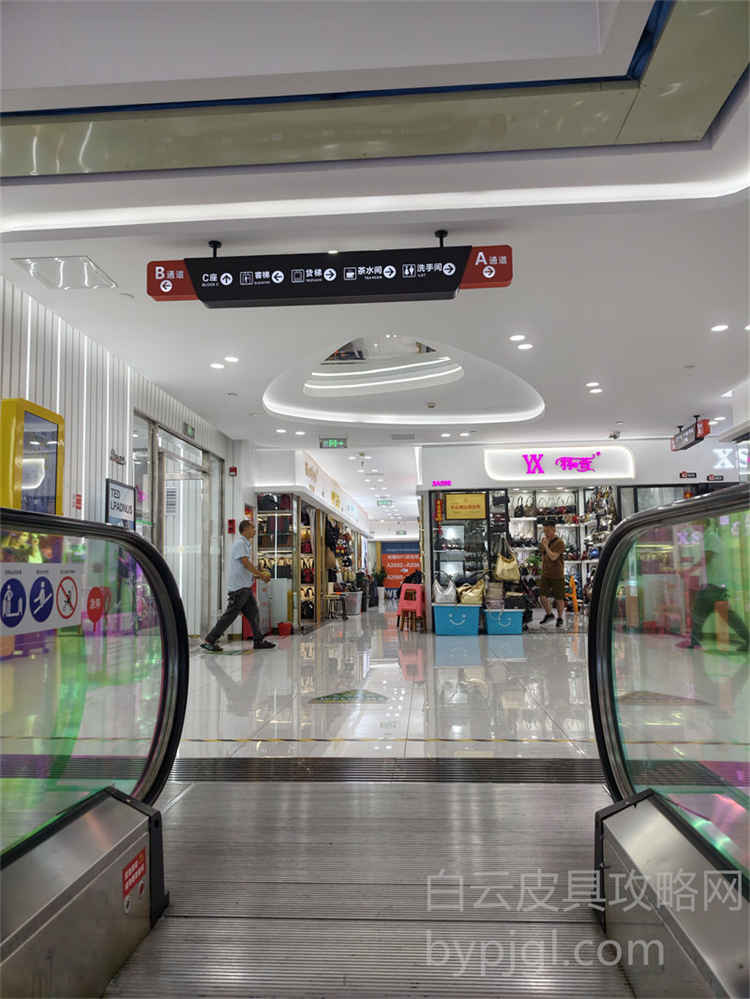
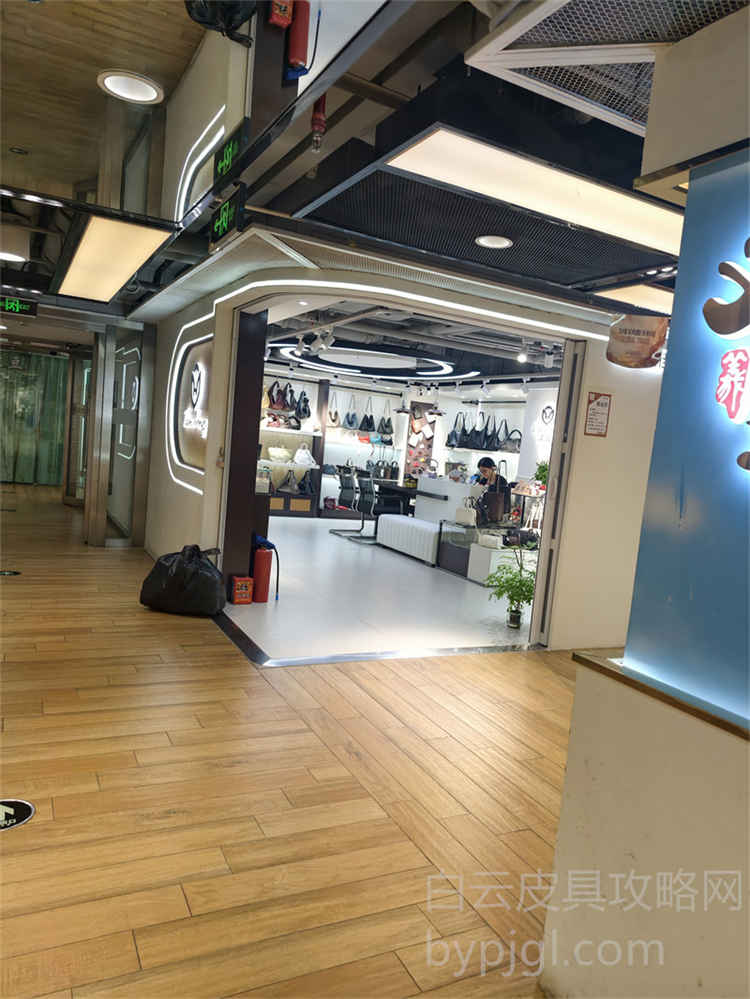
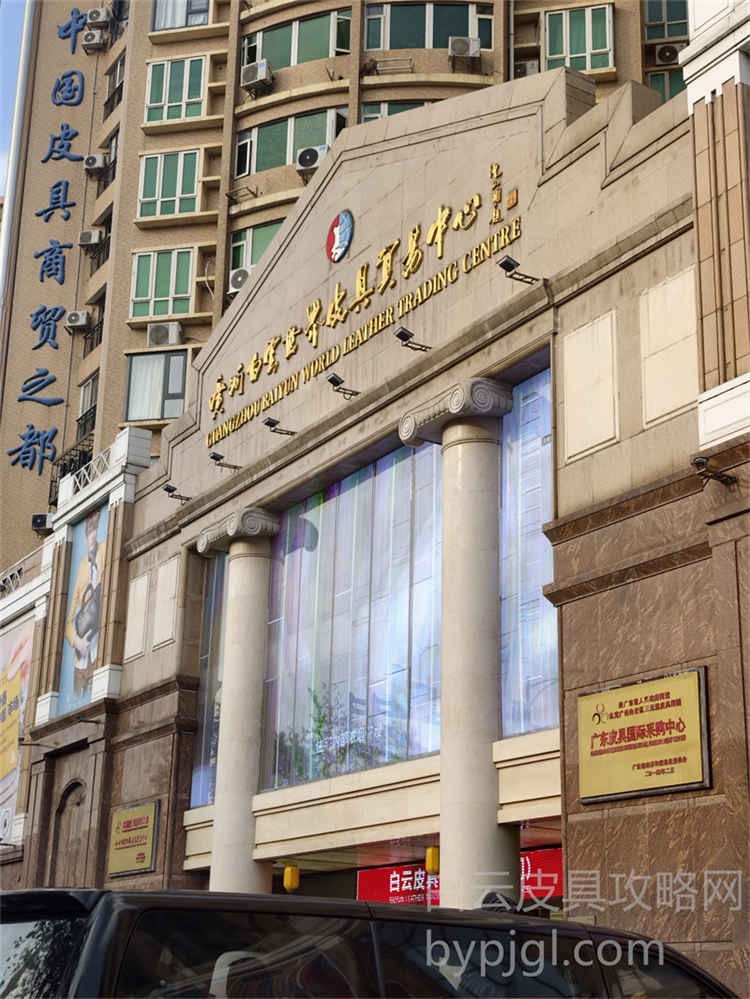
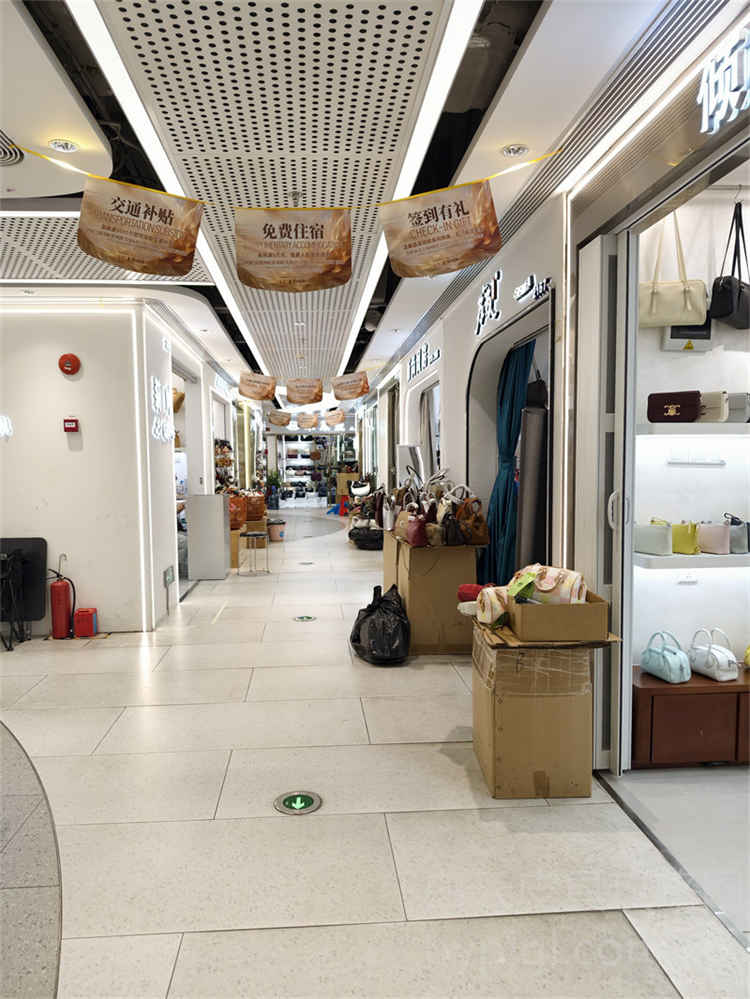
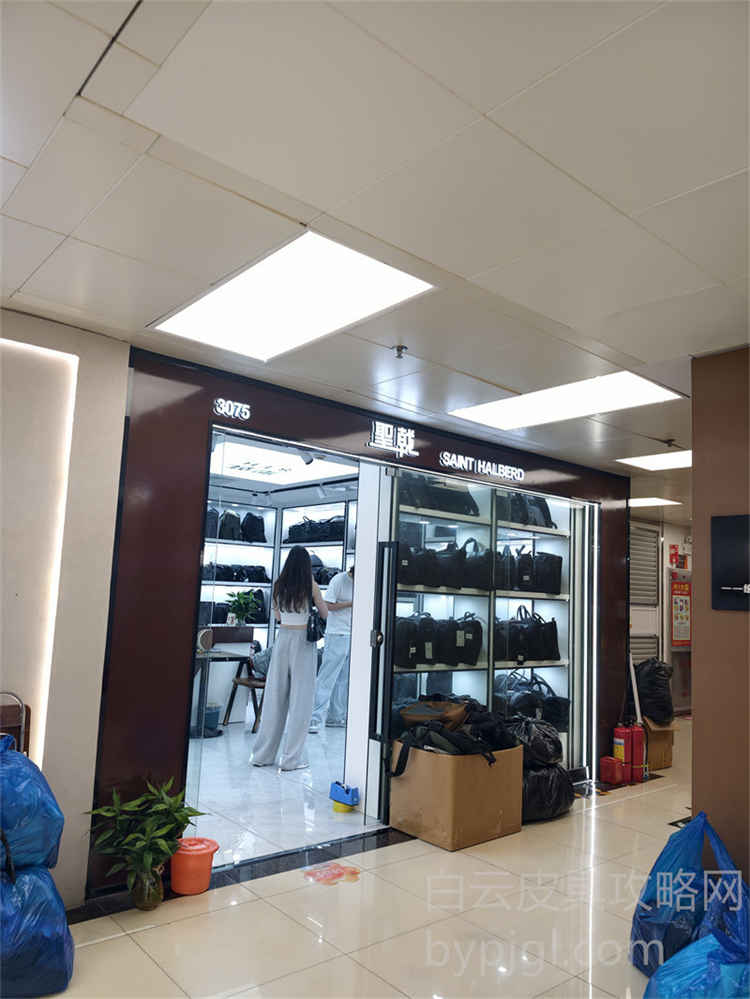
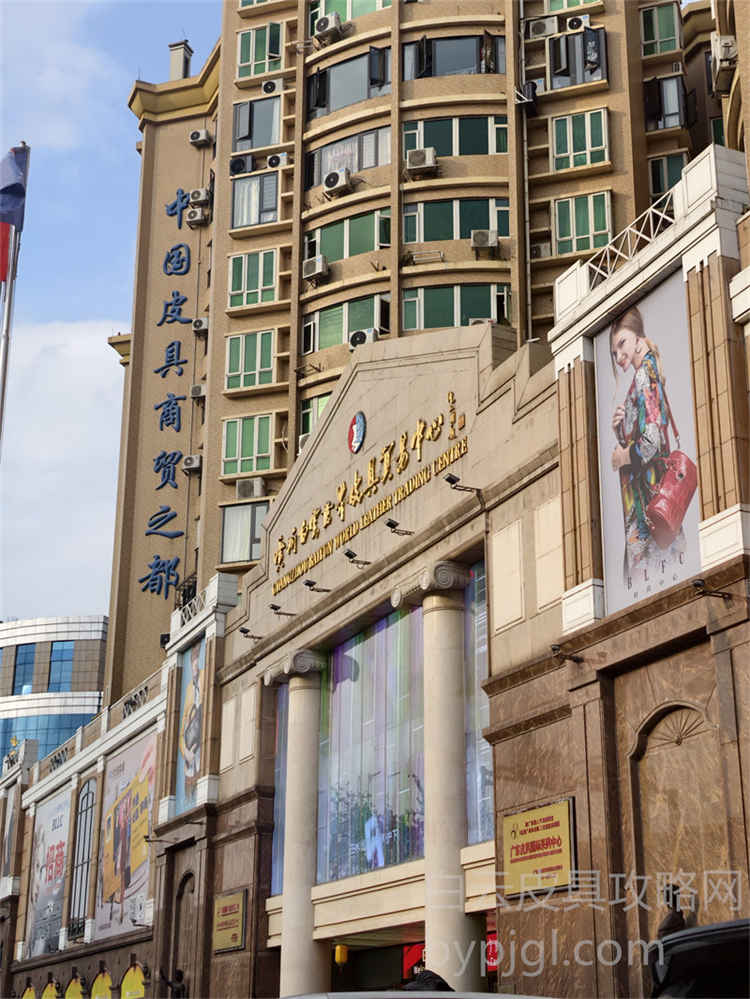
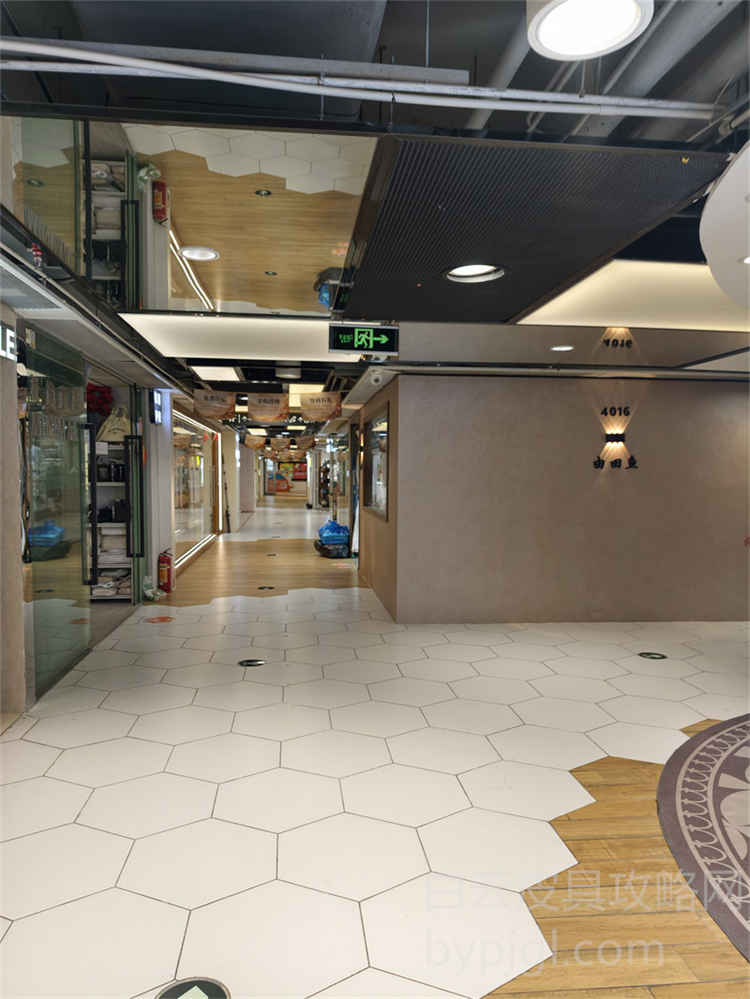
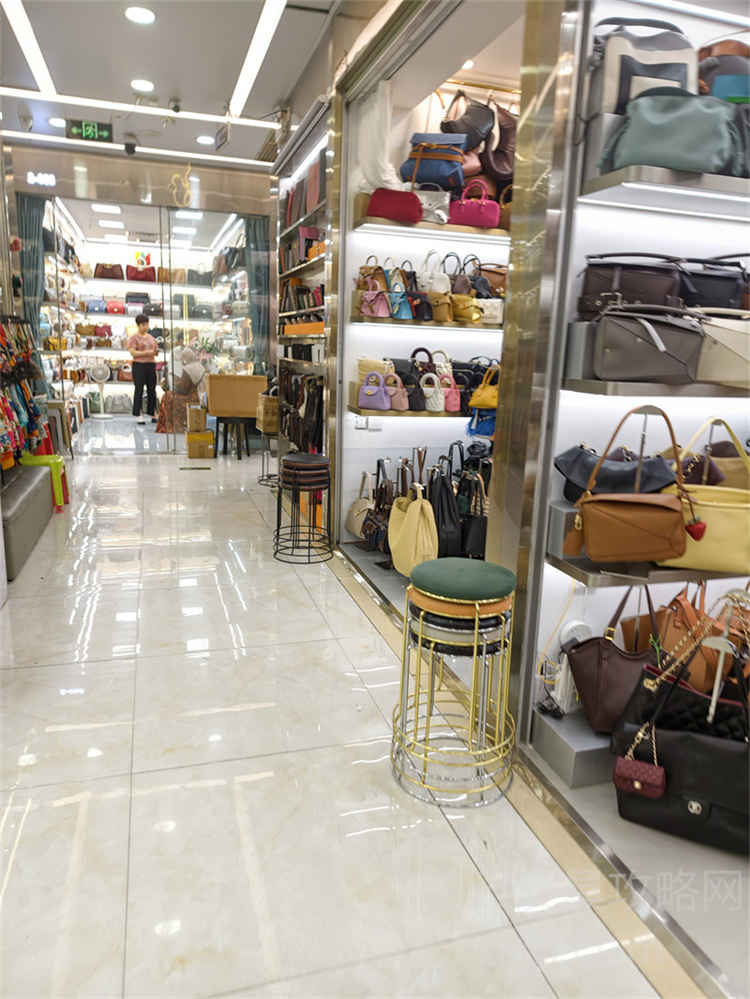
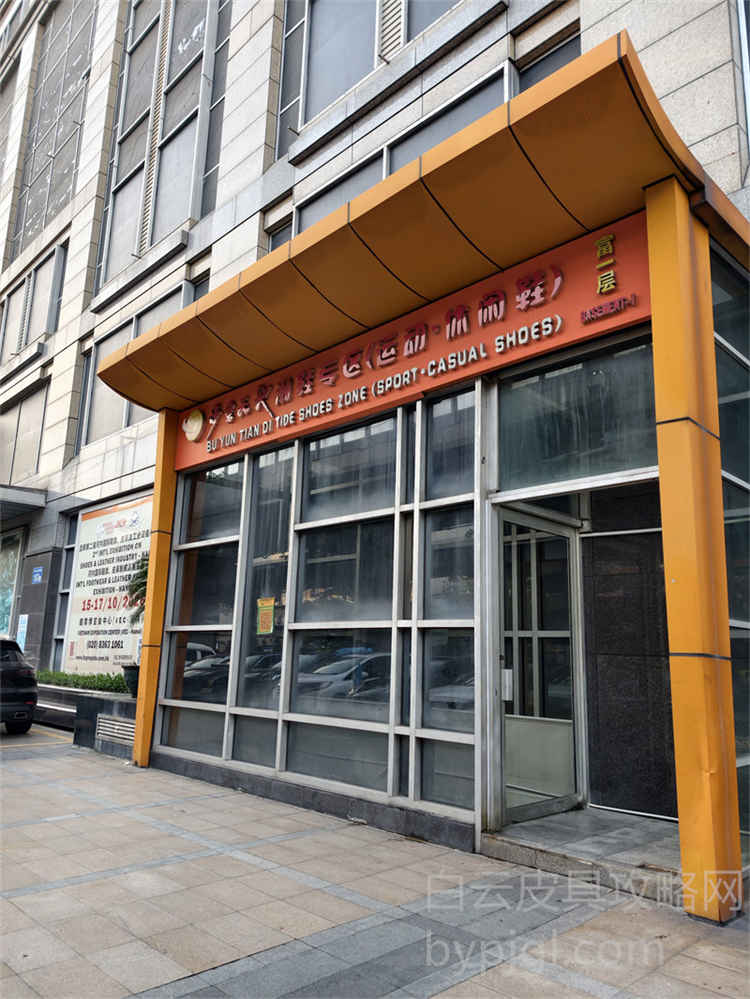
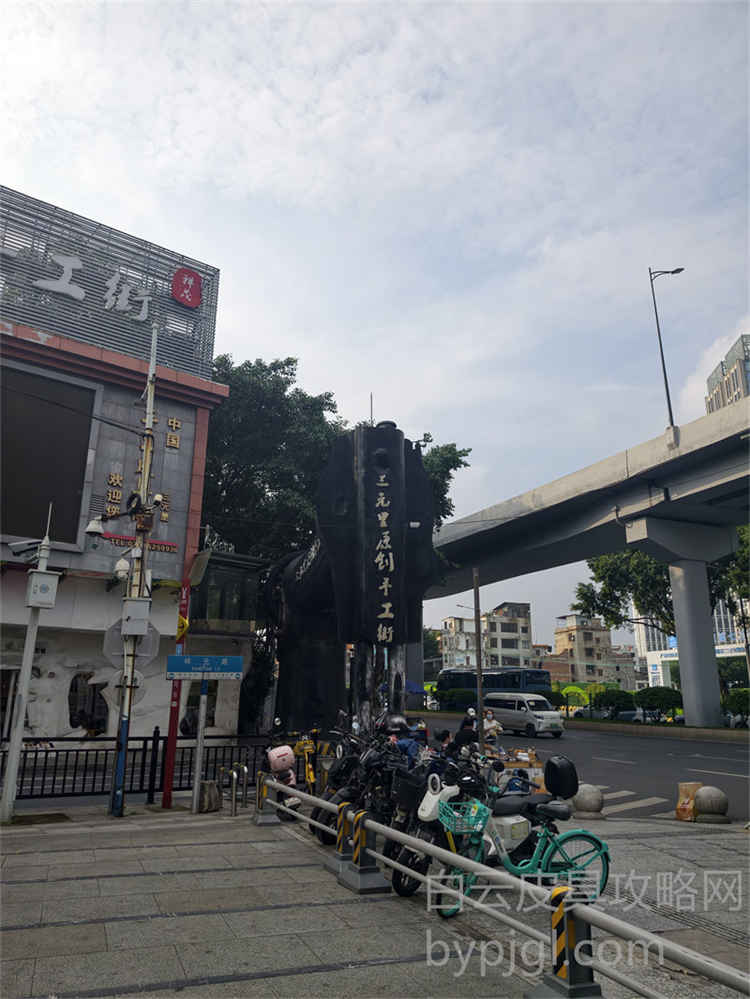
You cannot understand the sourcing game without stepping into the Baiyun International Leather City. It is massive, chaotic, and absolutely electric. Walking through those corridors feels like navigating a maze designed by engineers who never sleep. There are thousands of stalls packed shoulder to shoulder, each one shouting its own story. Some look flashy with neon lights and marble floors, while others are tucked away in narrow alleys with simple wooden tables. Do not be fooled by the exterior. The most reliable suppliers often hide in the older buildings or the upper floors where the crowds are thinner. These are the places where the real work happens, far from the tourist traps that cater to casual shoppers.
Navigating the Market: A Veteran's Guide to Sourcing
When I first started, I made every mistake in the book. I chased the cheapest prices and ignored the quality until I lost half my clients. Now, I guide my international partners through a process that ensures they get exactly what they need. The key is to stop looking for "designer" items and start focusing on craftsmanship and materials. If you walk in expecting to find branded goods at bargain prices, you will be turned away immediately. Instead, focus on the construction, the stitching, and the hardware. That is where the true value lies in our market.
First Impressions and Stall Selection
Your first step is observation. Spend at least two hours just walking around before you try to buy anything. Look at the variety of styles being displayed. A stall that only shows one or two models is usually a middleman reselling stock from someone else. You want to find a factory-direct booth. How do you spot them? They usually have stacks of raw materials nearby, or they can show you different versions of the same bag with slight variations in leather grain or lining. Ask questions that require technical knowledge. Ask about the type of cowhide used, the weight of the zipper, or the specific dyeing process. If the owner hesitates or gives a generic answer, move on. A genuine supplier will be proud to explain their production details.
Building Trust Through Direct Communication
In Guangzhou, trust is built face-to-face. I always tell my new partners to bring a translator if they are not fluent in Mandarin, but even better, learn a few basic phrases. Saying "Hello" and "Thank you" in Chinese goes a long way. When you sit down with a boss, do not rush to negotiate price. Start by discussing the product itself. Show interest in their history and their capacity. If you are looking for high-end leather goods, ask to see their sample room. Most reputable stalls have a back area where they keep prototypes and unfinished pieces. Seeing the raw state of the product tells you more than a finished photo ever could. It reveals the attention to detail in the cutting and sewing stages.
Quality Control and Negotiation Tactics
once you have identified a potential partner, the real work begins. This is where many buyers fail because they rely solely on photos sent via WeChat. Photos can be edited, angles can be hidden, and lighting can make cheap leather look premium. You must physically inspect the goods. Bring a magnifying glass and a flashlight. Check the stitching density. Count the stitches per inch. Feel the texture of the leather. Does it smell like chemicals or natural hide? Test the zippers repeatedly. A good zipper should glide smoothly without catching. In our market, we pride ourselves on using YKK or Riri hardware, so check the branding on the metal parts.
The Art of Negotiating MOQs and Pricing
Pricing in Guangzhou is flexible, but it is not free. Every supplier has a minimum order quantity (MOQ) that varies based on the complexity of the design. For custom orders, the MOQ might be higher, but the unit price drops significantly as volume increases. Do not be afraid to negotiate, but do not be rude. Treat the transaction as a partnership. Explain your target market and your volume expectations honestly. If you are a startup, ask if they have any ready-made stock that matches your style. Many stalls have leftover inventory from previous seasons that they are willing to sell at a discount to clear space. This is a great way to test the quality without committing to a huge initial order. However, remember that the lowest price often comes with the highest risk. Aim for the middle ground where the quality justifies the cost.
Avoiding Common Pitfalls
There are several traps that catch inexperienced buyers off guard. One common issue is the "sample vs. bulk" discrepancy. Sometimes the sample you approve looks perfect, but the mass-produced batch is slightly different. To avoid this, insist on a pre-production sample before the full run starts. Pay for it if necessary; it is worth the extra cost to ensure consistency. Another pitfall is rushing the payment. Never transfer 100% of the money upfront unless you have a long-standing relationship. Use a secure payment method that allows you to hold funds until the goods pass inspection. Also, be wary of sellers who promise delivery times that seem too good to be true. Quality leather goods take time to craft. If they claim to deliver a hundred bags in three days, they are likely cutting corners somewhere.
Conclusion: Your Gateway to Success
Sourcing from Guangzhou is an adventure that requires patience, knowledge, and a keen eye. It is not for everyone, but for those who are willing to put in the effort, the rewards are immense. The Baiyun District offers a depth of selection and a level of flexibility that no other market in the world can match. By following these steps and treating the local suppliers with respect, you can build a sustainable supply chain that delivers consistent quality. Remember, the best deals are not found online; they are found in person, shaking hands with the people who make the products. Come to Guangzhou, walk the floors, and discover the true potential of the leather industry.