Walking the Floors: My Honest Take on Sourcing Bags in Guangzhou
I have been standing behind this counter for over twenty years. While the city of Guangzhou has changed around me, with skyscrapers rising and new subway lines cutting through the old neighborhoods, one thing remains constant: the pulse of the leather goods industry here. If you are reading this from overseas, wondering how to actually get your hands on quality bags without getting scammed or wasting weeks of travel time, let me tell you something straight from the floor of Baiyun District. Forget what you read on generic travel blogs. This is about the real, gritty, day-to-day reality of sourcing from the source.
The First Step: Leaving the Hotel and Finding Your Way
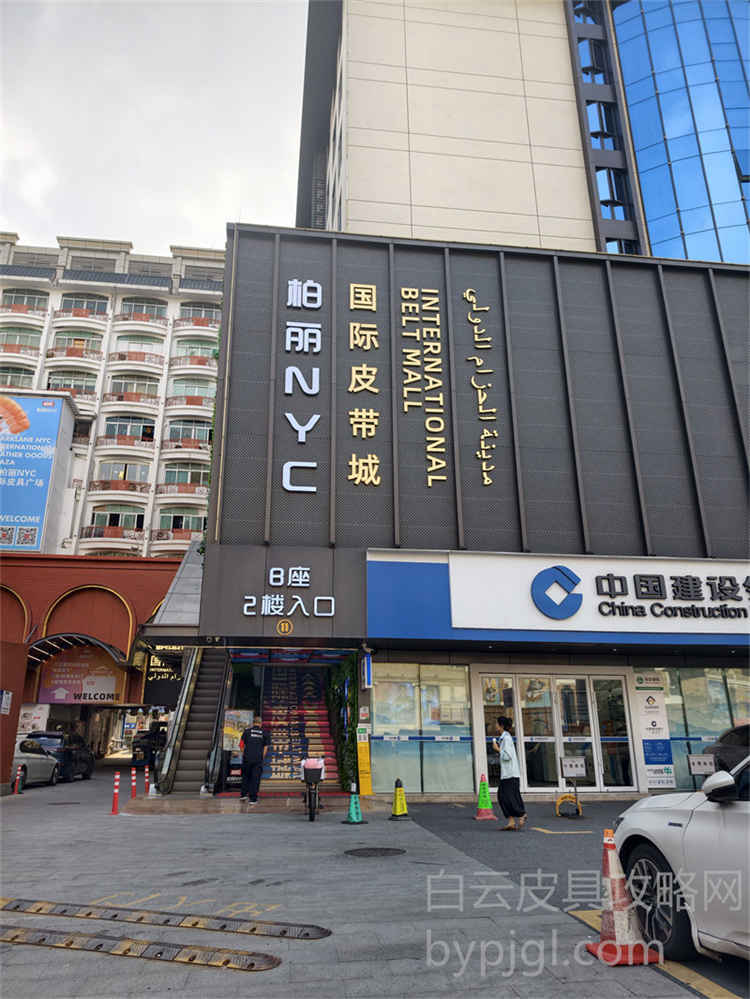
Most first-timers make the mistake of trying to navigate the market alone without a plan. When you step out of your hotel near the Baiyun International Leather Trade Center, do not just wander into the nearest building expecting miracles. The area is a maze of interconnected buildings, each with its own vibe and price point. You need to know where you are going before you even leave your room. The main hub is the famous Baiyun Leather City, but there are dozens of smaller markets surrounding it like the Zhongda and Shiqiao areas that hold hidden gems if you know how to look. I always advise my international clients to spend their first morning just walking the perimeter. Get a feel for the flow of traffic, see which shops have the most activity, and identify the ones that look busy versus the ones that are empty.
Navigating the Showrooms: What to Look For Before You Ask
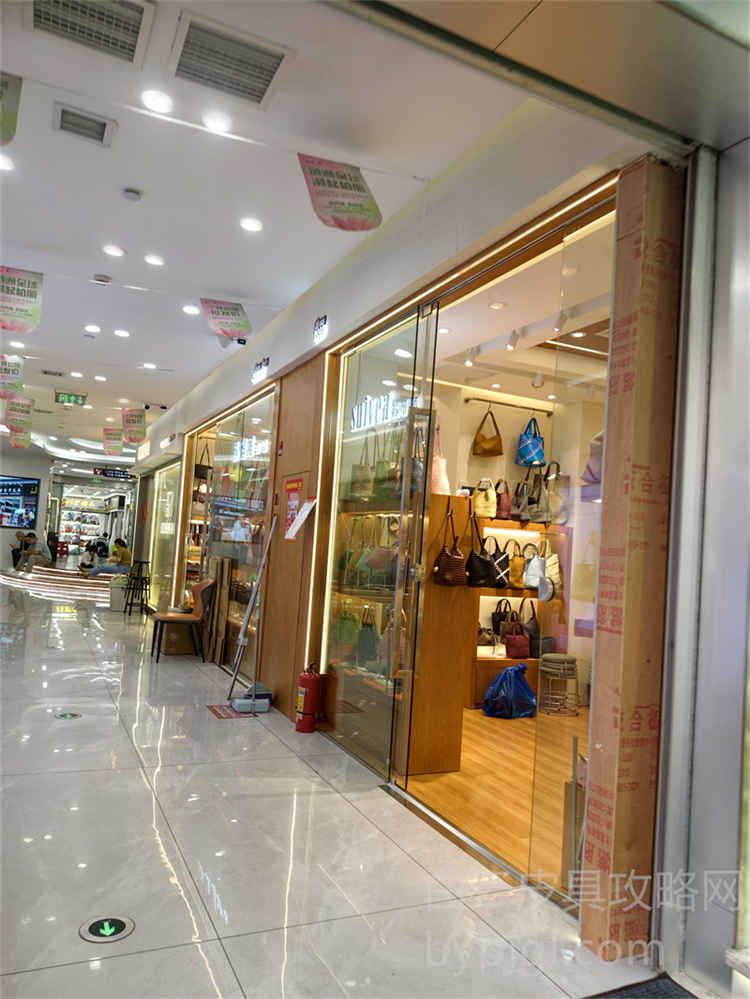
once you are inside, the noise can be overwhelming. It is a mix of Cantonese, Mandarin, and broken English, all happening at once. Do not rush up to the first counter you see. In this business, appearance is everything, but it can also be deceptive. Walk past the flashy displays with the bright lights and the mannequins dressed in expensive-looking outfits. Those are often the showrooms designed to catch the eye of tourists or inexperienced buyers. Instead, look for the stalls that seem slightly more understated but have stacks of boxes ready to go. These are usually the places where the serious wholesale trade happens.
Reading the Room: Identifying the Right Counter
When you approach a stall, observe the staff. Are they rushing around, looking stressed? Or are they calm, organizing materials, and chatting casually with other buyers? A busy, chaotic counter might mean they are overwhelmed and won't give you the attention you need. A counter that is too quiet might mean they have no stock. The sweet spot is a place where people are moving steadily. Look at the samples on display. Are they pristine, or do they show signs of being handled? Real wholesalers often keep their best pieces in the back or under the counter until you ask to see them. If a shopkeeper immediately pulls out a bag from the front shelf without asking what you are looking for, be cautious. They might be pushing old stock that hasn't moved in months.
The Art of Negotiation: How to Talk Like a Pro
This is where many foreign buyers lose money. They try to act like they know everything, or conversely, they act completely clueless. Neither works well here. As an old shop owner, I respect buyers who know the basics of leather and construction. When you start talking, do not ask "How much?" immediately. That is a rookie mistake. Start by asking about the material. Is it genuine cowhide? What grade of hardware? How is the stitching done? By asking technical questions, you signal that you are a professional buyer, not a tourist looking for a souvenir. This changes the dynamic instantly. The seller will stop treating you like a casual shopper and start treating you like a partner.
Setting the Tone for Bulk Orders
once you establish that you are serious, you can move to the numbers. Never accept the first price quoted. In Guangzhou, the initial price is almost always a starting point for negotiation. However, do not lowball aggressively. If you offer half the price, you insult the seller and they will likely kick you out. Instead, ask for their best price for a specific quantity. Mention that you are planning a larger order down the line if the quality holds up. This creates a sense of future partnership. Also, clarify the minimum order quantity (MOQ). Some stalls require you to buy ten pieces of the same style, while others allow mixed orders. Knowing this upfront saves you a lot of headache later when you are packing your luggage.
Quality Control: Don't Ship Trash Without Checking
After you agree on the price and the design, the most critical part begins: inspection. Do not rely on photos sent via WhatsApp or WeChat. Those images can be edited, filtered, or taken from a different batch entirely. You must physically touch the product. Check the smell of the leather. High-quality leather has a distinct, rich scent, whereas cheap synthetic materials smell chemical or plastic-y. Run your fingers over the seams. Are they tight? Is the thread consistent? Check the zippers and clasps. Do they slide smoothly or do they stick? In our market, we call this "checking the bones." If the structure feels flimsy, walk away. No amount of discount is worth shipping defective goods halfway across the world.
Finalizing the Deal and Logistics
once you are satisfied with the sample, discuss the production timeline. Most items are made to order, so lead times vary. Be clear about when you need the goods. Also, talk about packaging. Do you need custom tags? Specific box colors? These small details matter for your brand image. Finally, sort out the logistics. Many of us in Baiyun work closely with freight forwarders who specialize in shipping to the US, Europe, and Southeast Asia. They handle the customs paperwork and consolidation of your goods from multiple stalls. Do not try to ship everything yourself unless you have experience with Chinese export regulations. Let the pros handle the heavy lifting so you can focus on selling your inventory.
Building Relationships for the Long Haul
My final piece of advice is to build relationships. This industry runs on trust. If you find a good supplier, come back to them. Do not jump from stall to stall every season looking for the cheapest option. A supplier who knows your taste and your standards will save you time and money in the long run. Bring gifts, send updates on your sales performance, and treat them with respect. When you return next year, you will find that the door is open, the prices are better, and the priority is given to you. That is the secret to successful sourcing in Guangzhou. It is not just about buying bags; it is about building a network that supports your business growth.