Walking the Floors: My Honest Guide to Sourcing Bags in Guangzhou
I have been standing behind this counter in the Baiyun District for over fifteen years. While the internet tries to sell you a dream of ordering online, nothing beats the smell of leather, the noise of the crowd, and the direct handshake deal that only happens face-to-face. If you are an overseas buyer planning to visit Guangzhou to source handbags, forget what you read on generic blogs. Let me tell you how we actually do business here, from the moment you step off the bus to the moment your goods leave the warehouse.
The Real Layout of the Market
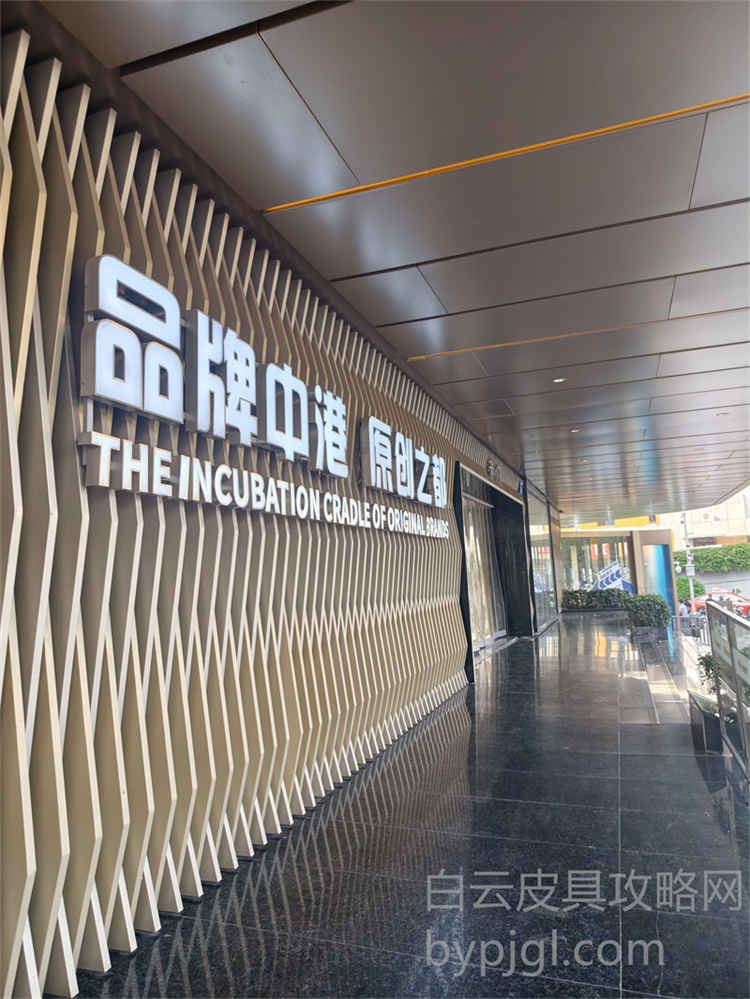
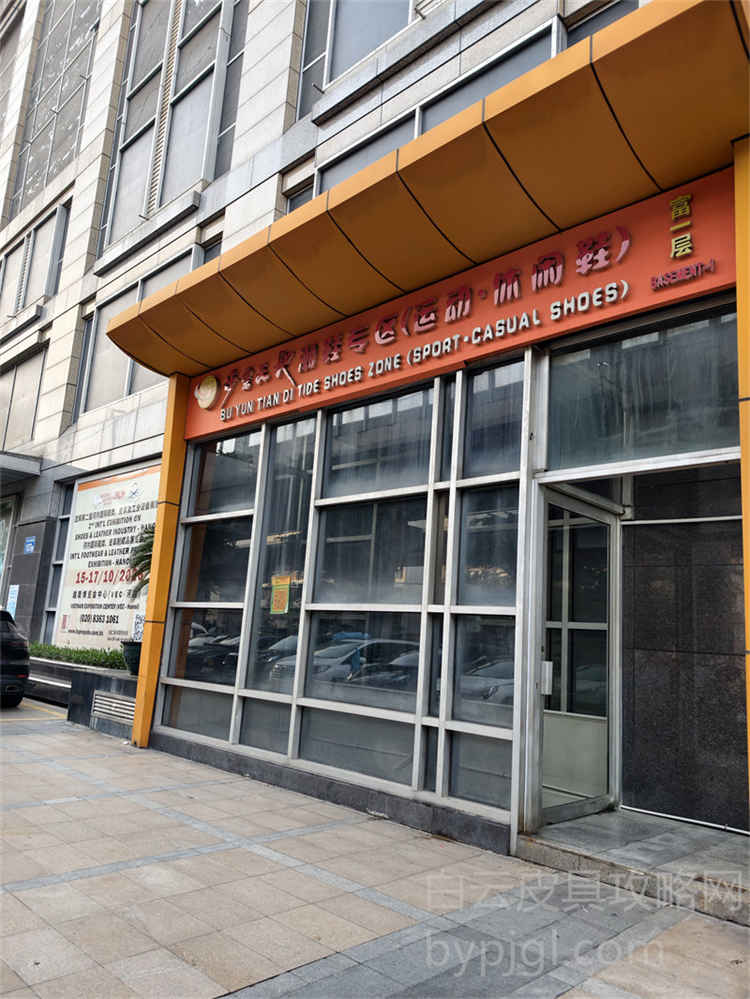
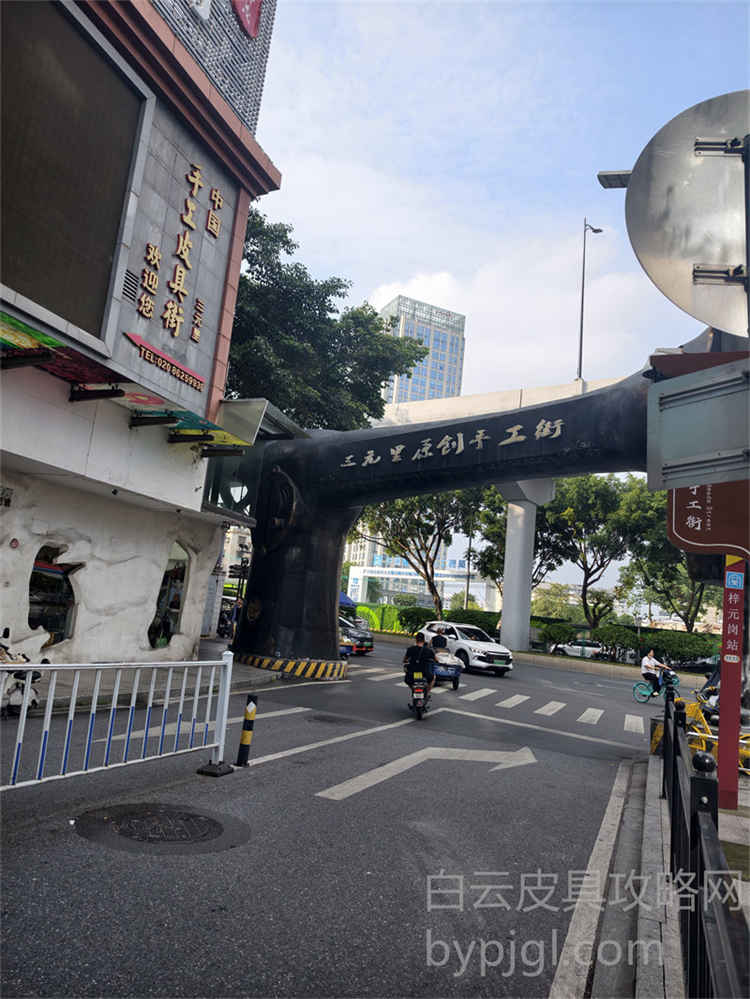
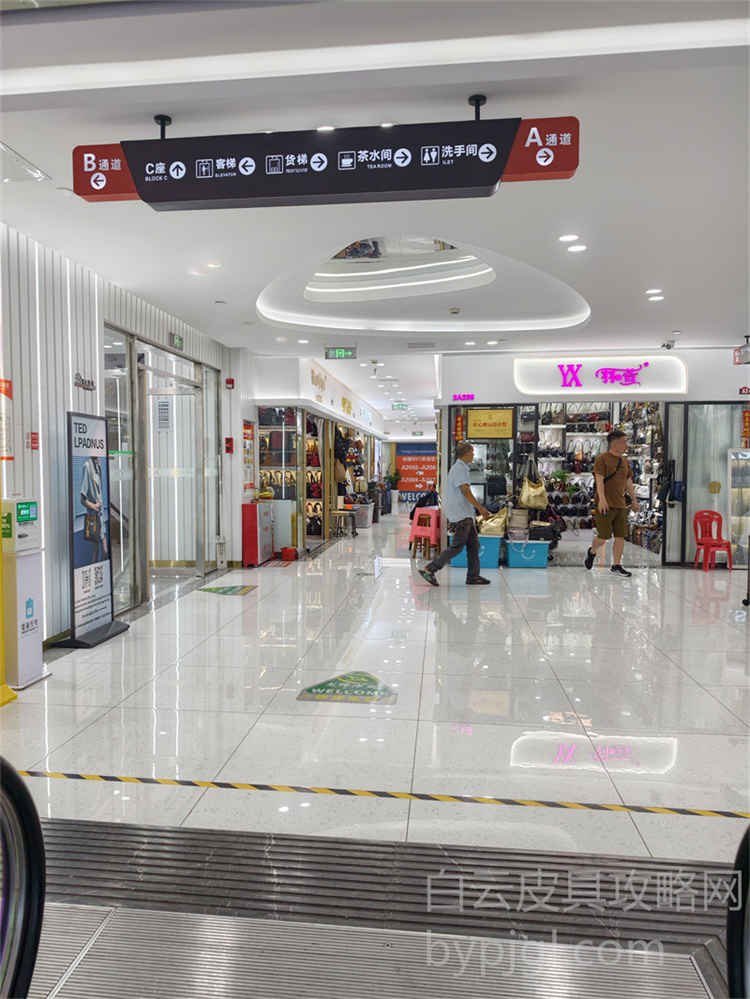
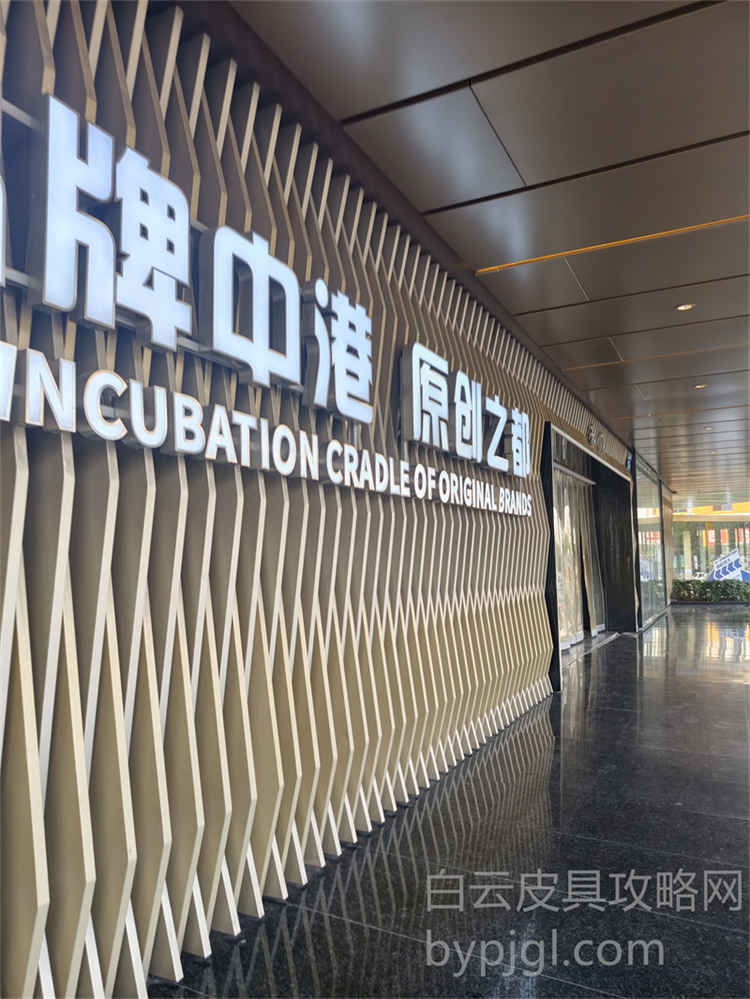
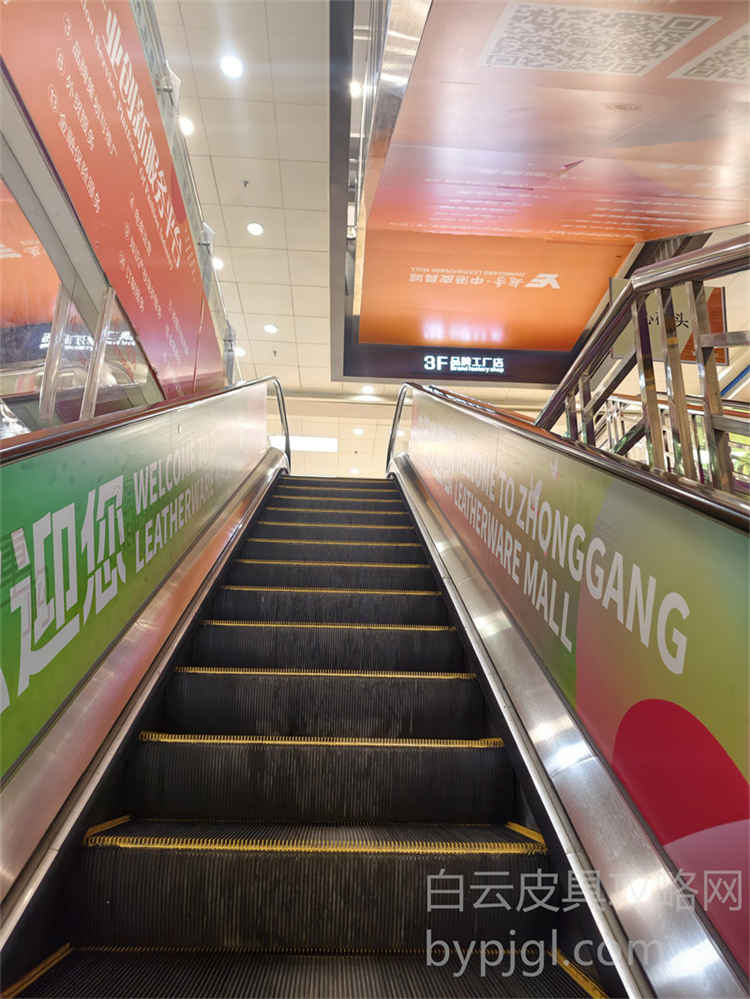
Most people think "Guangzhou Leather Market" is one single building. It isn't. The heart of the action is the Baiyun International Leather City, but it is surrounded by dozens of smaller buildings like Shide Road and Qianxi Road. When I first started, everyone rushed to the big fancy malls. Now, the real deals are often tucked away in the older, less polished buildings where the rent is lower and the owners are more willing to talk. You need to know which floor holds the high-end PU and which section has the genuine leather. Don't just walk in; have a map. The layout changes slightly every year as new renovations happen, so ask the security guard or a local taxi driver where the current hot spots are.
Navigating the Stalls Without Getting Scammed
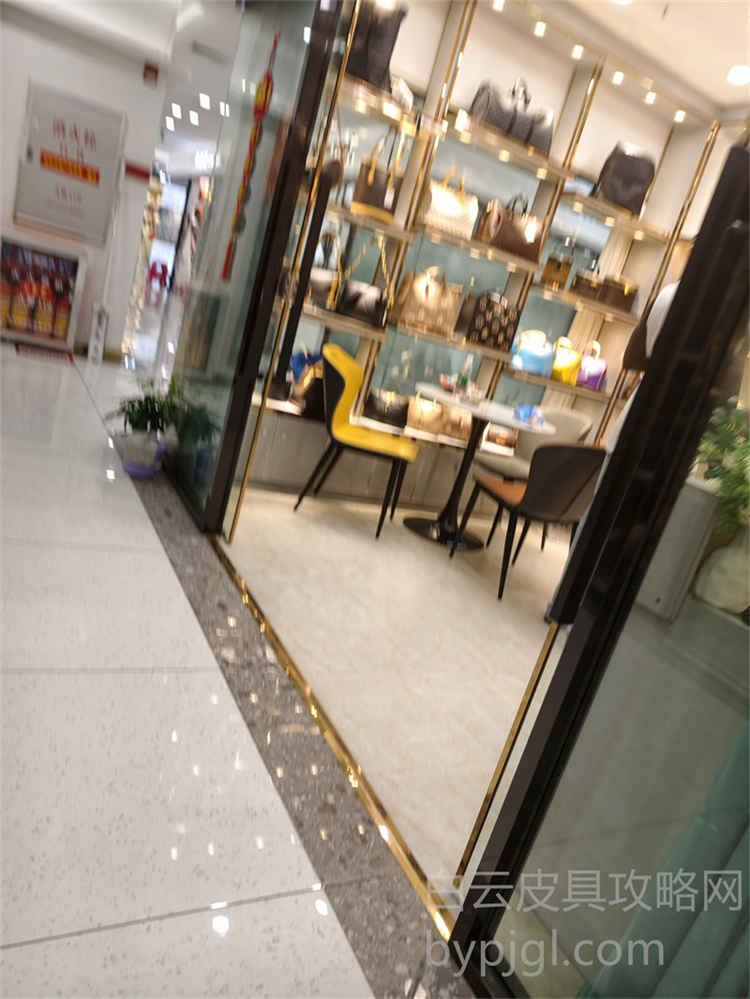
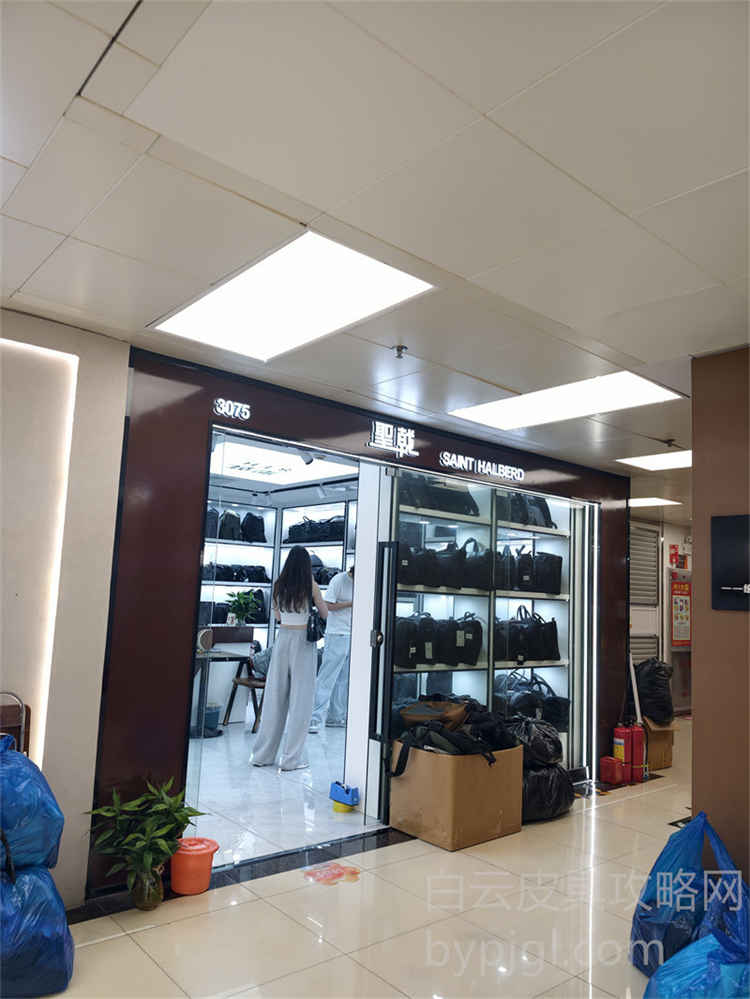
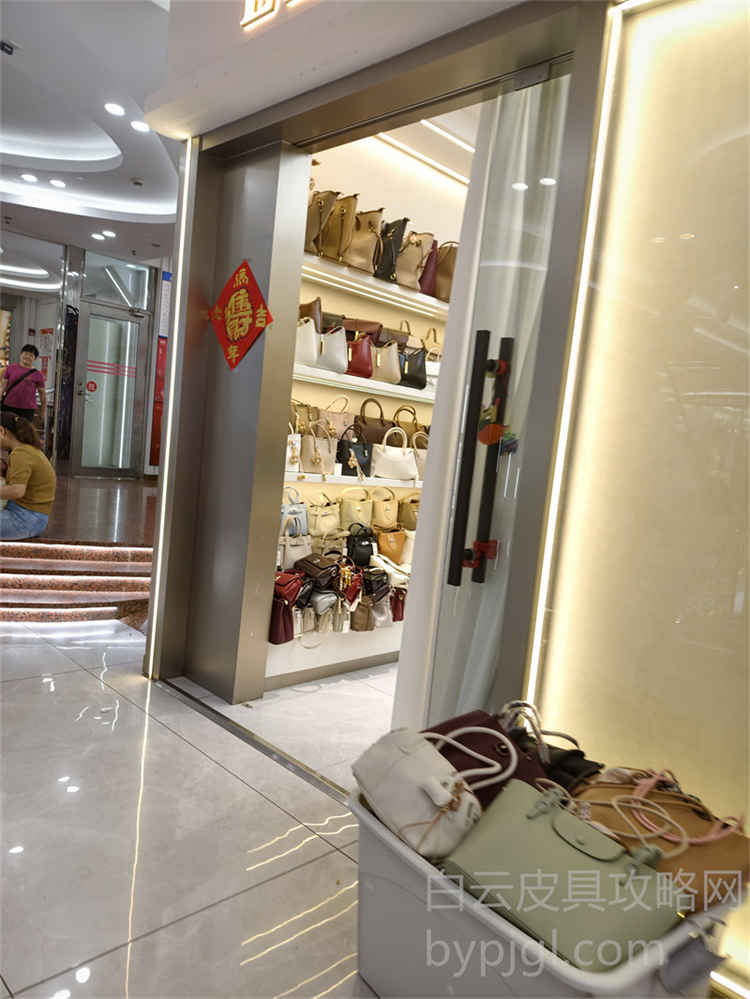
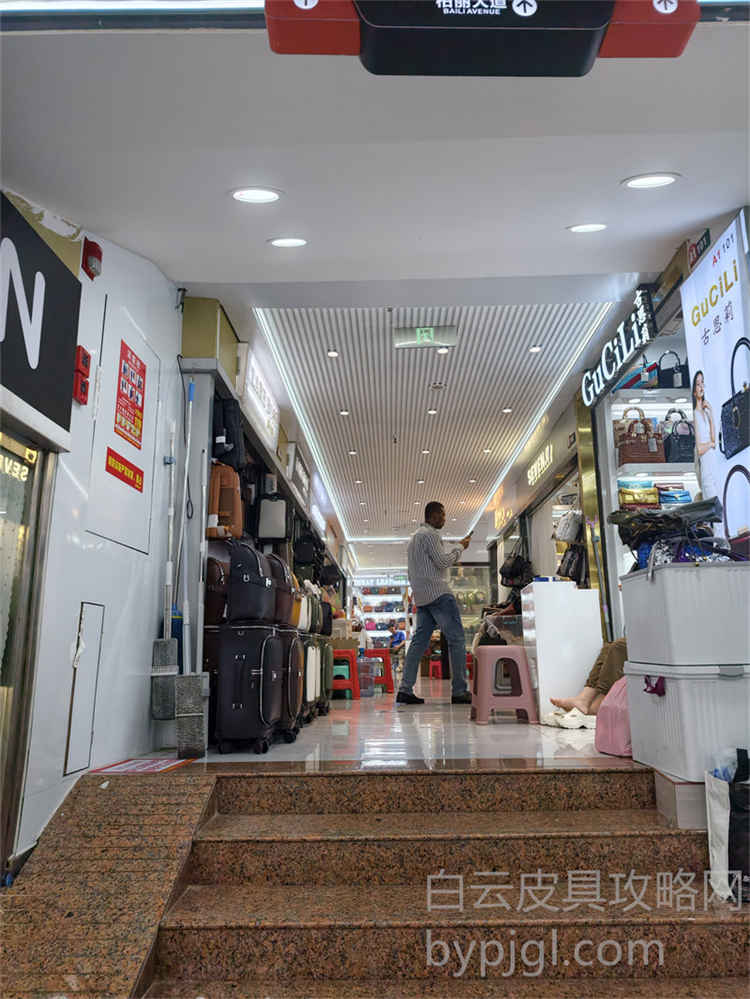
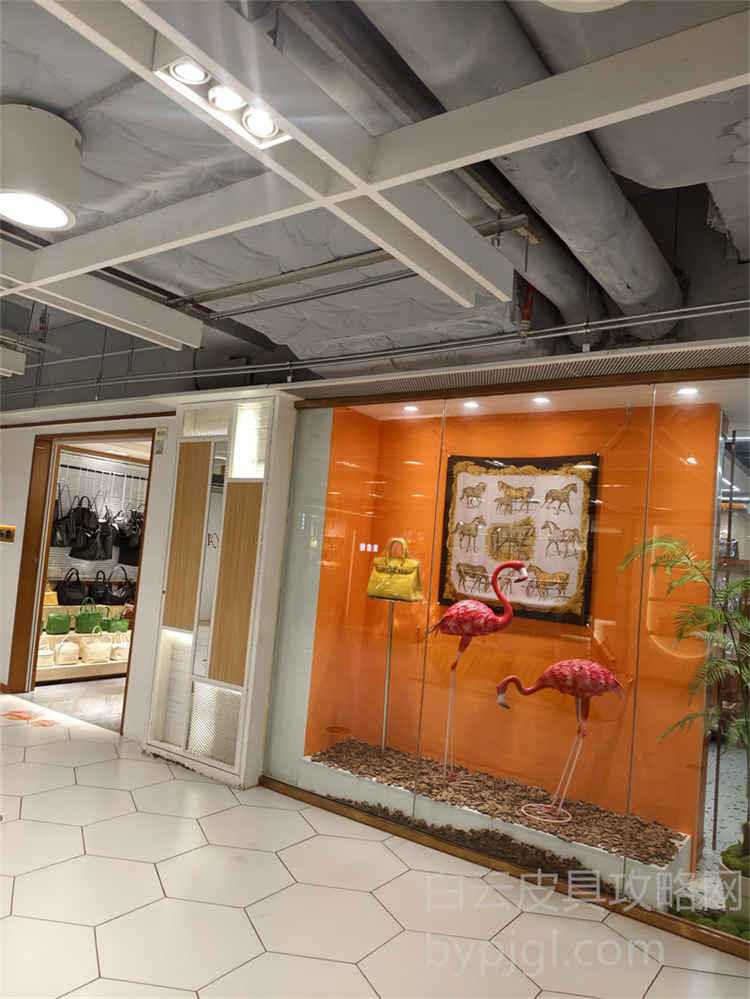
When you enter a stall, the first thing you notice is the wall of bags. They look perfect under the bright LED lights. But here is the secret: the bag on the top shelf is rarely the one you will get. That is the showpiece. We keep the actual stock in the back room or under the counter. As a buyer, you must insist on seeing the "real deal." Do not be shy. Point to a specific bag and say, "Show me the one in stock." If the owner hesitates or says they need to check with the factory, walk away. In this market, if they don't have it, they don't want to sell it to you right now.
Reading the Quality Before You Buy
Touching the material is non-negotiable. In my shop, we use different grades of leather and hardware. A cheap bag might feel soft but lack structure, while a premium one will have a specific weight and grain. Run your fingers along the stitching. Look at the edges. Are they painted neatly? Is the glue visible? These details separate a $5 item from a $50 item. I always tell my foreign friends to bring a small flashlight. Shine it inside the lining. If you see loose threads or uneven dye, that is a red flag. We pride ourselves on consistency, but the market is full of copycats trying to pass off low-grade work as premium. Trust your eyes, not the price tag.
The Art of Negotiation and Bulk Orders
Pricing in Guangzhou is never fixed. The number on the tag is just a starting point. When you ask for a price, expect a markup. This is standard procedure. Start by asking for the "wholesale price" or the "factory price." If you are buying ten pieces, you get a discount. If you are buying fifty, you get a better one. Never reveal your total budget upfront. Instead, test the waters with a small order first. Say, "I am interested in this style, but the price is too high for my target market." Watch their reaction. A good supplier will adjust immediately to keep you happy. A bad one will get angry or refuse to budge.
Building Relationships for Better Terms
One of the biggest mistakes new buyers make is treating every transaction as a one-off. In Baiyun, relationships matter more than anything. If you come back next month and buy again, the price drops, and we prioritize your orders during peak season. I remember a client from Europe who visited three times. By the fourth time, he didn't even need to negotiate; we just pulled out his favorite styles and held them for him. He became a VIP. To build this trust, pay on time, communicate clearly, and be respectful. Do not try to squeeze every penny out of us. We operate on thin margins when we sell in bulk. Fairness goes both ways.
Logistics and Avoiding Common Pitfalls
once you agree on the price and quality, the next step is shipping. Many buyers panic about customs or lost packages. Here is the truth: most stalls in the Baiyun area have established logistics partners who handle international freight daily. They can ship via air express or sea freight depending on your urgency. Ask for a tracking number immediately. Also, always inspect the goods before they leave the stall. Count the items, check the serial numbers if applicable, and ensure the packaging is secure. Do not let the driver take the boxes until you are satisfied.
Red Flags to Watch Out For
There are scams everywhere, especially targeting tourists who don't speak the language. Be wary of anyone offering prices that seem too good to be true. If a bag looks like a luxury brand but costs five dollars, it is fake leather and poor construction. Another common trick is swapping the bag after payment. Always watch the packing process. Furthermore, avoid carrying large amounts of cash. Use mobile payments or bank transfers whenever possible. Finally, be careful with "agents" who claim to represent multiple factories. Go directly to the source. The people behind the counters in Baiyun are the ones making the decisions, not middlemen.
Why You Should Visit in Person
The digital world is great for browsing, but it cannot replace the tactile experience of sourcing in Guangzhou. You can see the color variations, feel the texture, and smell the materials. You can spot defects that photos hide. More importantly, you can meet the people who make your products. When you stand in the bustling aisles of the Baiyun Leather Market, surrounded by thousands of options, you gain a level of confidence that no website can provide. Whether you are looking for trendy styles or classic designs, the depth of inventory here is unmatched. Come prepared, stay curious, and treat every interaction as a partnership. That is how you succeed in the leather trade in China.