Walking the Floors: My Real Talk on Sourcing Bags in Guangzhou
I have been standing behind this counter for over fifteen years. While the city outside has changed, turning from a quiet town into a roaring metropolis, the rhythm inside the wholesale markets remains the same. If you are reading this, you are likely planning a trip to China to source bags, and I want to tell you exactly what that looks like from my side of the counter. Forget the glossy brochures or the generic travel guides. This is about the dust, the noise, the smell of leather, and the real business of moving goods.
The First Rule: Leave Your Expectations at the Door
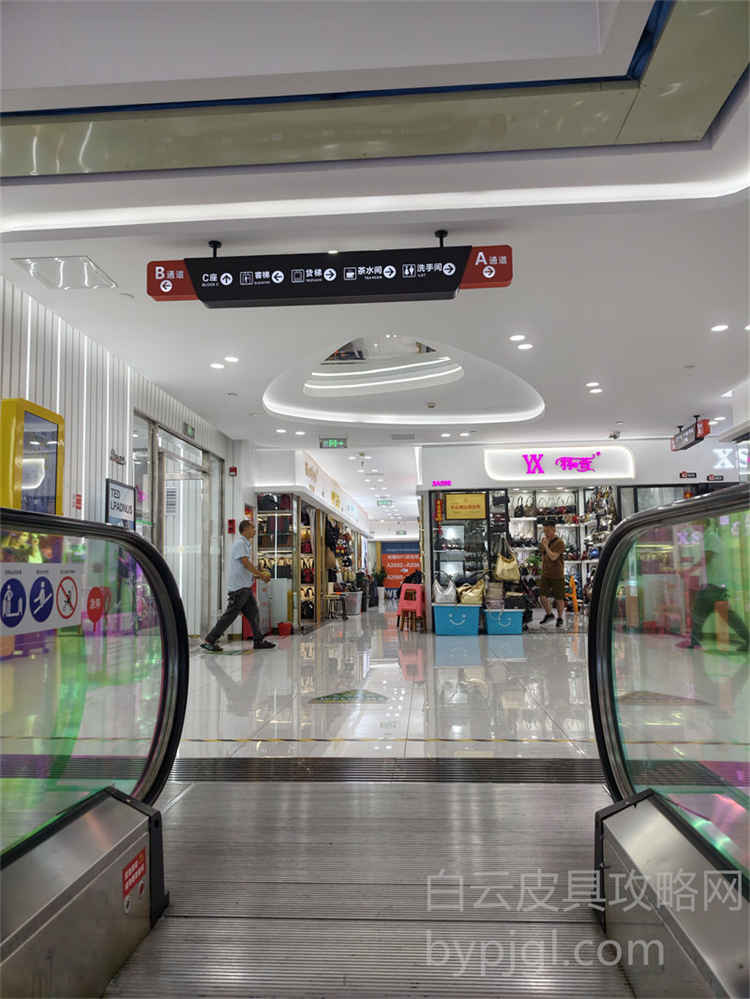
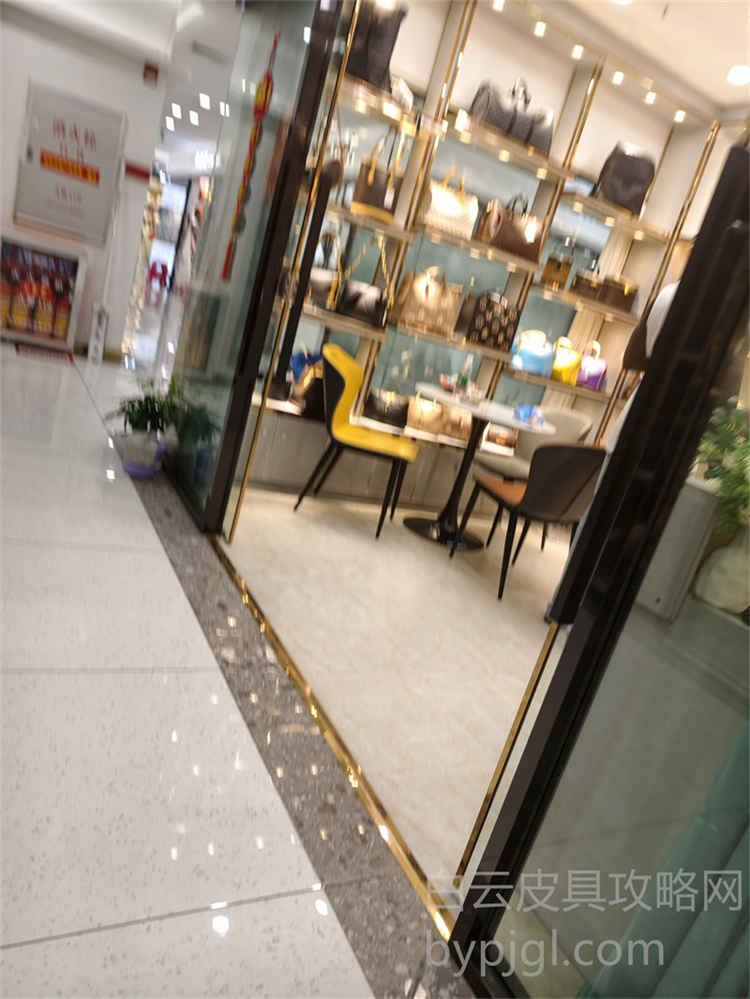
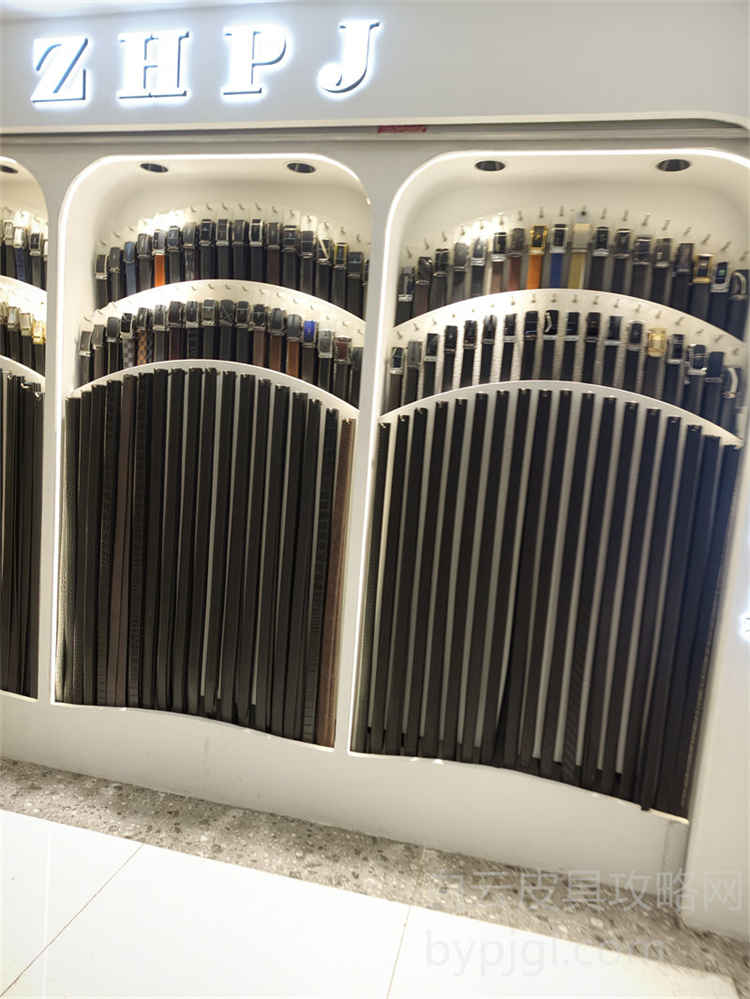
Many first-time buyers arrive with a checklist of brands they want to find. Let me stop you right there. We do not sell those names here. What we sell is craftsmanship, materials, and design freedom. When you walk into the Baiyun Leather City area, you will see thousands of stalls. Some look like fancy boutiques, but most are just open doors with racks of bags hanging everywhere. Do not be intimidated by the chaos. That chaos is where the deals happen. The key is to understand that you are entering a supply chain hub, not a retail store. You are looking for partners, not products off a shelf.
Navigating the Baiyun District: Where the Action Is
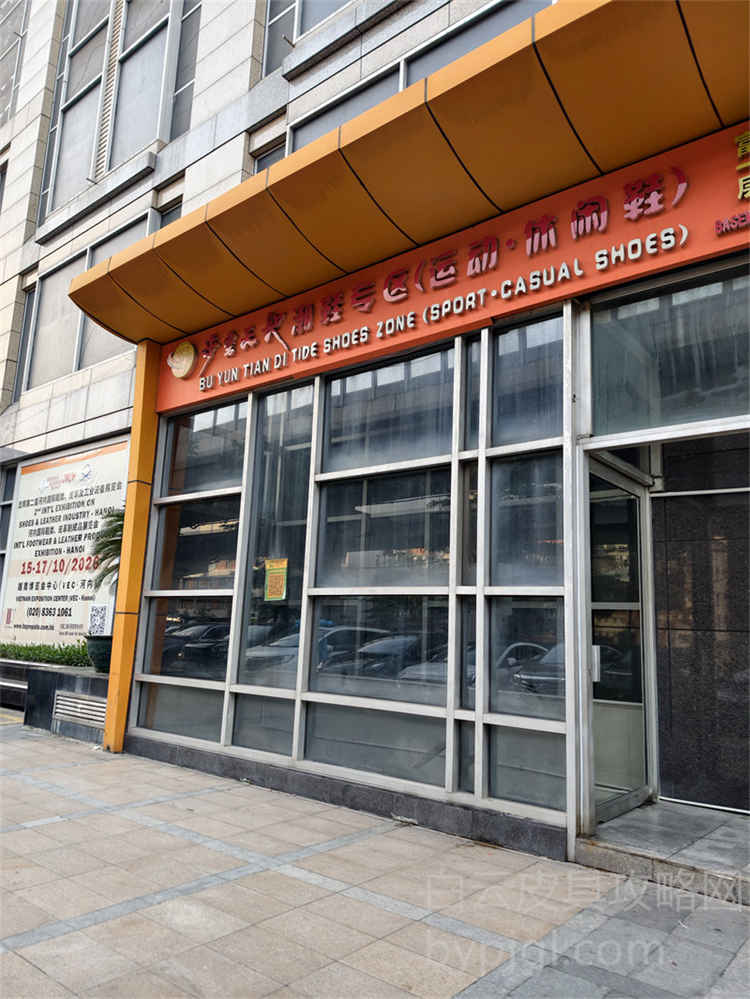
Guangzhou is huge, but for leather goods, the Baiyun district is the heartbeat. Specifically, the areas around Liuhua Road and the massive complexes like Baoma and Qianwan are where the serious volume moves. These are not tourist traps; they are industrial zones disguised as shopping malls. When you arrive, do not expect air conditioning to be perfect in every aisle, and do not expect English to be spoken fluently by every worker. But if you speak clearly and show respect, the owners will talk your language.
Understanding the Layout and Flow
The layout can be confusing if you have never been before. Think of it as a maze of vertical layers. The ground floor often holds the lower-end items or accessories, while the upper floors house the higher-quality manufacturers. As you walk through the corridors, notice the difference between "showrooms" and "workshops." A showroom might have one beautiful bag on display, but the workshop next door has piles of raw hides and sewing machines humming away. Always ask to see the back room. That is where the real inventory lives. If a stall owner refuses to show you their stock room, move on immediately. There is no reason to hide anything if you are a legitimate buyer.
The Art of Selection: How to Spot Quality Without Branding
This is the part that separates the amateurs from the pros. In the US or Europe, you judge a bag by its logo. Here, you judge it by the stitch, the hardware, and the feel of the material. When I am helping a new client, I tell them to touch everything. Run your hand over the surface. Does it feel soft and supple, or does it feel like plastic? Look at the stitching. Are the lines straight? Is the thread tension consistent? Poor stitching is the first sign of a cheap factory.
Materials Matter More Than You Think
We use a lot of different leathers here, from genuine cowhide to high-grade synthetic options. Do not be afraid to ask what the material is. Be specific. Ask if it is top-grain, full-grain, or corrected grain. If they say "high quality PU," ask for a sample swatch to test durability. The hardware is another critical point. Open the zippers. Feel the weight of the clasps. Cheap zinc alloy feels light and flimsy, while brass or stainless steel has a solid heft. In our market, we pride ourselves on using hardware that does not tarnish quickly. If the metal feels thin, it will break within months. Never settle for that.
Dealing with Owners: Negotiation and Building Trust
once you have picked the styles you like, the real work begins. This is not a place for haggling over a few dollars. This is B2B negotiation. The price depends entirely on your order quantity. If you walk in asking for five pieces, you will get the retail price, which is much higher than the wholesale rate. To get the real deal, you need to talk about volume. Even if you are starting small, frame your conversation around future growth. Tell them you plan to build a brand and need reliable partners.
The Language of MOQs and Samples
MOQ, or Minimum Order Quantity, is the standard term you must know. Every factory has a different number. Some might accept fifty pieces per style, while others require five hundred. Do not be shy about asking for samples first. It costs a little extra, usually double the unit price, but it is worth every penny. You need to verify the quality before committing to a large shipment. once you approve a sample, that becomes your reference standard. Keep that sample safe. If the bulk production differs from the sample, you have grounds to reject the shipment. Never skip this step. It saves you from headaches later.
Inspection and Logistics: Don't Get Caught Off Guard
Picking up the goods is only half the battle. Before you leave the warehouse, you must inspect the batch. Bring a friend who speaks some Chinese if possible, or use a translator app, but trust your own eyes more. Check for glue stains, uneven coloring, or loose threads. Count the pieces. Make sure the packaging is secure. In Guangzhou, logistics companies are everywhere. They handle the shipping to ports worldwide. However, do not let the seller choose the forwarder without your approval. Find a freight forwarder you trust, or ask the seller for recommendations from other international clients.
Avoiding Common Pitfalls
There are scams, though rare among established shop owners like me. The biggest risk is paying 100% upfront without any contract or inspection rights. Always negotiate a payment structure. A deposit of 30% to start production and the balance upon inspection is standard practice. Also, beware of sellers who promise "designer quality" at rock-bottom prices. If it sounds too good to be true, it is. Real leather and good construction cost money. Another common mistake is ignoring the customs regulations in your home country. Ensure your supplier provides proper documentation, invoices, and packing lists that comply with local laws. We are happy to help with paperwork, but it is your responsibility to know the rules.
Final Thoughts: Building a Relationship
My advice to anyone coming to Guangzhou to buy bags is simple: come with an open mind and a willingness to learn. This industry is built on relationships. If you treat us with respect, listen to our advice, and pay on time, we will treat you like family. We will give you priority on new designs, better pricing, and faster shipping. The Baiyun Leather Market is a treasure trove for anyone willing to dig deep. It is not just about buying a product; it is about finding a partner who understands your vision. So, pack your bags, bring your notebook, and get ready to walk the floors. The best deals are waiting for those who take the time to find them.