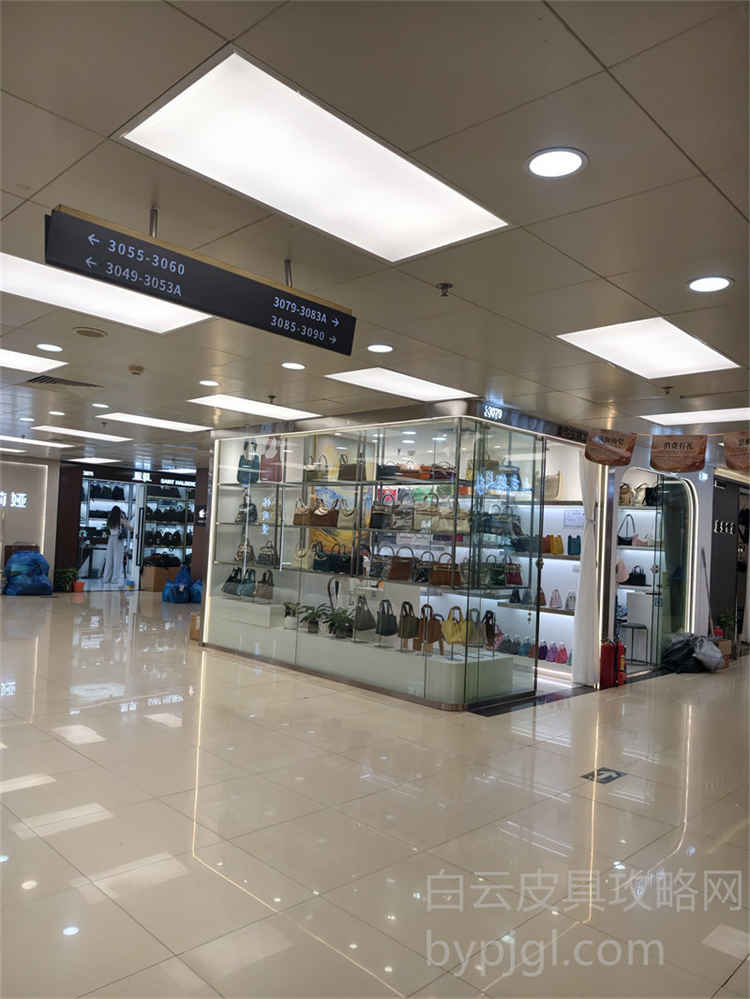
Walking the Floors: A Veteran's Guide to Guangzhou Bag Wholesale
I have been standing behind this counter in Guangzhou for over fifteen years. While the city changes around me, the rhythm of the leather markets remains the same. If you are reading this from overseas, thinking about flying here to source bags, let me tell you something first: do not expect a smooth online transaction to replace the reality of being on the ground. The magic of Guangzhou wholesale happens only when your feet touch the floor and your hands touch the leather. I am not a sales agent; I am an old shop owner who has seen thousands of buyers come and go. Some leave with gold mines, others leave with empty pockets and headaches. Today, I want to share the real, unfiltered truth about navigating the leather districts, specifically focusing on the massive hubs near Baiyun.
Navigating the Labyrinth of Baiyun Markets
The First Step: Where to Start Your Journey
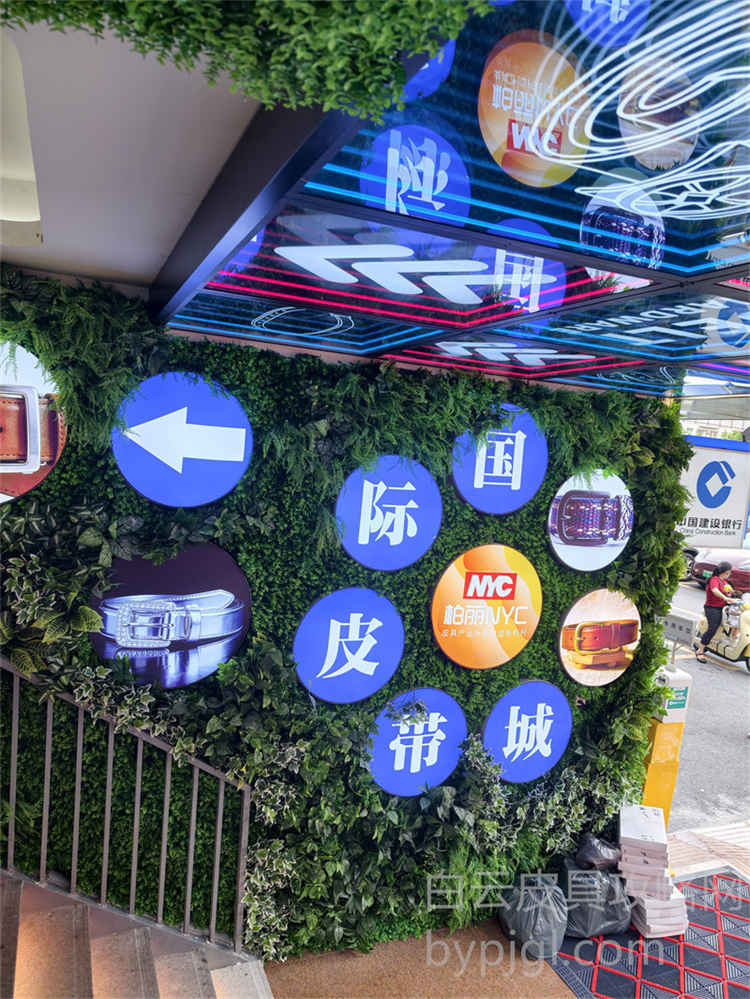
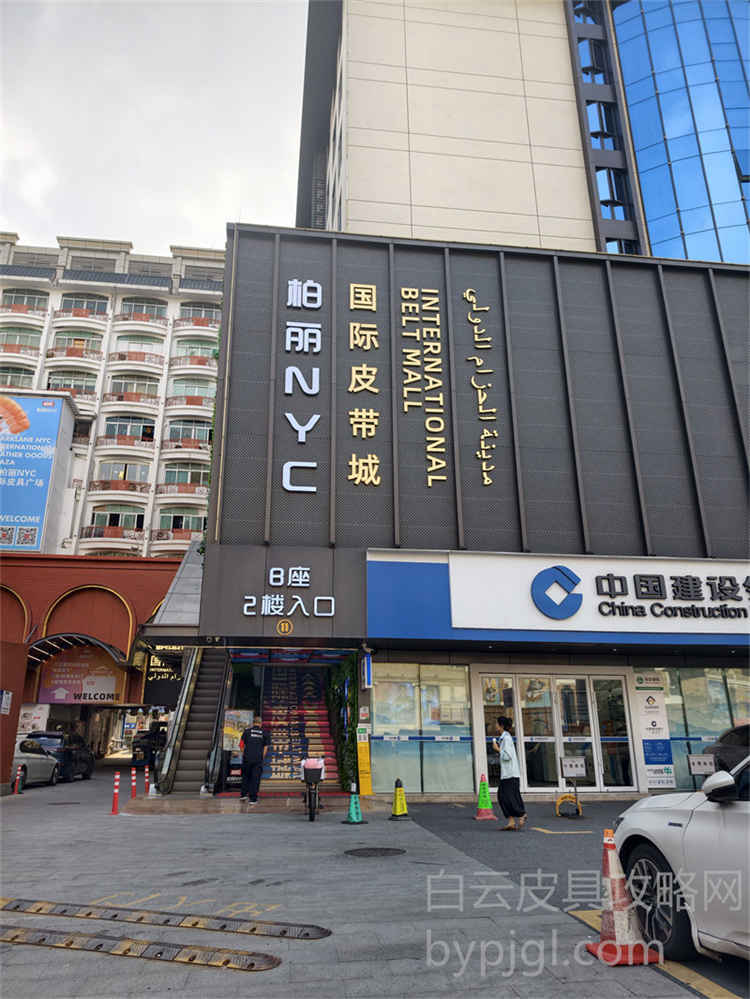
When you step out of the airport or train station, the noise hits you immediately. But your first destination must be the Baiyun Leather City area. There is no single "Baiyun Market"; it is a cluster of several massive buildings, each with its own personality. You will see signs for World Trade Center, Shide, and many others. Do not get lost trying to find one specific building. Instead, pick the main artery, walk through the corridors, and let the flow guide you. The older buildings often house the more established factories with better quality control, while the newer towers might have flashier displays but sometimes less consistent stock. As a local, I always advise my international friends to start at the lower floors of the major complexes. That is where the real bulk deals happen, away from the showrooms on the top levels designed just for tourists.
Understanding the Layout and Language Barriers
You will notice that English is spoken differently here. It is not the polished corporate English you hear in hotels. It is broken, fast, and mixed with Cantonese dialects. Do not be intimidated. Most owners speak enough to understand numbers and basic descriptions like "cowhide," "PU," or "hardware." Bring a translator app, yes, but also bring a notebook. When you ask about a specific style, write down the code number they give you. This is crucial because the same bag might look slightly different in three different shops. In the Baiyun district, the layout can be confusing. Corridors twist, and stairs lead to dead ends. My advice? Walk the perimeter first. Get a feel for the density of the stalls. If a corridor is packed with people carrying large boxes, that is usually a sign of high turnover and good prices.
The Art of Selection: Seeing What Others Miss
Touching the Material Before Talking Price
Never ask for a price list before you inspect the goods. In my experience, the moment you ask for a catalog, the seller knows you are either a novice or a serious buyer looking for a quick deal. Instead, ask to see the samples. Run your fingers over the grain. Real leather feels cool and soft; synthetic materials feel warm and stiff. Look at the stitching. Is it straight? Are there loose threads? In Guangzhou, the difference between a $50 bag and a $150 bag is often hidden in the details you cannot see from a distance. Check the lining. Does it pull easily? Is the zipper heavy or flimsy? I have seen buyers fall in love with a design only to realize the hardware tarnishes after two weeks. Take your time. Spend ten minutes at one stall. Show them you know what you are doing by asking technical questions about the tanning process or the type of glue used.
Identifying the Right Supplier for Your Niche
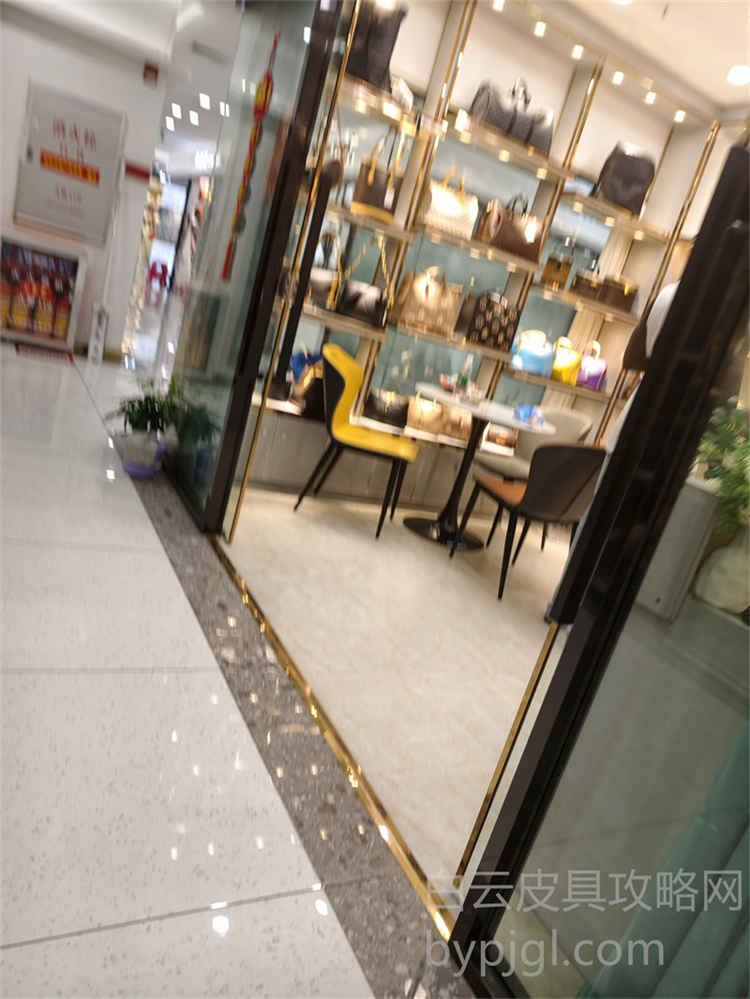
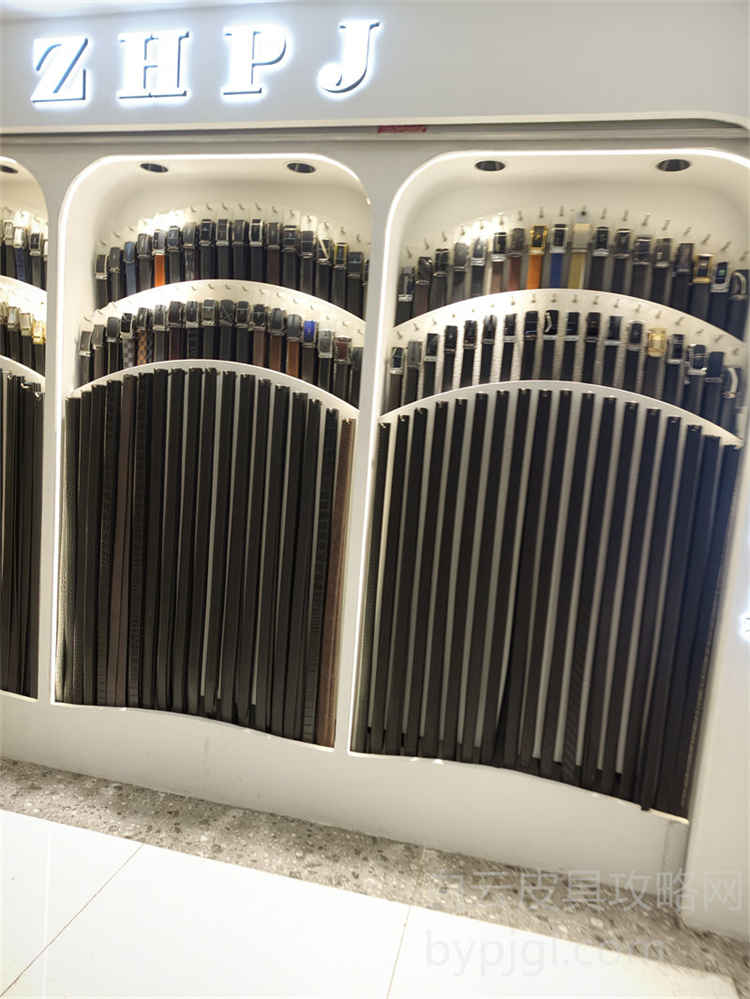
Not every stall sells everything. Some specialize in luxury-inspired styles, others focus on casual tote bags, and some only make small clutches. As you walk through the Baiyun Leather City, pay attention to the specialization. If you are looking for high-end craftsmanship, avoid the stalls that display fifty different styles in a chaotic pile. Go to the ones that have a few items displayed neatly, often with fabric swatches nearby. These are usually the workshops that take pride in their output. Ask if they can customize the color or the logo. Many smaller workshops in these markets are willing to work with you on small batches if you show genuine interest. They are not big corporations; they are artisans who want to build long-term relationships with foreign buyers.
Dealing, Negotiating, and Avoiding Pitfalls
The Dance of Negotiation
Price negotiation is an art form here. The first price quoted is never the final price. It is a starting point. Do not be afraid to walk away. If a seller sees you hesitate, they will drop the price. However, do not lowball them too aggressively. If you offer half the price, they will think you are insulting their craft. Aim for a middle ground. Mention that you plan to order regularly or that you are bringing other buyers next month. Volume is your best friend. Also, clarify the Minimum Order Quantity (MOQ). Some stalls require you to buy ten pieces of one style, while others allow you to mix and match five pieces of different designs. Always confirm this before you agree to anything. In the heat of the moment, it is easy to forget these details.
Quality Control and Shipping Logistics
once you have selected your items, do not just hand over the money and leave. Inspect the batch again. Count the pieces. Check for any defects that were missed during the initial selection. If you are buying a large quantity, ask for photos of the actual production line or the finished goods before they are packed. Many sellers in the Baiyun area have warehouses nearby where they store inventory. Ask to visit the warehouse if possible. This gives you peace of mind knowing the goods exist and are ready to ship. Regarding shipping, most sellers can handle the logistics for you, but you should arrange your own freight forwarder if you want better rates. They will pack the bags carefully, but you need to ensure the box is sturdy enough for international transit. Never accept a shipment without checking the weight and dimensions against your invoice.
Building Relationships for the Long Term
Beyond the Transaction
The biggest mistake foreign buyers make is treating this as a one-time event. The market in Guangzhou rewards loyalty. If you return to the same stall six months later, you will get better prices, priority access to new designs, and perhaps even free samples. I remember a client from Europe who visited us twice a year. By the third visit, he was treated like family. He got the first look at our upcoming collections and could reserve stock before anyone else. This is the power of personal connection. Send us updates about your business, tell us how the bags are selling in your country, and we will adjust our production to meet your needs. We are not just selling products; we are building a network.
Final Thoughts for the Traveler
Guangzhou is a city of energy, chaos, and opportunity. The Baiyun Leather City is the heart of this industry. It is not perfect. There are distractions, noise, and language barriers. But if you approach it with patience, curiosity, and a sharp eye, you will find treasures that you cannot find anywhere else in the world. Trust your instincts, trust your hands, and trust the locals who have been doing this for decades. Come with an open mind, and you will leave with more than just bags; you will leave with knowledge and connections that will last a lifetime. Welcome to the real world of wholesale.