Walking the Floors: My Honest Take on Sourcing in Guangzhou
Welcome to my shop. I have been standing right here in the heart of Baiyun for over twenty years, watching the crowds come and go, from first-time tourists to seasoned buyers who know exactly what they want. If you are reading this, you are likely planning a trip to find high-quality leather goods without paying the astronomical prices found in department stores back home. Let me tell you something straight from the floor: the real value isn't in the brand logo; it is in the craftsmanship, the leather grade, and the relationship you build with the person behind the counter.
Many people think they can just walk into any mall and get the best deal. That is a myth. The magic happens in the wholesale districts where the air smells like fresh leather and glue, and the noise level is deafening but filled with the sound of business. You need to be prepared to walk miles, touch hundreds of bags, and ask questions that show you know your stuff. This is not a shopping spree; it is a sourcing mission.
Navigating the Wholesale Districts
Why Baiyun is Still the King
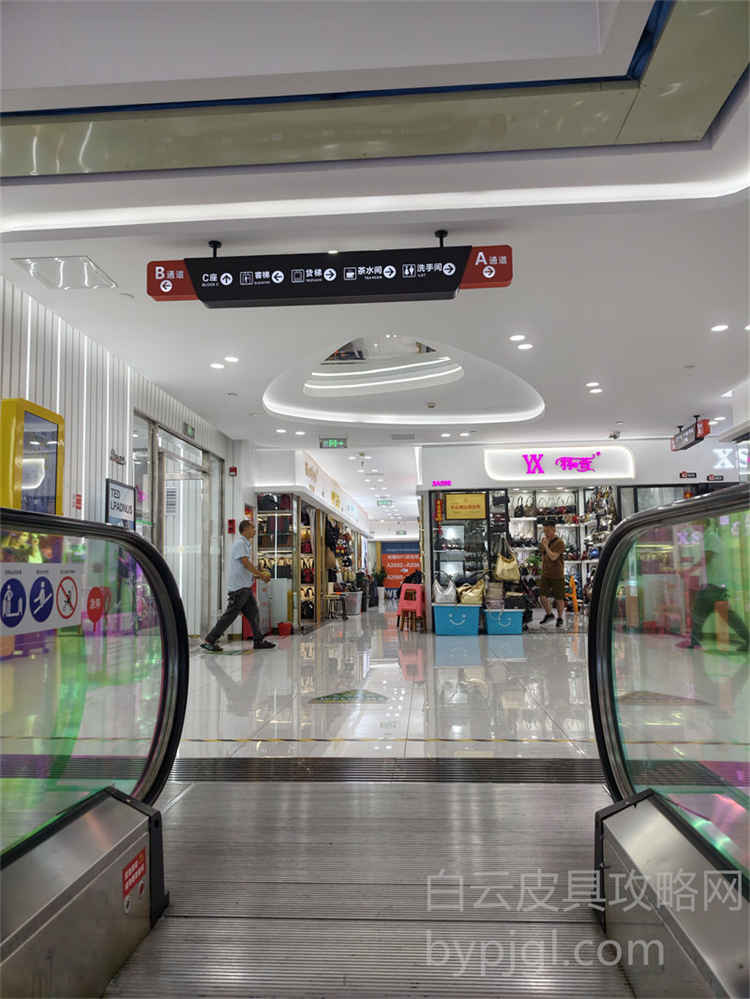
You cannot talk about leather goods in China without talking about the Baiyun Leather City complex. It is massive, confusing, and absolutely essential. There are several buildings here, each with its own vibe. Some floors cater to lower-end mass production, while others house the top-tier workshops that supply the most discerning clients globally. When you arrive, do not rush to the main entrance. Look for the side corridors where the locals hang out. These are the areas where the "top tier" samples are kept.
The layout changes every few months as new trends emerge, so trust your instincts more than a map. If a stall looks too clean or has no stock visible, move on. The good ones are usually cluttered with boxes, fabric swatches, and tools. They are busy because they are moving product. I always tell my international friends to start their day early, around 9 AM, when the owners are fresh and willing to spend time explaining the nuances of their materials.
The Art of Selection and Inspection
Touch, Smell, and Stitch
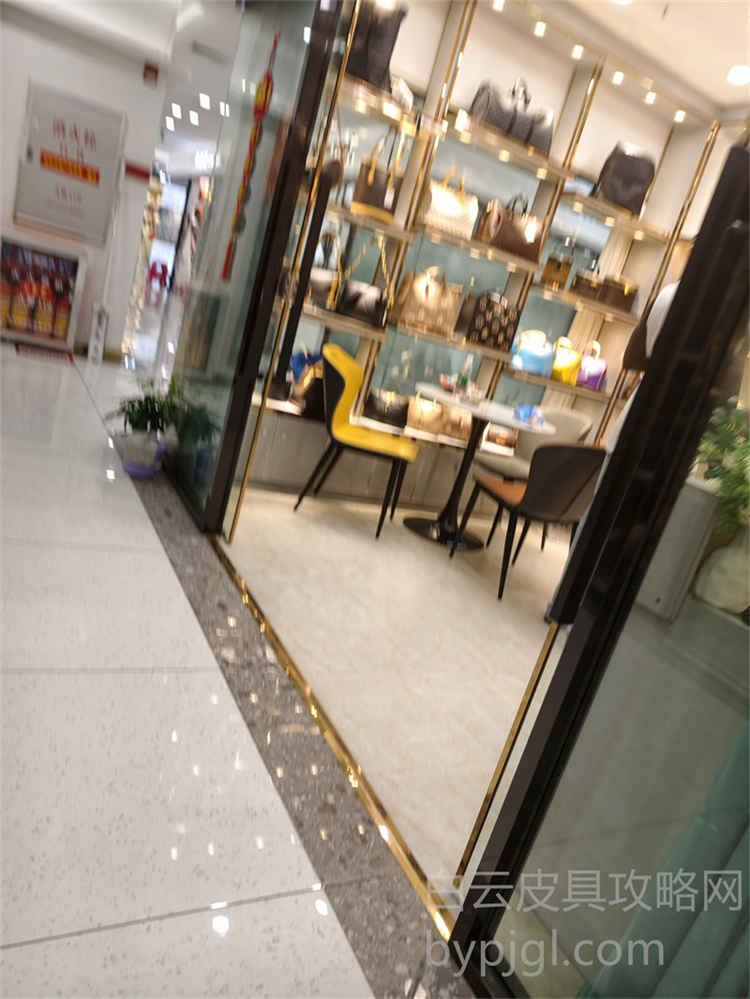
When you are looking at a bag, forget about the price tag for a moment. Focus entirely on the tactile experience. Run your hand over the surface. Is it soft? Does it feel like genuine cowhide or calfskin, or does it feel plastic? In our market, we pride ourselves on using full-grain leather that ages beautifully. A cheap imitation will feel stiff and cold. Real leather breathes.
Next, look at the stitching. This is where the quality separates itself from the rest. Hold the bag up to the light. Are the stitches even? Do they run parallel? High-end production uses a specific thread tension that prevents puckering. If you see loose threads or uneven spacing, put it down immediately. Also, check the hardware. Open the zippers. Do they glide smoothly, or do they catch? The metal should feel heavy, not hollow. Cheap plating chips easily, but solid brass or zinc alloy lasts for decades.
Asking the Right Questions
Do not be afraid to ask the vendor, "What is the source of this leather?" or "Which factory produced this model?" A confident seller will answer without hesitation. They might mention specific tanneries in Italy or domestic suppliers known for premium hides. If they dodge the question or give a vague answer, walk away. Transparency is the currency of trust in Baiyun. We deal with serious buyers who understand that quality comes with a cost, and we respect those who appreciate the effort put into making a perfect product.
Negotiating and Securing Your Order
Building a Relationship, Not Just a Transaction
once you have picked a few items you like, sit down. Do not stand over the counter. Bring a chair if you have to. Start by asking about the minimum order quantity (MOQ). For individual pieces, many shops allow you to buy one sample, but the price will be higher than the wholesale rate. If you are buying multiple units, the conversation shifts. Talk about volume discounts. Be honest about your needs. If you plan to return next season, let them know. Long-term relationships often yield better pricing and priority access to new designs.
When discussing payment, stick to secure methods. Cash is king for small deals, but for larger orders, bank transfers or trusted escrow services are standard. Never pay through unofficial channels. once an agreement is reached, ask for a detailed invoice that lists the item codes, leather types, and agreed-upon specifications. This document protects both of us and ensures there are no misunderstandings later.
Avoiding Pitfalls and Final Checks
The importance of Verification
Before you leave the shop, inspect the final product again. Check for any defects that might have been missed during the initial selection. Look inside the pockets, check the lining, and ensure all labels are attached correctly. If you are ordering custom batches, request photos or videos of the actual production before shipping. Many of our regular clients do this to ensure consistency across large orders.
Beware of stalls that promise "miracle" quality at rock-bottom prices. If it sounds too good to be true, it is. In this industry, there is no such thing as free lunch. High-quality leather and skilled labor cost money. If a vendor offers a deal that seems impossible, they are likely cutting corners on materials or hiding flaws. Trust your gut. If something feels off, it probably is.
Finally, remember that logistics matter. Ask the vendor about packaging and shipping options. Good sellers will pack your items securely to prevent damage during transit. Whether you are flying home with your purchases or arranging freight forwarders, ensure everything is documented properly. By following these steps and treating the vendors with respect, you will find that sourcing in Guangzhou is not just about getting a great deal; it is about discovering the artistry behind the craft.