Walking the Floors: My Real Talk on Sourcing from Guangzhou
Welcome to my shop. I have been standing behind this counter in the heart of Baiyun District for over twenty years. While you might see flashy ads online promising "mirrors" or "perfect copies," the truth is far more grounded. If you are flying in from overseas to find high-quality leather goods, forget the tourist traps and the generic search terms. You need to know where the real action happens. This isn't about selling fake designer bags; it is about sourcing premium craftsmanship that rivals anything you will see in luxury boutiques. The market here is massive, chaotic, and incredibly rewarding if you know how to navigate it.
The First Step: Leaving the Airport for the Source
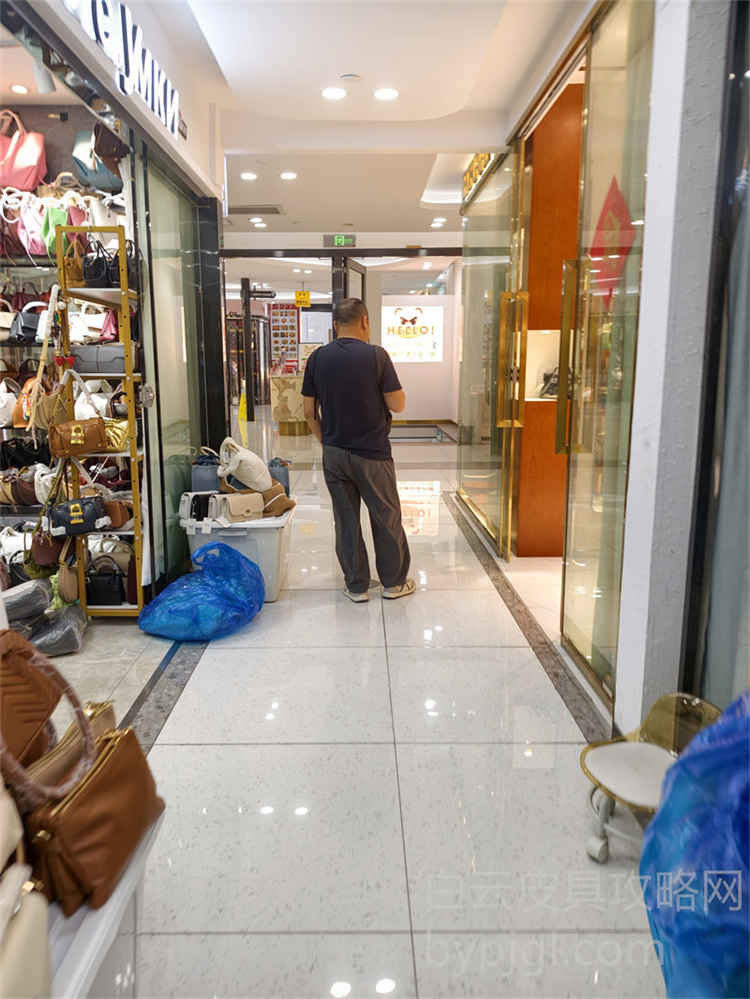
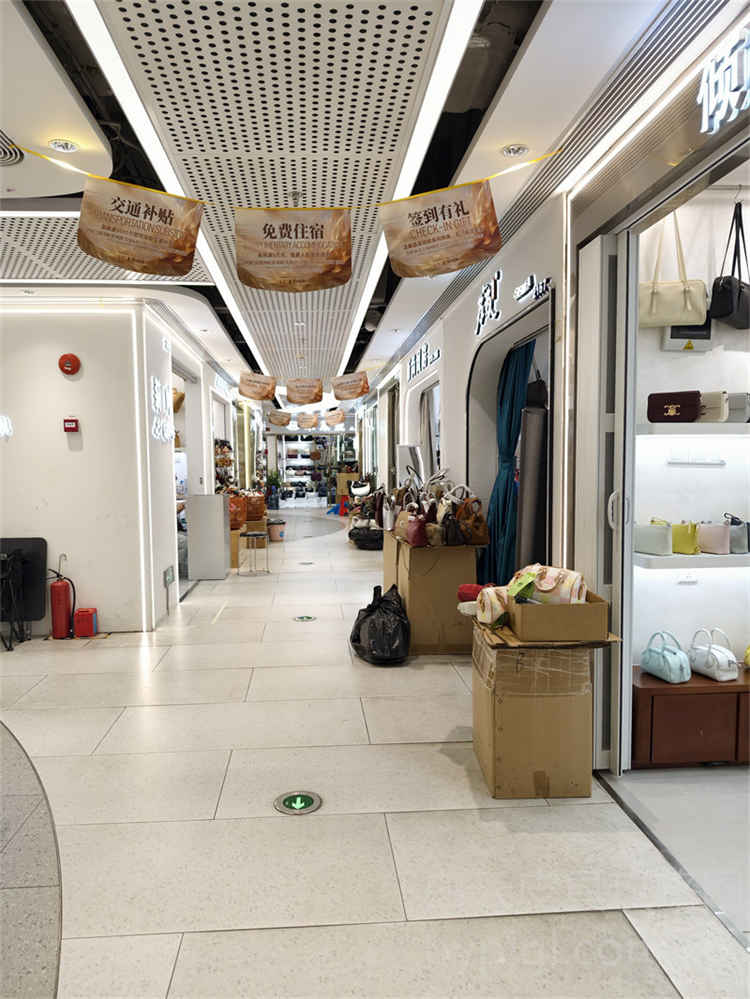
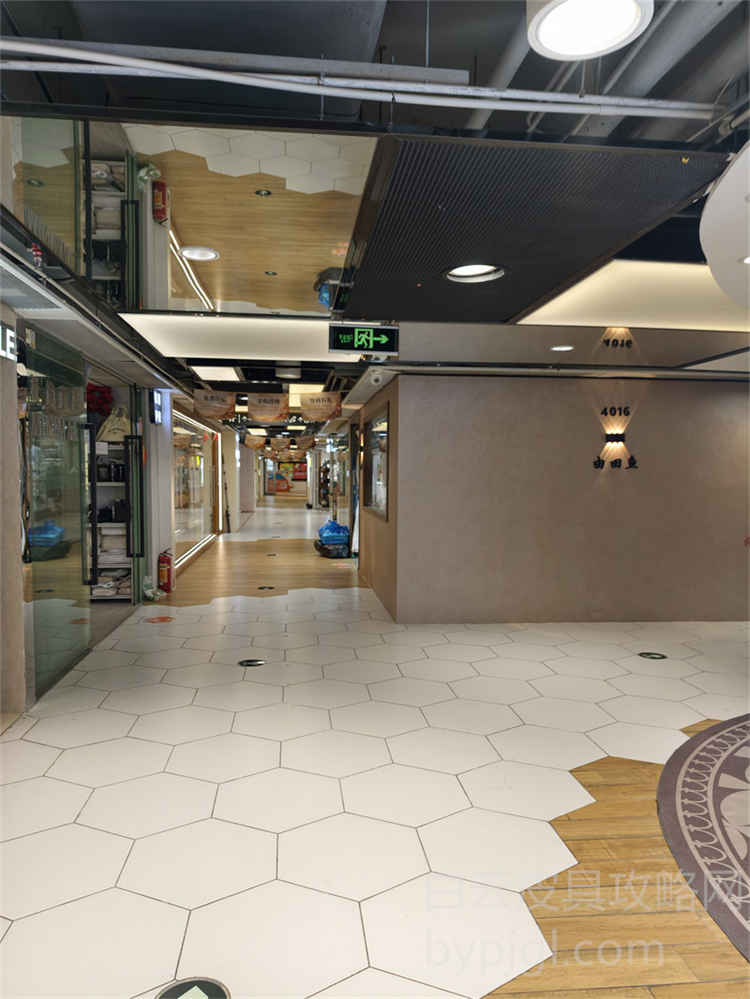
When you land, do not let a driver take you to a random hotel first. Your first stop must be the皮具城 (Leather City) area. Specifically, we are talking about the zones around Jiahe Wangjia and the main Baiyun International Leather Trade Center. These are not malls with air conditioning and security guards checking your ID at every turn. They are bustling warehouses filled with smell of leather, glue, and ambition. I tell every new buyer to walk the perimeter first. Look at the signage. If a shop has a giant neon sign outside with English text screaming about "luxury," run away. The real source shops are often tucked inside, on the upper floors, or in the back alleys of these buildings. They do not need to shout because their quality speaks for itself.
Navigating the Market: How to Spot the Real Deal
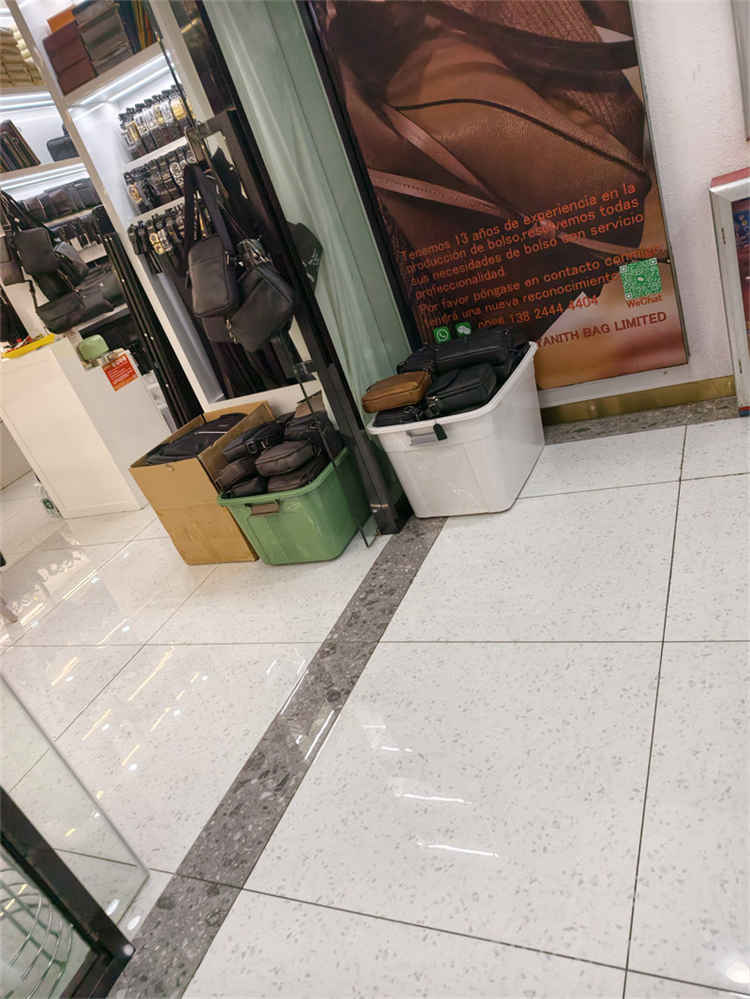
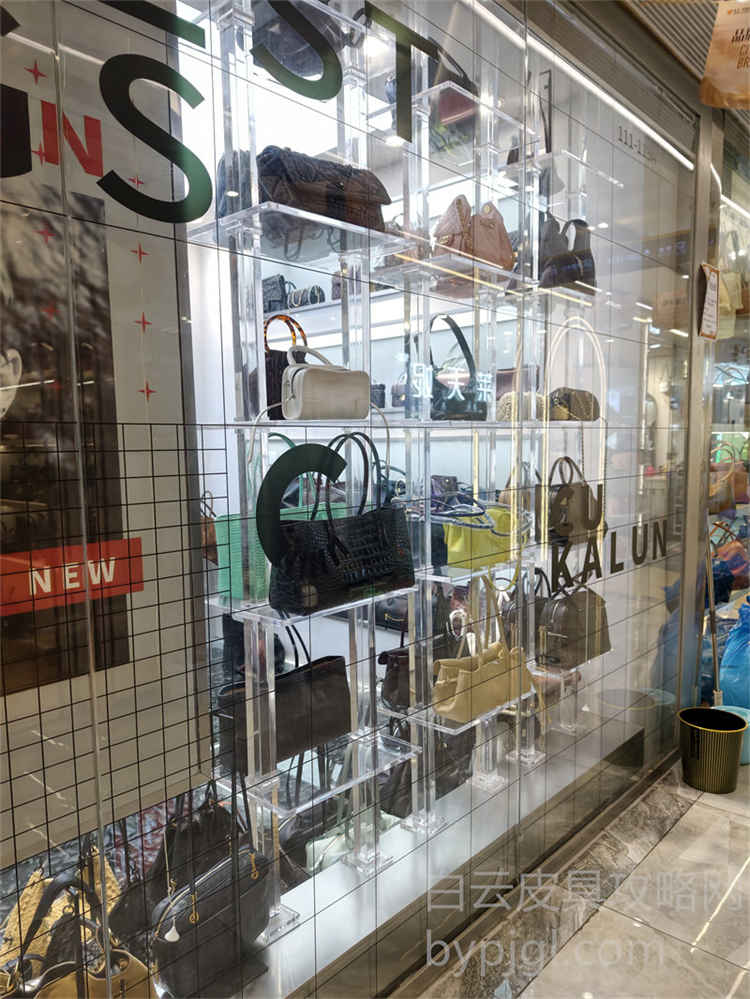
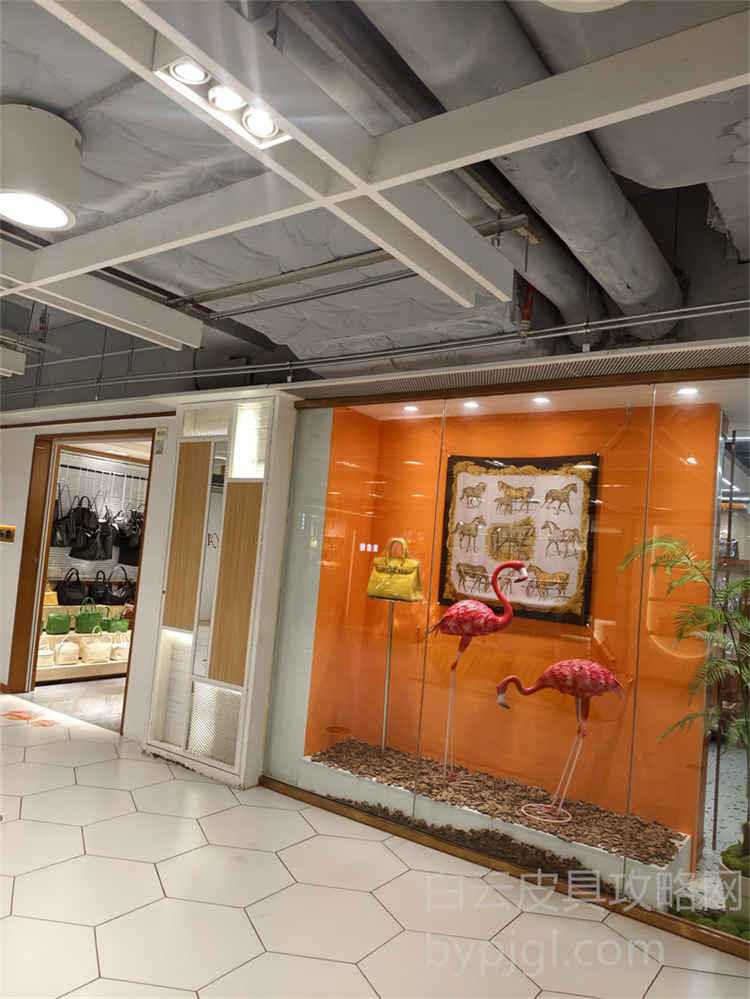
once you are inside, the sheer volume can be overwhelming. Thousands of stalls, endless rows of shelves. Here is my secret: ignore the front display. The bags sitting on the glass counters are usually just samples, sometimes even lower-tier versions meant to catch the eye of the untrained. Ask to see the "stock" or the "production line." A genuine source owner will show you the bags they are currently stitching or the ones waiting to ship. This is where you judge the true quality.
Reading the Stitching and the Hardware
Do not just look at the shape. In Guangzhou, the shape is easy to copy. What matters is the hardware weight and the thread tension. Pick up a bag and feel the zipper pull. Is it heavy? Does it slide smoothly? Cheap hardware feels like plastic painted gold. Good hardware has a solid clunk when it hits the table. Then, look at the stitching. Hold the bag up to the light. Are the stitches straight? Is the spacing consistent? If you see loose threads or uneven gaps, put it down immediately. We pride ourselves on precision. When you talk to me or my team, ask us to show you the raw materials. We keep swatches of calfskin, lambskin, and exotic textures right here on the desk. Seeing the grain before you buy is non-negotiable.
The Art of Negotiation and Building Trust
Many buyers make the mistake of acting like tourists. They ask for the "best price" immediately without building rapport. That never works here. We are business people, but we value relationships. Start by asking questions about the leather origin, the dye process, and the production time. Show that you care about the details. once you demonstrate knowledge, the conversation shifts from sales to partnership. Do not be afraid to haggle, but be fair. If you want a low price, expect a lower grade product. If you want top-tier craftsmanship, you pay for the labor and the material. The best deals happen when you become a regular. Tell me you plan to return next month, or that you are opening a boutique in your country. We treat repeat customers differently than one-time visitors.
Understanding MOQs and Custom Orders
You might worry about Minimum Order Quantities. For standard styles, yes, there is usually a floor, often around ten pieces per style. But here is the beauty of being in the source: customization. If you bring a design idea or a specific color request, we can work with you. We are not just factories; we are artisans. We can adjust the lining, change the hardware finish, or modify the strap length. This flexibility is why international buyers come to Baiyun. It is not just about buying what is already there; it is about creating something unique for your market. Just remember, custom orders take time. Rush jobs cost extra, and rushing often leads to mistakes.
Final Inspection and Shipping Logistics
Before you leave the stall, inspect everything. Check for scratches on the hardware, smudges on the leather, or any glue residue. Do not rely on the seller's word that "it is perfect." Use your own eyes. If you are buying a large shipment, hire a third-party inspector or bring a local friend who knows leather. We welcome this because it builds trust. Regarding shipping, we handle this daily. Whether you need air freight for speed or sea freight for cost-efficiency, we have partners who know how to pack securely. We use reinforced boxes and bubble wrap to ensure your goods arrive safely. Do not let anyone rush you into using a courier you do not trust. Stick with the agents we recommend, or use your own logistics provider if you prefer.
Avoiding the Common Pitfalls
There are scammers everywhere, even in Guangzhou. Avoid anyone who asks for payment via Western Union or crypto before you have seen the goods. We accept bank transfers, Alipay, and cash, but only after inspection. Also, beware of "middlemen" who claim to represent multiple factories but actually just resell from other stalls. Go directly to the factory floor. If you cannot find the workshop, you are dealing with a broker. The best prices and the best control come from direct contact. Finally, respect the culture. Be polite, drink tea with us, and understand that business here is built on face and trust. Take your time. Walk the markets, compare notes, and find the partner who aligns with your vision. That is the real way to succeed in the Guangzhou leather trade.