Walking the Floors: My Real Talk on Sourcing from Guangzhou
I have been standing behind this counter in Baiyun for over twenty years. While the world talks about trends and social media, I talk about leather grain, stitching tension, and the smell of fresh glue. You might be reading this from New York or London, wondering how to get your hands on high-end goods without flying here yourself. Let me tell you, the secret isn't just in the internet; it is in the physical walk through the market.
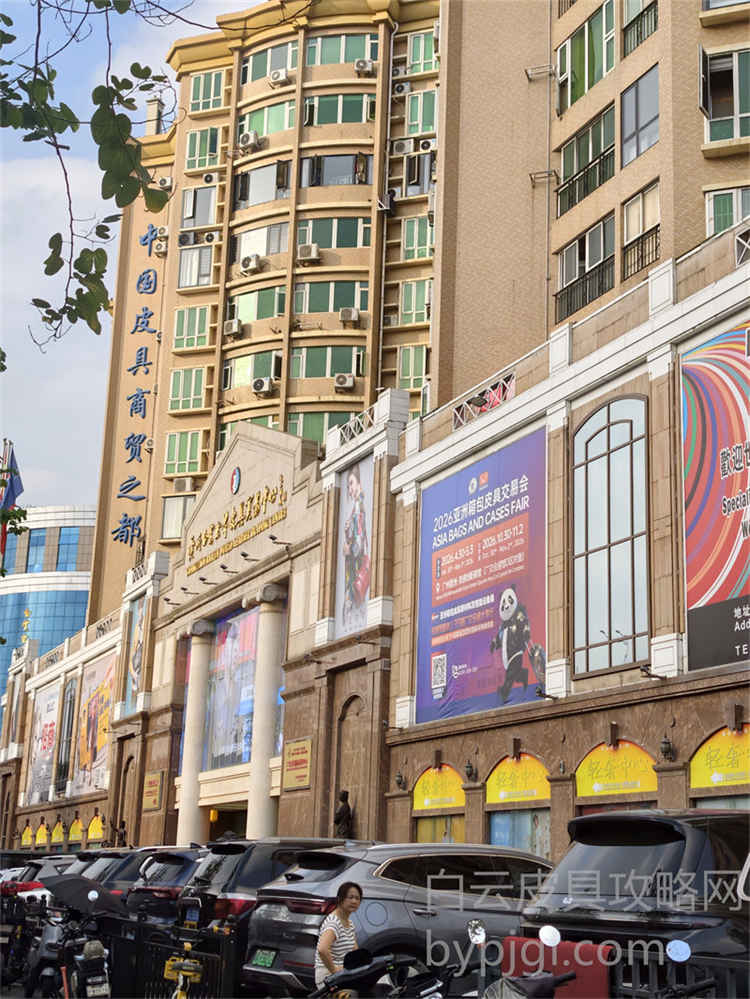
Many people think they can just order online and get perfection. That is a myth. The real magic happens when you are sweating in the hallway of the World Leather Trade Center, talking face-to-face with the factory owners who know exactly what makes a bag hold its shape. If you want to understand the supply chain, you need to stop looking at photos and start looking at the product in the flesh.
Navigating the Maze of Baiyun Market
The First Step: Knowing Where to Go
When you first step into the Baiyun area, it looks like chaos. There are hundreds of buildings, endless corridors, and noise everywhere. Do not panic. The key is to head straight for the major hubs like the World Leather Trade Center or the Qianwan Building. These are where the serious players operate. Small stalls on the side streets often sell lower-tier items that will not meet your standards. I always tell my overseas clients: ignore the flashy signs outside and go straight to the second or third floor. That is where the quality lives.
Reading the Room Before You Speak
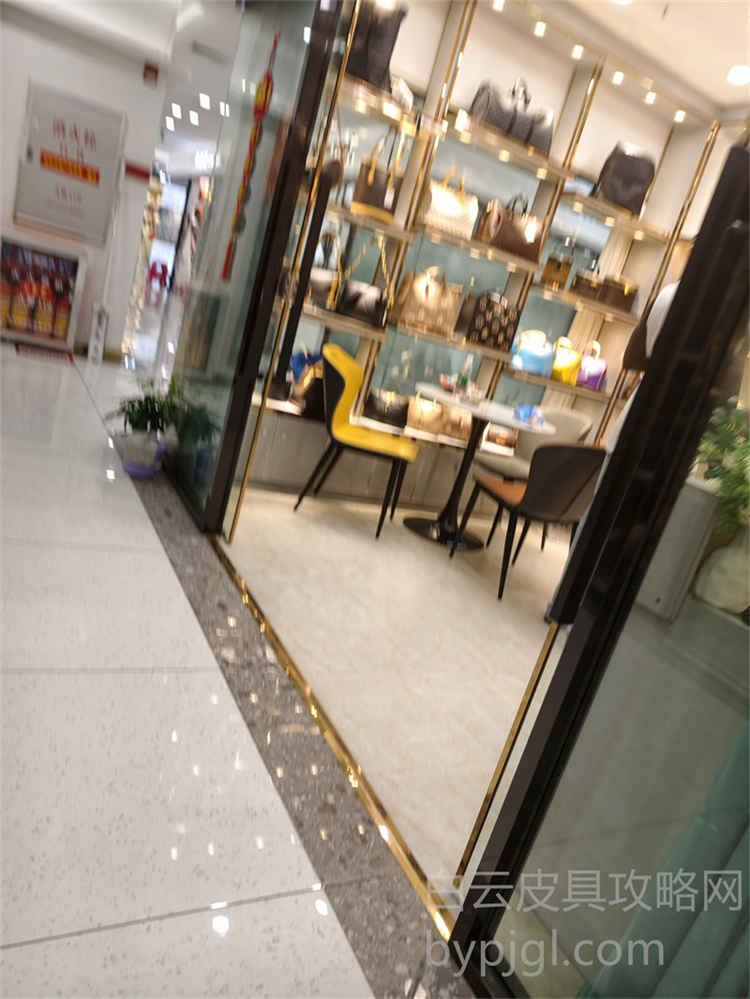
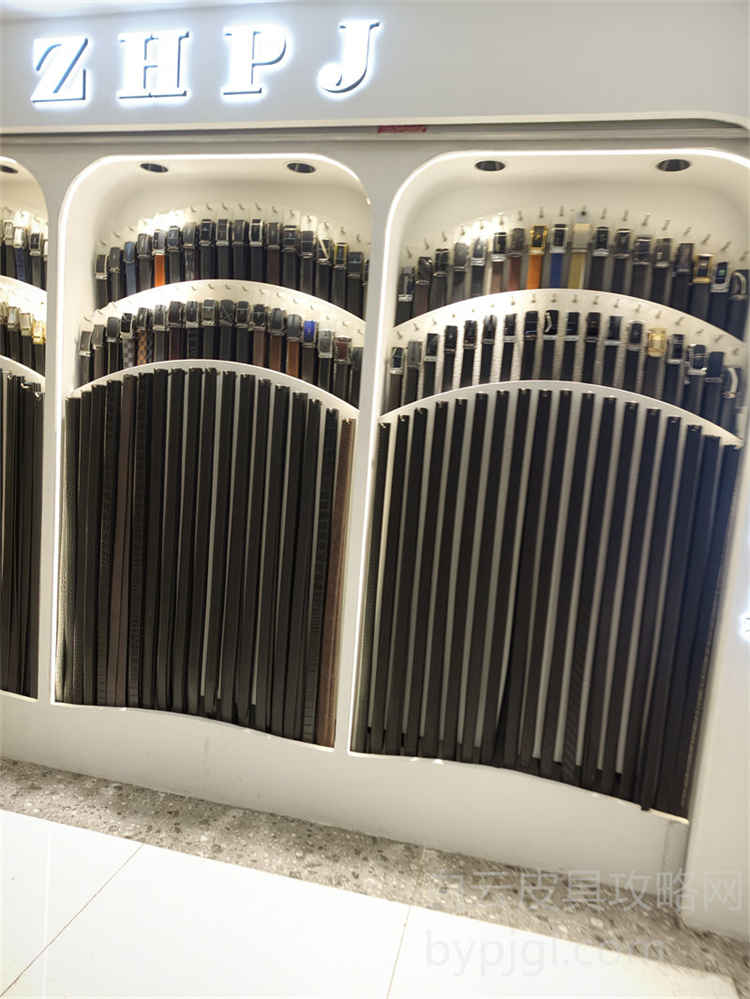
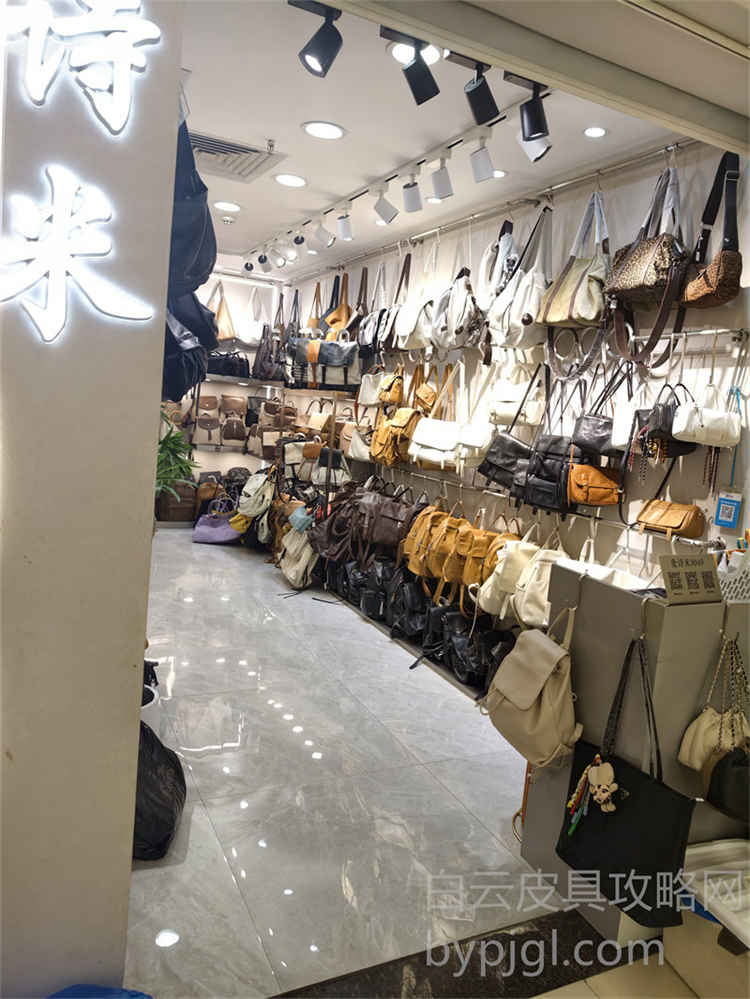
Before you even ask for a price, look at the bags on display. Are they arranged neatly? Is there dust on them? A good stall owner keeps their best pieces clean and organized. Notice the hardware. Does it shine with a dull, cheap plating, or does it have that heavy, cold feel of solid metal? In Guangzhou, the hardware is often the first thing to fail if the craftsmanship is poor. When I see a bag with loose stitching or uneven edges, I walk away immediately. It tells me the whole production line is sloppy.
The Art of Selection and Verification
Touching the Leather Matters More Than Photos
You cannot judge the quality of cowhide or calfskin by a smartphone screen. Light reflects differently on a monitor than it does on real material. When you are here, run your hand over the surface. Feel the texture. High-quality leather should feel soft but resilient, not stiff like plastic. Smell it too. Good leather has a distinct, rich scent. If it smells like chemicals or strong glue, put it down. I have seen buyers fall in love with a bag because of a photo, only to realize the smell was off once they got it home. Trust your nose as much as your eyes.
Checking the Stitching and Structure
This is where the real pros separate themselves from the amateurs. Look at the stitches per inch. They should be consistent, tight, and straight. No loose threads hanging off. Check the alignment of the pattern. If the bag has a specific design, the lines must match perfectly at the seams. Also, check the structure. Does the bag stand up on its own? Does the bottom sag when empty? A well-made bag maintains its silhouette regardless of what is inside. I always ask my customers to bend the bag slightly to see if the leather creases naturally or cracks unnaturally.
Negotiating and Securing Your Order
Building Rapport with the Stall Owner
In this business, relationships are everything. If you walk in acting like a tourist, you will pay retail prices. If you act like a buyer, you get wholesale rates. Start by asking questions about the materials. Ask where the leather comes from. Ask about the tanning process. This shows you know what you are talking about. once the owner sees you are serious, they will open up. They might show you samples that are not even on the shelf yet. This is the "hidden collection" that only regulars get access to.
Setting Expectations on Quality and Price
Never accept the first price quoted. Prices vary based on the grade of leather and the complexity of the design. Be clear about what you need. Do you want the absolute top tier, or something mid-range? I always advise my clients to be honest about their budget. Trying to buy top-tier quality at a bargain-bin price is impossible. If someone offers you a deal that sounds too good to be true, it usually means the hardware is plated zinc instead of brass, or the leather is synthetic. We aim for value, not just low cost.
Avoiding Pitfalls and Ensuring Safe Delivery
The importance of Pre-Shipment Inspection
Do not let the seller ship anything until you have verified it. Even if you are not physically present, hire a trusted agent or use a service that allows you to video call during the inspection. Watch them check every angle. Zoom in on the serial numbers, the date codes, and the interior lining. Make sure the color matches your sample exactly. Lighting can be tricky, so ask them to take photos in natural daylight. Never skip this step. A small mistake in shipping can cost you a lot of money and time.
Logistics and Shipping Considerations
once the goods are approved, discuss the shipping method carefully. Air freight is fast but expensive. Sea freight is cheaper but takes weeks. For smaller orders, air is usually better. Ensure the packaging is secure. Bags should be stuffed with tissue paper to keep their shape and wrapped in protective plastic. Customs regulations vary by country, so make sure your supplier knows how to declare the items correctly to avoid delays. I have helped many clients navigate these logistics issues over the years, and preparation is the key to a smooth arrival.
Guangzhou is a living ecosystem of trade. It changes every day, but the fundamentals remain the same: quality, honesty, and attention to detail. If you approach this market with respect and knowledge, you will find exactly what you are looking for. Come walk the floors, touch the leather, and build your own network. That is the only way to truly succeed in sourcing from China.