Walking the Floors: A Veteran's Guide to Sourcing in Guangzhou
I have been standing behind this counter in the Baiyun District for over twenty years. While the world talks about online shopping and global logistics, my life is measured in the noise of the wholesale markets, the smell of fresh leather, and the constant shuffle of customers trying to find the perfect goods. If you are reading this, you are likely planning a trip to Guangzhou or wondering how to source high-quality leather goods without getting scammed. Let me tell you something straight from the floor: there is no magic button on a website that replaces walking through those crowded corridors yourself.
The first thing you need to understand is that the market here is not a single building; it is an ecosystem. When people ask about the best places to buy premium leather accessories, they usually mean the massive complexes around Jiahe Fangcun and Shijing. These are the hubs where the real action happens. You will see rows upon rows of shops, some flashy with neon lights, others tucked away in quiet corners. The difference between a tourist who walks in and gets ripped off and a seasoned buyer who knows what they are looking for comes down to one thing: preparation and knowing which door to knock on.
Navigating the Market Landscape
Understanding the Hierarchy of Shops
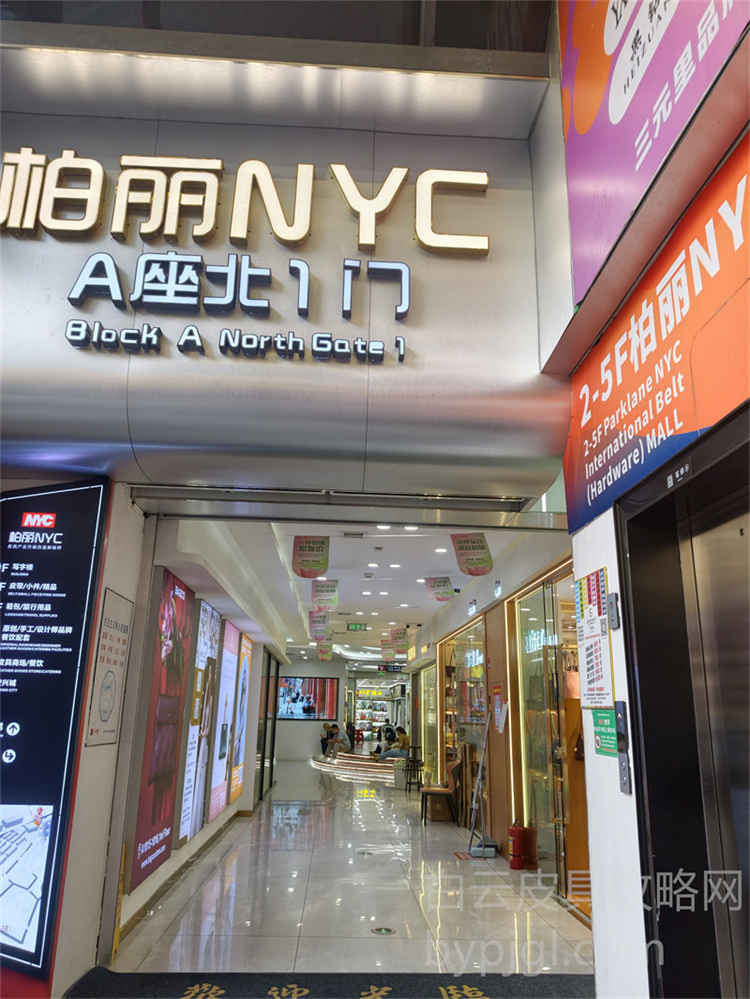
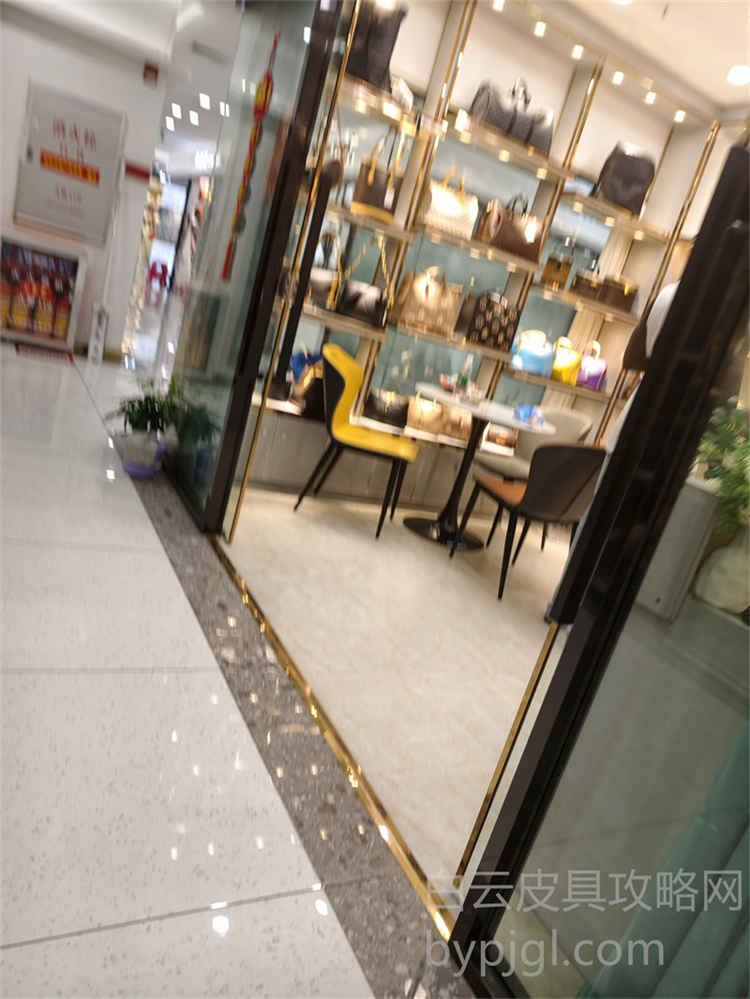
When you step into the main atrium of the biggest complex, you might feel overwhelmed by the sheer volume of inventory. Do not let that intimidate you. The shops on the ground floor are often showrooms designed to attract walk-in traffic. They display their flashiest items, but the prices are marked up significantly because they cater to tourists and casual buyers. If you want the real deal, you need to go deeper. I always advise my international clients to head straight for the upper floors or the side wings of the buildings. That is where the actual wholesalers operate.
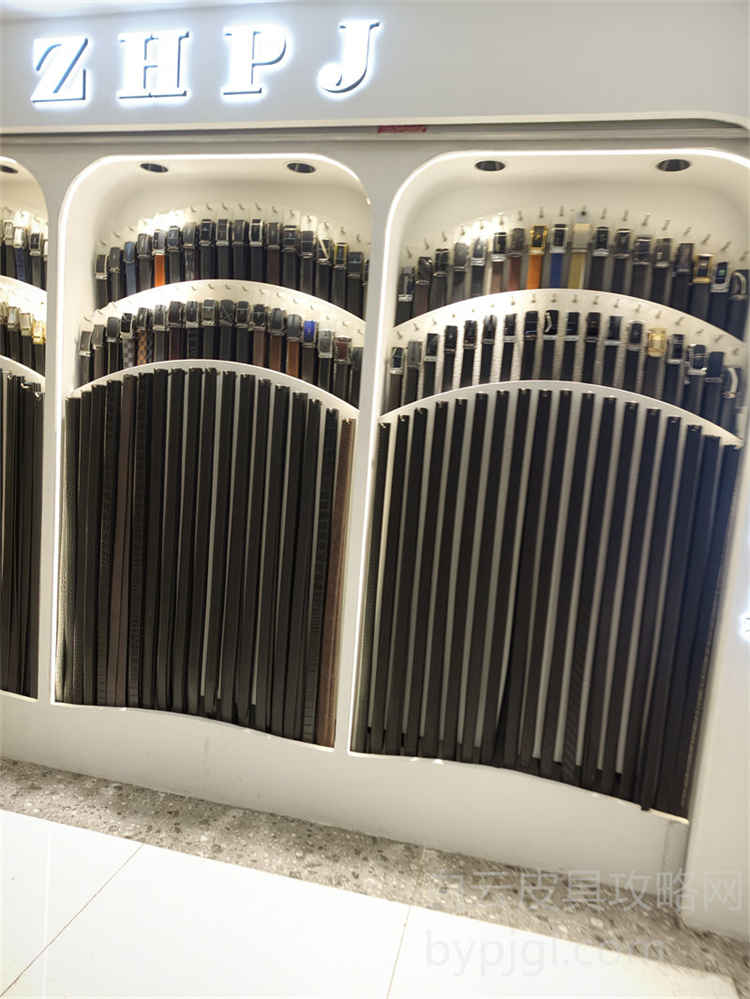
These back-end shops do not care about fancy displays. Their counters are cluttered with boxes, samples, and stacks of belts and bags. This is where the margins are thinner, but the quality control is tighter because these owners rely on repeat business from other shop owners, not just one-off sales. If you are looking for top-tier craftsmanship, you must ignore the glittering front stores and find the ones that look like they are busy packing orders for export. The vibe changes instantly once you move past the entrance; the air smells more like glue and tanning chemicals, and the conversation shifts from "How much?" to "What grade is this?"
The Art of Selection and Inspection
Touch, Smell, and Stitch Count
Sourcing here is a sensory experience. You cannot judge the quality of a leather accessory by a photo on your phone. You have to hold it. In my decades of experience, I have learned that the texture tells the story before the price tag does. When we talk about premium goods, we are talking about full-grain cowhide or calfskin that feels substantial, not thin and plasticky. Run your fingers over the surface. Does it feel cool? Does it have a natural grain pattern that varies slightly, or is it perfectly uniform like printed plastic? Real leather breathes; synthetic materials do not.
Next, look at the stitching. This is where many sellers try to cut corners. High-end production requires tight, even stitches with no loose threads. Count the stitches per inch if you can. A good craftsman will ensure that the thread matches the leather color perfectly, creating a seamless look. Pay close attention to the hardware. Zippers should glide smoothly, and buckles should have weight to them. Cheap plating will chip after a few weeks of use, while solid brass or zinc alloy with PVD coating will last for years. I remember a client who bought a batch of belts based on a picture, only to find the metal turned green within a month. That is why you never skip the physical inspection.
Building Relationships and Negotiating
Talking Like a Partner, Not a Customer
One of the biggest mistakes foreign buyers make is treating the transaction as a simple purchase. Here, business is built on relationships. If you walk in asking for the lowest price immediately, you signal that you are a novice. Instead, start by asking about the material source, the production process, and the minimum order quantity. Show that you know what you are talking about. Ask about the dyeing technique or the type of lining used. When you speak the language of the trade, the shop owners respect you and treat you like a partner rather than a target.
Negotiation is expected, but it must be done with tact. Start by discussing the quality first, then move to the price. If you are buying in bulk, you have leverage. Mention that you plan to return next season or that you are sourcing for a larger network of retailers. This opens the door for better pricing tiers. Also, do not be afraid to ask for samples. Many shops will let you take a sample piece to check the quality before committing to a large order. This is standard practice in the Baiyun market. It shows you are serious about long-term cooperation. Remember, the goal is not to drive the price down to zero, but to find a fair balance where both parties profit.
Avoiding Pitfalls and Ensuring Quality
Red Flags and Verification Steps
Even with all the experience in the world, scams can happen if you are not vigilant. One common trick is swapping goods. You inspect a perfect bag, pay for it, and receive a box containing a lower-quality version. To avoid this, insist on taking photos or videos of the specific item you are paying for right before you hand over the money. Some shops even allow you to film the packaging process. Another red flag is when a seller refuses to let you touch the product or pushes you to pay via a personal transfer without a receipt. Always get a proper invoice or a detailed packing list that specifies the model, material, and quantity.
Also, be wary of prices that seem too good to be true. If a shop offers a product at half the market rate, it is almost certainly made with inferior materials. The cost of genuine leather and skilled labor is high. There is no way to produce top-tier goods at rock-bottom prices. Trust your gut. If something feels off, walk away. There are thousands of other shops in the Baiyun area. Take your time, visit multiple locations, compare the same items across different stalls, and build a mental map of what fair pricing looks like. This due diligence is the only way to ensure you are getting the best value for your investment.