Stepping Into the Heart of Guangzhou's Leather Trade
Welcome to the real deal. I've been standing behind my counter in the Baiyun District for over fifteen years, watching the tide of buyers come and go. You might have heard rumors about "high-quality replicas" or seen endless videos online claiming to show you the secrets of the trade. But let me tell you, nothing beats walking through those crowded corridors yourself. When you are here, surrounded by the hum of sewing machines and the smell of fresh leather, you realize that this isn't just a market; it is a massive ecosystem where business happens with speed and precision.
I know many of you overseas are hesitant. You worry about quality, you fear scams, or you simply don't know how to navigate the maze of buildings without a guide. That is exactly why I am sharing this with you today. Forget the polished marketing fluff you see on social media. This is what it actually looks like when you walk into the wholesale district, talk to the factory owners directly, and build a relationship that lasts beyond a single transaction.
Navigating the Market: Where to Start Your Journey
The Layout of the Baiyun District
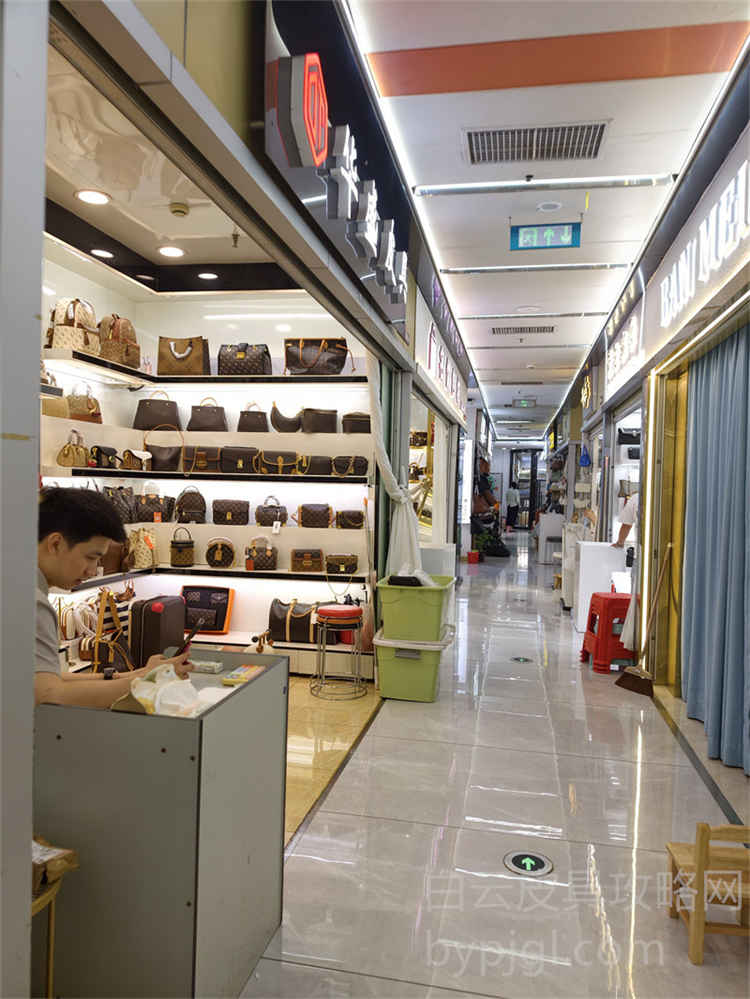
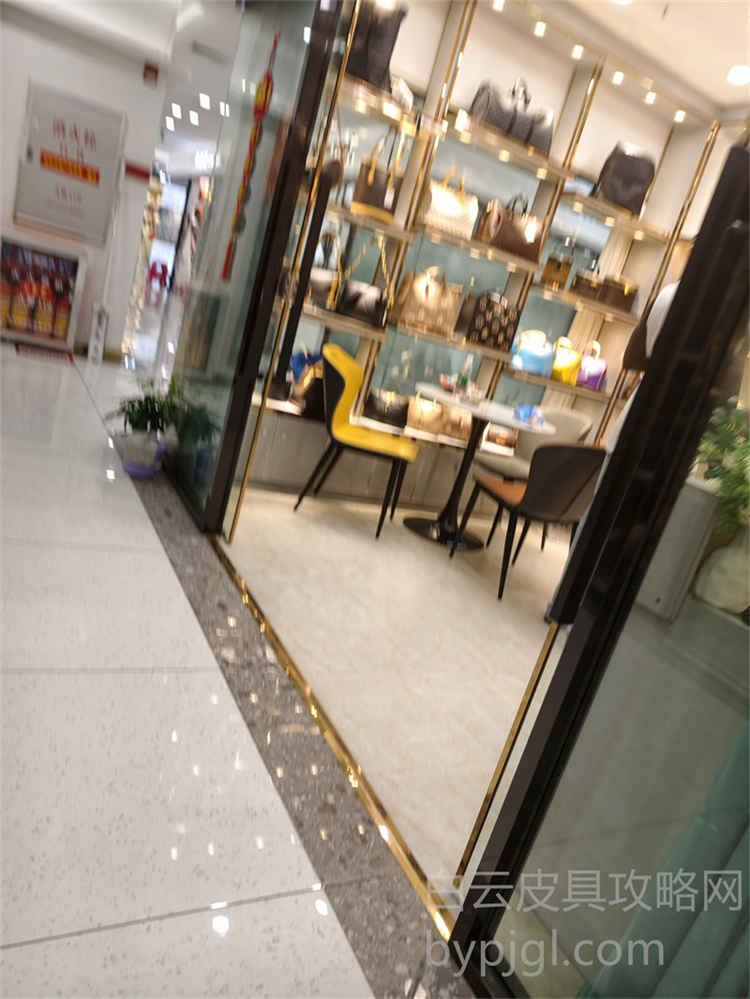
First things first, do not expect a quiet shopping mall experience. The Baiyun Leather City area is a beast of its own. There are several major buildings, each with its own vibe. Some floors cater to high-end materials, while others are packed with fast-moving inventory. When you arrive, your first step should be to get lost intentionally. Walk every aisle. Look at the stacks of boxes outside the shops. Notice which ones have new samples displayed on the mannequins versus those that are just storage.
The key is to identify the difference between a showroom and a warehouse. A true supplier will often have their best pieces tucked away in the back room, ready only for serious inquiries. If a shop keeps everything out in the open on cheap plastic racks, they might be middlemen trying to flip goods rather than the source. Trust your eyes. In this industry, presentation is everything, but substance is what keeps the lights on.
The Art of Selection: What Makes a Bag Stand Out
Inspecting Materials and Stitching
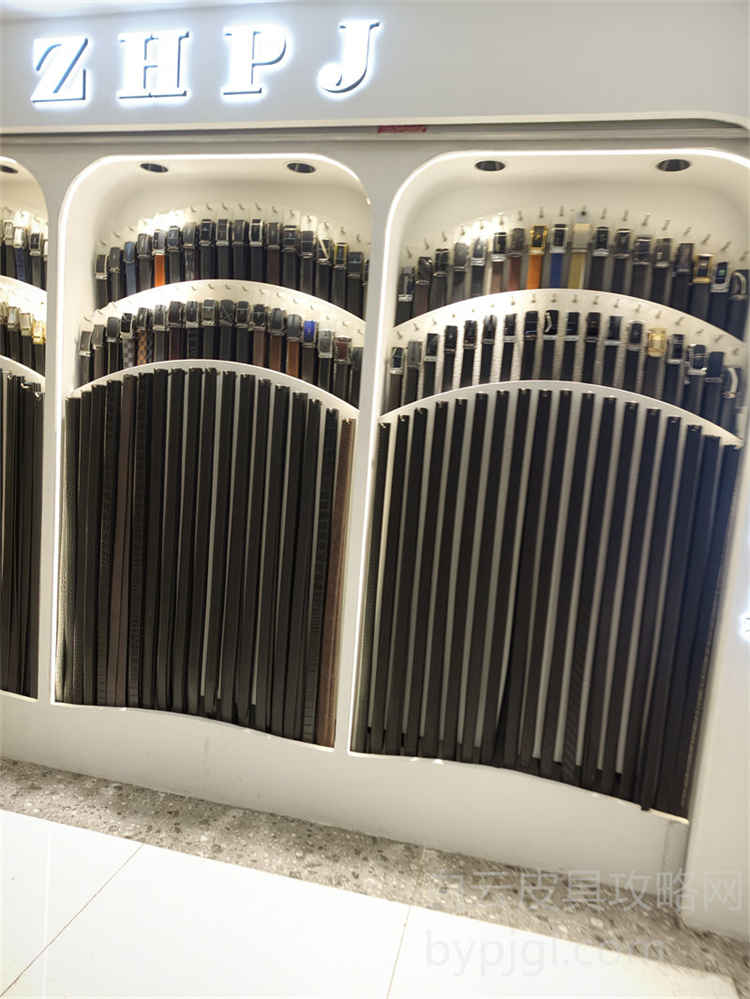
once you find a promising stall, the real work begins. Do not just look at the bag from three feet away. Pick it up. Feel the weight. In Guangzhou, the quality of the leather varies wildly depending on the price point. We use everything from top-grain cowhide to imported calfskin. Run your fingers along the edges. Good craftsmanship means tight, even stitching with no loose threads. The hardware should feel substantial, not hollow and light like cheap zinc alloy.
Ask the owner to show you the inside lining. This is where many sellers cut corners. A proper lining should be smooth, durable, and neatly finished. Check the zippers. Do they glide smoothly? Are the logos stamped clearly and deeply? These details separate a premium product from a disposable one. When you are negotiating, bring these observations up. It shows you know what you are looking for, and it commands respect from the seller.
Building Relationships: How to Talk Like a Pro
Negotiating Prices and MOQs
Here is a secret that most guides won't tell you: everyone here speaks a different language of business. If you walk in asking for "one piece," you will get a retail price that makes no sense. To get the real wholesale rates, you need to understand Minimum Order Quantities (MOQ). Most factories prefer orders of ten to twenty units per style to start. However, if you are building a brand, we can sometimes make exceptions for mixed styles.
Do not be afraid to haggle, but do it respectfully. Start by asking for the "best price for a regular customer." Show them you are interested in long-term cooperation, not just a one-off purchase. Mention that you plan to return next season with larger orders. This kind of forward-thinking approach opens doors. Many of my loyal clients started exactly this way—small orders that grew into steady partnerships over time. Remember, we are partners, not adversaries.
Avoiding Pitfalls: Safety and Quality Control
Verifying Samples Before Bulk Orders
The biggest mistake overseas buyers make is ordering bulk without seeing a physical sample first. Never skip this step. Even if you have photos, screens distort colors and textures. Always request a pre-production sample. Pay the extra fee if necessary; it is worth every penny to avoid receiving fifty bags that look nothing like the prototype. once you receive the sample, inspect it under natural light. Check the color accuracy, the shape, and the functionality of all pockets and clasps.
Also, be wary of deals that seem too good to be true. If a price is significantly lower than the market average, there is usually a catch. It could be inferior leather, poor glue, or hidden defects. Stick to reputable stalls within the main complexes. While there are street vendors nearby, the established buildings offer better protection and accountability. If something goes wrong, you can find the shop again. With a random street vendor, you might never see them again.
The Future of Sourcing: Why Go Offline?
Trust and Transparency in Person
In an age of digital transactions, I still believe there is no substitute for face-to-face interaction. When you stand in front of the counter, you can read the body language of the seller. You can see the pride in their work when they explain a new technique. You can shake hands and build a bond that transcends a simple contract. This personal connection is the backbone of our industry.
For those of you planning a trip, take your time. Don't rush. Spend a week exploring the different buildings. Taste the local food, meet the people, and understand the rhythm of the market. When you leave Guangzhou, you won't just have a shipment of bags; you will have a network of contacts who understand your vision and are ready to help you grow. That is the true value of coming to the source.