Walking the Floors: A Veteran's Guide to Sourcing in Guangzhou
Welcome to the real deal. If you are reading this, you probably already know that the glossy websites and the "official" factory tours you see online are just a fraction of what actually happens behind the scenes here in Guangzhou. I have been standing at my stall in the Baiyun District for over fifteen years, watching the tides of fashion change while my own leather stock remains steady. People often ask me how to navigate this massive ecosystem without getting burned by scams or ending up with low-quality junk. Let me tell you, it is not about finding a magic link; it is about being on the ground, smelling the leather, and talking face-to-face.
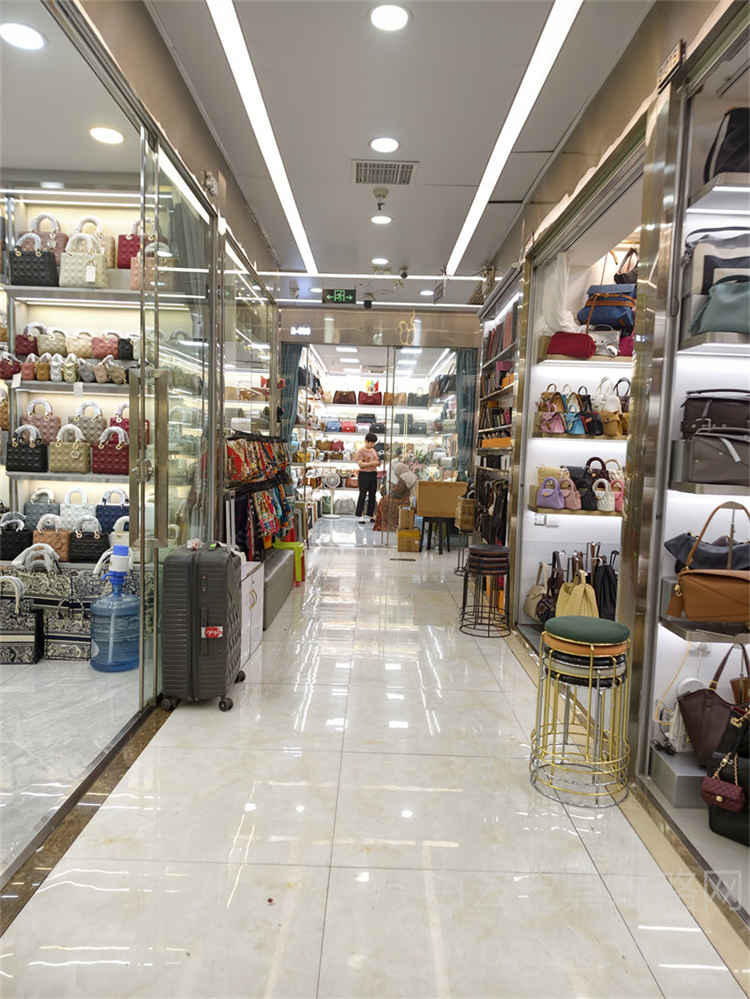
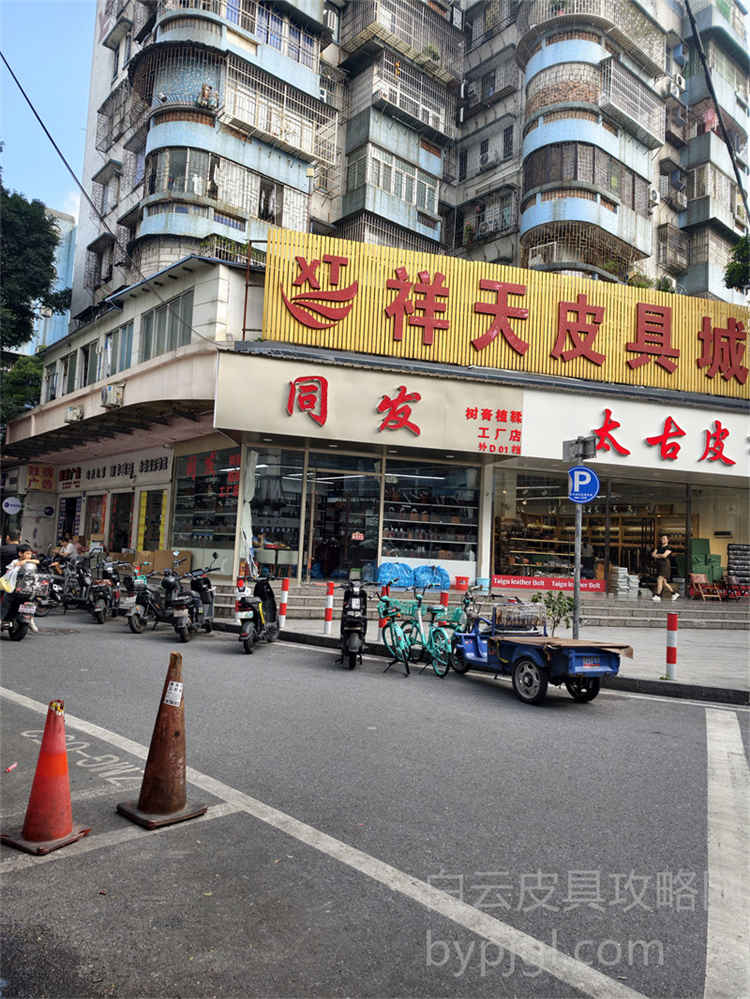
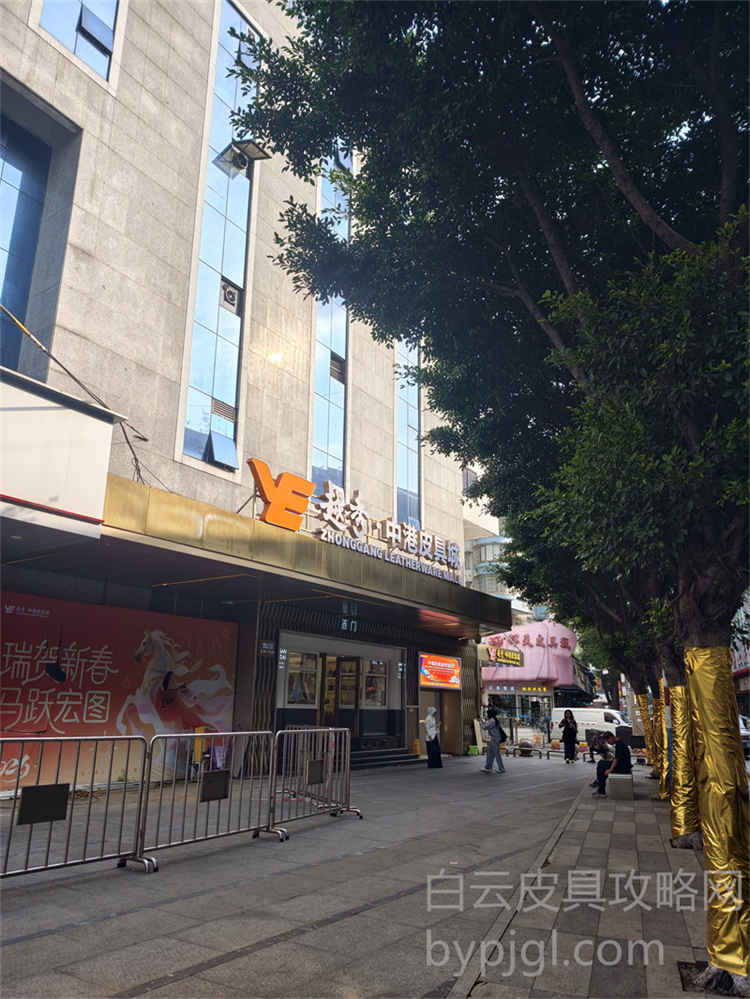
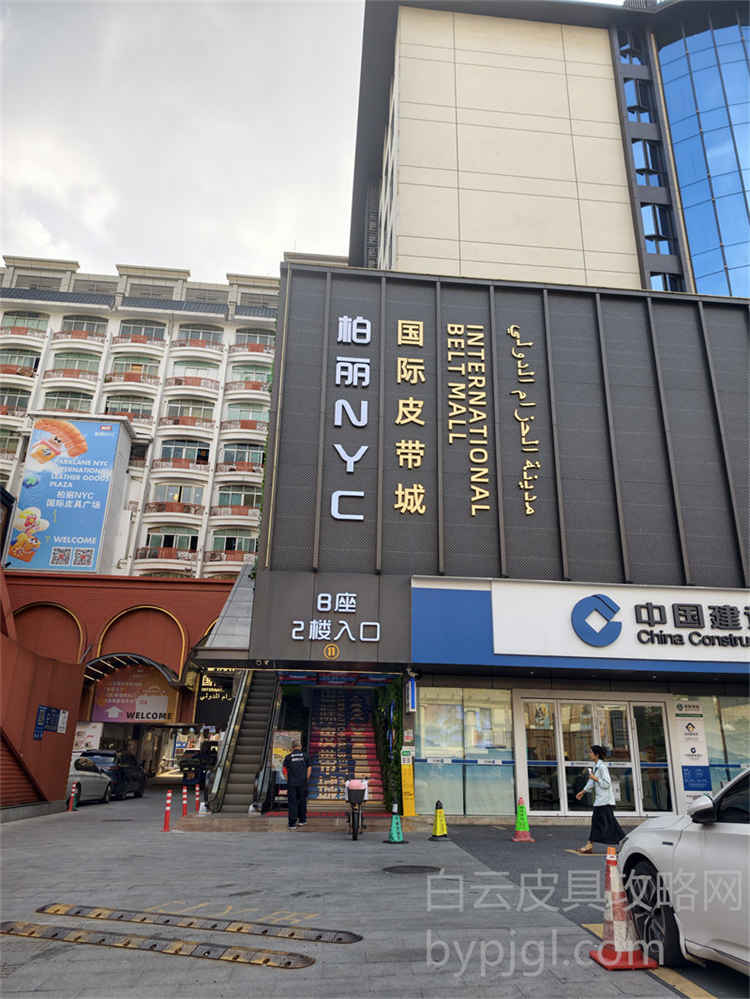
The first thing you need to understand is that the market here is not a single building. It is a sprawling network of interconnected complexes, each with its own vibe and price point. When I say "Guangzhou Baiyun Leather City," I am talking about the heart of this operation, but there are dozens of other buildings nearby like the Qianwan and the Shiqiao markets that feed into it. You cannot just walk in and expect to find the best goods immediately. You need a strategy. Most overseas buyers make the mistake of rushing to the most famous building, only to be overwhelmed by crowds and aggressive sales tactics. My advice? Start slow. Spend your first day just walking. Look at the displays. Notice which stalls have fresh stock and which ones are dusty from months of neglect.
Navigating the Physical Landscape
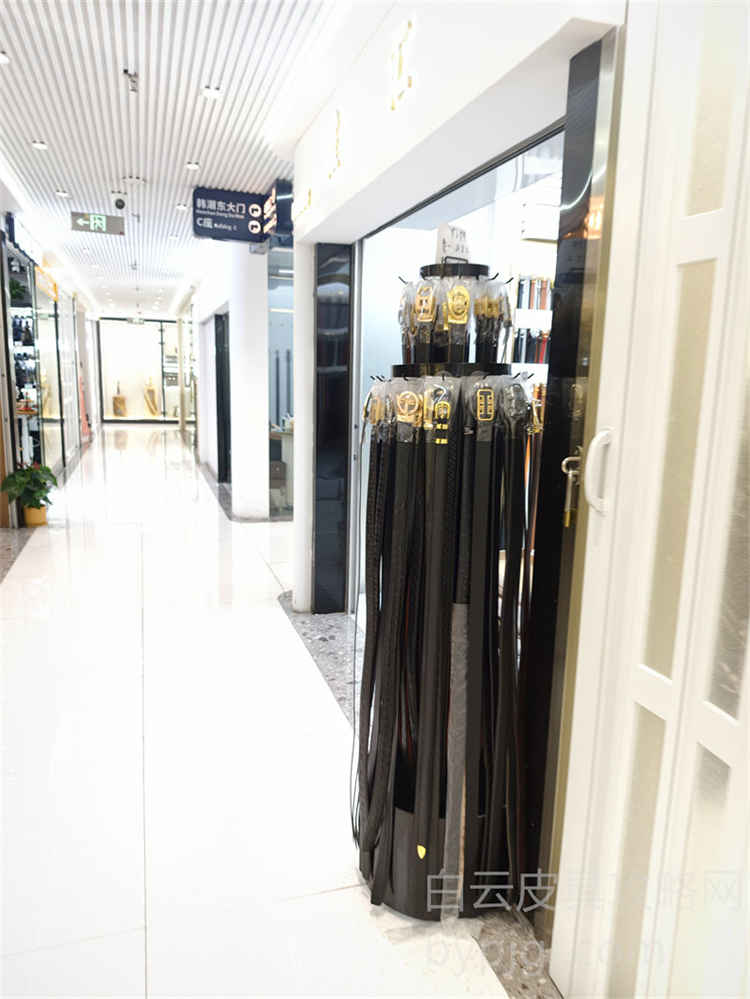
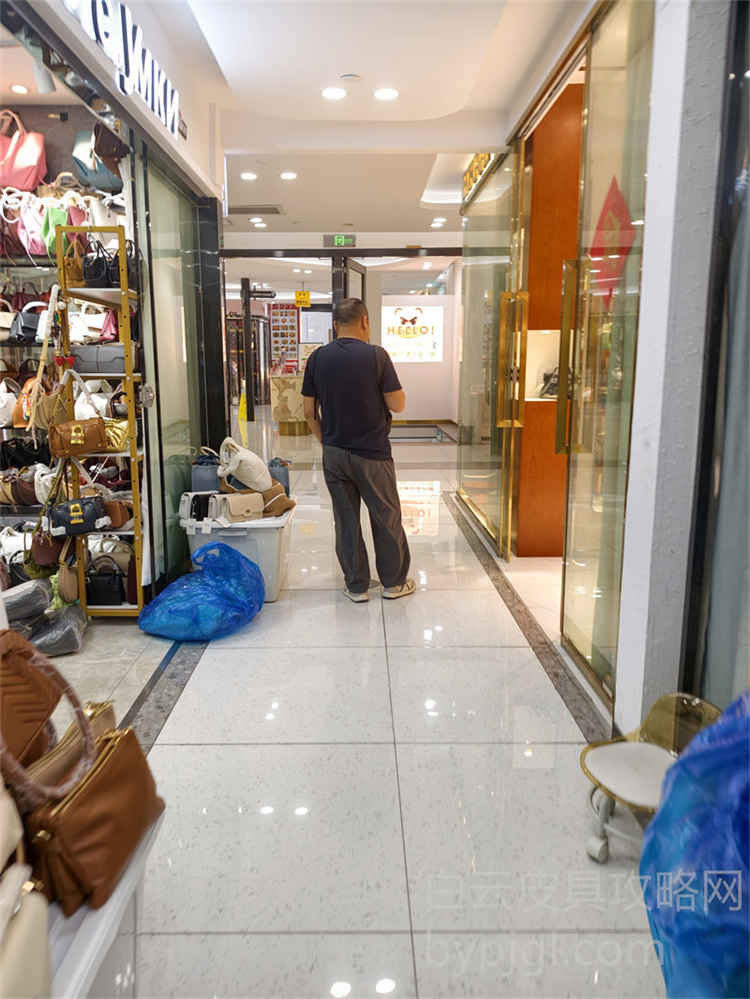
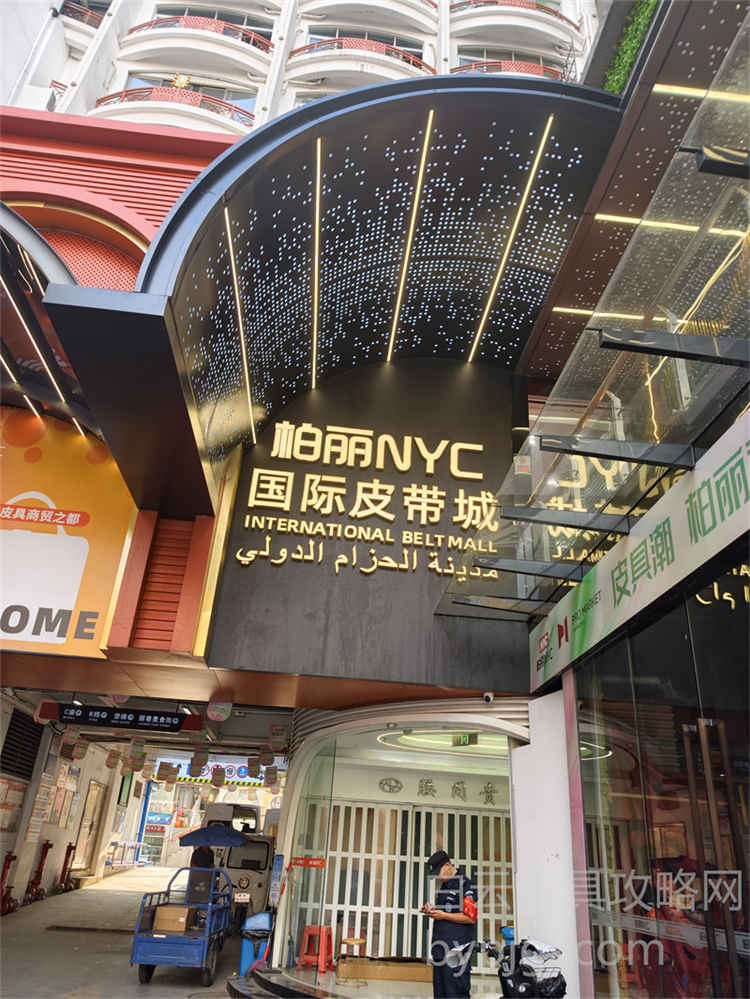
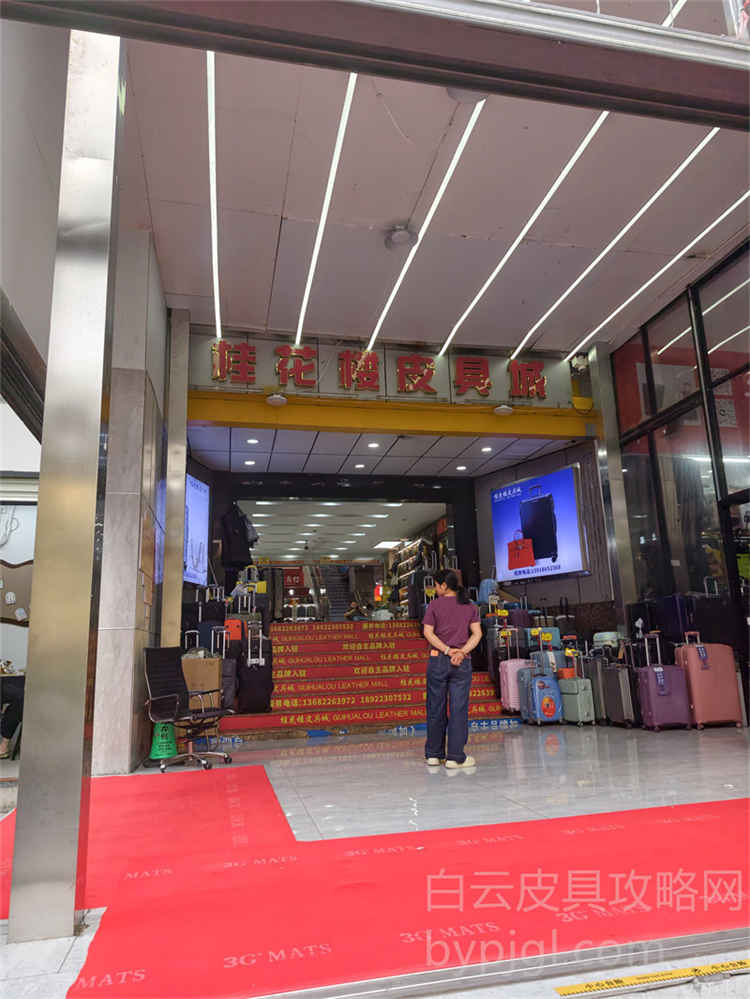
When you arrive at the main complex, do not let the grand entrance fool you. The real action happens in the back corridors and the upper floors where the serious wholesalers operate. These are the places where the quality tiers shift dramatically. On the ground floor, you will find the tourist traps and the lower-end items meant for quick resale. But if you climb two or three flights of stairs, you enter the world of high-grade production. This is where the artisans who have worked on these pieces for decades keep their samples. The air here smells different too—less of cheap glue and more of genuine hide and professional finishing wax. That scent alone tells you a lot about the integrity of the product.
I always tell my regular clients to ignore the flashy mannequins in the front windows. Those are often just marketing props. Instead, look for the racks in the back corner where the staff keeps the "new arrivals." These are the pieces that haven't hit the general circulation yet. In this business, timing is everything. A style might be hot in Paris or New York one month, and by the time it reaches the mass market, it is old news. By sourcing directly from these inner stalls, you get access to the cutting edge before anyone else does. It requires patience, but the reward is having inventory that feels exclusive rather than generic.
The Art of Selection and Quality Control
once you have found a stall that looks promising, the real work begins. Many people think they can just point at a bag and say "I want ten of these." That is a rookie mistake. In our trade, every piece has nuances. The stitching tension, the grain of the leather, the weight of the hardware—these details vary even within the same batch. I spend hours teaching new buyers how to inspect a bag properly. You need to run your fingers over the surface. Does it feel soft and supple, or stiff and plastic-like? Check the lining. Is it tight and neat, or does it sag and wrinkle?
Inspecting the Details Like a Pro
Let's talk about the hardware. This is often the first thing that gives away a poor imitation. In the high-end sector we deal with, the metal should feel heavy, cold to the touch, and have a consistent finish without any bubbles or rough edges. Open the zippers. Do they glide smoothly, or do they catch? Listen to the sound. A good zipper makes a crisp, satisfying click. Also, check the stitching. It should be straight, with no loose threads, and the stitch count per inch should be consistent throughout the entire bag. If you see uneven spacing or sloppy knots, put it down immediately. There is no excuse for bad craftsmanship in a premium product.
Another critical step is comparing the sample against the actual production standard. Sometimes, the display model is perfect, but the bulk order might come out slightly different. This is why I insist on seeing the "master sample" before committing to a large order. We keep these samples in a secure area, separate from the daily stock. When you are ready to negotiate, ask to see the master piece. Compare it side-by-side with the bags you intend to buy. If they match perfectly, then you know the factory has the capability to deliver what you saw. If there are discrepancies, you need to address them right then and there. Do not wait until the goods are shipped to complain.
Negotiation and Building Trust
Talking business in Guangzhou is an art form. It is not just about haggling over the lowest price; it is about building a relationship. If you treat me like a vending machine, I will give you the worst possible deal. But if you show respect, ask questions, and demonstrate that you understand the value of the craft, I will open up my contacts and share my best prices. Long-term relationships are the backbone of this industry. I have clients who fly in once a year, and we have built a rhythm over the years. They know my standards, and I know their expectations.
Avoiding Common Pitfalls
There are several traps that foreign buyers fall into regularly. One of the biggest is paying 100% upfront without any safeguards. Never do this. Even if the seller promises you the moon, always negotiate a deposit system. Pay a portion to secure the order, and the rest upon inspection before shipment. Another common issue is the "rush job." Some sellers promise you can get a huge order done in three days. Be skeptical. High-quality leather goods take time. Rushing usually means cutting corners on drying times, gluing, or finishing. If a deal sounds too good to be true, it almost certainly is.
Also, be wary of sellers who try to push you toward brands they know you are looking for without showing you the actual materials. In our line of work, transparency is key. Ask to see the raw leather hides. Ask about the source of the hardware. If they hesitate or change the subject, move on to the next stall. There are hundreds of others willing to be honest. Finally, remember that logistics matter. Make sure you have a reliable shipping partner who understands customs regulations in your country. A beautiful bag is useless if it gets stuck at the border because of improper documentation. Work with us to ensure everything is labeled correctly and packaged securely for the long journey ahead.
In conclusion, sourcing from Guangzhou is an adventure that rewards those who are prepared, observant, and willing to engage with the local culture. It is not a place for the faint-hearted or the impatient. But for those who take the time to walk the floors, inspect the leather, and build genuine connections, the rewards are immense. You get access to unparalleled quality, competitive pricing, and a level of customization that simply does not exist anywhere else in the world. So, pack your bags, bring your keen eyes, and come see what the real market has to offer. The leather is waiting, and the stories behind every stitch are just as fascinating as the bags themselves.