Why the Real Action Isn't in Baiyun, But One Hour North
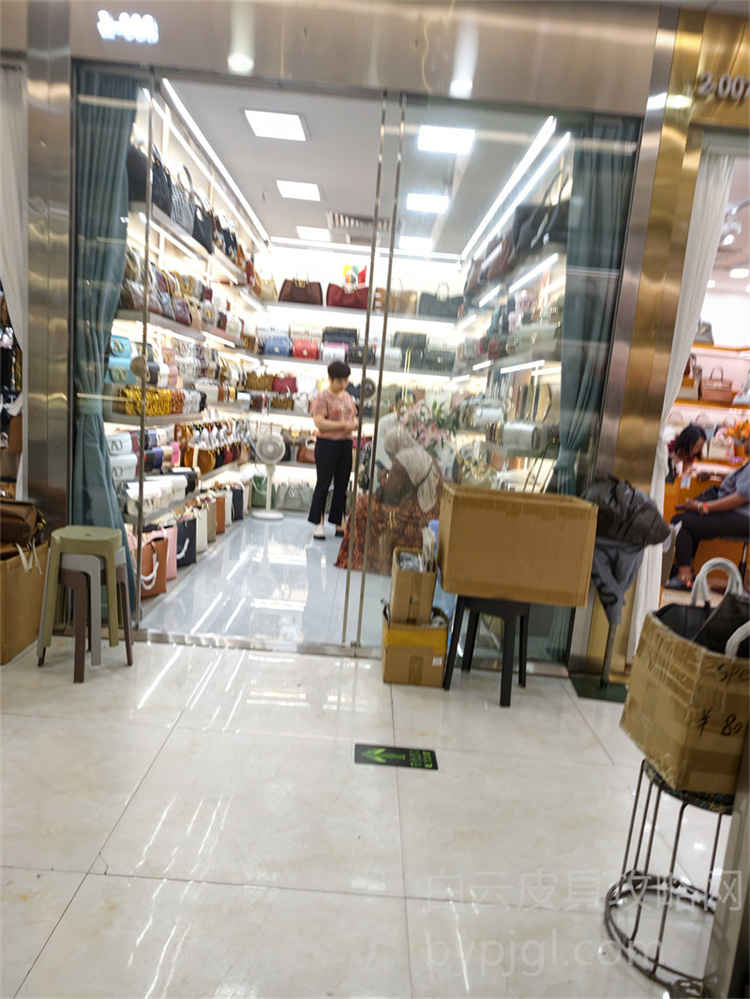
I've been standing behind a counter in Shiling for over twenty years. You might know Guangzhou's leather markets from the glossy brochures or those endless videos of tourists rushing through Baiyun World. But if you are serious about sourcing bags that actually move, let me tell you something: the real heart of the industry beats much faster in Huadu District, specifically in Shiling. While everyone chases the crowds at Baiyun International Leather City, I'm here watching the factories churn out the goods that eventually end up on shelves worldwide. If you think you can just walk into a random shop and get the best deal, you're already losing money before you even pack your bags.
The Myth of the Central Market
Many overseas buyers arrive in Guangzhou expecting to find everything in one massive building. They head straight for the famous wholesale hubs near the train station. Don't get me wrong, those places are great for finished products, but they are middlemen. They buy from the source and add their margin. When you come to Shiling, you are cutting out the middle layer. This is where the raw materials meet the stitching machines. The logistics here are different. Instead of walking through air-conditioned malls, you are navigating industrial zones where the smell of glue and fresh leather hangs heavy in the air. It feels more authentic, less polished, but infinitely more honest regarding pricing.
Navigating the Shiling Ecosystem Without Getting Lost
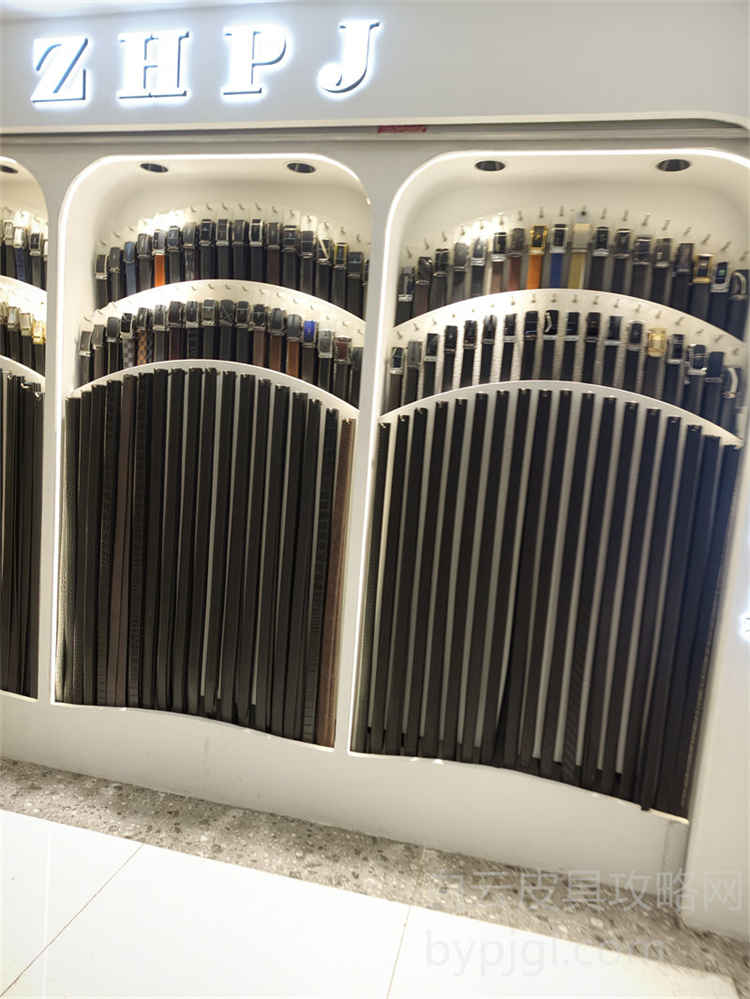
Shiling isn't a single building; it's a sprawling network of workshops, small factories, and showrooms scattered across several streets. Trying to find your way without a local guide is like trying to read a map upside down. The layout changes every few months as new tenants move in. My advice? Don't try to be a hero. Start by identifying the specific street known for your niche. Are you looking for luxury-style totes, rugged backpacks, or trendy crossbodies? Each cluster has its specialty.
How to Spot a Genuine Factory vs. A Reseller
This is the most critical skill you need to learn. In Shiling, many "showrooms" are just fronts for resellers who have rented a space to look legitimate. How do you tell the difference? Walk past the front desk. A true factory owner will often take you directly to the production floor. You'll hear the hum of sewing machines, see piles of fabric scraps, and watch workers assembling straps. If the person selling you the bag refuses to show you the back room or the workshop, walk away. They are likely buying from someone else and marking it up. At Baiyun, this happens too, but in Shiling, the distinction is sharper because the cost of renting a showroom is lower, so only the serious players stay put.
The Art of Sampling and Quality Control
once you find a potential partner, the real work begins. Do not ask for a catalog. Catalogs are often outdated or filled with stock photos that don't match reality. Instead, ask to see the current batch. In my experience, the quality varies wildly even within the same factory depending on the order size and material availability. When you inspect a sample, check the hardware first. Does the zipper glide smoothly? Is the plating thick enough to resist scratching? Then, look at the stitching. Count the stitches per inch. Consistency is key. If one section looks tight and another loose, the quality control process is non-existent.
Material Verification on the Floor
Never trust a description like "top grade PU" or "genuine leather" without touching it. Bring a small flashlight and a magnifying glass. Feel the grain. Smell the material. Real leather smells distinct; cheap synthetics smell like chemicals. Ask to see the hide or the roll of synthetic material they use. A confident supplier will open the warehouse and show you the bulk rolls. This transparency builds trust. If they hesitate, they are hiding something. Also, check the lining. Many suppliers cut corners there, using thin polyester that tears after a few weeks. Insist on durable lining if you want repeat customers.
Negotiating Terms and Avoiding Common Pitfalls
Pricing in Shiling is fluid. It depends on volume, customization, and payment terms. Do not start by asking for the lowest price. That signals you are a novice. Instead, ask about the MOQ (Minimum Order Quantity) and the lead time. A good factory will give you a realistic timeline. If they promise delivery in three days for a custom order of five hundred units, they are lying. Rush jobs always result in defects. Negotiate based on value, not just cost. Offer to pay a deposit upfront in exchange for better pricing or priority scheduling.
The Payment Trap
One of the biggest mistakes foreign buyers make is sending 100% payment before production starts. Never do this. Even with established contacts, stick to a split payment structure. Thirty percent deposit to start, seventy percent upon inspection before shipping. If you are dealing with a new supplier, consider using an escrow service or a third-party inspection agency. There are agencies in Guangzhou that specialize in checking goods before they leave the factory. It costs a bit extra, but it saves you from receiving a container full of junk. Also, clarify who handles the customs clearance and shipping documentation. Ambiguity here leads to delays and unexpected fees.
Building Long-Term Relationships Beyond the Transaction
Buying bags is easy; building a supply chain is hard. The suppliers in Shiling appreciate respect and consistency. Treat them like partners, not just cash cows. Learn a few basic phrases in Mandarin, even if you rely on a translator. Showing effort goes a long way. Visit regularly. If you only call when you need an order, you will always be treated as a low-priority client. Come during the off-season, bring gifts, and sit down for tea. These moments build the rapport that ensures you get the best stock when demand spikes.
Staying Ahead of Trends
The market moves fast. Styles that are hot today might be obsolete next month. Keep your finger on the pulse by talking to the designers and pattern makers in the workshops. They know what materials are coming in and what designs are trending in Europe and America. By staying connected, you can pre-order styles before they hit the mass market. This agility is your competitive advantage. Don't just copy what others are doing; work with the local experts to create something unique that fits your brand identity.
In conclusion, sourcing from Shiling requires patience, observation, and a willingness to get your hands dirty. It is not a glamorous experience like shopping in a mall, but it is where the real business happens. If you follow these steps, avoid the traps, and treat your suppliers with respect, you will build a supply chain that is robust, profitable, and sustainable. The journey is worth it.