Walking the Floors: My Real Talk on Sourcing Bags from Guangzhou
I have been standing behind this counter in the Baiyun district for over fifteen years. While the internet tells you everything is about "online sourcing" and "dropshipping," the truth of the leather goods trade in Guangzhou is written in dust, noise, and the smell of fresh glue. If you are an overseas buyer looking for genuine factory sources without getting burned by middlemen or low-quality traps, you need to know how we operate when the doors open at 8 AM. This isn't a guide on how to buy fake luxury items; it is a masterclass on finding high-end manufacturing partners who understand quality, materials, and precision.
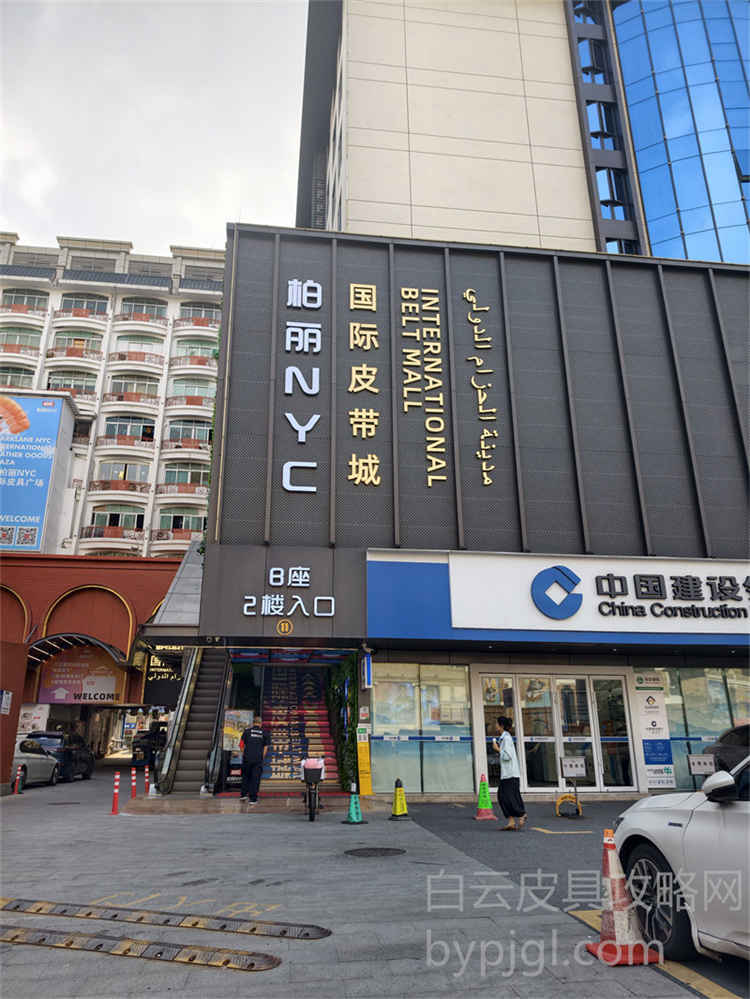
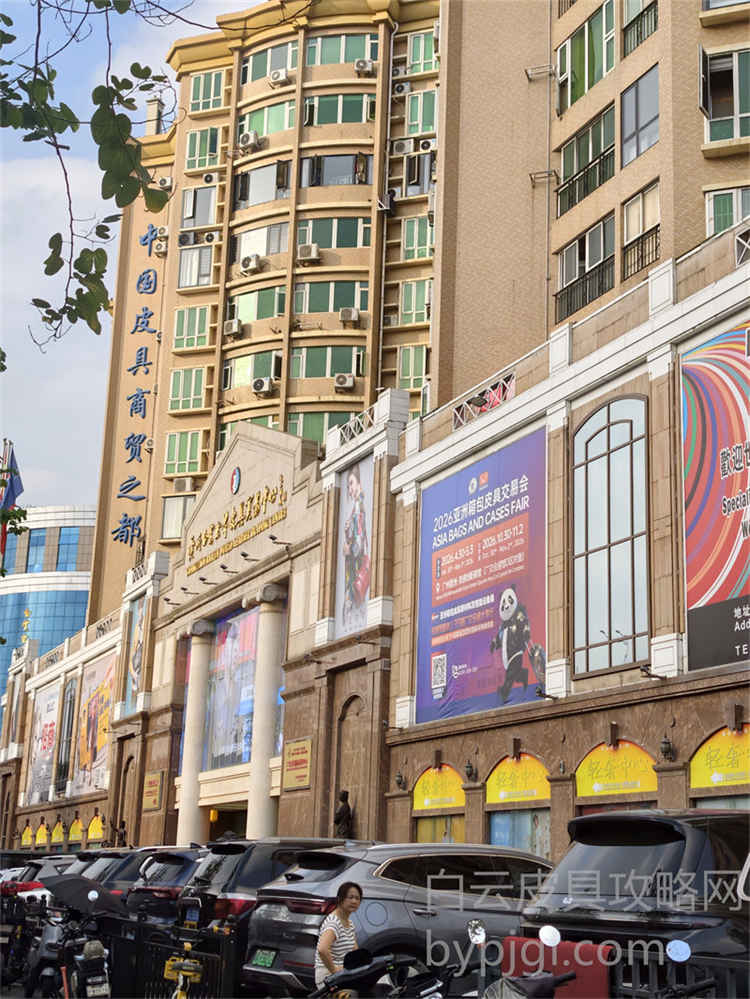
The Morning Rush and Finding Your Way
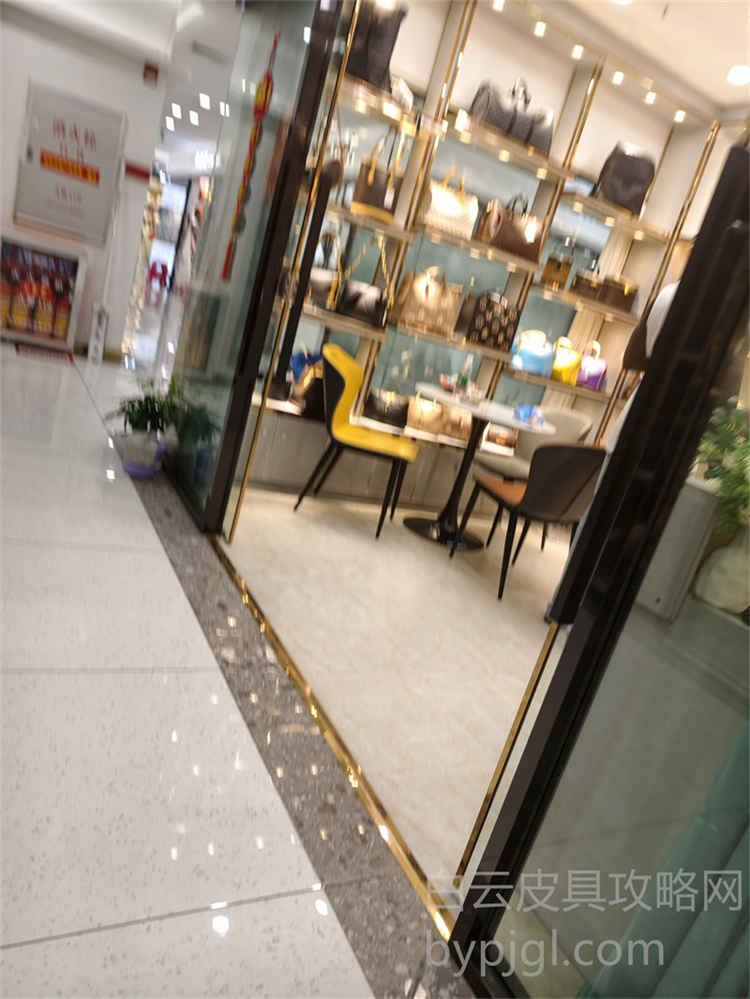
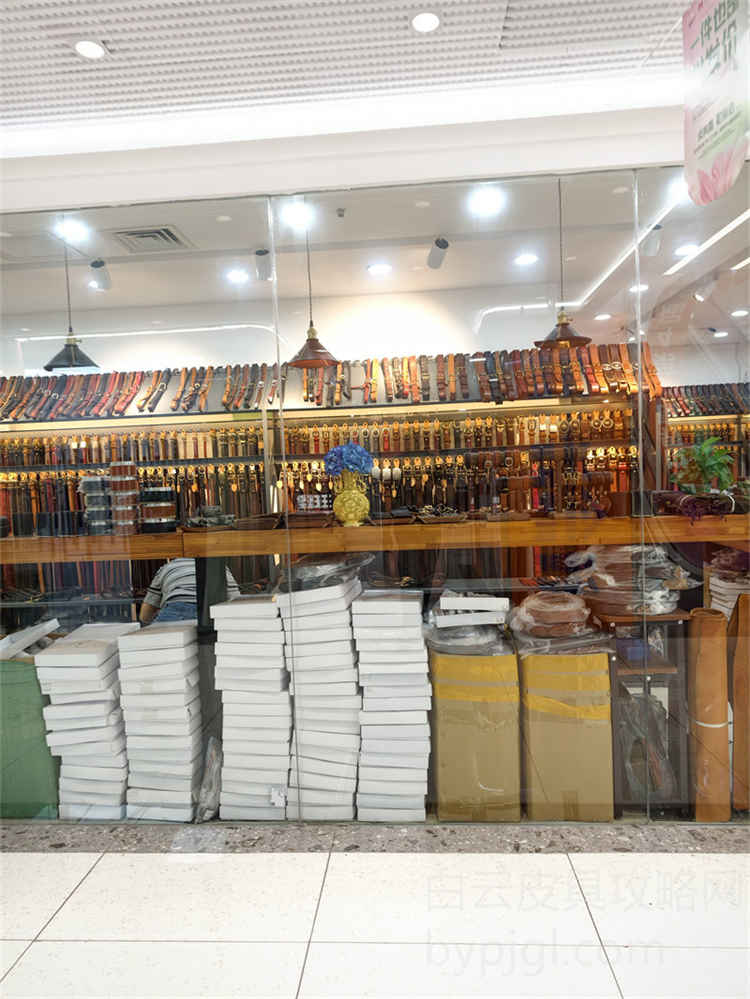
Most first-time visitors get lost before they even find their first stall. The market is a maze of interconnected buildings, each with its own vibe. You cannot just walk in and expect to find the best deals immediately. Start your day early, around 9 AM, when the energy is highest but the crowds haven't completely swarmed the narrow aisles. I always tell my regular clients to head straight to the upper floors of the main complexes. The ground floor is often filled with tourists and quick-turnover stalls selling lower-grade goods. The real factories and serious wholesalers keep their showrooms upstairs or in the back rooms where the lighting is better and the staff has time to explain the details.
Reading the Room: What Makes a Good Stall
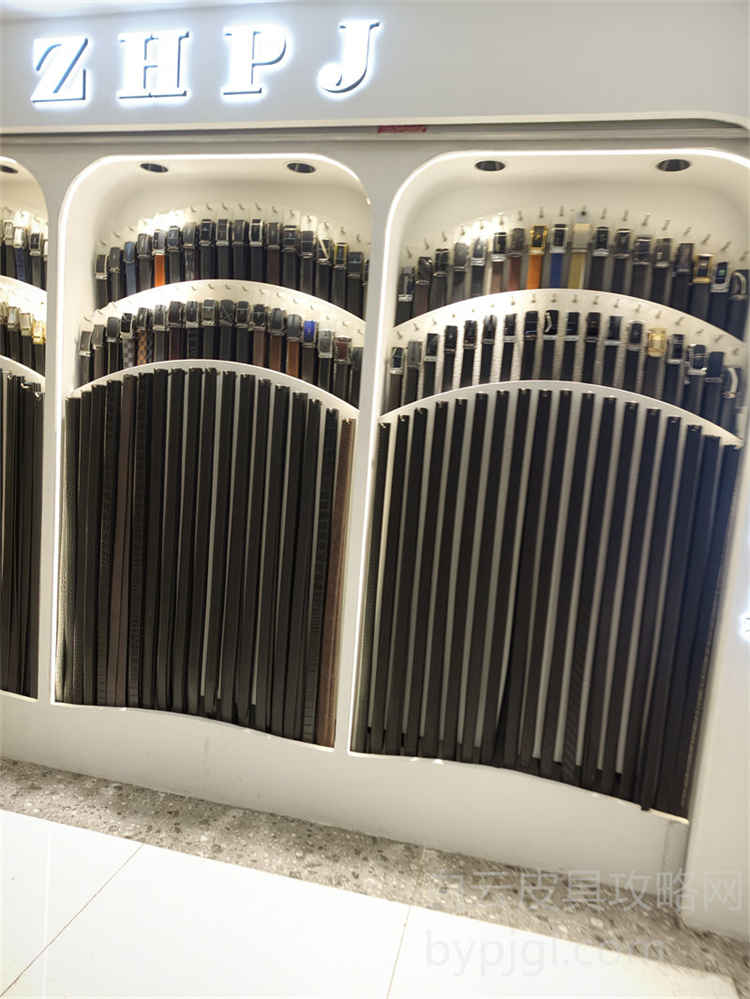
When you approach a booth, do not just look at the price tag. Look at the craftsmanship. A legitimate source will have samples that show the stitching density, the grain of the leather, and the hardware weight. In our industry, we talk about "top tier" production, which means using full-grain cowhide, imported zippers, and precise cutting machines. If a seller shows you a bag that looks perfect from the front but has loose threads on the inside or cheap plastic linings, walk away. We pride ourselves on transparency. When I show a client a sample, I point out the specific grade of the leather and the origin of the hardware. We don't hide the process because we know that quality speaks for itself.
Asking the Right Questions about Materials
One of the biggest mistakes foreign buyers make is asking for "the same as brand X." Instead, focus on the specifications. Ask me about the tanning process, the thickness of the leather, and the type of coating used. Are we talking about vegetable-tanned leather or chrome-tanned? Is the hardware solid brass or zinc alloy? These details define the longevity of the product. In the Baiyun market, there are hundreds of suppliers, but only a few truly care about material integrity. When you ask these technical questions, you separate yourself from the casual browsers. Serious manufacturers appreciate buyers who know what they want because it speeds up the negotiation process.
Navigating the Negotiation and Ordering Process
once you have identified a potential partner, the real work begins. Pricing in Guangzhou is never fixed; it is a dance based on volume, relationship, and timing. Do not be afraid to negotiate, but remember that rock-bottom prices usually mean compromised quality. If a deal sounds too good to be true, it almost certainly is. We build our reputation on consistency, so we rarely cut corners to win a single order.
Understanding Minimum Order Quantities (MOQ)
Many overseas buyers are surprised by MOQs. Factories here prefer bulk orders because setting up molds and preparing leather cuts requires significant labor. However, many of us in the market are flexible for new partners. If you are starting small, we can discuss a trial run with a slightly higher unit price. As you grow, the cost per piece drops significantly. It is crucial to be honest about your projected volume. If you promise large orders and then fail to deliver, trust is broken instantly. But if you show commitment, we will prioritize your production line and offer better terms.
The Sample Phase: Don't Skip This Step
Never place a bulk order without seeing a physical sample first. Even if you have seen photos online, screens lie. Colors shift, textures feel different, and hardware finishes vary under natural light versus artificial showroom lights. I always insist that my international clients pay for a sample before committing to a full container. This sample fee is often deducted from the final bulk order. During this phase, check every zipper pull, every stitch, and the alignment of the pattern. If something feels off, send it back immediately. We want to fix it now rather than deal with returns later. This step ensures that the final product matches your vision perfectly.
Avoiding Pitfalls and Building Long-Term Trust
The market is competitive, and unfortunately, there are bad actors who try to pass off low-quality goods as premium. To avoid being scammed, stick to established locations within the major complexes. Avoid street vendors who approach you aggressively. A legitimate business owner will welcome you into their office, offer tea, and show you their production capabilities. Trust is built over time. Many of my clients have been coming to Guangzhou for a decade, and we treat them like family. They know exactly what to expect, and I know exactly what they need.
Logistics and Shipping Considerations
once the order is approved and paid, the logistics phase begins. We handle packaging carefully to prevent damage during transit. We use sturdy cartons, moisture-proof bags, and proper labeling. For international shipping, we work with trusted freight forwarders who specialize in leather goods. They understand customs regulations and ensure that your cargo clears smoothly. Do not rush the shipping process. Quality control takes time, and rushing leads to mistakes. We prefer to take an extra week to ensure every bag is inspected and packed correctly than to ship a container full of defects.
The Future of Sourcing in Baiyun
The landscape of the leather market is changing. More factories are adopting digital tools, offering virtual tours, and providing detailed spec sheets. However, nothing replaces the experience of walking the floors, touching the materials, and shaking hands with the people making your products. The Baiyun district remains the heart of this industry because it offers an ecosystem where design, manufacturing, and sales converge. Whether you are looking for custom designs or proven best-sellers, the depth of supply here is unmatched. By following these steps and maintaining a respectful, professional approach, you can build a reliable supply chain that grows with your business.