Walking the Floor: My Honest Take on Sourcing from Guangzhou
I have been standing behind this counter in the Baiyun district for over twenty years. You know me as Old Chen, the guy who knows which alleyway leads to the best leather and which floor has the most honest suppliers. I see tourists coming in with big dreams and small budgets, looking for "cheap designer bags." Let me stop you right there. If you are here thinking about buying fake luxury goods, you are already walking into a trap that will cost you more than just money.
The reality of the Guangzhou leather market is not what you see in those clickbait videos online. It is a massive, chaotic ecosystem where quality varies wildly from one stall to the next. When people ask me about finding affordable alternatives to high-end fashion, they usually mean they want style without the astronomical price tag. That is a legitimate business goal. But getting there requires knowing how to navigate the stalls, talk to the owners, and inspect the goods like a pro.
Navigating the Baiyun Leather City Maze
First Steps: Leave the Tourist Traps Behind
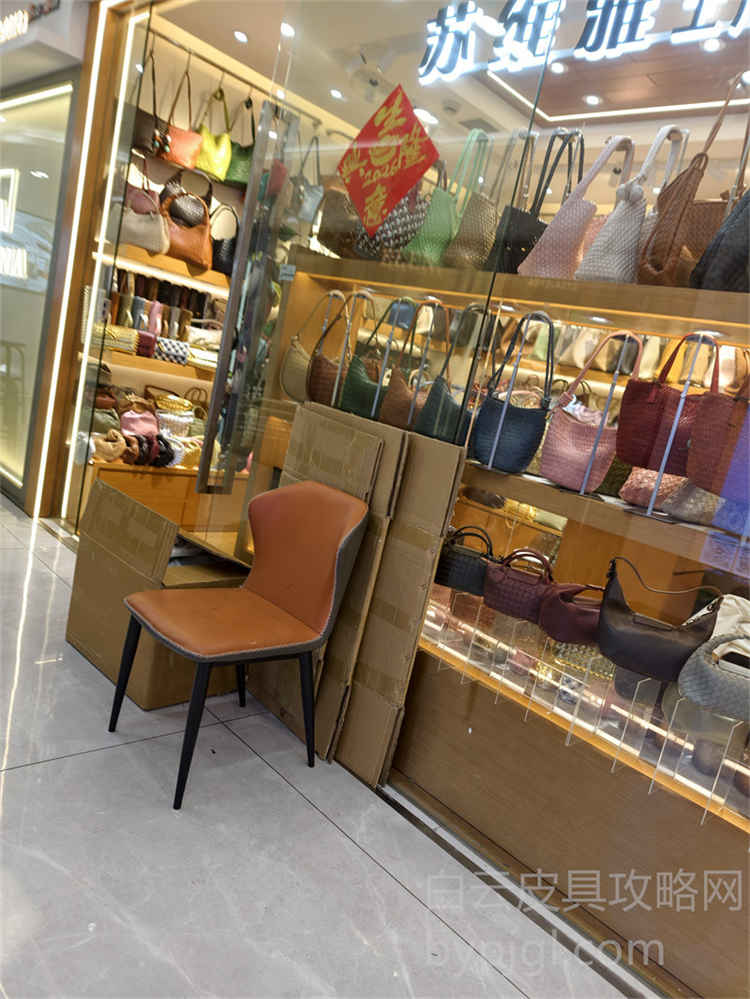
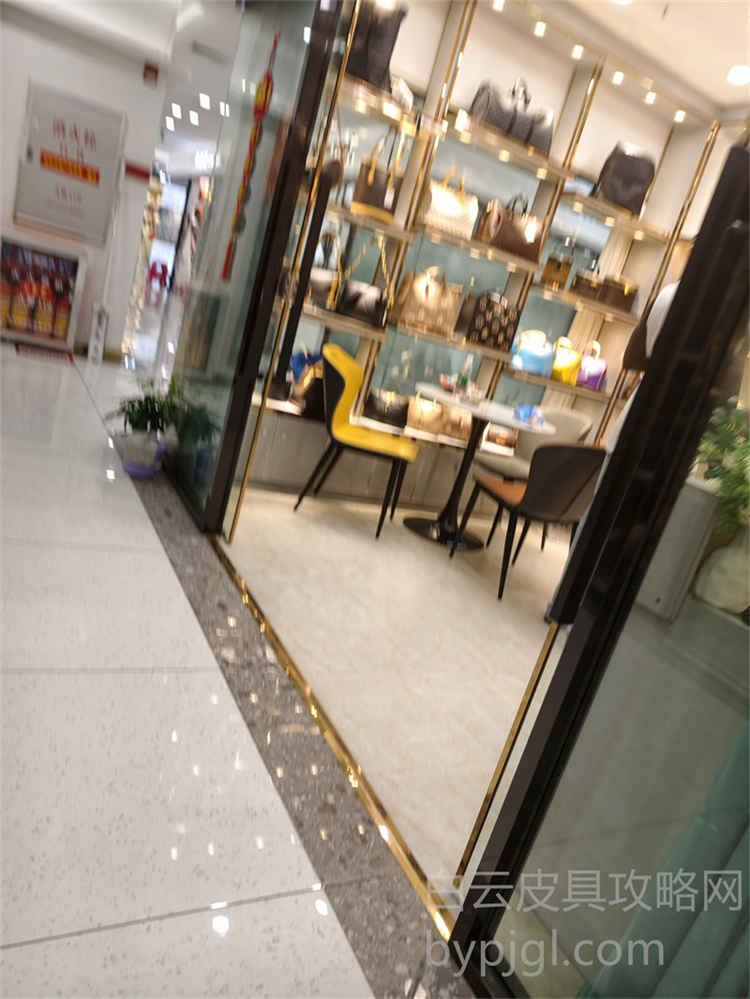
When you first arrive at the Baiyun Leather City, do not let the flashy signs or the aggressive touts pull you in. The real action happens deeper inside the buildings, away from the main entrances. Many new buyers get stuck in the ground-floor showrooms where prices are marked up for foreigners. They think they are getting a deal because it looks expensive, but they are actually paying retail prices for low-quality items.
You need to head straight to the upper floors or the side corridors. This is where the wholesale dealers operate. These are the people who supply the boutiques across Asia and Europe. Here, the atmosphere changes. It is less about window shopping and more about serious business. You will see stacks of boxes, busy staff measuring materials, and customers haggling over prices in broken English or Mandarin. This is the environment where you find the real value.
The Art of Inspection: Seeing What Others Miss
Touch, Smell, and Stitch Count
once you are in a stall, do not just look at the bag hanging on the rack. Pick it up. Feel the weight. Real craftsmanship has a specific heft that cheap synthetic materials simply cannot mimic. In my experience, the first thing I check is the smell. High-grade leather smells distinctively rich and earthy. If it smells like chemicals or plastic, walk away immediately. No amount of marketing can fix bad raw materials.
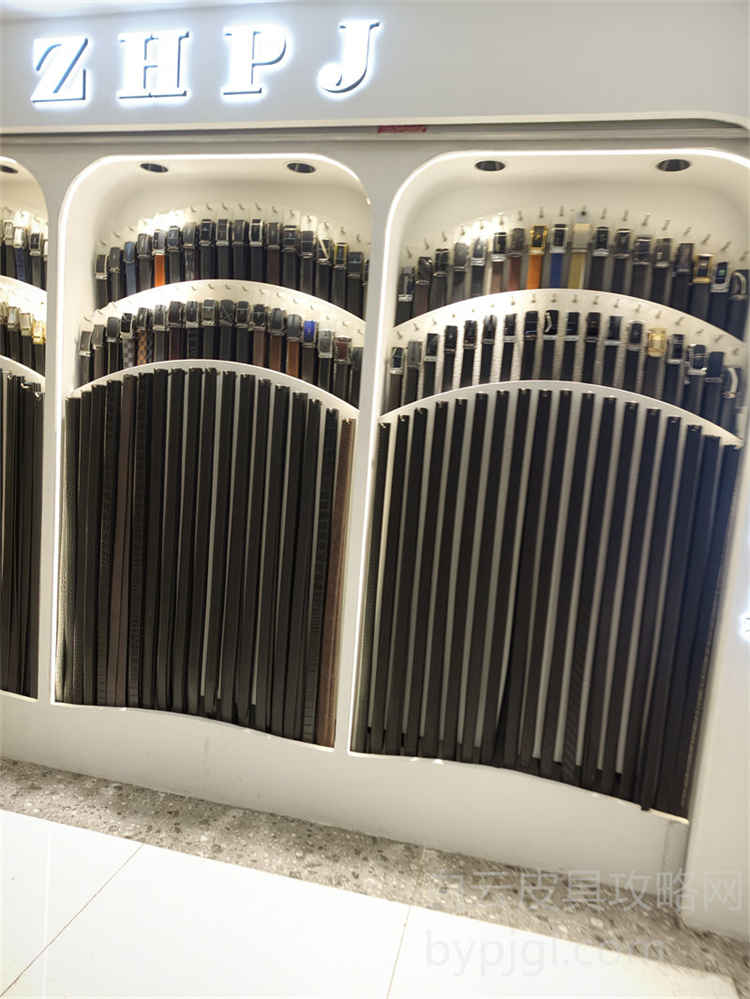
Next, look at the stitching. This is where many sellers cut corners. Zoom in on the seams. Are the stitches even? Is the thread color matching perfectly? A good stall owner will be proud to show you the close-up details. If they hesitate or try to cover the stitching with their hand, that is a red flag. Also, check the hardware. Does the zipper glide smoothly? Is the metal plating thick or does it feel flimsy? In the Baiyun market, you can find hardware that lasts for years if you know what to ask for.
Building Relationships and Negotiating Prices
Talking Like a Local Buyer
One of the biggest mistakes foreign buyers make is acting like a tourist. They ask, "How much?" and expect a fixed price. In Guangzhou, everything is negotiable, especially if you are buying more than one piece. I always tell my international clients to build a rapport first. Ask about the leather source. Ask how long the seller has been in the business. Show genuine interest in their craft.
When you start talking about volume, the game changes. If you say you are interested in taking ten pieces, the price per unit drops significantly. Do not be afraid to walk away. If the price is too high, put the bag down and start walking toward the exit. Often, the seller will call you back with a better offer. This is standard practice here. It shows you are a serious buyer who knows the market value. Never accept the first quote you hear.
Avoiding Scams and Quality Pitfalls
Red Flags Every Buyer Must Know
There are scams in every market, and the leather industry is no exception. One common trick is the "sample vs. bulk" switch. The seller shows you a perfect sample, takes your deposit, and then sends you a box full of inferior products. To avoid this, always request to see the actual stock before paying. Ask to open the boxes yourself. Check multiple units from the same batch to ensure consistency.
Another issue is the description mismatch. Some sellers use terms like "top grade" or "premium" loosely. In our trade, these words mean nothing unless defined by specific standards. Always ask for the leather type explicitly. Is it cowhide? Lambskin? Goatskin? And what about the lining? Cheap linings ruin the durability of the bag. Be specific in your requirements. If you want a certain finish or texture, describe it clearly and ask them to confirm in writing or via message before you finalize the order.
Logistics and Shipping Your Purchases
Getting Goods Out of China Safely
once you have selected your items and negotiated the price, the next challenge is shipping. Most stalls in Baiyun have relationships with freight forwarders who specialize in international logistics. Do not try to ship everything through regular mail services; it is slow and risky. Use a forwarder who understands customs regulations and packaging needs.
Packaging is crucial. Bags can get crushed during transit if not packed correctly. Insist on proper stuffing and sturdy boxes. Also, discuss the insurance options. While theft is rare in professional markets, accidents happen. Make sure your shipment is insured for the full value. Finally, keep all receipts and communication records. If there is any dispute upon arrival, having a paper trail is your only defense.
Final Thoughts on Sustainable Sourcing
My advice to anyone coming to Guangzhou is to focus on quality and design rather than trying to replicate famous logos. The market is flooded with unique, well-made bags that stand on their own merit. By focusing on the material, the construction, and the brand identity you create, you build a sustainable business. The Baiyun Leather City is a treasure trove for those willing to learn its rules. Treat the sellers with respect, inspect your goods thoroughly, and negotiate fairly. That is how you succeed in this city.