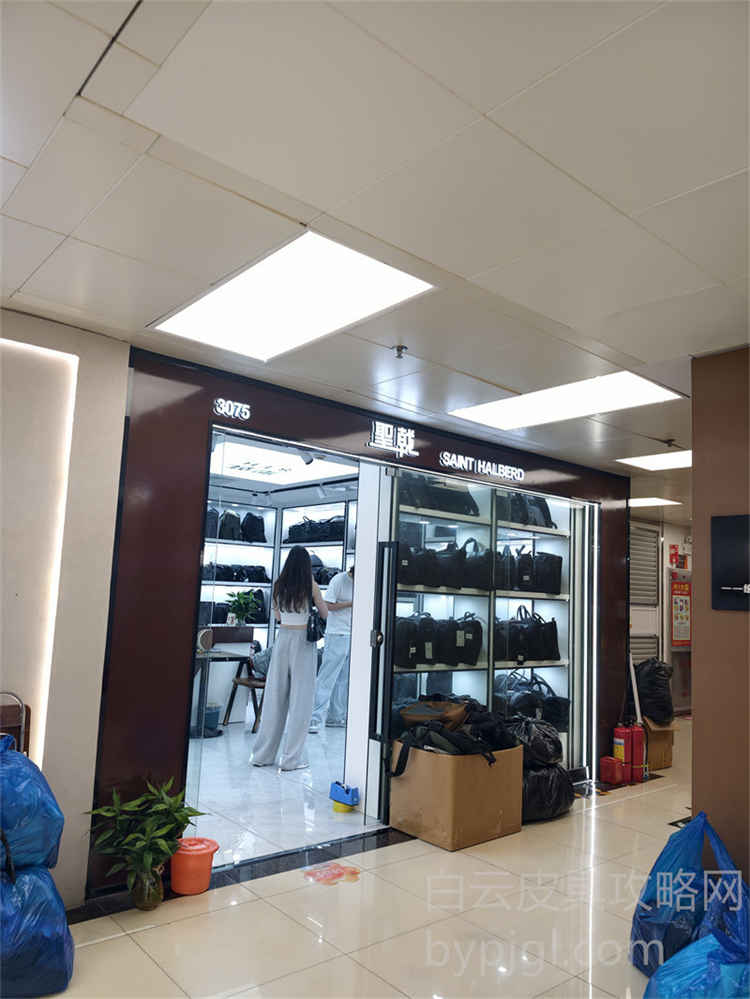
Walking the Floors: My Real Talk on Sourcing from Guangzhou
I have been standing behind this counter in Baiyun for over fifteen years. While the internet is flooded with articles about "high-end replicas" and "super fakes," I am here to tell you what actually happens when you step off the plane and into the market. Forget the glossy photos you see online; the real story is in the dust, the noise, and the handshake deals that happen in the back rooms of these massive buildings. If you are looking to source leather goods from Guangzhou, specifically around the Baiyun district, you need to understand that this isn't just a shopping trip. It is a business operation that requires patience, sharp eyes, and a thick skin.
The First Step: Leaving the Tourist Traps
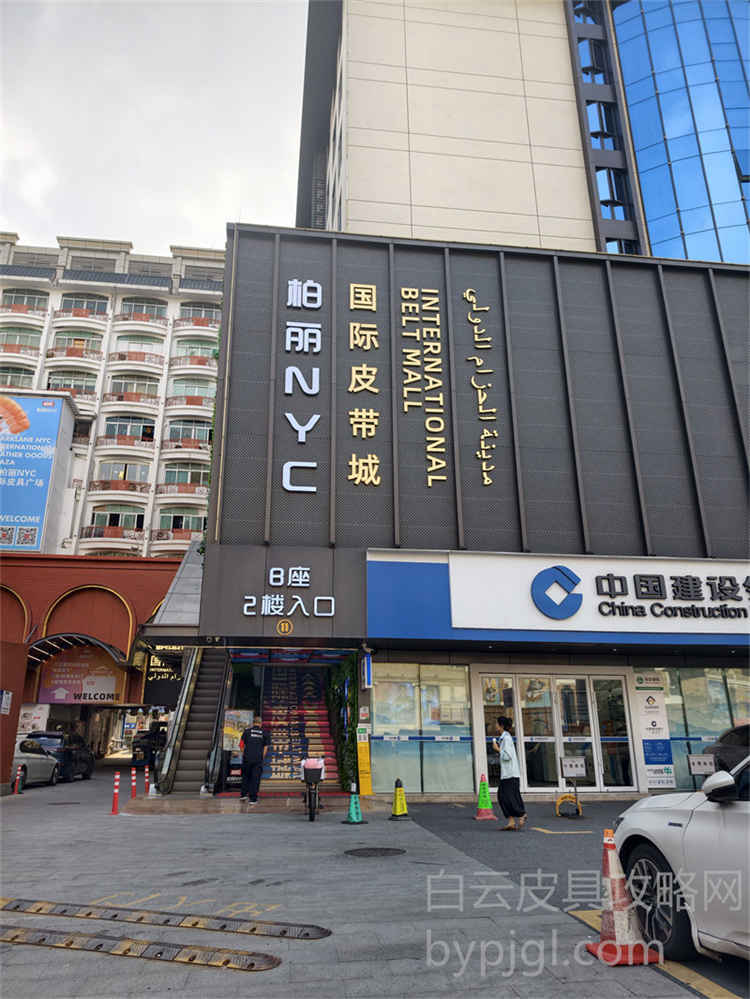
Most first-timers make the mistake of going straight to the main entrance of the famous plaza. They walk in expecting to find a display case full of perfect bags, ready to buy at a discount. That is a fantasy. The moment you enter the ground floor lobby, you are surrounded by tourists and low-quality stock meant for street vendors. If you want the real deal, the kind of quality that rivals the big names without getting you arrested, you need to go deeper. You need to head to the upper floors or move to the specialized wholesale buildings nearby where the serious buyers operate. This is where the air smells like fresh leather and glue, not cheap plastic. The vendors here do not smile at you immediately; they wait until you show them you know how to talk business.
Navigating the Market Layout and Finding the Right Stall
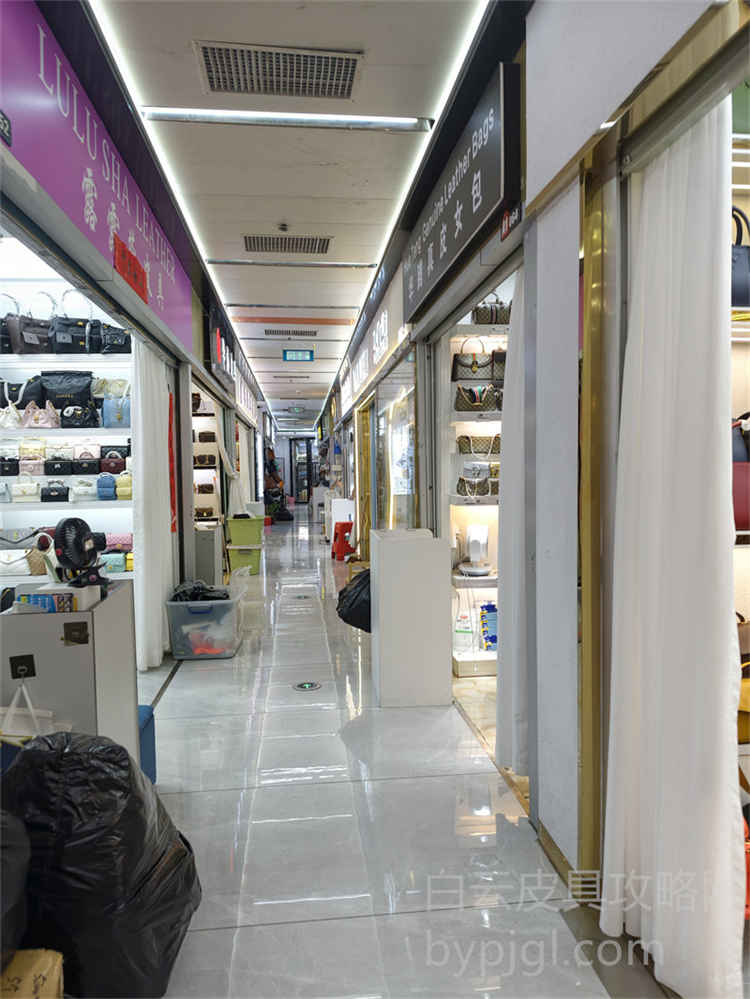
The layout of the Baiyun area is confusing if you do not have a local guide or a clear plan. It is a maze of corridors, escalators, and endless rows of stalls. Do not try to browse every single shop. You will waste your energy and end up buying nothing but junk. Instead, focus on specific zones known for high-grade production. When you ask around, use terms like "top tier" or "original mold." These phrases signal to the boss that you are not a tourist looking for a souvenir. You are a buyer looking for inventory.
Reading the Room Before You Speak
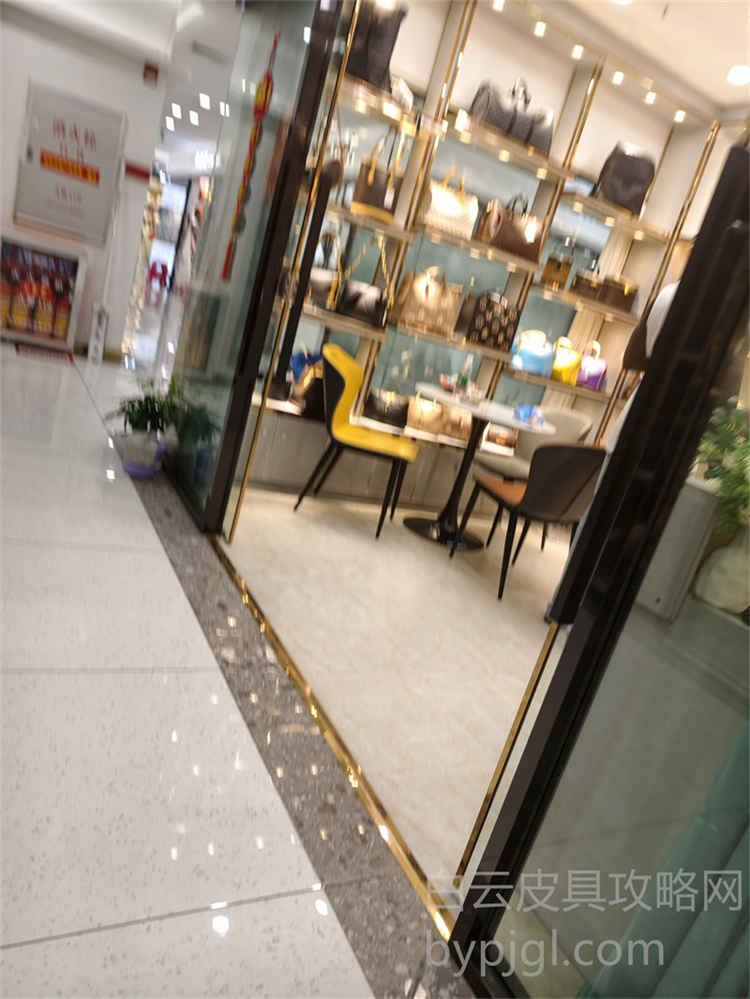
once you find a stall that looks promising, observe before you approach. Look at the bags on the table. Are they neatly arranged? Is the stitching tight? Do the hardware pieces look heavy and substantial, or are they light and hollow? A good vendor will have a few samples out, but the real magic happens when you ask to see the "master piece." This is the bag that represents their absolute best work. If they hesitate or try to push you toward a cheaper option immediately, walk away. The ones who respect your time will pull out the hidden stash from the back shelf. This is where the conversation really starts.
The Art of Inspection: What to Look For Under the Microscope
This is the most critical part of the process. Many overseas buyers rely on photos sent via WeChat, but that is a recipe for disaster. You must see the product in the flesh. When you inspect a bag, ignore the logo for a second. Focus on the grain of the leather. Does it feel soft and supple, or does it feel stiff and synthetic? Run your fingers along the edges. In a top-tier factory, the edge paint should be smooth and even, with no bleeding or rough spots. Check the lining inside. Cheap versions often use polyester that feels slippery; high-quality sourcing uses durable canvas or soft fabric that matches the exterior texture.
Hardware and Stitching Details
Pay close attention to the zippers and clasps. Do they glide smoothly? Do they have weight to them? The sound of a zipper closing should be solid, not rattling. As for the stitching, count the stitches per inch. High-end production maintains a consistent stitch length throughout the entire bag. If you see loose threads, uneven spacing, or glue stains near the seams, put it down immediately. A seasoned vendor knows that these details separate the premium goods from the trash. They will not hide these flaws from you because they know you will catch them. Honesty builds trust, and trust leads to repeat orders.
Negotiating Prices and Securing Your Order
once you have selected the items you want, the negotiation begins. Do not be afraid to haggle, but do not be rude. The price you see on the tag is rarely the final price. Start by asking for their best wholesale rate. Explain that you are planning a larger order or a long-term partnership. Vendors in Baiyun appreciate volume. If you are buying ten pieces, you get a better deal than if you buy one. However, never ask for a price that is too low. If the price seems too good to be true, it is. There is always a cost associated with quality materials and skilled labor.
Payment Terms and Shipping Logistics
When it comes to payment, cash is king, but bank transfers and digital wallets are common now. Always agree on the payment method before handing over any money. Ask about shipping options carefully. Most vendors can arrange direct shipping to your country, but you need to clarify who handles the customs paperwork. Some sellers offer DDP (Delivered Duty Paid) services, which means they handle the taxes and delivery to your door. Others ship FOB (Free on Board), leaving you to manage the logistics once it leaves the port. Choose based on your experience level. For new buyers, a reliable seller who handles the shipping complexity is worth the extra fee.
Avoiding Common Pitfalls and Building Trust
The biggest risk in this market is dealing with middlemen who claim to be factories. They might take your deposit and then send you a lower-quality item later. To avoid this, insist on meeting the actual owner or manager of the stall. Ask to see their workshop or production line if possible. If they refuse, that is a red flag. Also, be wary of sellers who promise "100% original" without providing any proof of their craftsmanship history. In this industry, reputation is everything. A vendor who has been in Baiyun for ten years has built a name that they cannot afford to lose. Stick with those who have a physical presence and a track record of satisfied international clients.
Long-Term Relationships Over One-Off Deals
Do not treat this as a one-time transaction. The real value in Guangzhou comes from building a relationship with your supplier. Send them updates on your sales, share feedback on what customers like, and ask for their advice on new trends. When you become a regular face, they will prioritize your orders, give you access to new molds before anyone else, and offer better prices. This network effect is what separates successful importers from those who struggle. Remember, we are all in this together. Your success helps our business grow, and our growth ensures you get the best products available.