Walking the Floors: My Honest Take on Sourcing from Guangzhou
I have been standing behind this counter in Baiyun for over fifteen years. While the internet tells you everything about "high-end replicas," nothing beats the smell of leather, the noise of the wholesale floor, and the direct eye contact with a supplier who knows exactly what they are selling. If you are flying into Guangzhou to source these goods, forget the generic guides you read online. They don't tell you how to navigate the maze of corridors or why some sellers will lie to your face while smiling.
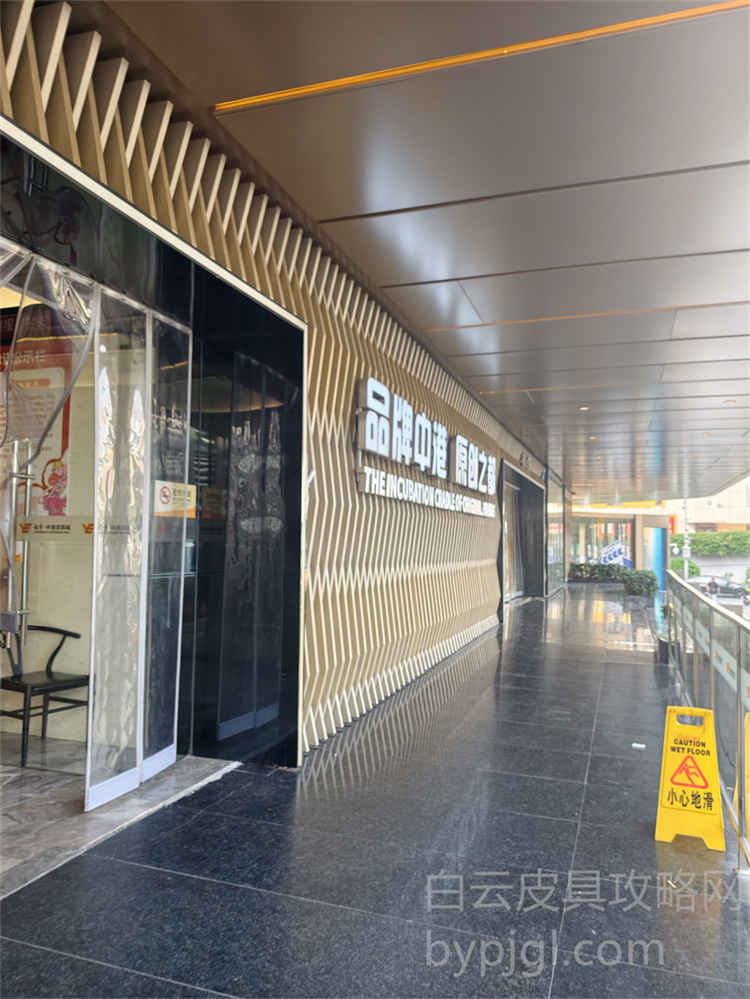
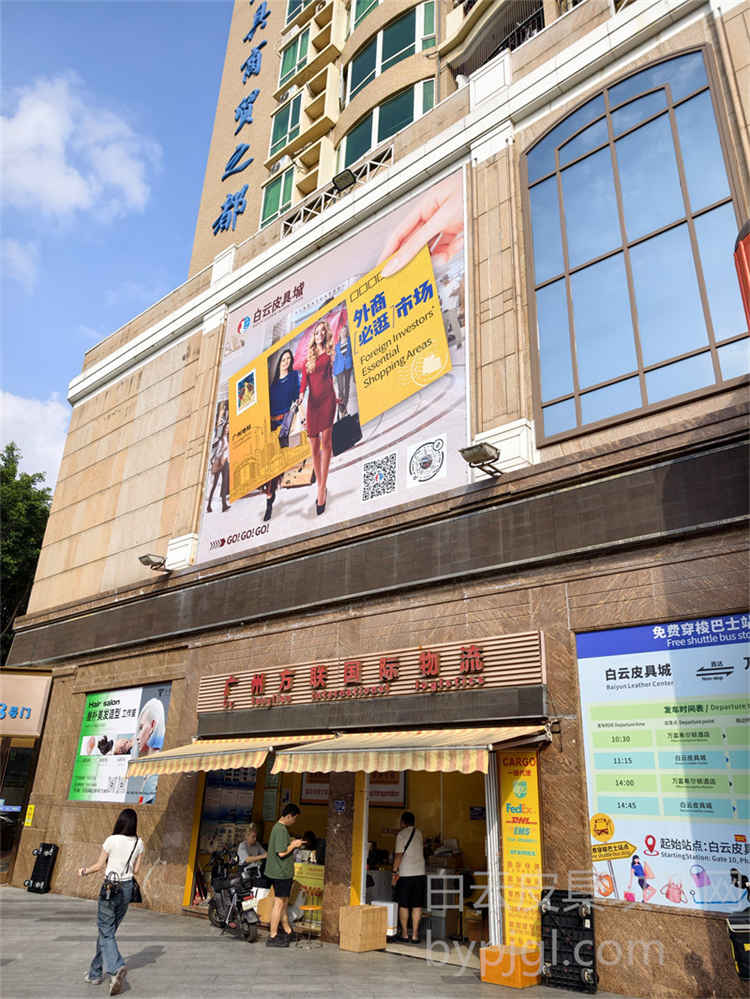
The first thing you need to understand is that this isn't a single market. It is an ecosystem. When people talk about the Guangzhou Baiyun Leather City, they usually mean the massive complex near the metro station, but the real action spills out into the surrounding buildings like Shide and Zhongda. Each building has its own vibe. Some floors cater to tourists looking for quick cash, while others are strictly B2B, where you won't even see a price tag unless you look like you belong there. I've seen buyers walk in thinking they can just grab a bag off the shelf, only to be ignored until they prove they are serious wholesalers.
Navigating the Market Layout and Finding the Right Floor
Understanding the Hierarchy of Buildings
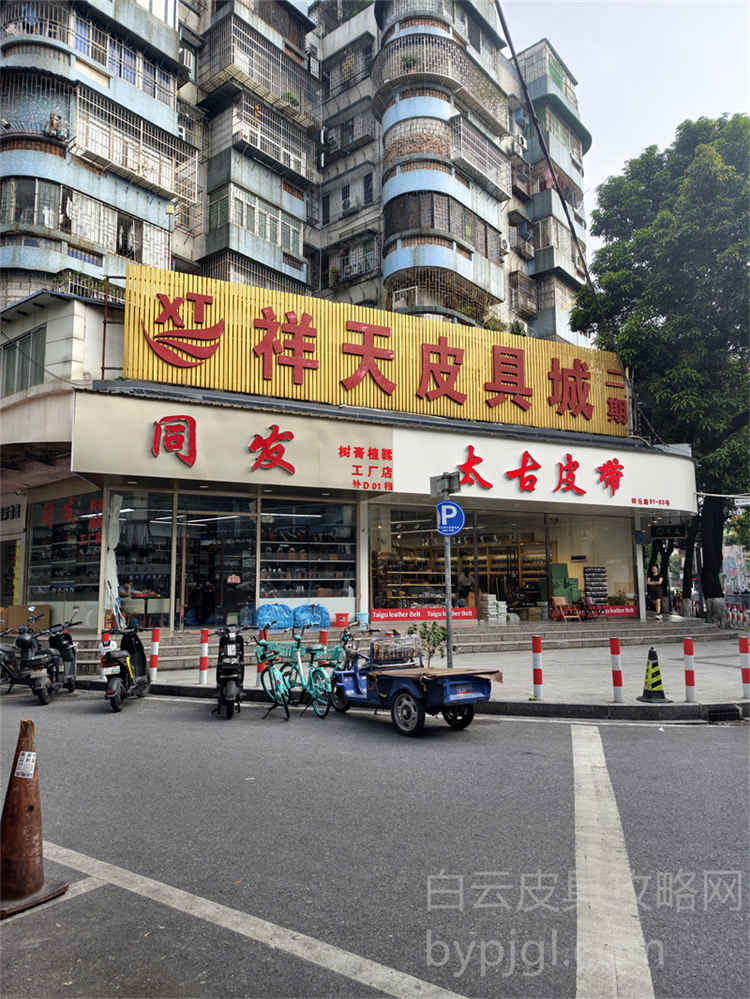
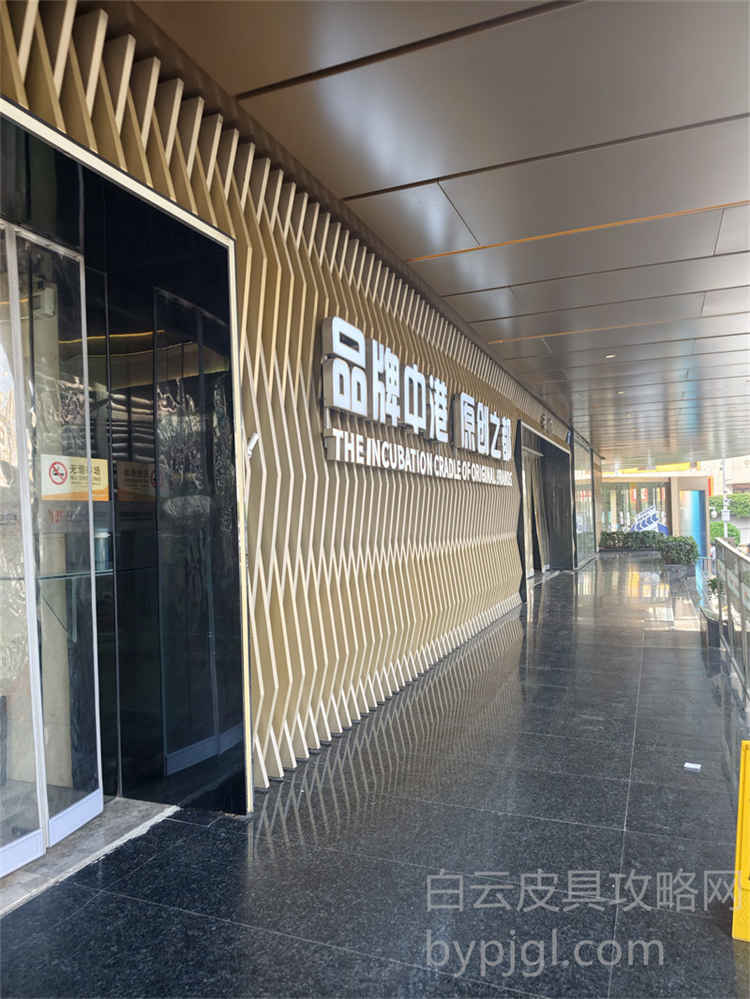
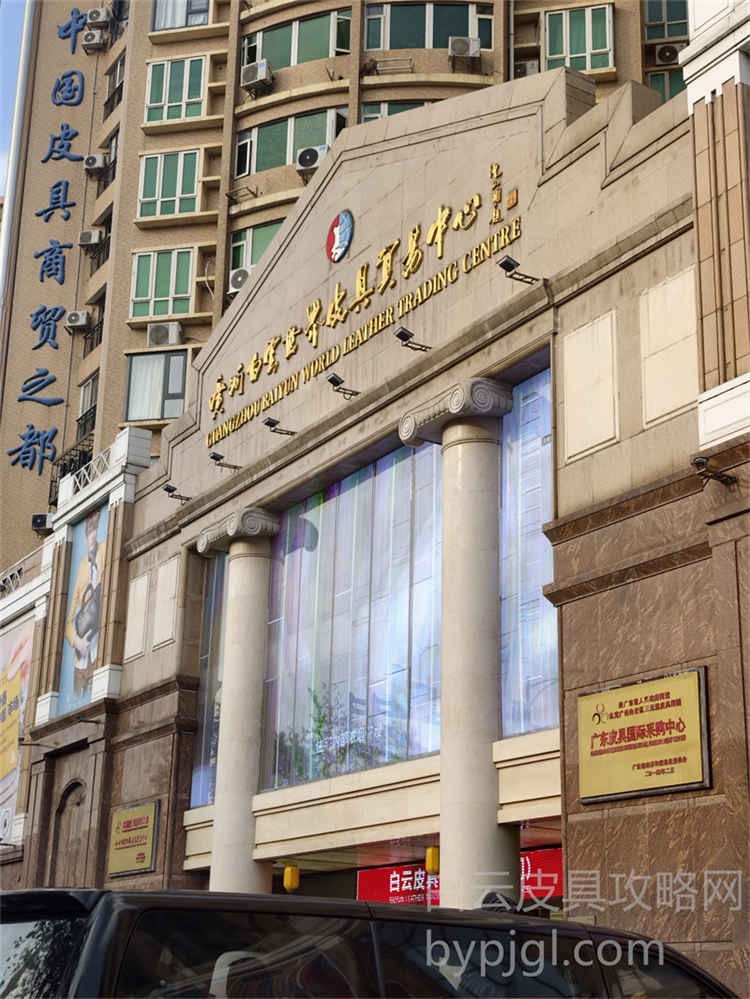
When you step off the train at Jiahewanggang, the sheer scale can be overwhelming. The main building, often referred to as the Baiyun International Leather Trade Center, is the most famous. But here is a secret: the best quality often hides in the older, less flashy buildings nearby. The newer complexes are filled with showrooms that look great but charge premium prices for average goods. I always advise my overseas clients to skip the ground floor of the main tower if they want top-tier craftsmanship. That floor is designed for walk-in tourists and low-volume buyers.
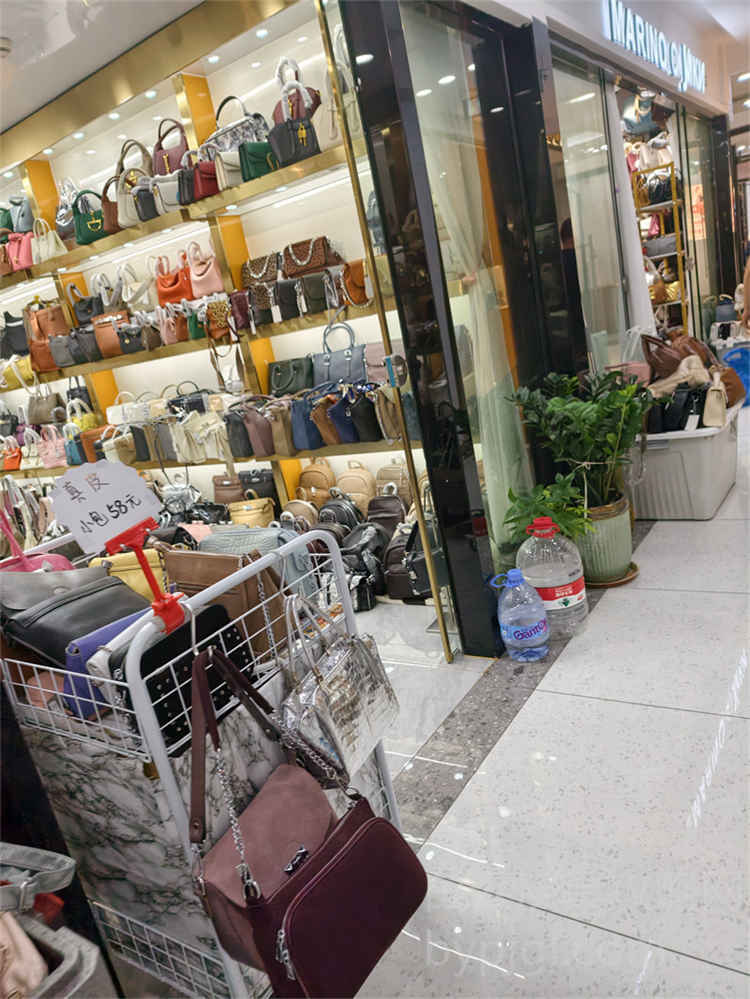
Instead, head straight for the upper levels or move to the adjacent structures. These areas house the factories' direct outlets. You will notice the difference immediately. The lighting is harsher, the displays are simpler, and the staff speaks less English but understands business better. This is where the Guangzhou high-quality leather goods market truly lives. You aren't paying for the air conditioning or the fancy lobby; you are paying for the product itself.
How to Spot a Genuine Wholesaler
Walk past the stalls with mannequins dressed in expensive suits and flashing neon signs. Those are middlemen trying to resell your stock later. A real factory owner or their senior sales manager will be sitting at a desk cluttered with samples, phone books, and packing materials. They won't rush you. In fact, they might ask you questions first. Do you have a store? How many units do you need per month? If they don't ask, run. They are likely just a broker. I remember one buyer who spent three days haggling over a small batch, only to realize the seller was just passing through. Real suppliers care about volume and consistency, not a one-off sale.
The Art of Inspection: What to Look For Before You Pay
Touch, Smell, and Stitching Details
You cannot judge these products by photos sent via WeChat. The lighting on a screen lies. You must touch the material. High-grade leather should feel soft but substantial, not thin or plasticky. Run your fingers along the edges. In the Guangzhou leather wholesale district, the stitching is the first thing to go wrong in cheap versions. Look for consistent spacing, no loose threads, and stitches that pull tight without puckering the leather. If the thread color doesn't match perfectly or feels greasy, put it back.
Also, check the hardware. Heavy, solid metal is non-negotiable. Cheap plating chips easily and turns green on your skin. Open the zippers. They should glide smoothly without catching. Listen to the sound of the clasp closing. A dull thud means poor engineering. I once watched a buyer reject a shipment because the logo engraving was too deep, making the letters look blocky rather than sharp. Small details define the difference between a souvenir and a product that holds value.
Asking the Right Questions about Materials
Don't be afraid to ask specific questions about the source of the leather. Are they using cowhide from specific tanneries? Is the lining canvas or fabric? A confident seller will know the origin of every component. If they hesitate or give vague answers like "it's good quality," they are hiding something. In our trade, transparency builds trust. I always tell my partners to ask for the grain pattern close-up. Natural leather has imperfections; perfect uniformity often indicates synthetic substitutes. Understanding these nuances separates the amateurs from the pros.
Negotiation Tactics and Avoiding Common Pitfalls
Building Relationships Over Price
Price is important, but in Guangzhou, relationships matter more. Never start a negotiation by demanding the lowest possible price. Instead, ask about their production capacity and lead times. Show them you are planning a long-term partnership. When you treat a supplier like a friend, they will share their best stock with you before anyone else sees it. I have saved clients thousands of dollars simply by introducing them to a reliable factory owner who gave them priority access during peak seasons.
Haggling is expected, but be reasonable. If a price seems too good to be true, it is. There is no such thing as free lunch in manufacturing. If you push too hard on price, the supplier might cut corners on the materials to meet your budget. Find the sweet spot where both parties feel satisfied. A fair deal ensures the supplier remains motivated to maintain quality for future orders.
Logistics and Shipping Warnings
One of the biggest mistakes foreign buyers make is ignoring shipping logistics. Many suppliers in the Baiyun leather market are not equipped to handle international customs clearance for individual packages. They prefer to send bulk shipments via freight forwarders. Always clarify who handles the packaging and labeling. If you need discreet shipping, discuss this upfront. Also, verify the weight and dimensions before the goods leave the warehouse. Discrepancies here can lead to unexpected fees upon arrival. I always recommend hiring a trusted third-party inspector in Guangzhou to verify the goods before they are packed. It costs a little extra but saves you from receiving a box full of junk.
Finally, trust your instincts. If a deal feels rushed or the seller is pressuring you to pay immediately via an unsecured method, walk away. The market is vast, and there are plenty of honest suppliers waiting to work with you. Take your time, explore the alleys, and build connections that last beyond a single transaction. That is the real secret to sourcing success in Guangzhou.