Walking the Floors: My Real Talk on Sourcing from Guangzhou
Welcome to my shop. I have been standing behind this counter in the Baiyun District for over twenty years, watching the tide of buyers come and go. You see them all here: the nervous first-timers with clipboards, the seasoned veterans who know exactly which aisle to turn into, and the ones who just want a quick deal without asking questions. If you are reading this, you are likely planning a trip to Guangzhou to source high-end men's bags, or perhaps you are trying to understand why your online orders never match the photos. Let me tell you something straight from the floor: the market is not what you see on Google Maps, and it is definitely not what you find on random e-commerce sites.
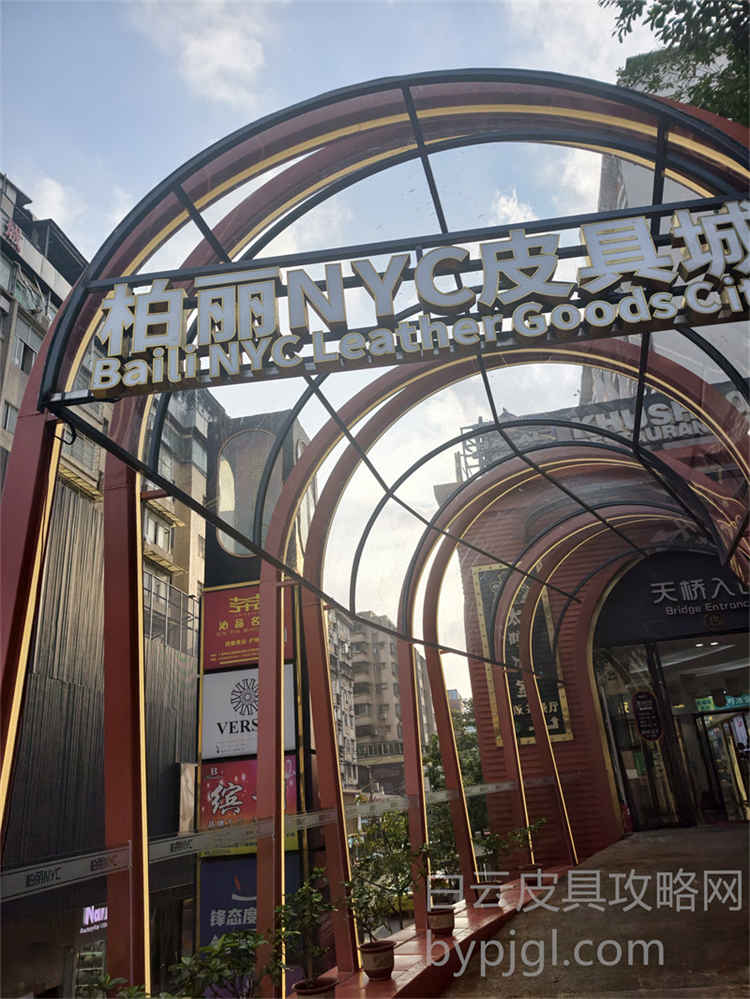
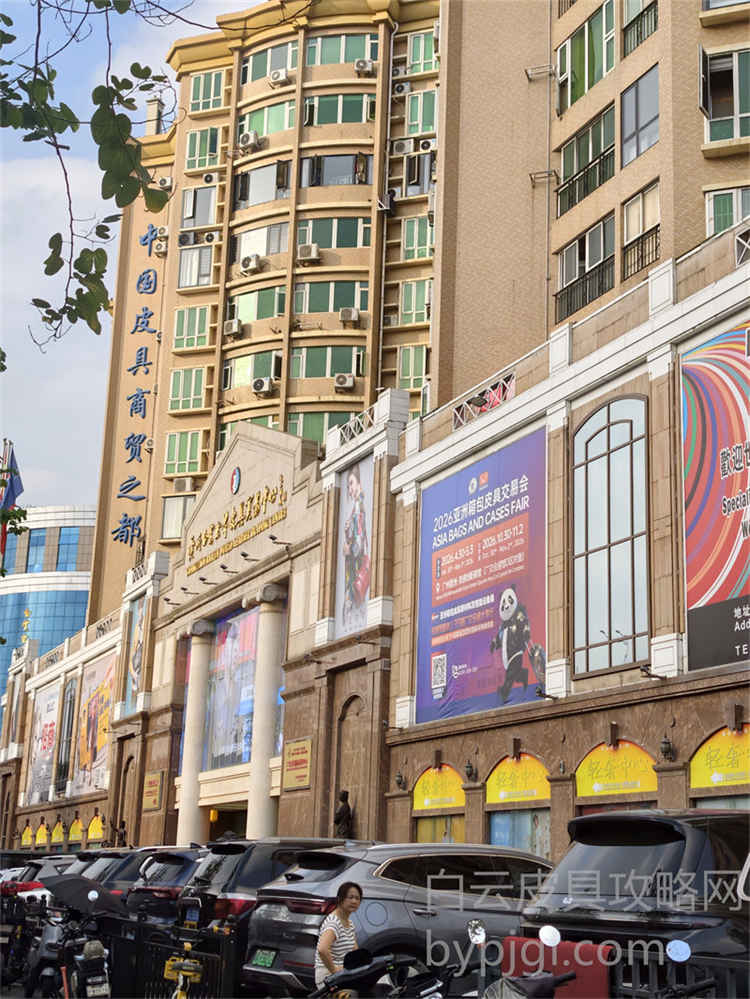
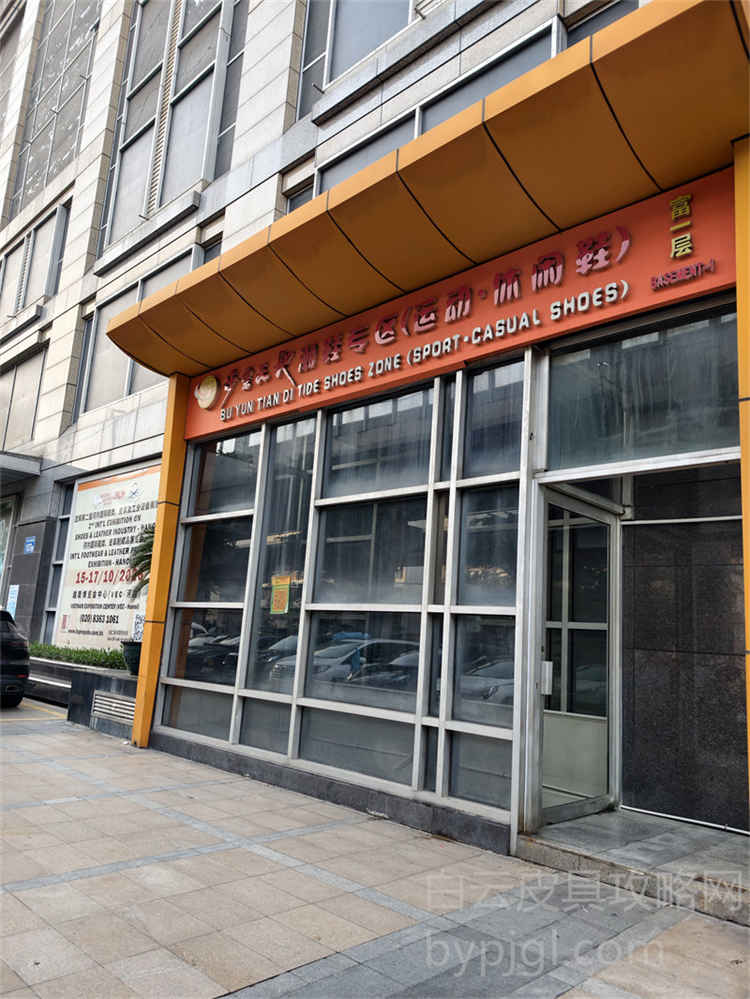
The real action happens in the physical buildings where the air smells like leather dust and fresh glue. When people ask about "Guangzhou Baiyun Leather City," they usually mean the massive complex known as the World Leather Trade Center. That is where the serious business gets done. But be warned, if you walk in expecting to buy a single bag at a retail price, you will leave empty-handed. This is a wholesale hub. The prices you see on the shelves are for bulk orders, but that does not mean you cannot get a great deal if you know how to talk to the bosses.
Navigating the Labyrinth: Where to Actually Go
Beyond the Main Entrance
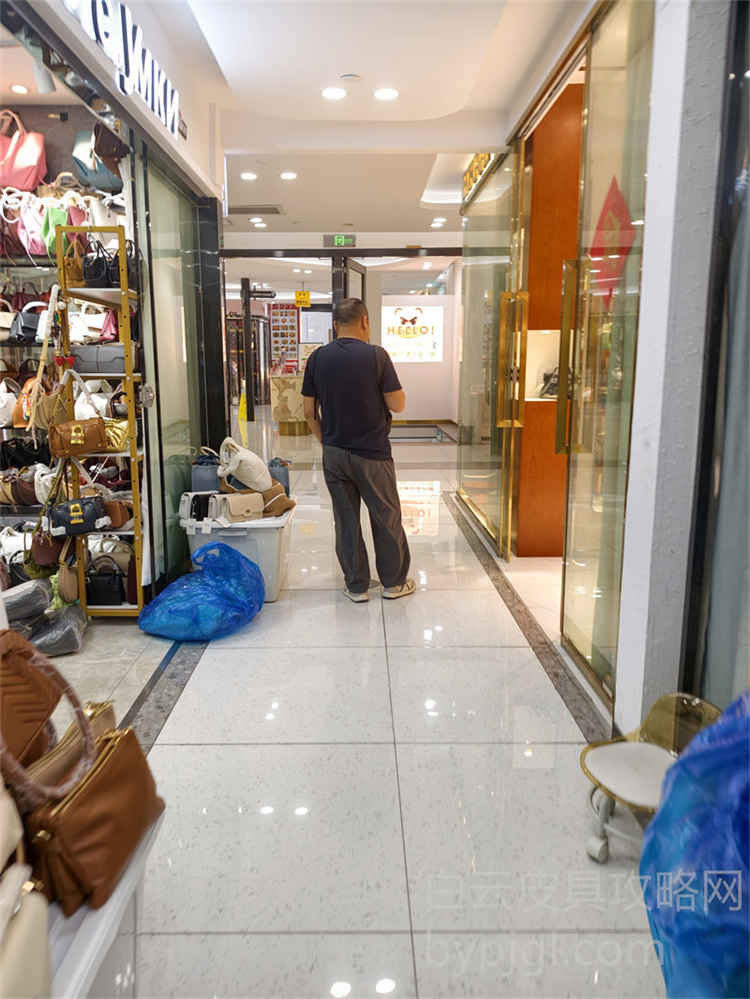
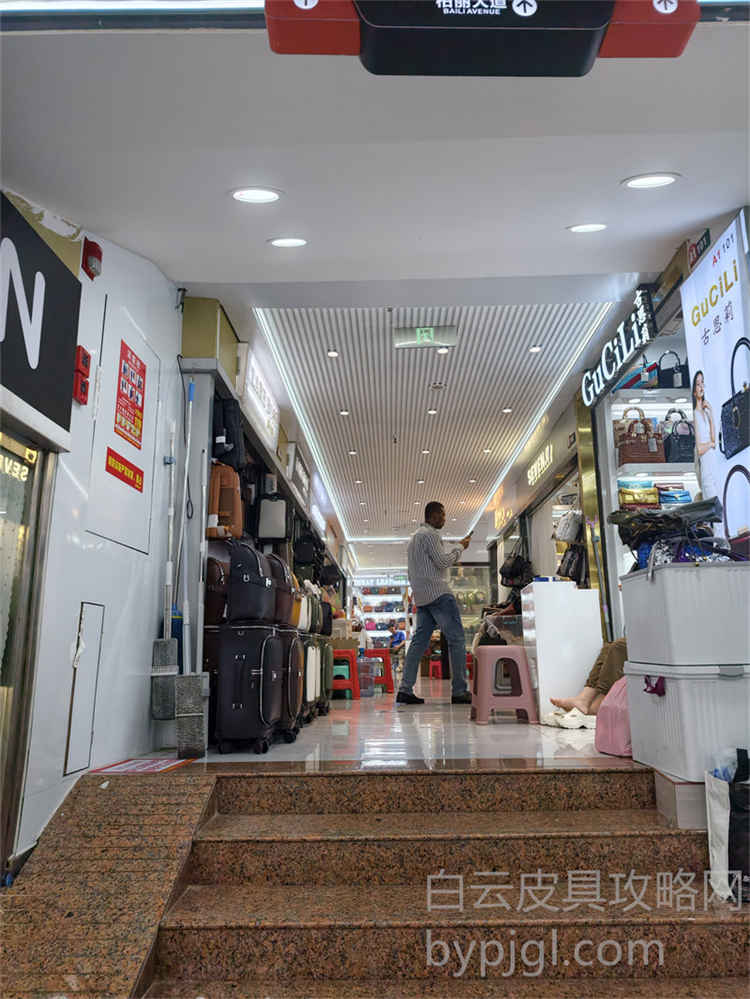
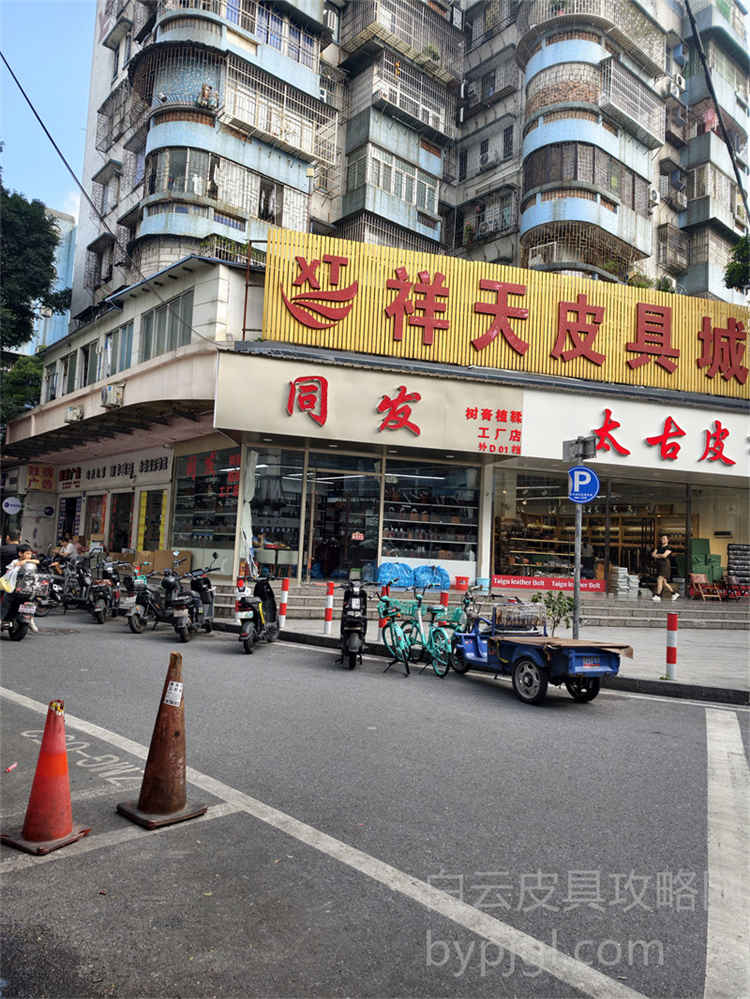
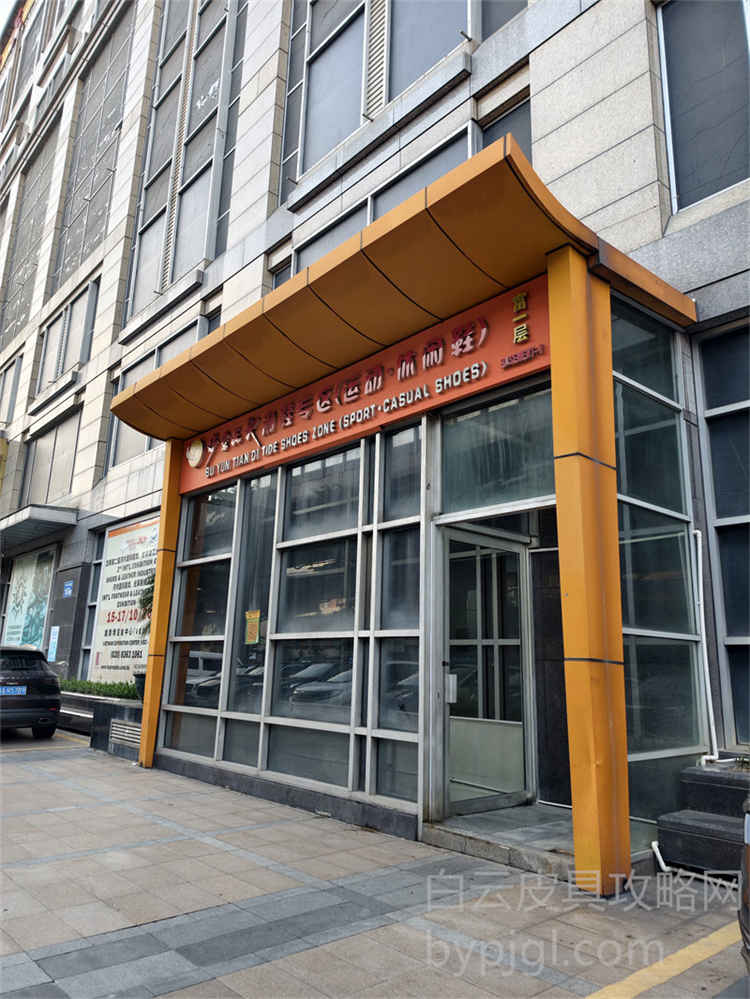
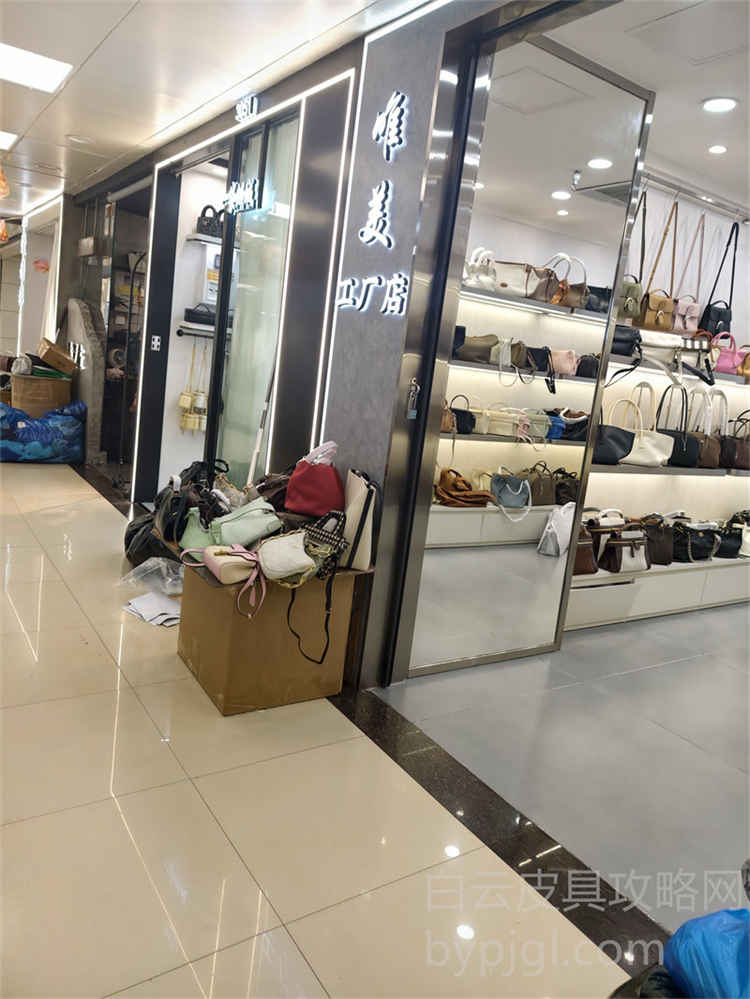
Many tourists make the mistake of sticking to the ground floor of the main building. That area is mostly showrooms designed to look pretty for casual shoppers. They display the top-tier samples, but the real inventory is hidden upstairs or in the back alleys of the surrounding buildings like the Zhongda and Shiqiao markets. As an old hand, I always tell my regulars to skip the flashy front doors. Head straight for the upper floors where the noise is louder and the tables are cluttered with unfinished goods. That is where the quality control happens.
The Hidden Corridors
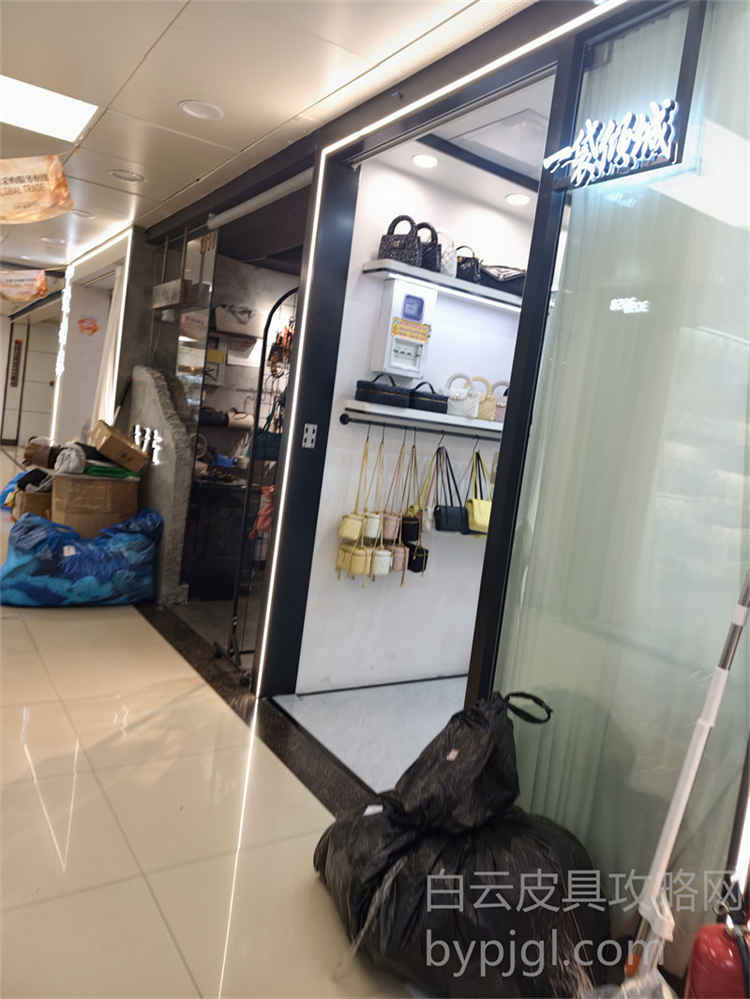
There are corridors in these buildings that do not even have signs. These are the secret passages where the best craftsmen keep their private stock. If you are looking for specific styles that are not currently on display, you need to ask the right person. A simple nod to a security guard or a quiet question to a delivery driver can sometimes lead you to a side door that opens into a workshop. This is where the magic happens. You are not buying a product; you are witnessing the creation process.
The Art of Selection: What to Look For Before You Buy
Touch and Feel Over Photos
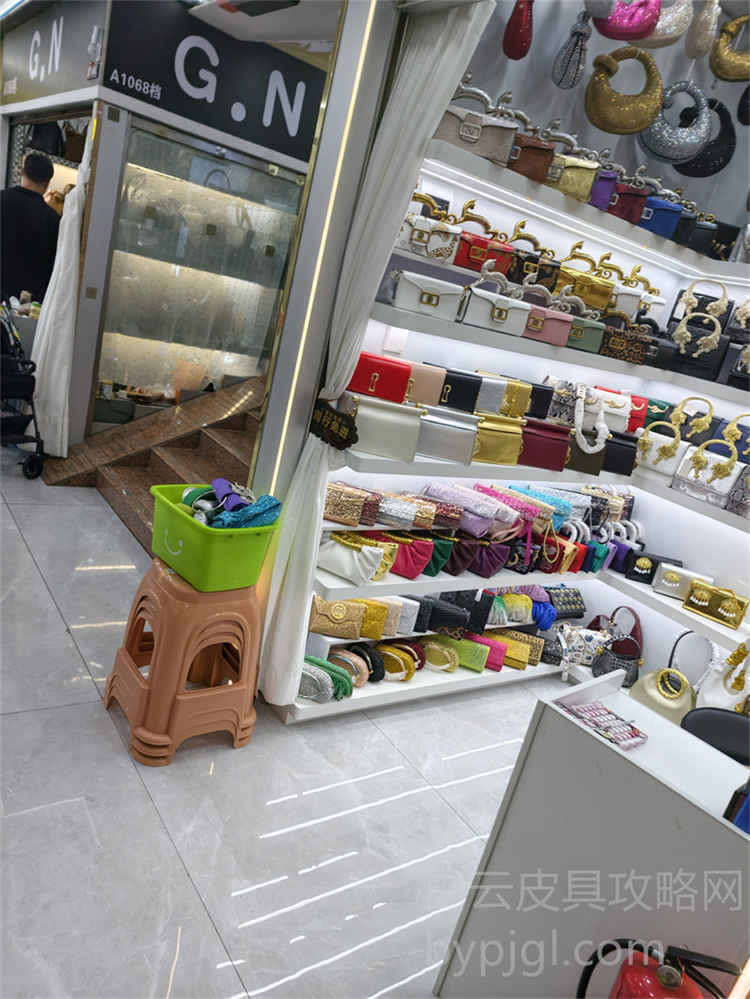
You cannot judge the quality of a bag by a photo sent over WeChat. Those images are often edited, lighting is manipulated, and the texture is lost. When you are standing in front of me, put your hands on the leather. Real craftsmanship shows in the grain. High-quality cowhide has a natural imperfection, a slight variation in the pore structure. If the surface looks too perfect, like plastic, run away. Also, check the weight. A well-made bag has substance. It should feel heavy and substantial in your hand, not light and flimsy like a toy.
The Hardware Test
Let us talk about the zippers and buckles. In this market, hardware is everything. Cheap plating peels off after a week. Good hardware feels cold to the touch and has a distinct heft. Run your finger along the edges of the zipper pull. If it feels rough or sharp, it was made in a rush. Ask to see the inside of the zipper tape. Is it branded? Does it slide smoothly? In my experience, the hardware tells you more about the factory than the leather does. If the metal feels cheap, the rest of the construction will follow suit.
Dealing with Suppliers: How to Negotiate Like a Pro
Building Trust First
Do not walk in acting like a customer looking for a bargain. Act like a partner looking for a long-term relationship. The bosses here respect confidence. Start by asking about their production capacity and their material sources. Show that you know the difference between Italian calfskin and domestic leather. When you speak their language, they treat you differently. They stop showing you the low-grade stock and start pulling out the premium pieces from the back room. Trust is built on knowledge, not on haggling over five dollars.
The Sample Strategy
Never order a full batch without seeing a sample first. Even if you have seen thousands of pictures, you need to hold the actual item. Pay for the sample. Yes, pay for it. This signals to the seller that you are serious. once you pay, they will give you their best version. Inspect every stitch. Count the stitches per inch. Check the lining. Make sure the pattern matches perfectly at the seams. If there is a flaw, point it out immediately. Do not be shy. A good supplier will fix it or offer a discount. If they get angry, walk away. That is a sign of a bad operation.
Avoiding Pitfalls: Red Flags to Watch Out For
The "Too Good to Be True" Trap
If someone offers you a price that is half of what the market rate is, it is a scam. There is no such thing as free lunch in the leather industry. High-quality materials cost money. Skilled labor costs money. If the price is suspiciously low, the materials will be synthetic, the stitching will be glued instead of sewn, and the hardware will rust within months. Do not fall for the bait. Stick to the mid-to-high range pricing that reflects the true cost of production.
Shipping and Logistics Nightmares
One of the biggest mistakes foreign buyers make is ignoring the shipping logistics. Many shops claim they can ship anywhere, but they use unreliable couriers that lose packages or charge hidden fees. Always insist on using a trusted freight forwarder who specializes in international shipping from Guangzhou. Have them inspect the goods before they leave the warehouse. Get a video of the packing process. Ensure the packaging is robust enough to survive the journey across the ocean. Never pay the full amount until you have verified the shipment details with your forwarder.
Final Thoughts: The Value of Being On the Ground
There is no substitute for being here in Baiyun. You can read all the guides, watch all the videos, and scroll through all the forums, but nothing compares to walking the floors, smelling the leather, and shaking hands with the people who make these products. The relationships you build here last for years. You become part of the family. The suppliers remember your name, your preferences, and your standards. They save the best items for you when new designs arrive. So, pack your bags, come to Guangzhou, and experience the pulse of the global leather trade firsthand. It is an adventure that will change how you view the entire industry forever.