Walking the Floors: My Real Talk on Sourcing from Guangzhou's Leather Hub
I have been standing behind this counter in Guangzhou for over twenty years. While the city has changed, the rhythm of the leather markets remains the same. You walk into Baiyun District and you are immediately hit by the energy. It is not just a place to buy bags; it is a massive ecosystem where craftsmanship meets commerce. Many people ask me how they can navigate this without getting burned. The truth is, if you treat this like a tourist trip, you will leave empty-handed or with something that falls apart in a week. But if you come with the right mindset, you will find quality that rivals anything you see online.
The First Step: Leaving the Hotel and Heading to the Market
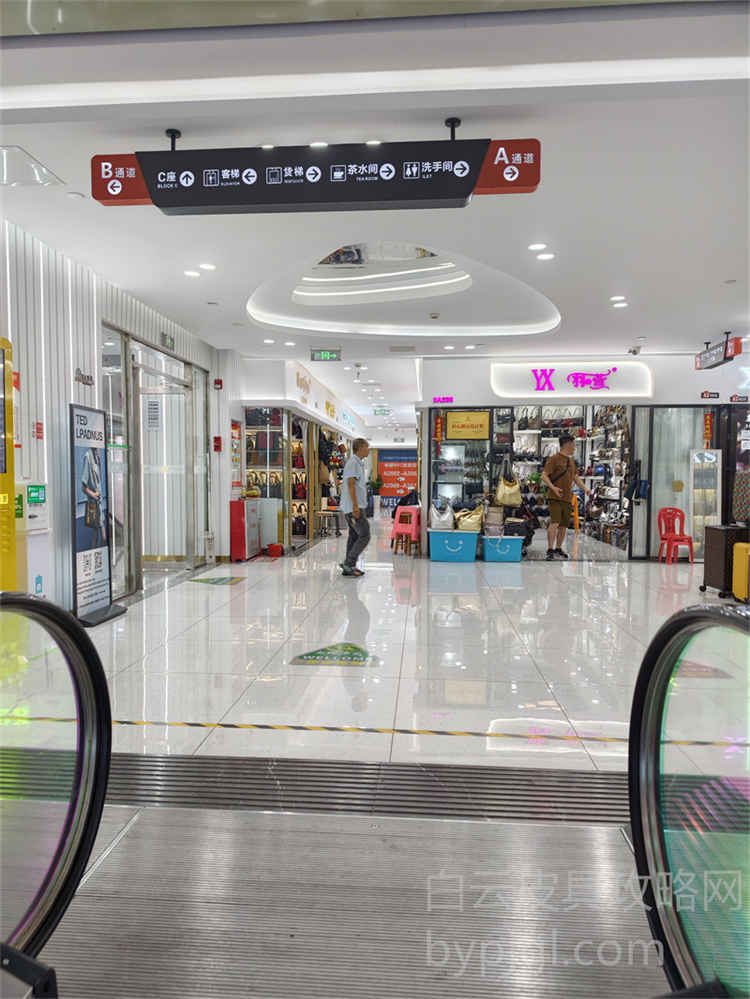
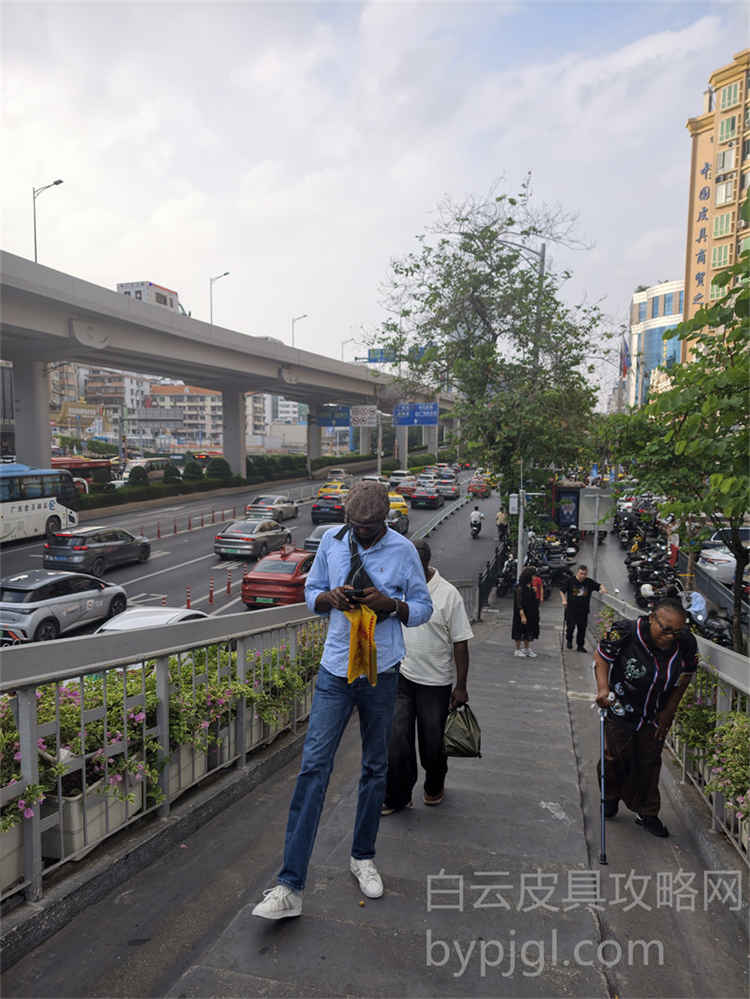
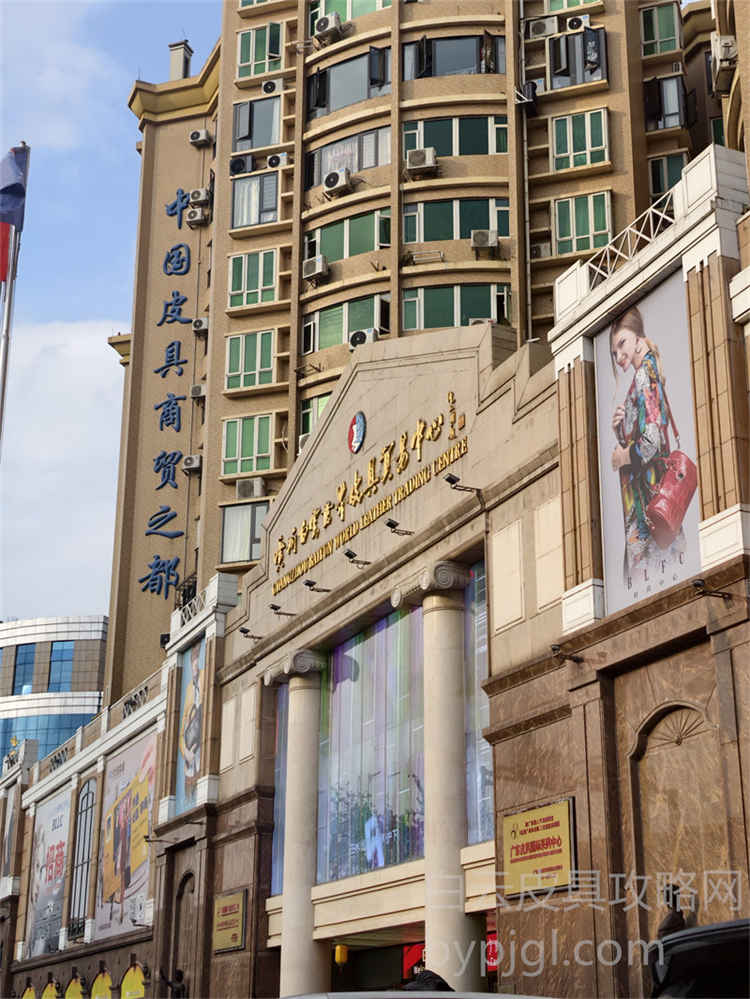
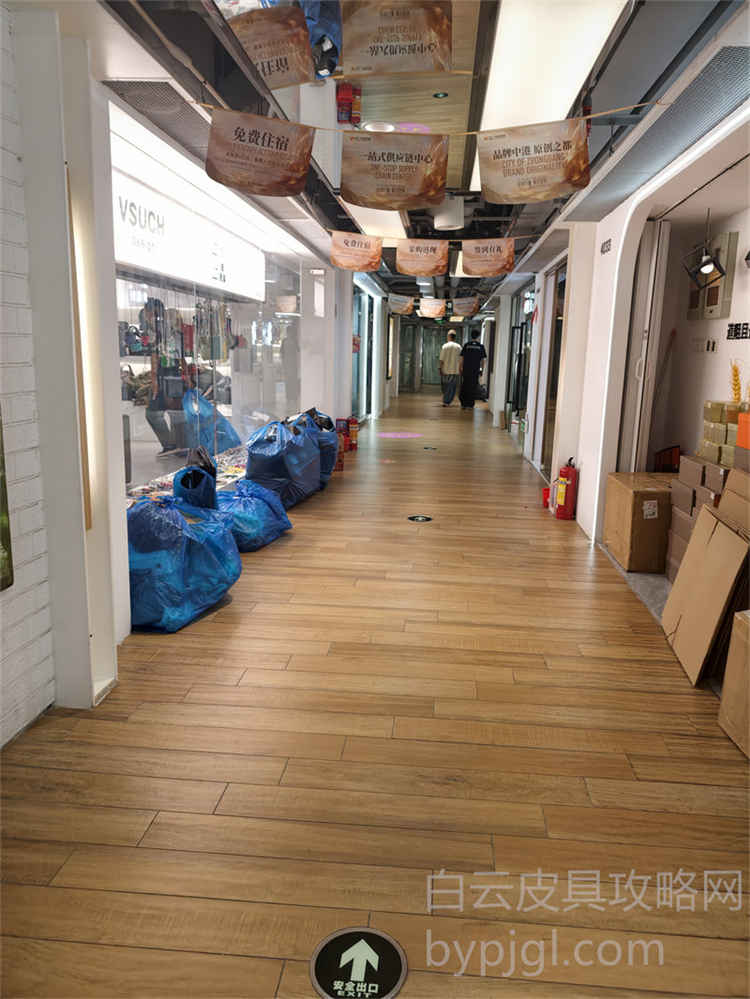
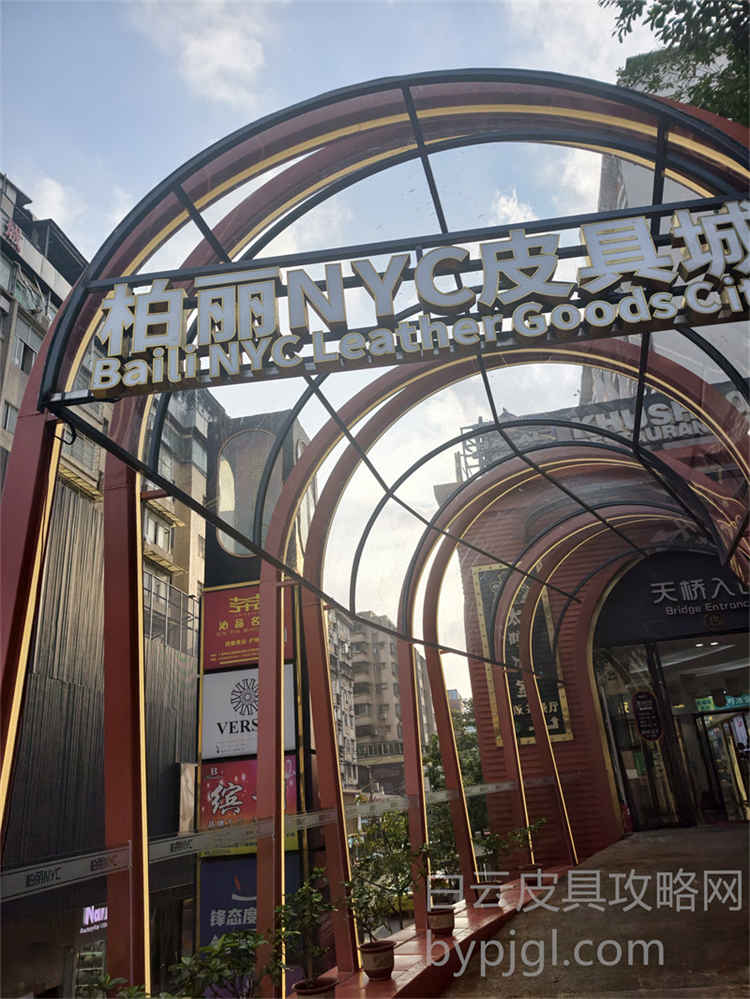
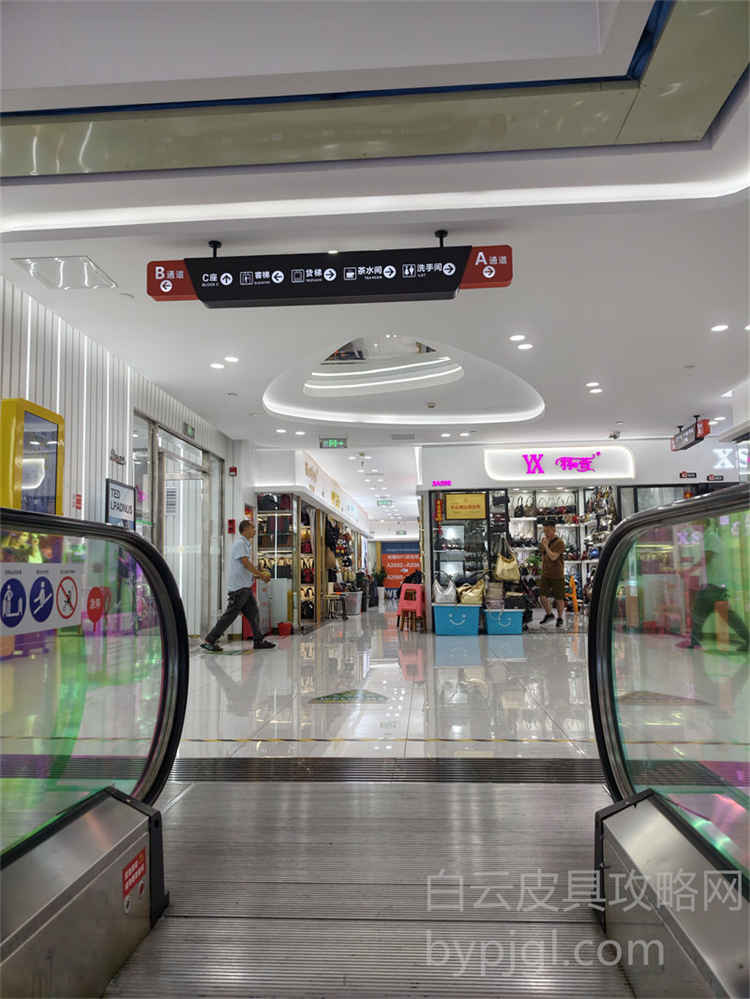
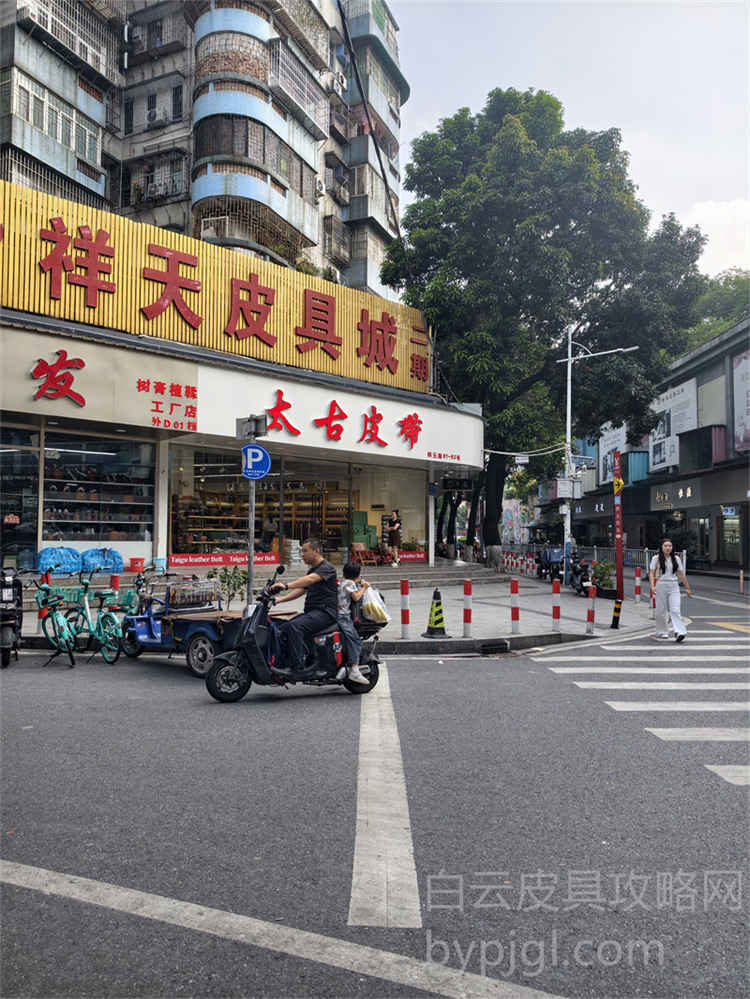
Most first-timers make the mistake of trying to book everything online before they arrive. Do not do that. The market moves too fast, and the best pieces never get listed on websites until they are already sold out. When you land at Baiyun International Trade Center, forget about the fancy malls. We are talking about the wholesale districts where the real action happens. You need to be ready to walk. I am talking about thousands of steps a day. The buildings are packed floor after floor with stalls. Some look messy, some look pristine, but the magic is in the details you cannot see from the street.
Understanding the Hierarchy of Quality
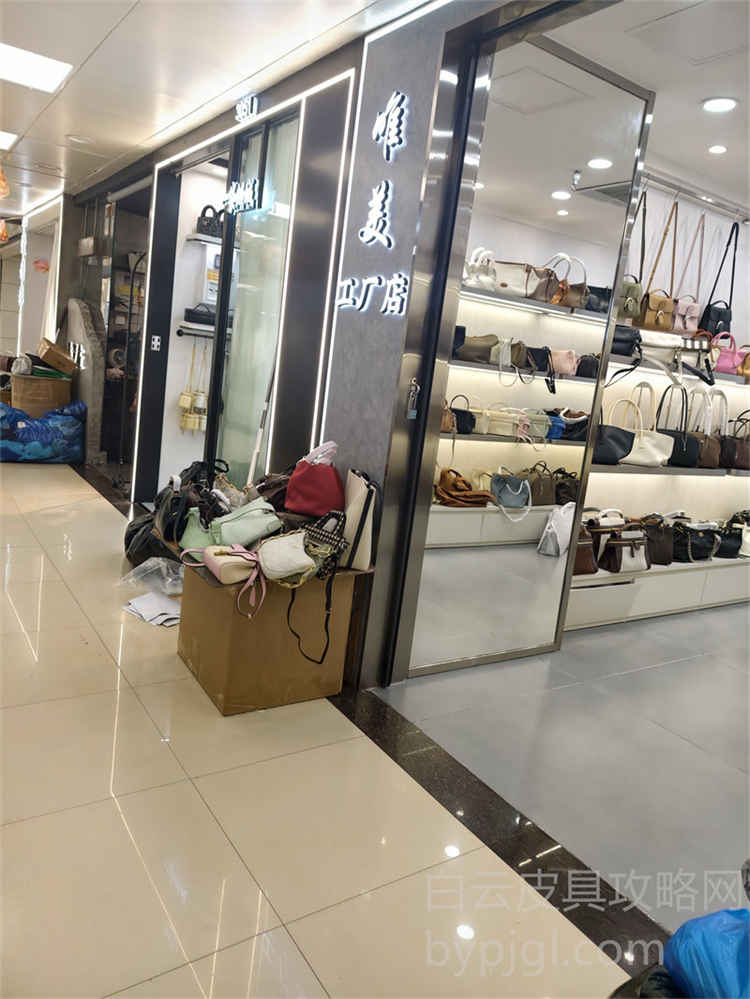
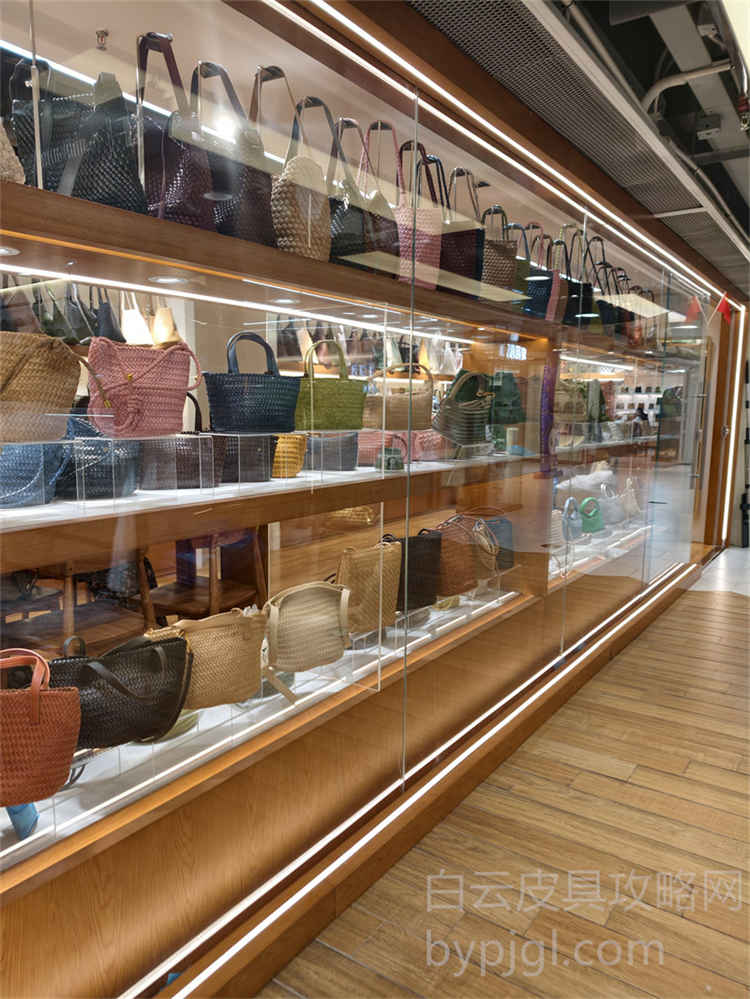
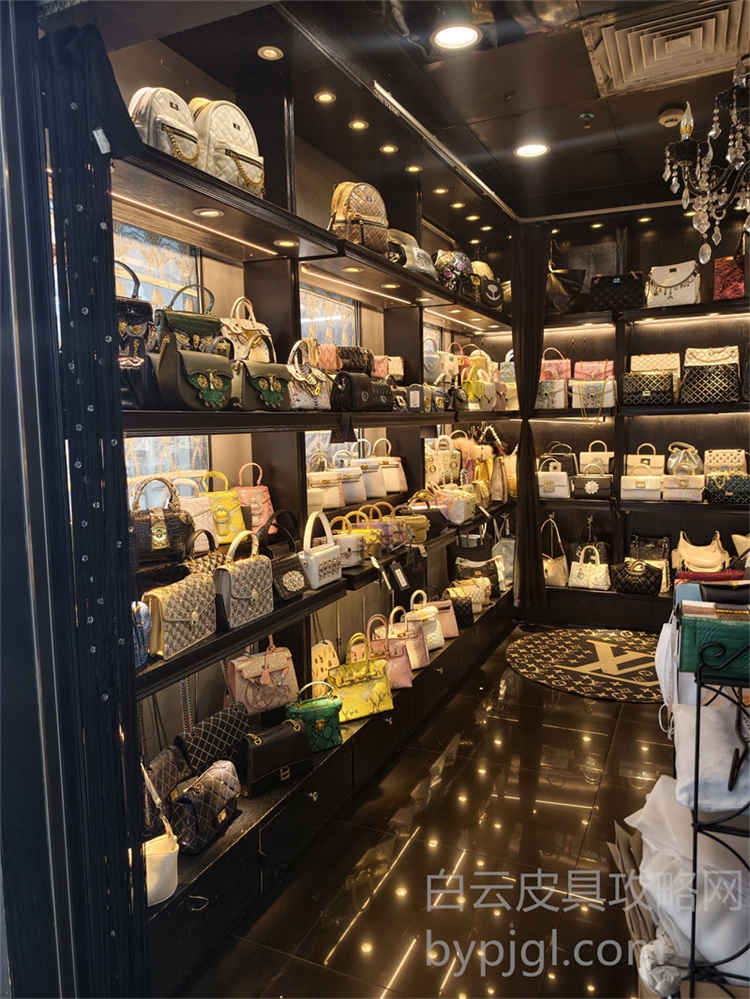
When you walk into a stall, the owner might show you three different versions of the same bag. This is where your eyes need to be sharp. There is the standard export grade, which is good for general retail, and then there is the top-tier version that uses the exact same leather suppliers as the big brands. I call this the "market leader" quality. It is not about copying logos; it is about the feel of the material. Run your hand over the leather. Does it smell like chemicals or like real hide? The stitching should be tight, even, and consistent. If you see loose threads or glue marks, walk away. In my shop, we do not sell those things because our reputation depends on the durability of what leaves here.
Navigating the Stalls: How to Talk to the Bosses
You will notice that many stall owners speak broken English or rely on translation apps. That is fine. The key is to stop asking generic questions like "How much?" and start asking specific technical questions. Ask about the hardware weight, the type of thread used, and the source of the leather. If you sound like you know what you are looking for, they will respect you. They will pull out their best samples from under the counter instead of showing you the cheap stuff on display. Building a relationship is crucial. If you come back next month, tell them you are returning. Loyalty gets you better prices and access to new designs before anyone else sees them.
The Art of Inspection: What to Look For Before Paying
Never pay for a full order without inspecting the goods yourself. I have seen buyers lose thousands because they trusted a photo sent via WhatsApp. Photos can be edited; reality cannot. When you are in the stall, open every zipper. Check the lining inside. Look at the edges of the straps. Are they painted evenly? Is the color bleeding? These small details separate a good product from a bad one. Take your time. A good supplier will not mind you spending an hour checking their work. If they rush you or get angry, that is a red flag. Trust your gut. If something feels off, it probably is.
Logistics and Shipping: Getting Your Goods Home
once you have selected your items, the next challenge is getting them out of China. Most stalls in Baiyun have relationships with shipping agents who specialize in international freight. They handle the customs paperwork and consolidate your packages. However, you must be clear about your destination country's regulations. Do not try to hide the contents of your boxes. Be honest with the agent. They know the rules and can advise you on the best way to pack your goods to avoid delays. Also, consider the shipping method. Air freight is faster but more expensive, while sea freight is cheaper but takes weeks. Plan ahead based on your timeline.
Avoiding Common Pitfalls for Overseas Buyers
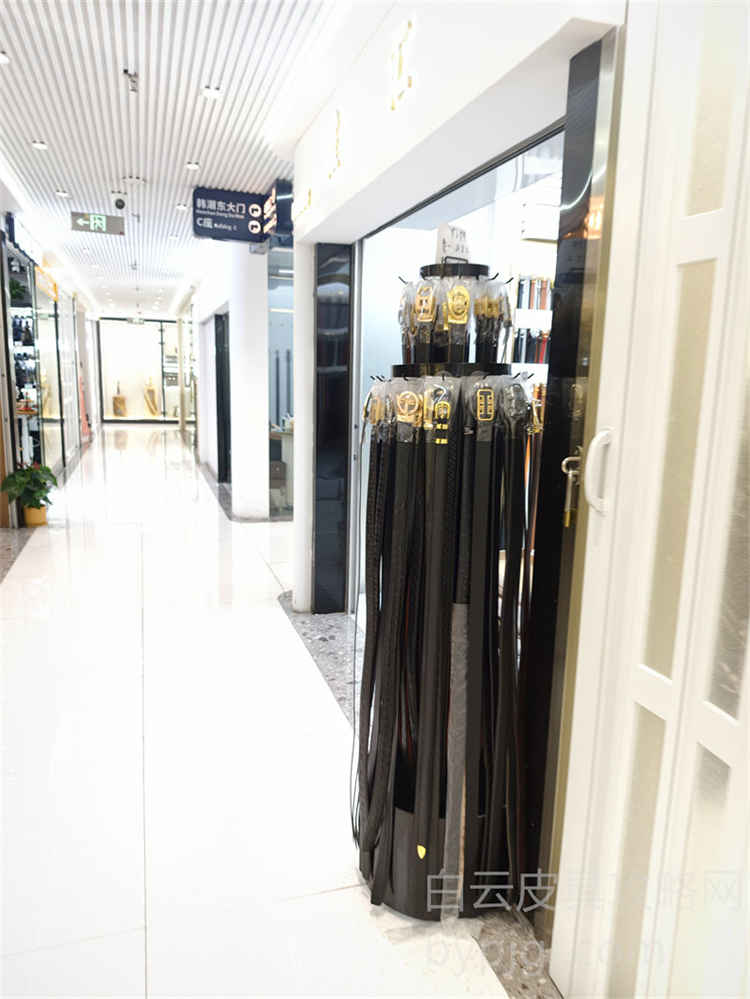
The biggest trap for newcomers is chasing the lowest price. In this business, if a deal looks too good to be true, it usually is. Cheap materials mean poor construction, and that leads to returns and unhappy customers. Another common mistake is ignoring the minimum order quantity. Many stalls require a certain number of units per style to offer the wholesale rate. If you only want one piece, expect to pay retail prices. Finally, do not get distracted by the flashy displays. Sometimes the most beautiful bags are hidden in the back room, waiting for a serious buyer who knows how to appreciate the craft.
Building a Long-Term Supply Chain
My advice is simple: treat this as a partnership, not a transaction. Come back often. Visit different stalls to compare. Build a network of reliable contacts. When you establish trust with a few key suppliers, they will prioritize your orders during busy seasons. They will also keep you updated on new trends and materials. This is the secret to staying competitive in the global market. You are not just buying bags; you are building a supply chain that can grow with your business. The people in Baiyun are hardworking and skilled. If you approach them with respect and knowledge, they will reward you with products that stand the test of time.