Walking the Floors: My Real Talk on Sourcing from Guangzhou
I have been standing behind a counter in the Baiyun District for over two decades. While the city outside has transformed into a gleaming metropolis of glass and steel, the heart of my world remains the dusty, bustling corridors of the leather markets. You might be reading this from New York, London, or Sydney, wondering how to navigate these waters without getting burned. Let me tell you something straight: if you walk in here expecting to find "designer bags" sitting openly on shelves with price tags, you are already lost. The game here is about relationships, observation, and knowing exactly where to look.
The First Rule: Leave Your Expectations at the Door
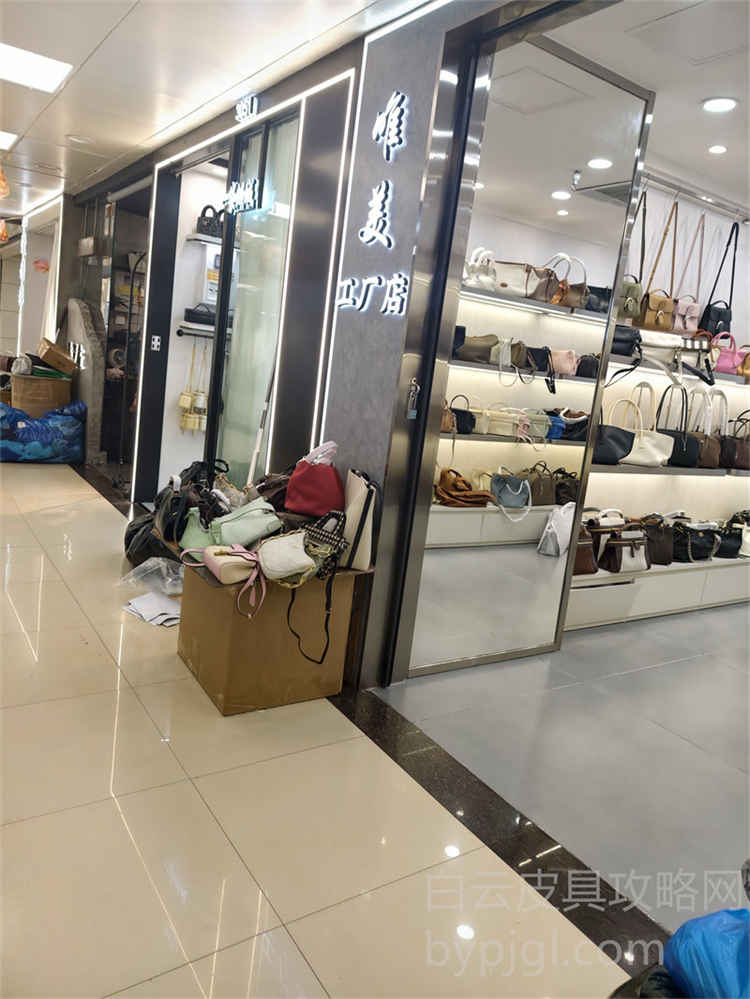
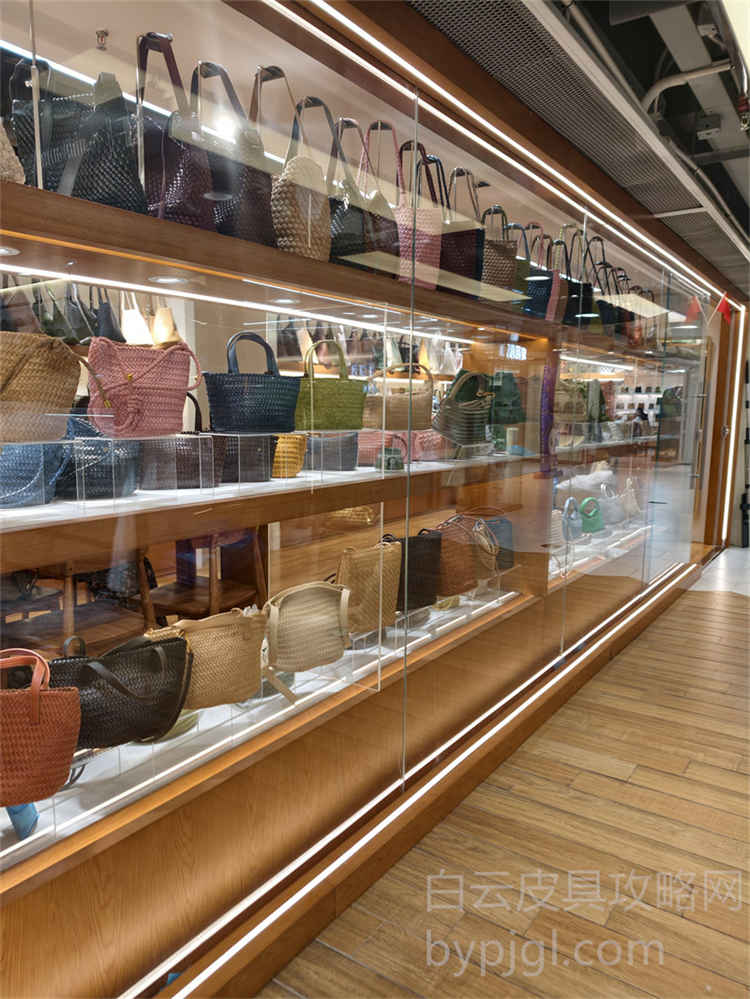
When I first started, I thought the process was simple. Buy, sell, profit. But the reality of sourcing high-end goods in Guangzhou is far more nuanced. The biggest mistake foreign buyers make is walking into the main halls of the Baiyun Leather City looking for specific brand names. They don't exist there. Instead, they see rows of identical-looking bags that catch your eye because of their silhouette, but the branding is subtle or non-existent. This is intentional. We call it "high-quality production," but the market operates on discretion. If you ask for a specific logo, the shopkeeper will likely shut down the conversation immediately. The real work begins when you stop asking for names and start asking about materials, stitching, and hardware quality.
Navigating the Market Labyrinth
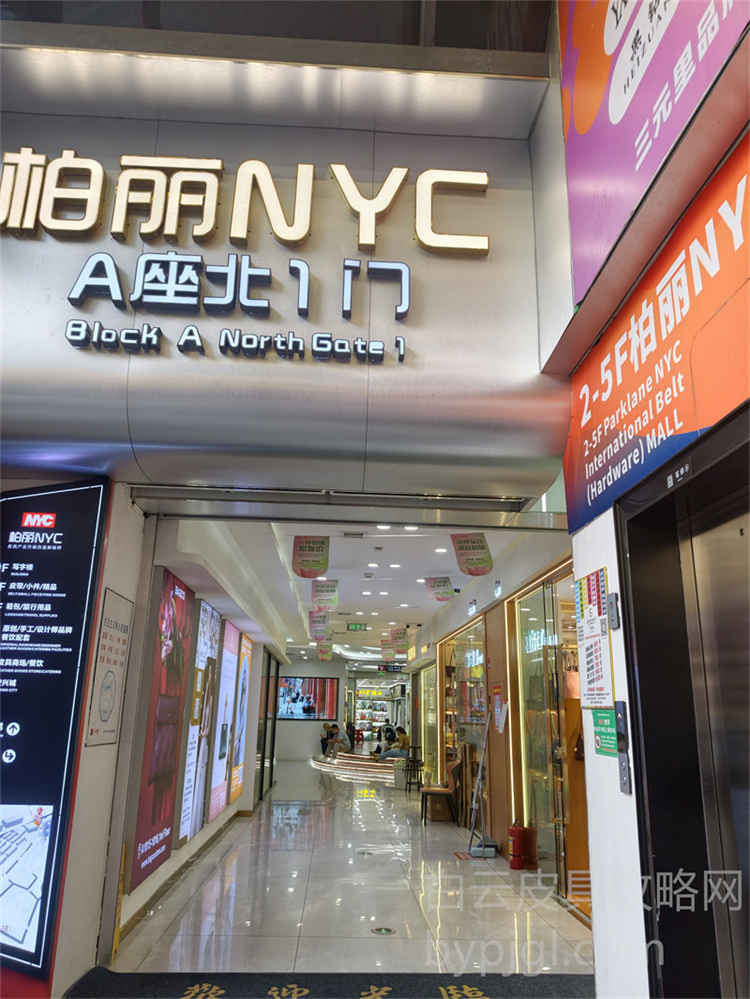
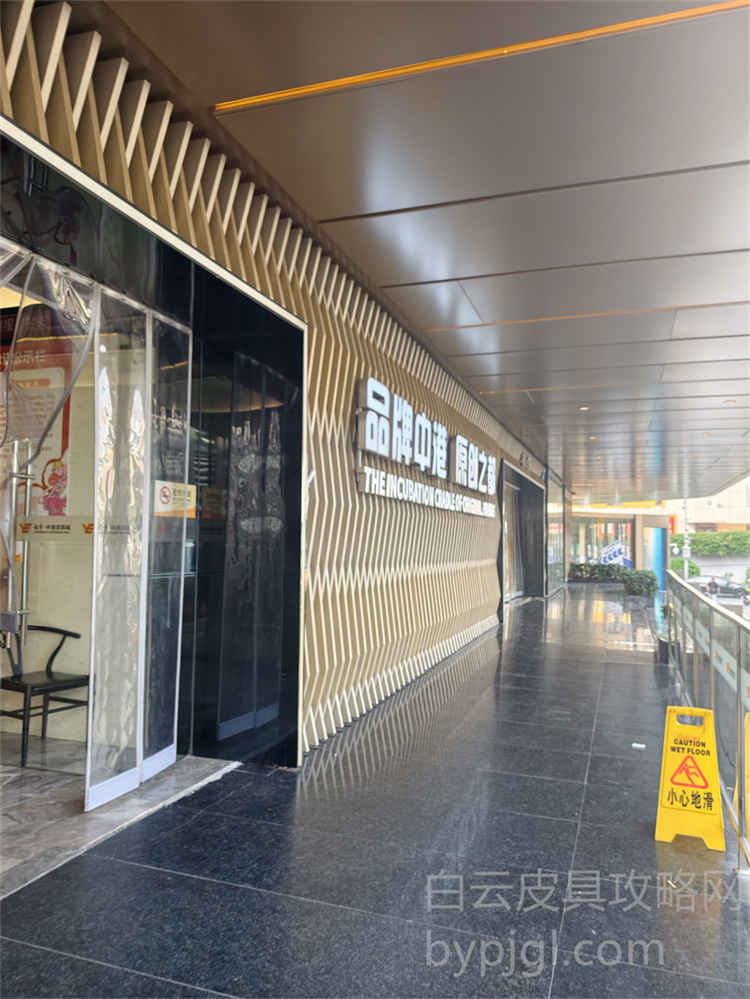
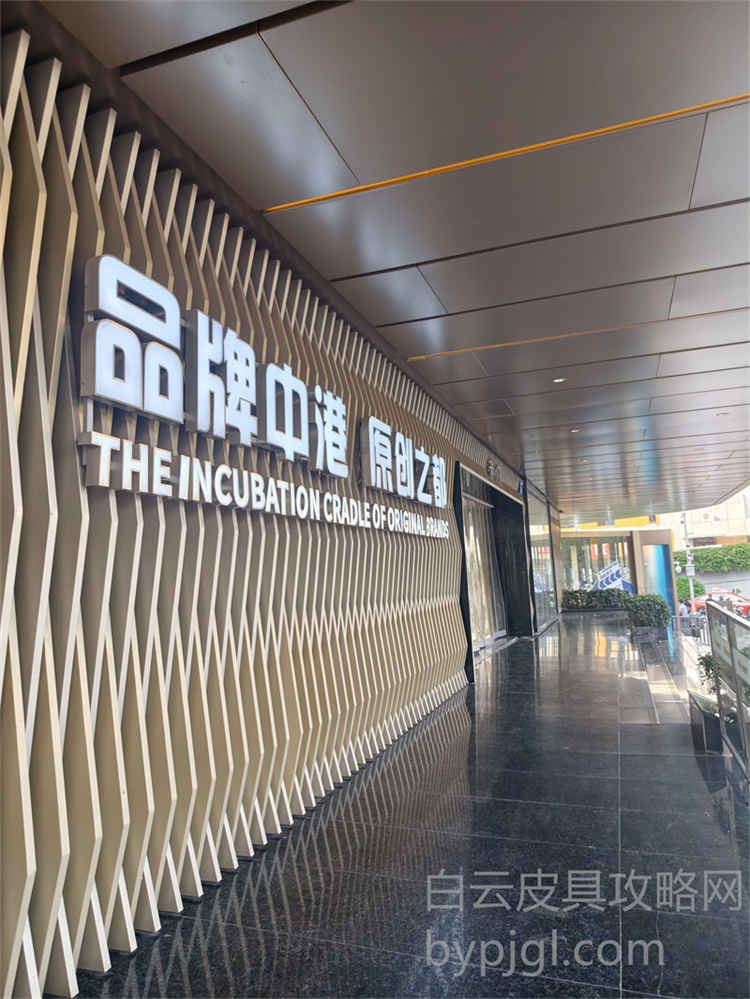
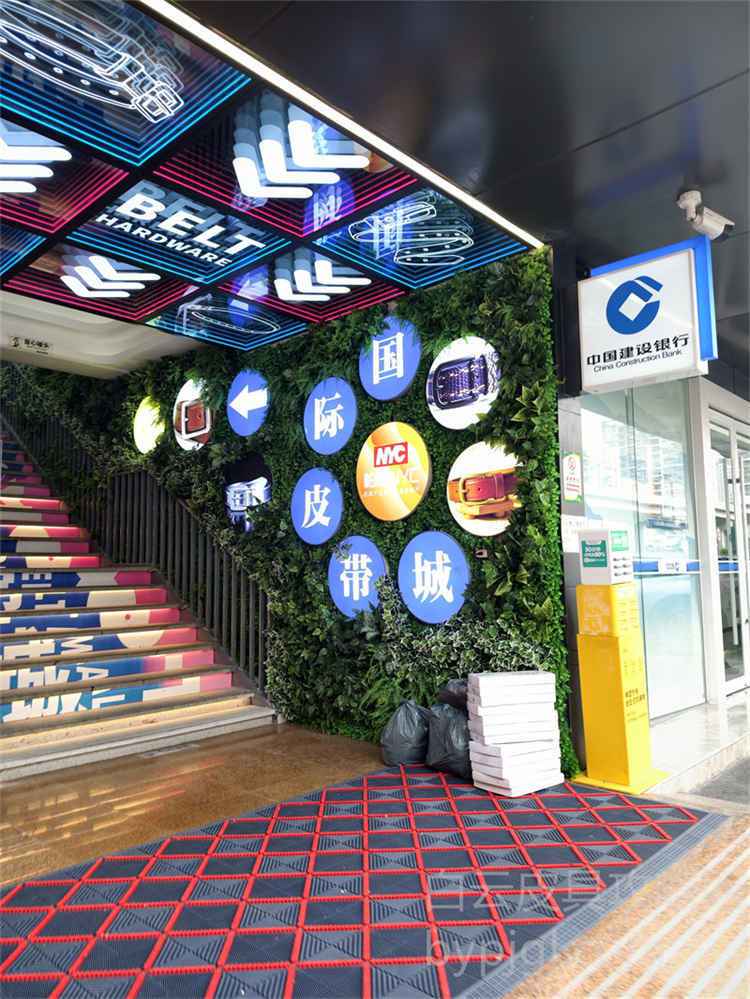
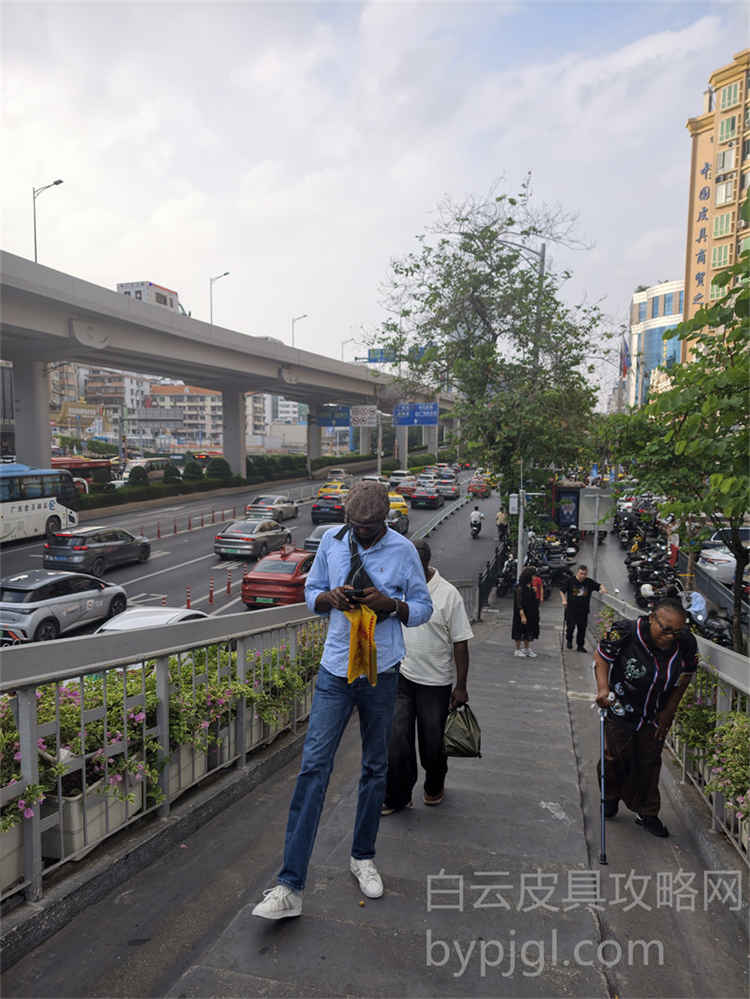
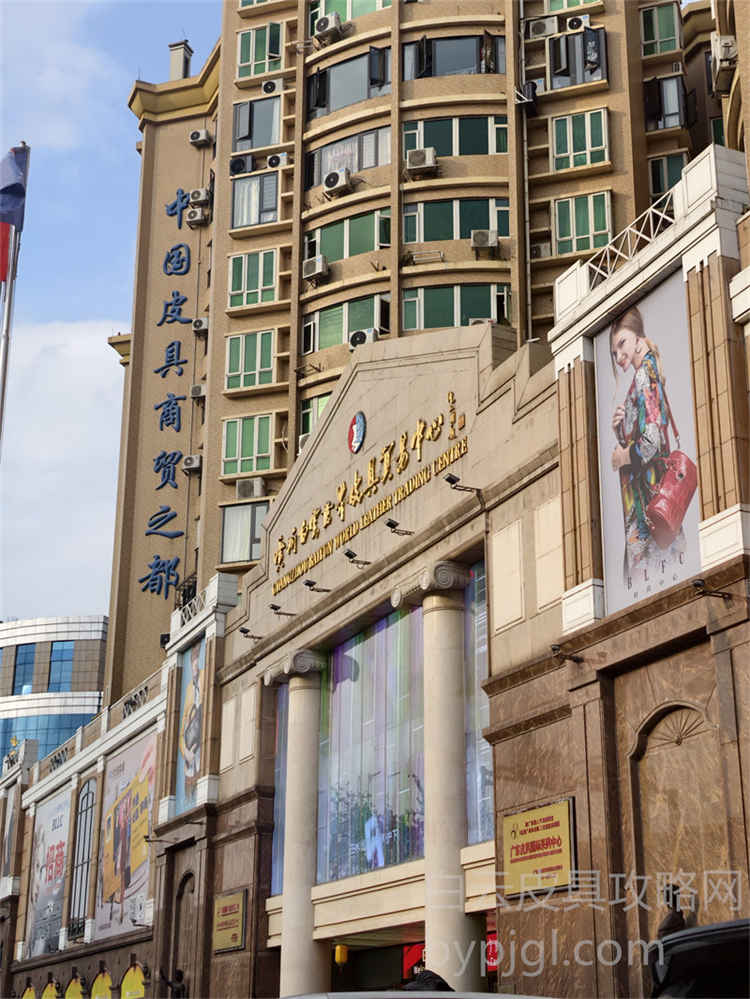
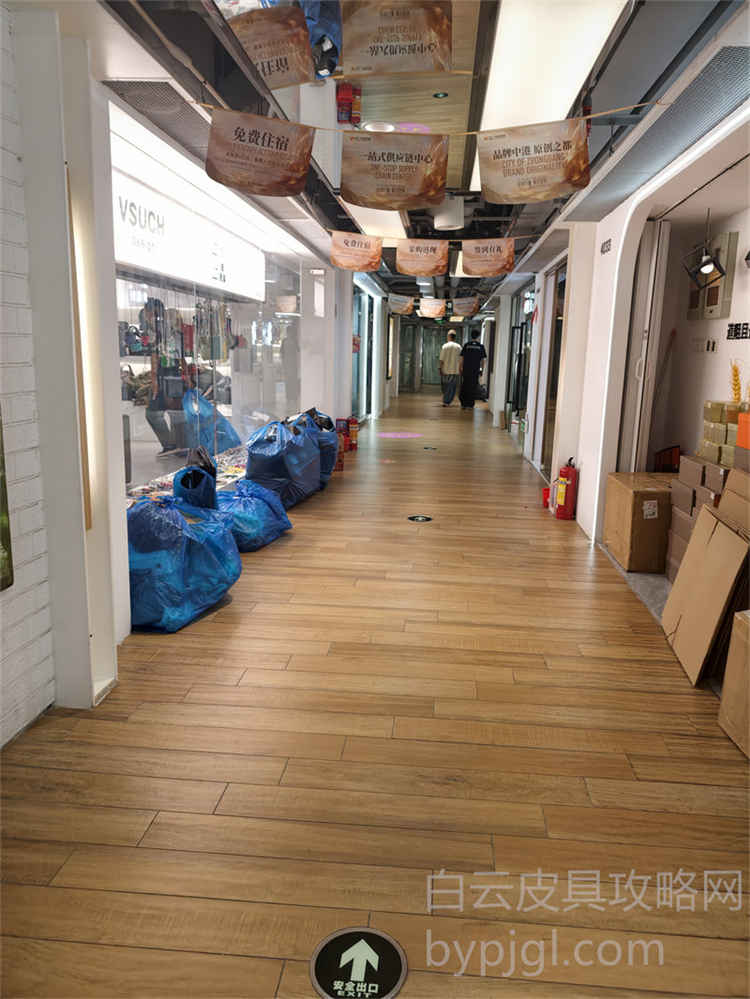
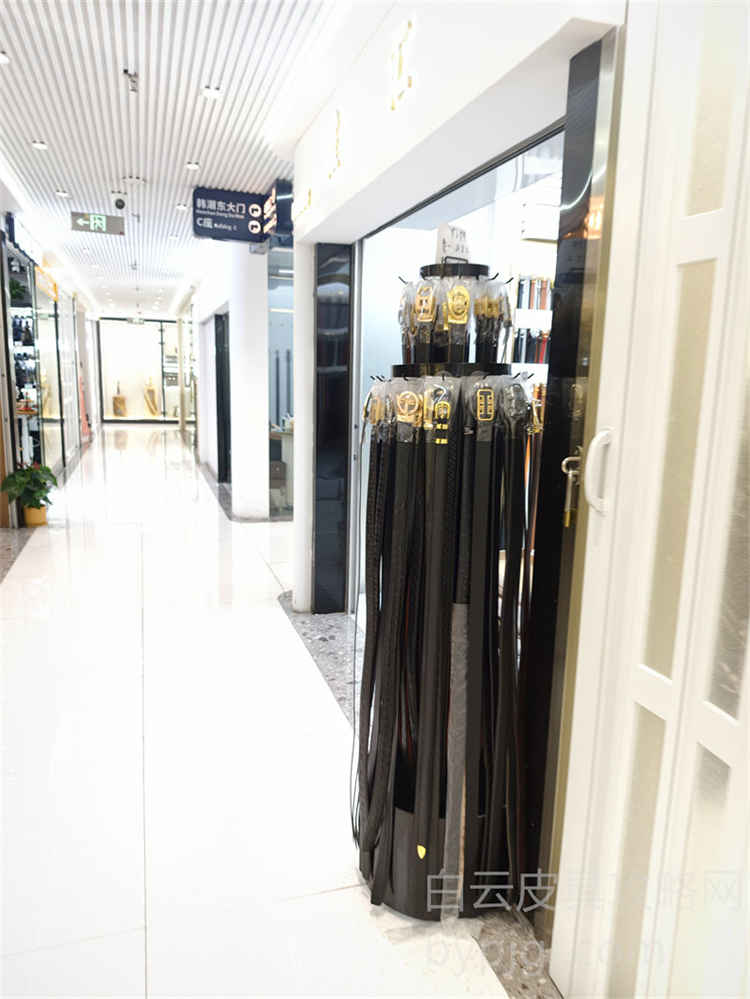
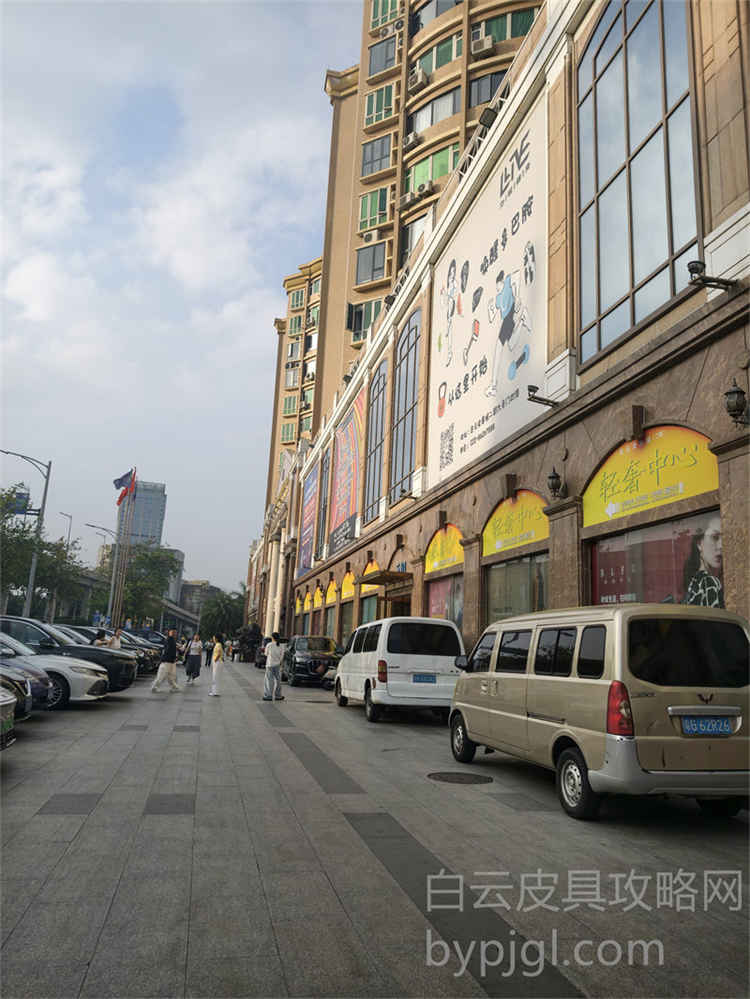
The Baiyun Leather City isn't just one building; it's a sprawling ecosystem of interconnected structures like the World Trade Center, the International Building, and the countless smaller alleys branching off. Each floor, each corridor, and even each building has its own specialty. Some floors cater strictly to lower-volume retail, while others are dedicated to wholesale buyers who know what they are doing. As a local owner, I can tell you that the best inventory often hides in the back rooms or on the upper floors where the foot traffic is lighter.
Reading the Room Before You Speak
Before you even approach a counter, take a moment to scan the floor. Look at who is browsing. Are they locals chatting in Cantonese? Are they other international buyers? Or are they tourists taking photos? The people who are serious about buying usually carry small notebooks or tablets, and they move with purpose. They aren't distracted by the flashy displays near the entrance. When you finally decide to engage a stall, do not lead with "I want to buy." Instead, ask questions about the craftsmanship. Ask about the type of cowhide used, the origin of the zippers, or the thickness of the lining. This signals that you are a professional buyer, not a tourist looking for a souvenir. once you establish that credibility, the shopkeeper will unlock the true stock, which is often kept in the back office or under the counter.
The Art of Selection and Verification
once you have found a stall that seems promising, the real work begins: selection and verification. In Guangzhou, the term "quality" is subjective unless you know how to measure it. A bag might look perfect from three feet away, but up close, the stitching might be uneven, or the leather grain could feel synthetic. I always advise my clients to bring a magnifying glass and a flashlight. These simple tools reveal details that the naked eye misses. Check the edges of the bag. Are they painted smoothly, or is there glue residue? Feel the weight of the hardware. Cheap metal feels light and hollow; good metal has a substantial heft.
Building Trust Through Face-to-Face Interaction
You cannot source effectively online if you haven't established a physical presence. The trust factor is everything in this business. When you meet a supplier face-to-face, you can gauge their honesty. Do they admit when a batch has a flaw? Do they offer alternatives if the exact model you want is out of stock? In my experience, the best suppliers are those who treat you like a partner rather than a customer. They will show you samples that are not yet available to the general public. They will let you touch the raw materials before the bag is even assembled. This level of transparency only happens when you build a rapport over multiple visits. Don't rush the first transaction. Come back, talk, drink tea, and let the relationship grow.
Logistics and Avoiding Common Pitfalls
Many buyers get stuck on the logistics of getting their goods out of China. It is crucial to understand that shipping directly from the factory floor is different from shipping from a warehouse. Most stalls in Baiyun do not handle international shipping themselves. They rely on freight forwarders who specialize in moving goods from Guangzhou to ports worldwide. You need to find a reliable forwarder who understands the nuances of customs clearance. Never try to ship large quantities through standard courier services without proper documentation, as this can lead to seizures and fines.
Payment Security and Contract Clarity
Another major pitfall is payment terms. In the early days, cash was king, but now we use bank transfers and digital platforms. However, never pay 100% upfront for a new order unless you have worked with that supplier for years. A standard practice is to pay a deposit to secure the production run and the balance upon inspection. Always request photos or videos of the finished goods before releasing the final payment. If the supplier refuses this, walk away. There are plenty of other stalls willing to work fairly. Also, be clear about the quantity limits. Some stalls have minimum order requirements, while others are flexible for mixed orders. Knowing these rules beforehand saves you from awkward negotiations later.
Final Thoughts from the Front Line
Sourcing in Guangzhou is not a quick fix; it is a marathon. It requires patience, persistence, and a willingness to learn the local culture. The market changes constantly, with new trends emerging every season. What was popular last year might be outdated today. Stay updated by visiting regularly, talking to other buyers, and keeping an open mind. The opportunities here are immense, but they belong to those who respect the process. If you come with the right attitude, you will find that the Baiyun Leather City is not just a place to buy bags; it is a gateway to understanding the global supply chain. Remember, the best deals are not found in the brochures; they are found in the conversations between you and the people who make the products. Go out there, walk the floors, and trust your instincts.