Why "Guangzhou Hermes Source" Is a Myth You Need to Stop Chasing
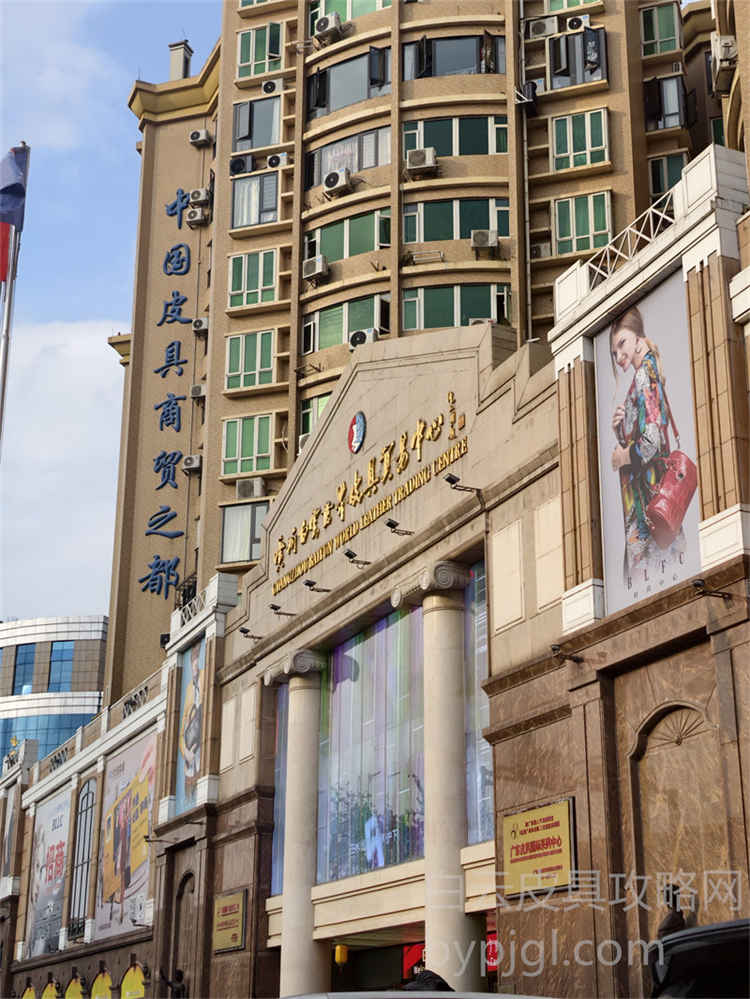
I've been standing in the same spot at Baiyun Leather City for over twenty years. I've seen tourists come and go, looking for the "Holy Grail" of bags, convinced that if they just dig deep enough into Guangzhou's leather markets, they will find a secret backdoor to genuine Hermès inventory. Let me be blunt with you: if anyone tells you they have "Hermès source goods" from Guangzhou, they are lying to your face. There is no such thing as a factory in Guangzhou churning out authentic Hermès bags for wholesale. The real Hermès supply chain is tightly locked down in France, and nothing leaks out to Baiyun.
However, what you are actually searching for—the high-quality replicas, the "mirror quality," or the top-tier craftsmanship that mimics the look and feel—is very real. This is where the confusion lies. When you search for "Guangzhou Hermes source," you aren't looking for fakes; you are looking for the absolute pinnacle of Chinese leather craftsmanship. My job isn't to sell you a fake logo bag, but to guide you on how to navigate this complex ecosystem to find the best possible product without getting ripped off by middlemen who claim to be "factory direct."
The Reality of the Market: Where the Real Action Happens
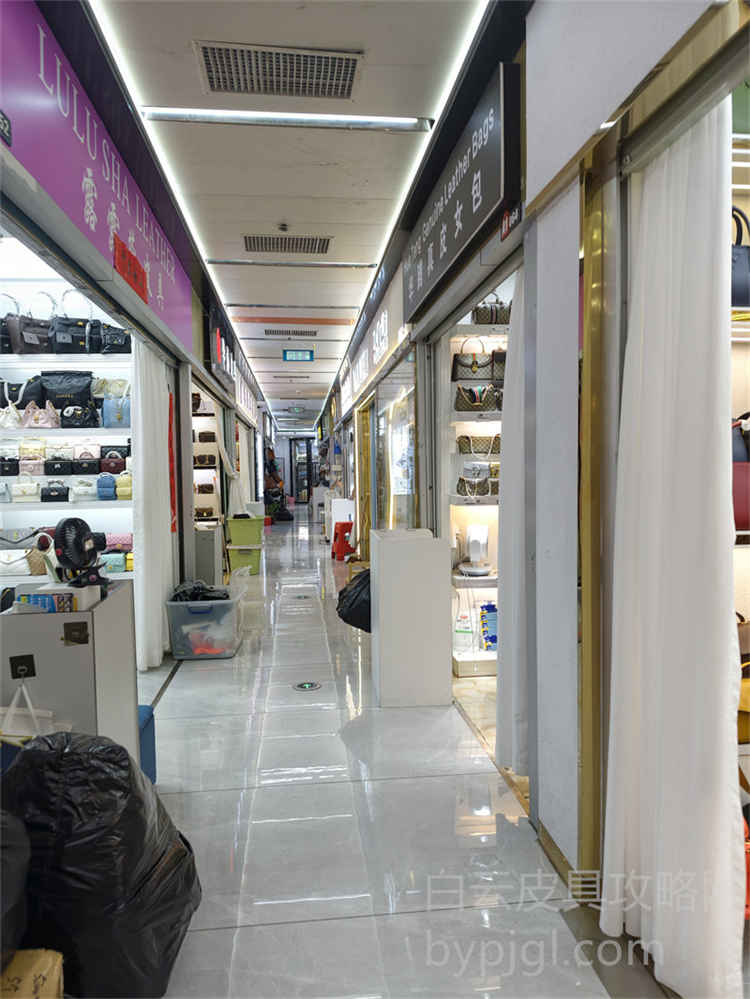
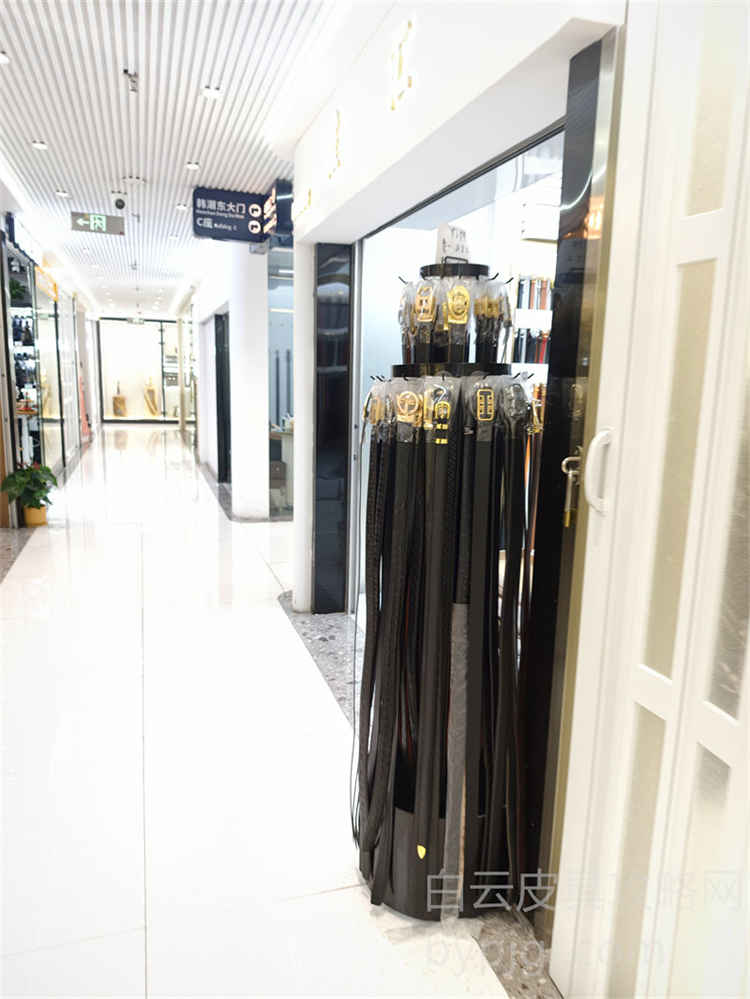
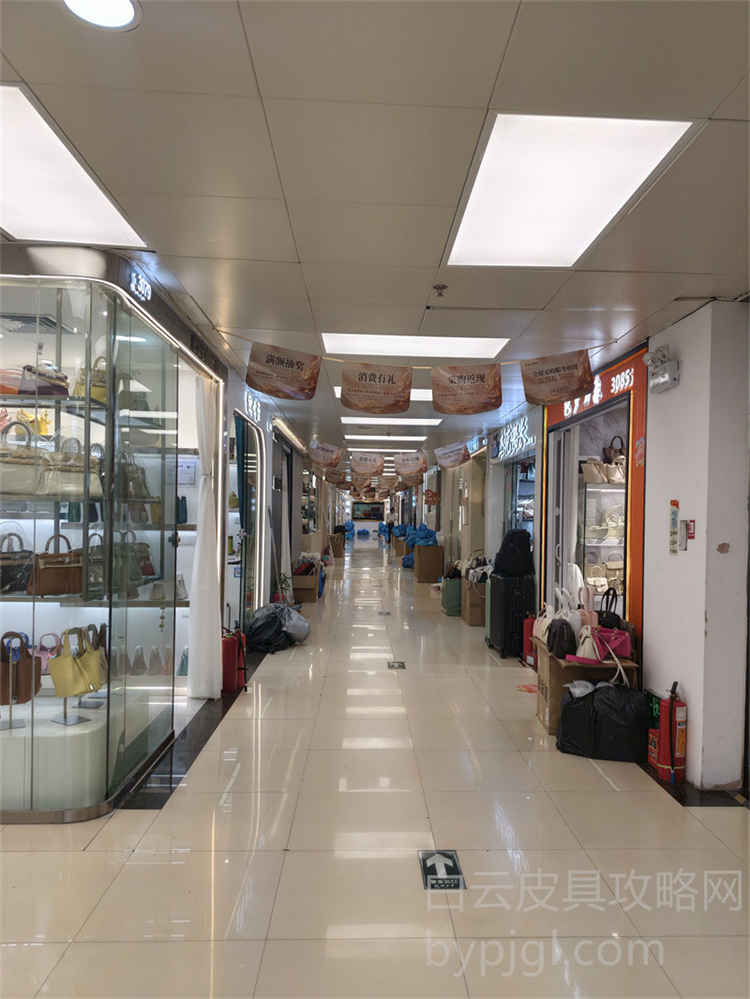
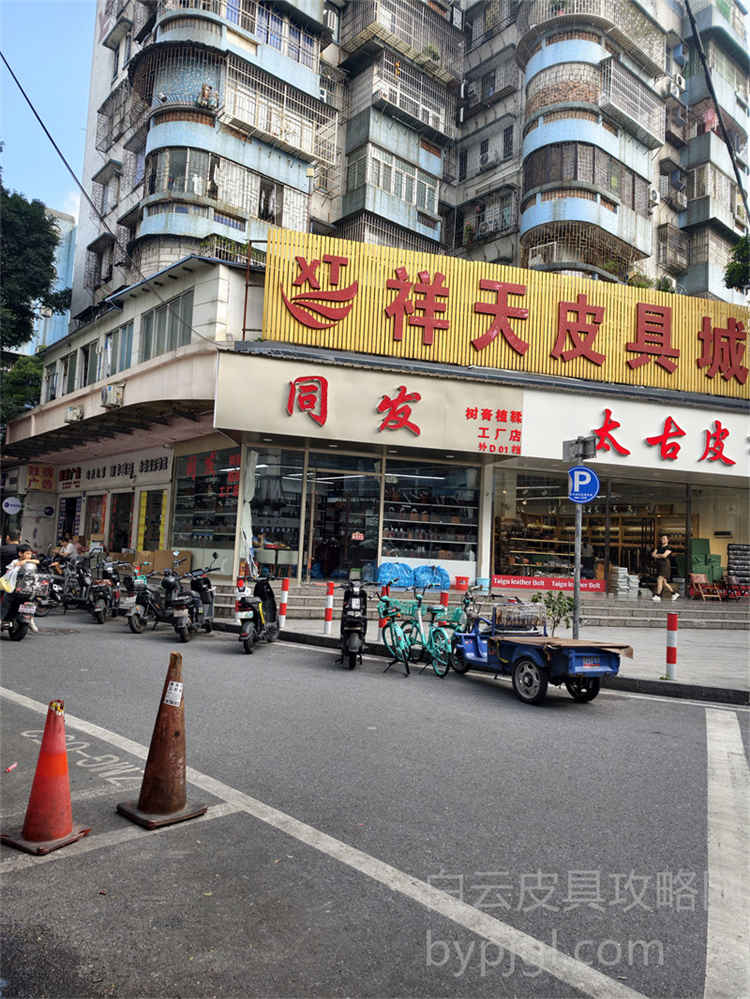
If you walk into Baiyun Leather City today, you won't see a sign saying "Hermès Factory." Instead, you will see hundreds of stalls selling "top grade," "1:1," or "original leather" bags. These are the places where serious buyers like you need to focus. The market is divided into several zones, and knowing which floor holds the heavy hitters is crucial.
Level 4 and 5: The Home of High-End Craftsmanship
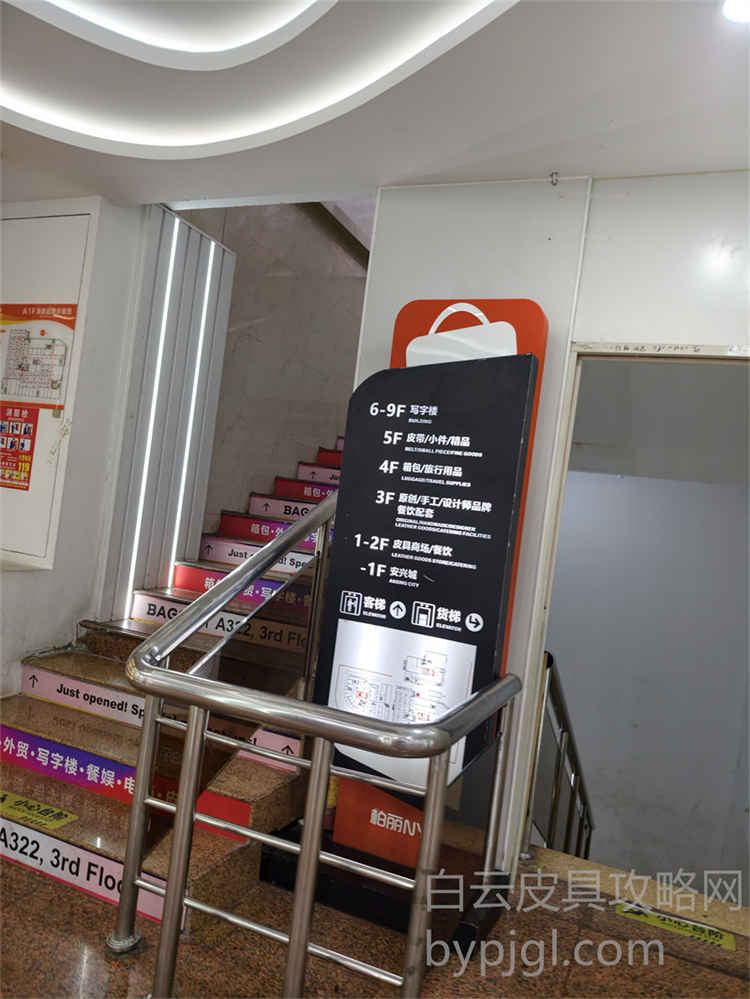
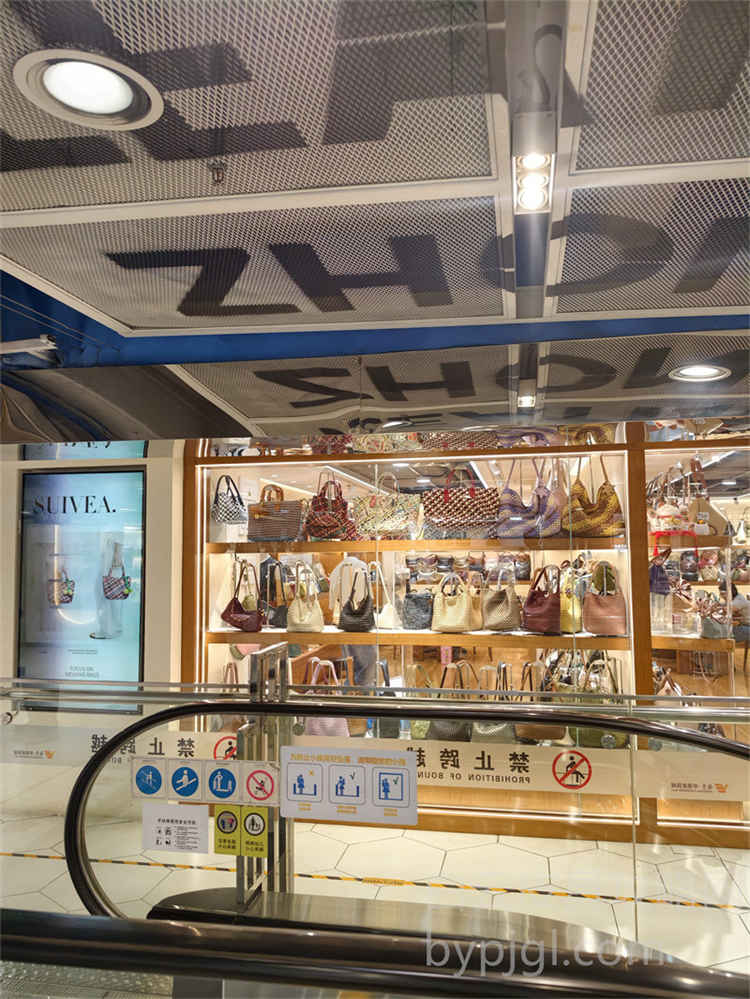
Most of the low-quality junk sits on the ground floor, sold to unsuspecting tourists. But if you want the kind of leather that rivals the real deal, you need to head straight to Level 4 and Level 5 of the main building. This is where the "big brothers" operate. I remember a specific stall on Level 4, near the escalator leading up, run by an uncle named Mr. Chen. He doesn't shout prices; he waits for you to ask about the leather type. His shop specializes in calfskin and exotic skins. He sources his raw hides from the same tanneries in Italy that some luxury brands use, but he cuts them himself.
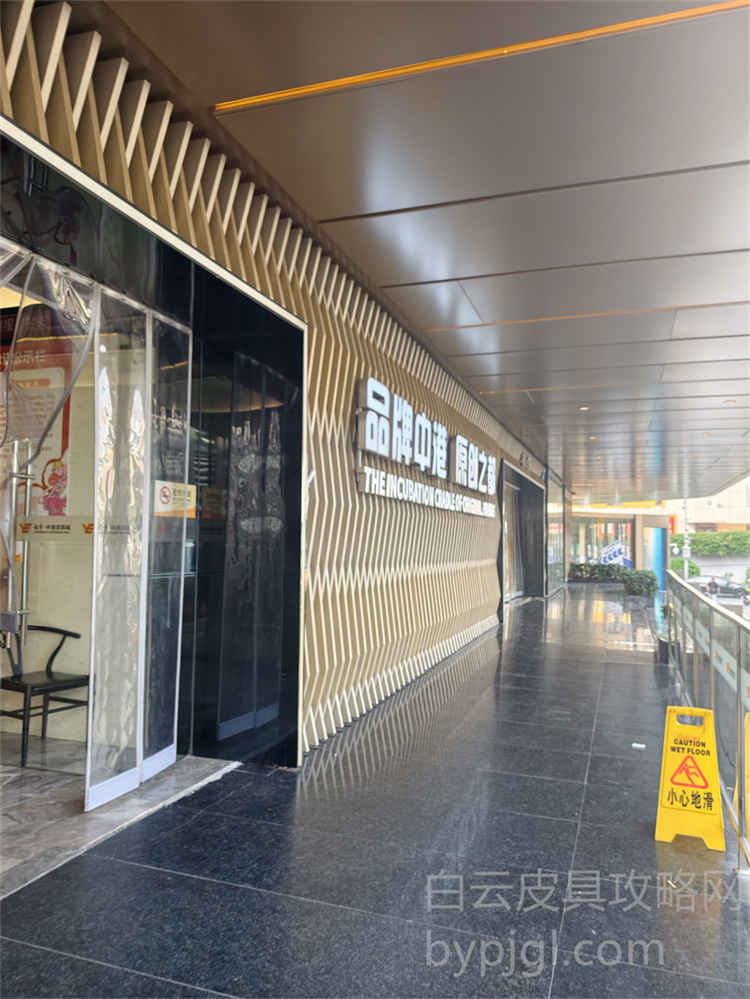
Another key location is the nearby World Trade Center (WTC) across the street. While Baiyun is the hub, WTC often houses the more exclusive showrooms for the highest tier of manufacturers. If you are looking for a bag that uses the exact same saddle stitching technique as the French masters, you need to visit these upper floors. Do not trust the guys on the street corner offering you a "special Hermes" for $50. That is plastic and glue. The real work starts at the $800-$1,500 price point for the top-tier replicas.
Understanding the "Source" Terminology
You will hear terms like "Original Mold," "French Leather," and "Handmade." In my experience, "Original Mold" means the pattern was taken from a genuine bag, ensuring the proportions are perfect. "French Leather" usually refers to Togo or Epsom leather sourced from European tanneries, which is then shipped to Guangzhou factories. The term "Handmade" is tricky. Even the best stalls in Baiyun use machines for the bulk of the stitching, but the final assembly and edge painting are done by hand. A true master craftsman here can spend three days on a single Birkin. When you talk to a vendor, ask specifically: "Is the thread waxed? What is the stitch count per inch?" If they hesitate, move on.
Navigating the Buying Process: A Step-by-Step Guide
Buying from Guangzhou is not like shopping on Taobao. It requires presence, patience, and a sharp eye. Here is exactly how I handle a client who wants the best possible version of a classic style.
Step 1: The Initial Scan and Leather Inspection
Never buy based on photos alone. Photos can be edited, colors adjusted, and textures smoothed out. You must touch the leather. At my own stall, I always tell clients to rub the bag against their cheek. Genuine calfskin feels warm and soft immediately. Cheap PU leather feels cold and plasticky. I once had a buyer who wanted a "Hermès source" bag but settled for one because the photo looked good. When he touched it, he realized the grain was too uniform. Real leather has imperfections. If the texture looks like a printed wallpaper, walk away.
Step 2: Checking the Hardware and Stitching
This is where the cheap copies fail. Look at the zippers. Are they YKK? No, the high-end ones use Riri or Lampo, sometimes even custom-molded brass that matches the weight of the original. Run your finger along the stitching. It should be slanted, consistent, and tight. If you see loose threads or uneven spacing, it's a reject. I remember a time when a supplier tried to pass off a batch with slightly off-center hardware. I rejected the whole order because I knew my reputation depended on quality, not volume. The hardware should feel heavy, not hollow.
Step 3: Negotiation and Pricing Strategy
Do not expect to pay retail prices. The markup in these markets is massive if you don't know the game. A bag that sells for $3,000 in a boutique might cost $1,200 in Baiyun for the top tier. However, never start by asking for the lowest price. Start by asking for the "best quality" first. once you establish that you are a serious buyer, the price negotiation begins. I usually tell my international clients that the price depends on the leather grade. For example, a bag made with Italian Togo leather will cost 30% more than one made with domestic cowhide. Be willing to pay for the materials.
Pitfalls to Avoid: Lessons Learned Over Two Decades
There are traps everywhere in Baiyun. The biggest one is the "middleman scam." Many people claim to be factory owners but are actually just agents taking a cut. They will take you to a showroom that looks nice but doesn't represent the actual production line. To avoid this, ask to see the workshop. If they refuse, they are hiding something. Another common issue is the "sample vs. bulk" discrepancy. The sample you inspect might be perfect, but the bulk order could be inferior. Always insist on a pre-shipment video call where they show you the actual batch before shipping.
Comparison Table: Tier Levels in Guangzhou Markets
| Feature | Tier 1 (High-End) | Tier 2 (Mid-Range) | Tier 3 (Low-End) |
|---|---|---|---|
| Location | Baiyun Level 4-5, WTC Showrooms | Baiyun Ground Floor, Side Streets | Street Vendors, online Only |
| Leather Quality | Italian Togo/Epsom, Hand-selected | Domestic Cowhide, Machine-tanned | Faux Leather, Synthetic Blends |
| Stitching | Saddle Stitch, 12-14 SPI, Wax Thread | Machine Stitch, 10 SPI, Standard Thread | Irregular, Loose Threads |
| Hardware | Custom Brass, Heavy Weight, PVD Coated | Alloy, Light Weight, Plated | Plastic, Thin metal, Prone to Tarnish |
| Price Range (USD) | $800 - $1,800 | $300 - $600 | $50 - $150 |
Final Thoughts: Building Trust in a Sea of Noise
When you come to Guangzhou looking for the best leather goods, remember that the "source" is not a magical factory producing fake Hermès bags. The source is the network of skilled artisans, the access to premium materials, and the ability to replicate the design with precision. It takes time to build relationships with vendors like Mr. Chen or the owners in the WTC. Don't rush. Visit multiple stalls, compare the leather, check the stitching, and trust your instincts. If a deal sounds too good to be true, it is. The best products in Baiyun are not shouted about; they are whispered among those who know the craft. Go there, see the reality, and make informed decisions. That is the only way to get value in this market.