Walking the Floors: A Veteran's Guide to Guangzhou's Leather Market
Listen, I've been standing behind this counter in Baiyun for over fifteen years. While the internet is flooded with photos and videos claiming to show you the "real deal," nothing beats the smell of leather, the noise of the crowd, and the heat of a summer afternoon in Guangzhou. You want to know how to actually source high-quality goods here without getting ripped off? Forget the generic guides. Let me walk you through what it really looks like when you step off the bus and into the market.
The First Rule: Leave Your Phone at Home (Mostly)
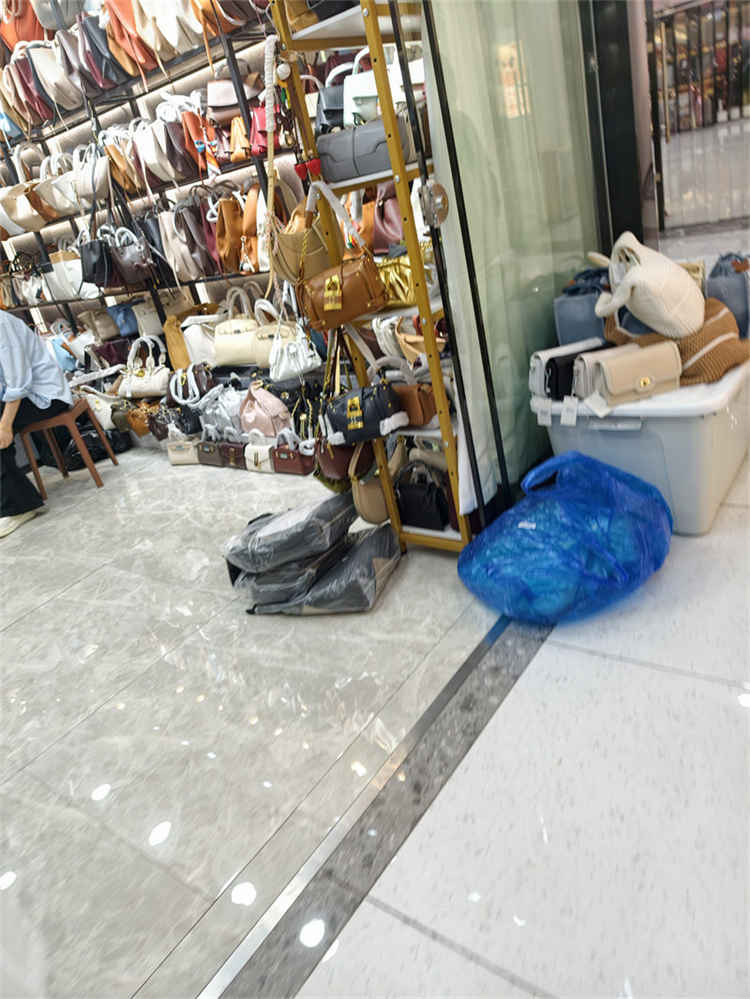
When you first arrive, your instinct is to pull out your phone and start snapping pictures of every bag you see. Stop that immediately. The vendors here are sharp. If they think you're just browsing for content or comparing prices online, they will treat you like a tourist and quote you double the wholesale price. In my shop, we don't care about your Instagram followers; we care if you are serious about buying. Walk in with your eyes open, not your camera. Observe the flow of people. Notice which stalls have boxes stacked high versus those with empty shelves. That tells you more about demand than any review site ever could.
Navigating the Labyrinth of Baiyun
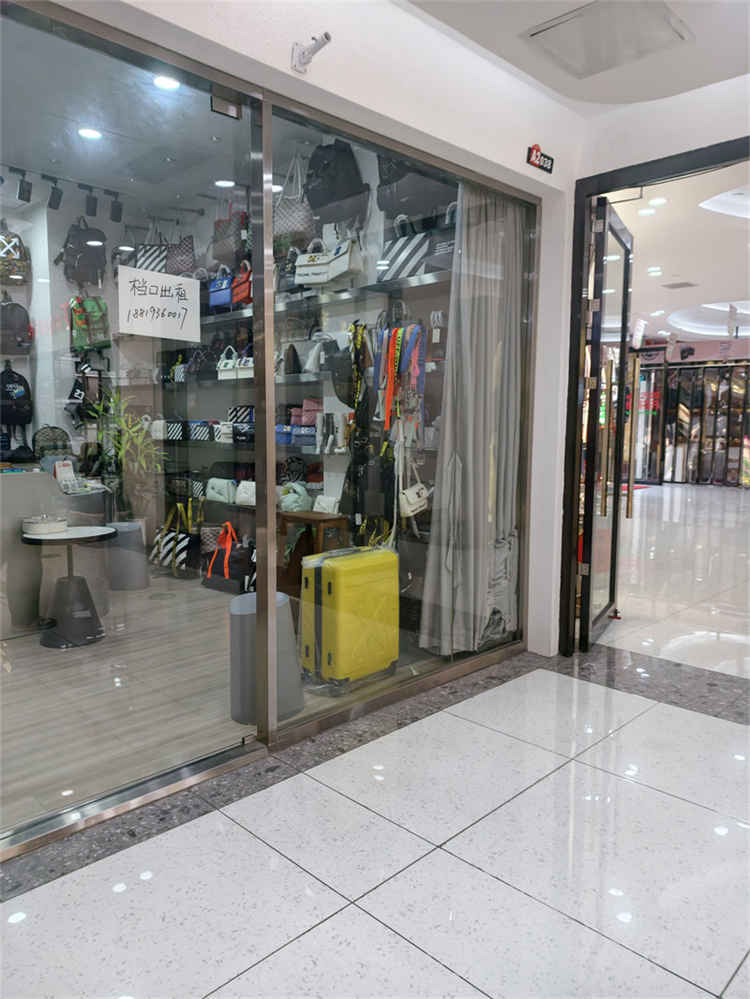
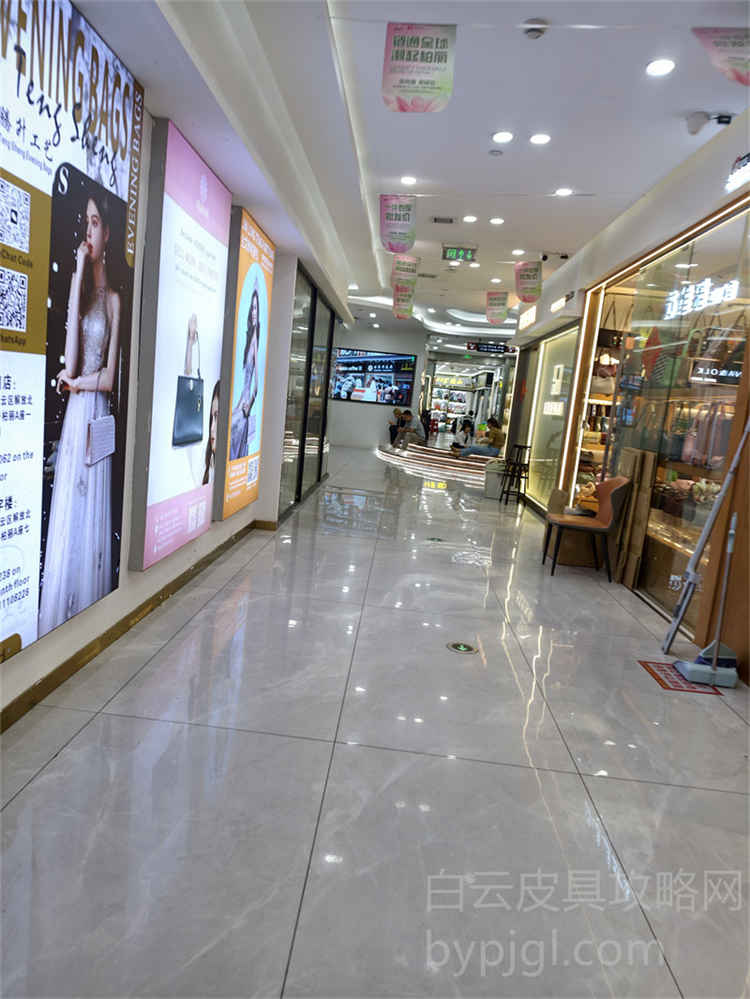
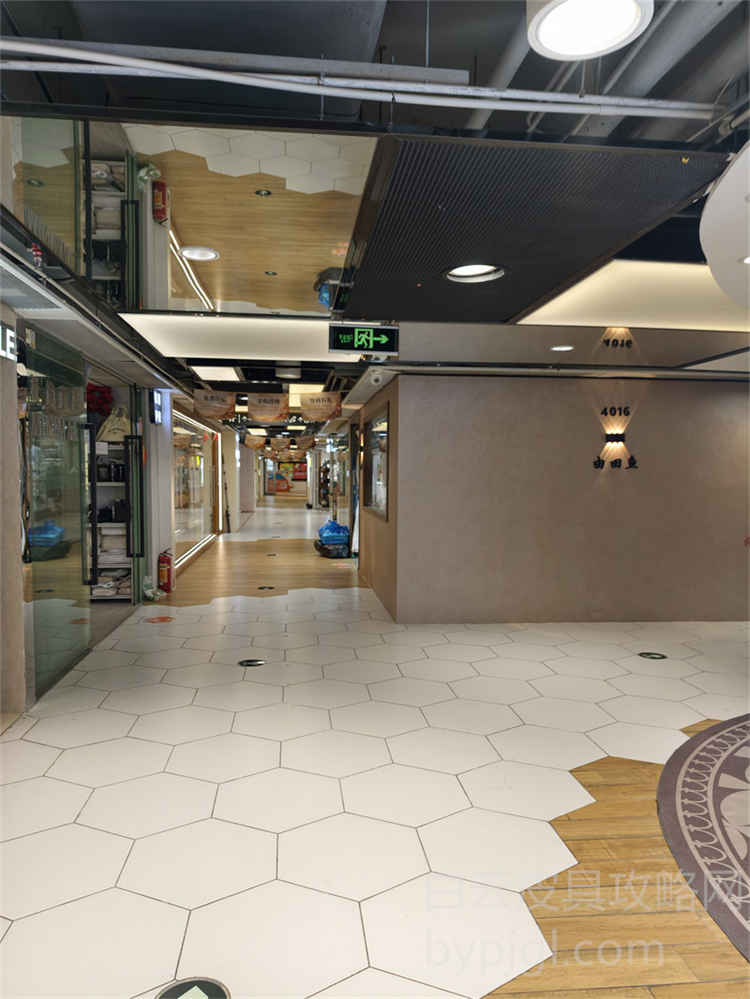
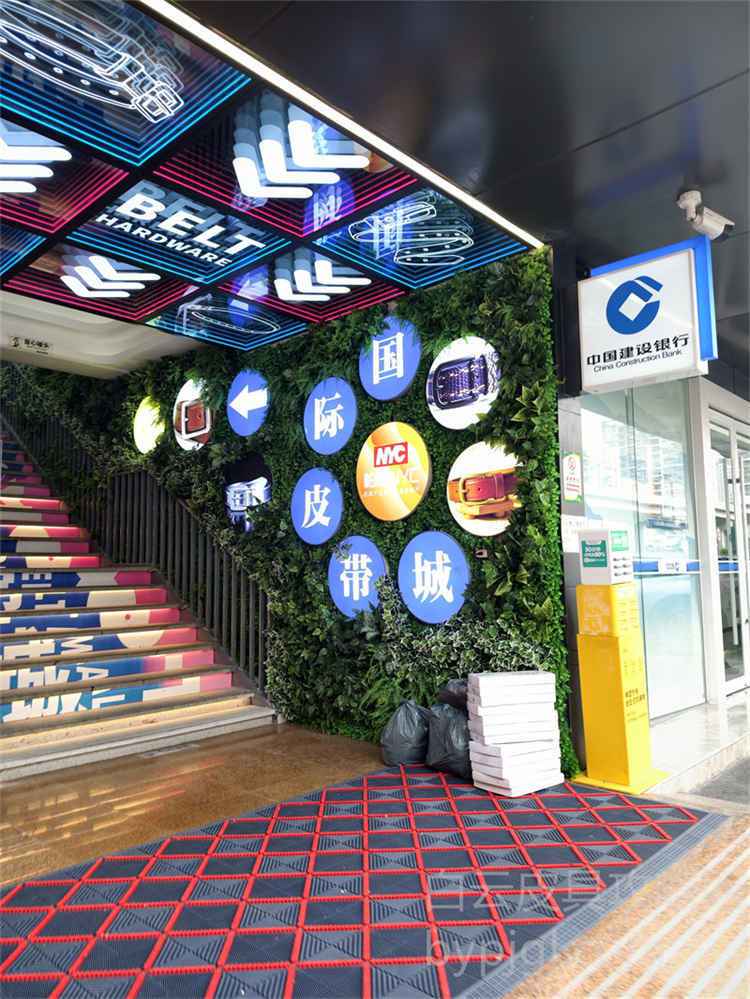
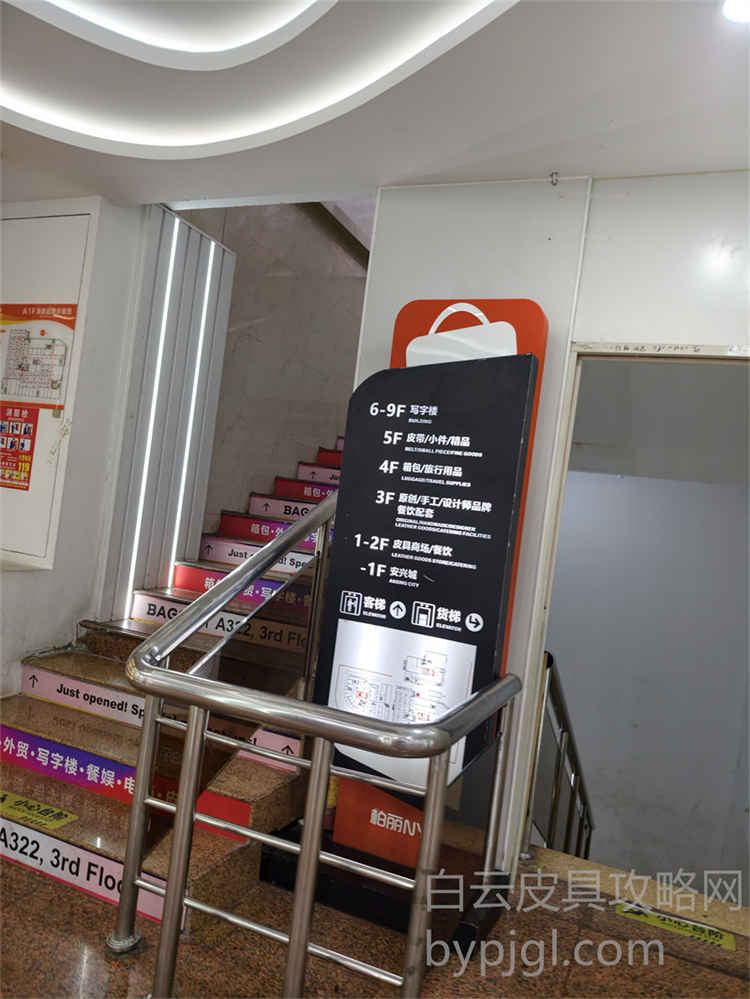
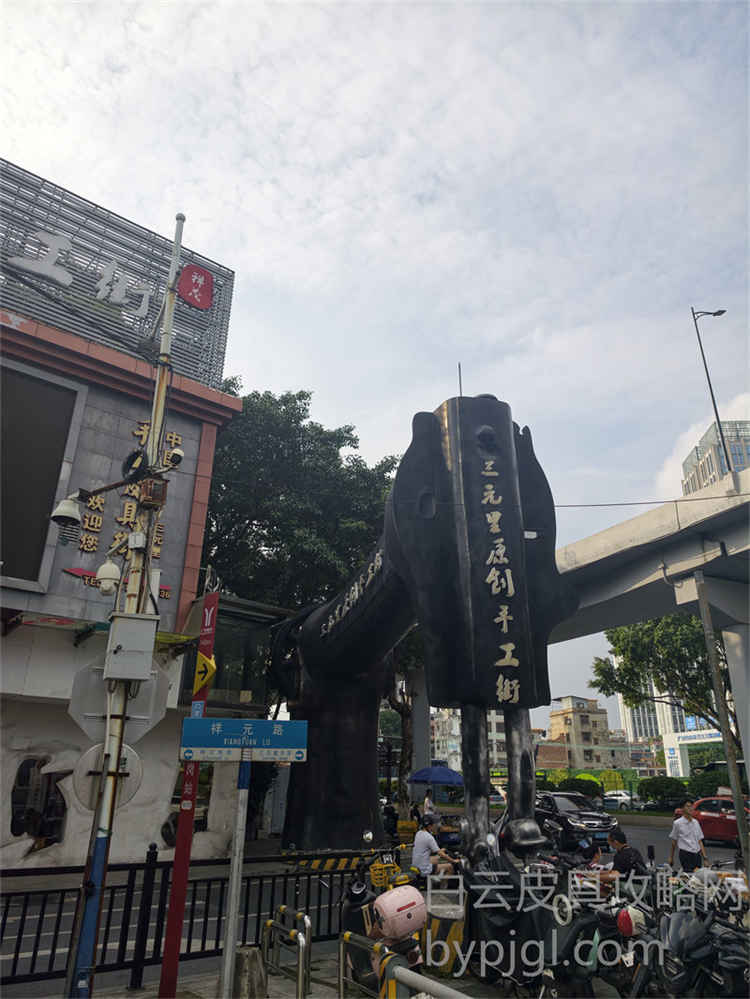
Baiyun isn't just one building; it's a sprawling complex of interconnected malls, each with its own vibe. The main entrance might look chaotic, but there is a rhythm to it. You need to know where to go based on what you are looking for. Some buildings focus on the absolute top-tier craftsmanship, while others cater to quick-turnover fashion items. Don't get lost in the maze trying to find a specific brand name because, frankly, we don't use those names here. We talk about materials, stitching, and hardware quality.
Finding the Right Stall Without Asking
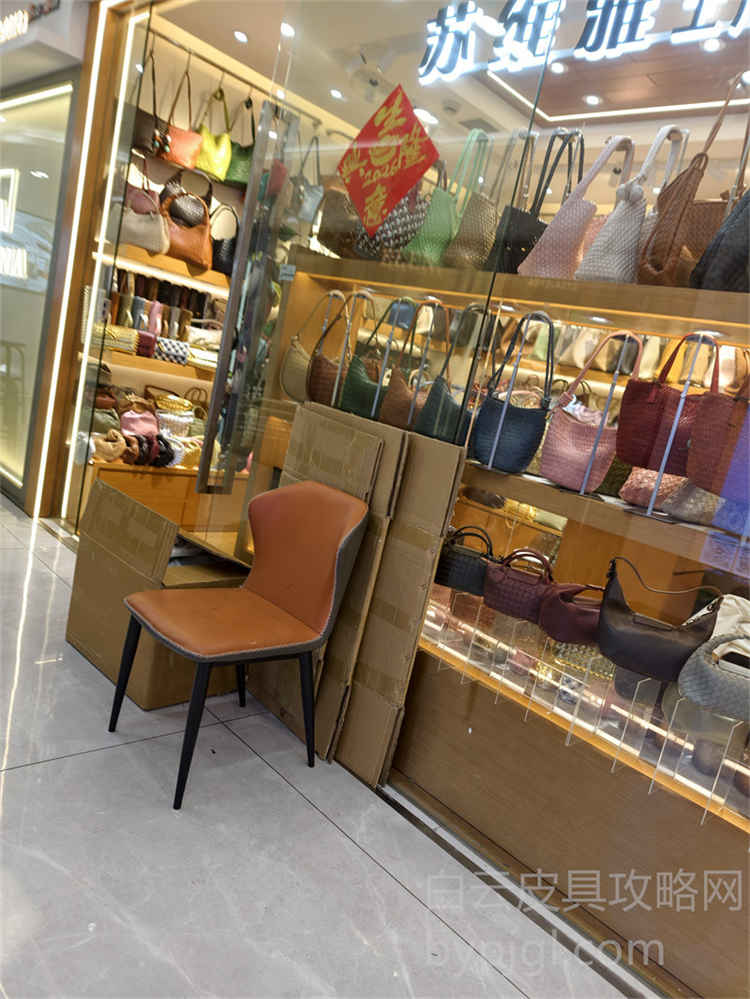
If you ask a security guard or a random passerby for the "best" bags, you'll get sent to a place that pays them a commission, not a place that serves you best. Instead, look for the stalls with the most organized displays. The veteran sellers keep their best pieces front and center, often under glass cases or on mannequins that look well-used but cared for. Look for the staff who are busy packing orders for local couriers. Those are the hot spots. When you approach a stall, don't say "I want to buy." Say, "I'm looking for stock for my store in [Your City]." This signals you are a buyer, not a browser.
The Art of Inspection: Touch, Smell, and Stitch
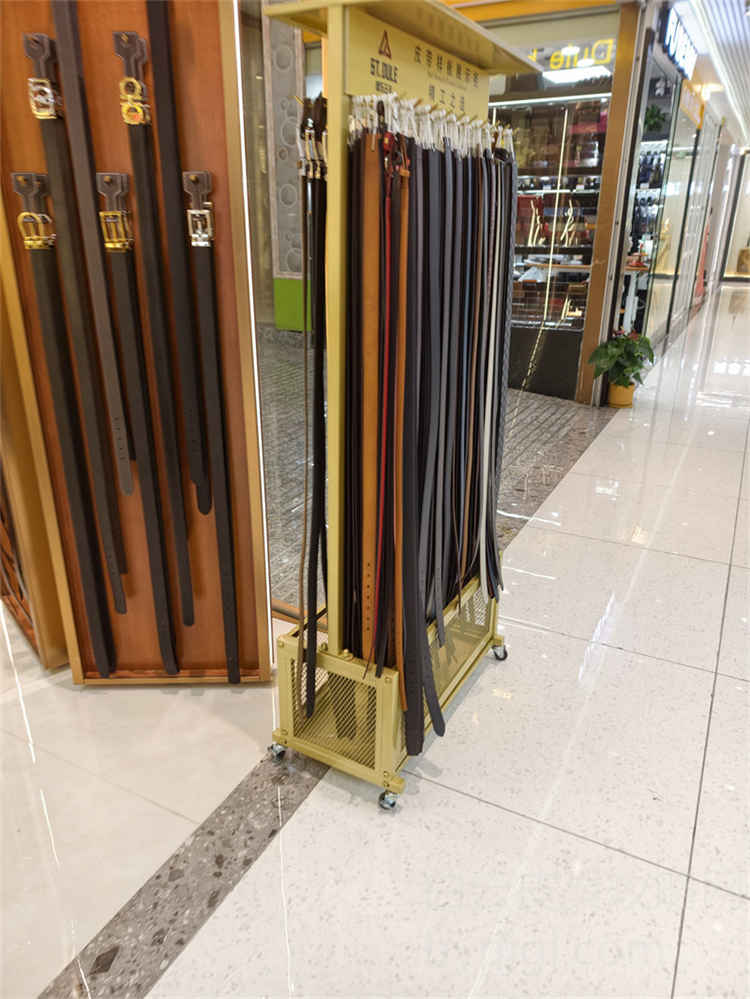
This is where the real work begins. online photos lie. They can be edited, filtered, and taken from angles that hide flaws. Here, you have the power of touch. When you pick up a bag, feel the weight. Good leather has substance; cheap synthetic feels light and flimsy. Run your fingers along the edges. Are they smooth? Is the glue visible? High-end production leaves no sticky residue. Check the stitching. It should be even, tight, and consistent. If you see loose threads or uneven spacing, put it back down. We pride ourselves on our finish, so if a vendor tries to sell you something with sloppy stitching as "premium," they are lying to you.
Asking the Right Questions about Materials
Don't ask about brands. Ask about the cowhide grade, the type of lining fabric, and the origin of the zippers. A good vendor will tell you exactly what they use. For instance, we use imported calfskin for our premium lines and durable PU for our entry-level collections. Be specific. Ask, "Is this full-grain?" or "What is the GSM of this canvas?" If they hesitate or give you a vague answer, move on. Trust your gut. In this business, transparency builds long-term relationships, and I'd rather lose a sale today than lose a customer tomorrow.
Negotiation and Building Relationships
Price is important, but relationship is everything. In Baiyun, the first price you hear is rarely the final price. It's an opening bid. Start by asking for the "dealer price" or the "wholesale rate." Show them you know the market. Mention that you plan to order regularly if the quality holds up. Vendors love consistency. If you are willing to commit to a larger volume, they will drop the price significantly. But never be aggressive or rude. We are all in this together. A smile and a handshake go further than shouting matches.
Understanding MOQ and Customization
You might worry about Minimum Order Quantities (MOQ). Many new buyers think they need to buy hundreds of units to get started. That's not entirely true anymore. Many stalls in Baiyun are flexible. They might require a minimum of 10 to 50 pieces per style for a custom run, but for existing stock, you can often buy just a few to test the waters. If you want to customize colors or hardware, discuss this early. We can adjust molds and dyes, but it takes time. Factor that lead time into your planning. Rushing a custom order usually leads to mistakes, and nobody wants that.
Avoiding the Pitfalls: What Not to Do
There are traps everywhere if you aren't careful. One common mistake is paying too much upfront. Never transfer 100% of the payment before seeing the goods. A standard practice is to pay a deposit, say 30%, and the rest upon inspection or before shipping. Another pitfall is ignoring the shipping logistics. Baiyun is close to the port, but freight forwarders vary wildly in reliability. Work with a forwarder you trust, or let the vendor recommend one they have used for years. Finally, don't rush. Take your time. Spend three days walking the floors. Compare five different stalls for the same item. The difference in quality between a $20 bag and a $40 bag is massive, and you need to see it to believe it.
Final Thoughts from the Counter
Coming to Guangzhou is an adventure. It's loud, it's fast, and it's intense. But if you approach it with respect, patience, and a keen eye for detail, you will find some of the best products in the world. My door is always open to serious buyers who want to build a business, not just grab a bargain. Come see us, touch the leather, and let's talk business. The market doesn't wait for anyone, so make sure you are ready when you walk through the doors.