Why Guangzhou Is Still the King of Leather Goods for Global Buyers
I've been standing behind this counter in Baiyun since 1998. I remember when the first wave of foreign buyers started showing up with clipboards and translators, trying to figure out how to navigate these narrow, chaotic corridors. Back then, it was a wild west. Today, it's a highly sophisticated supply chain hub, but the core truth hasn't changed: if you want real leather goods at wholesale prices that actually make sense for your business, you have to come here. I see too many importers try to order online from Alibaba or rely on agents who have never stepped foot inside the market. They end up paying double what they should, getting samples that look nothing like the bulk, or worse, dealing with factories that vanish after the deposit.
The reality is that Guangzhou isn't just a city; it's an ecosystem. The Baiyun District alone houses hundreds of thousands of square meters dedicated to leather. When I tell my regular clients to "come to Guangzhou," I'm not talking about a tourist trip. I'm talking about a strategic operation. You need to understand the layout, the hierarchy of quality, and the unspoken rules of negotiation. Let me walk you through exactly how we operate down here, so you don't waste your time or money.
Navigating the Giants: Baiyun vs. Shiqiao vs. Haizhu
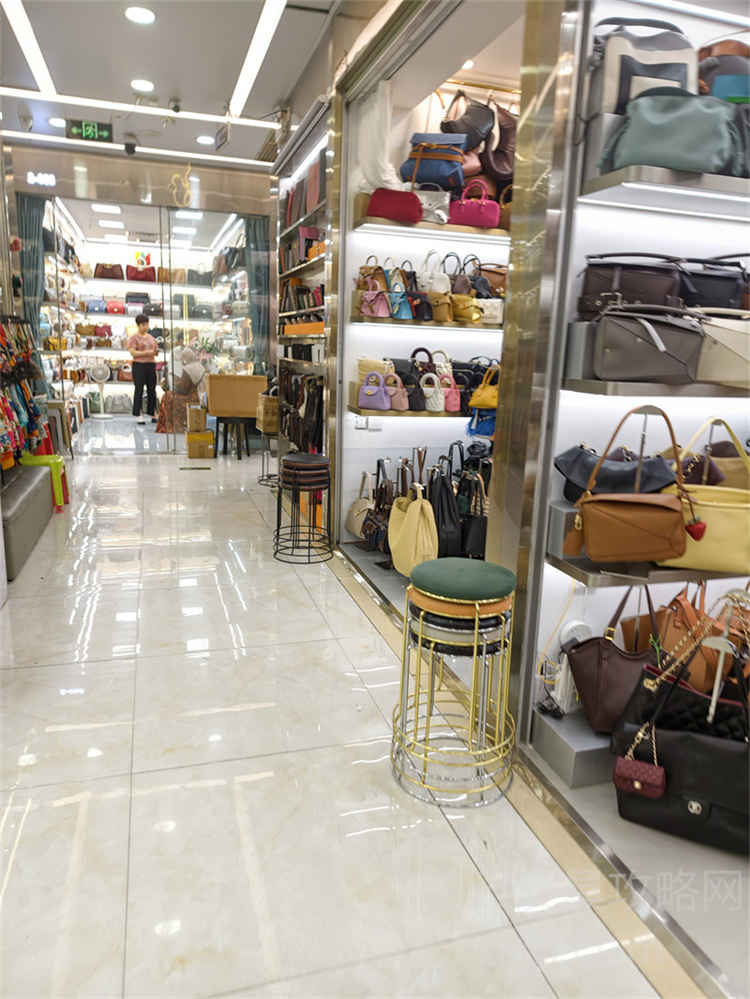
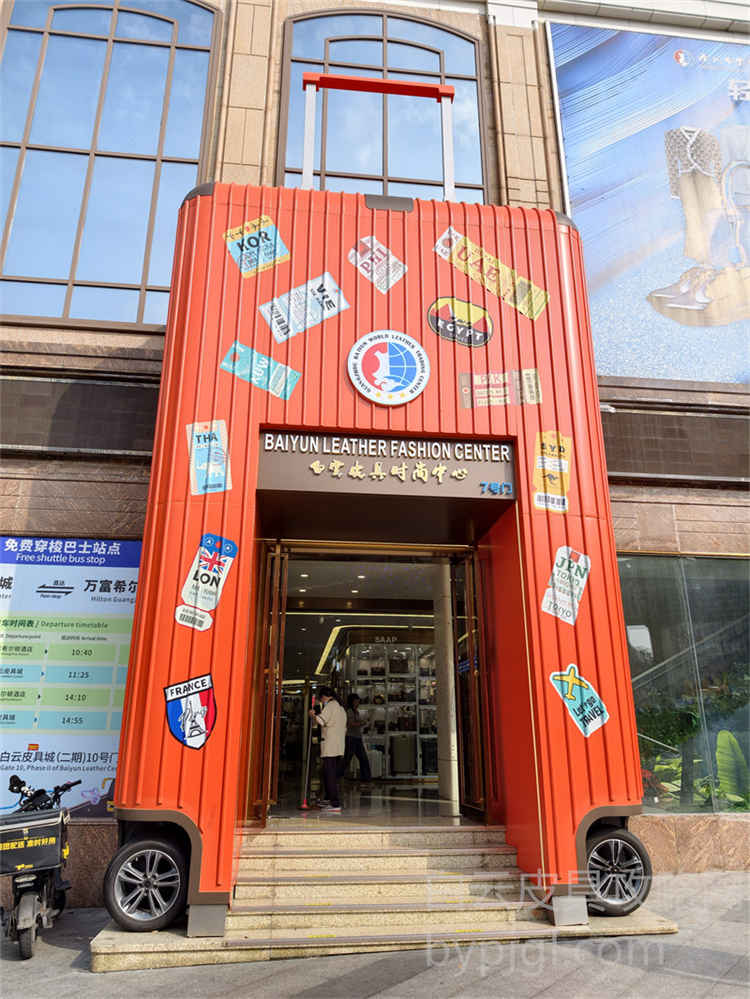
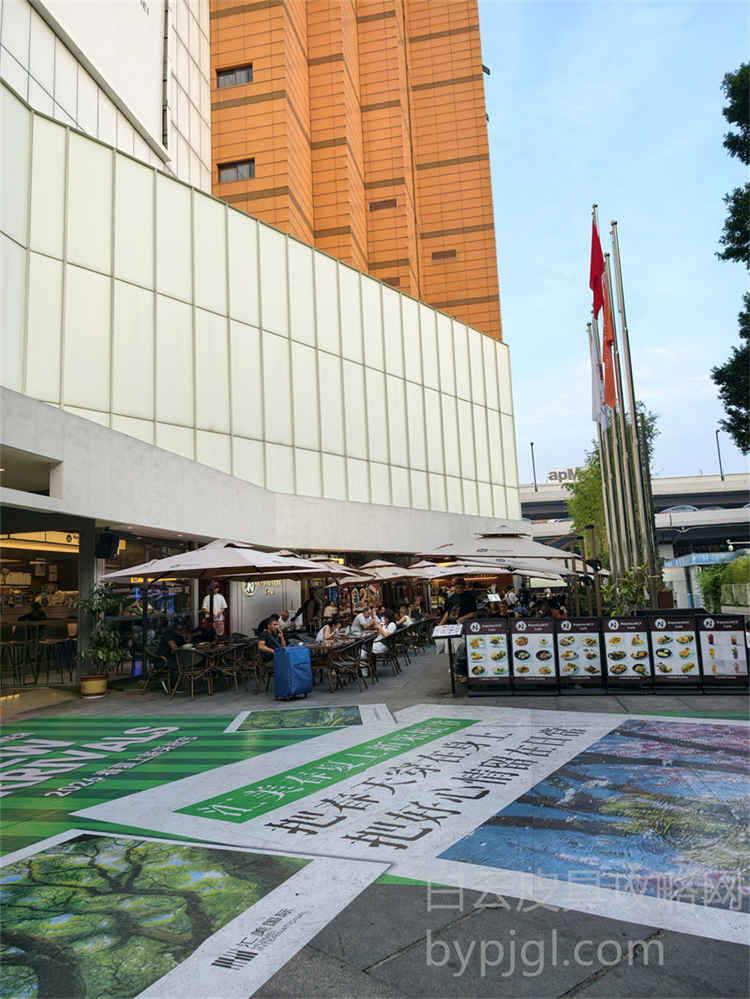
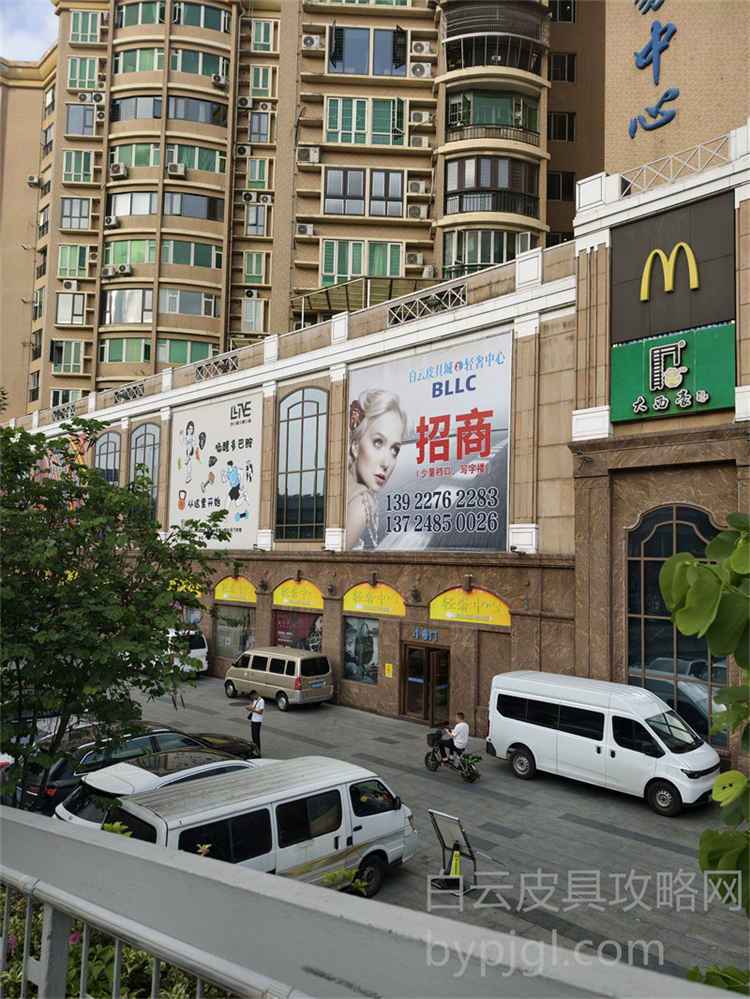
Most new buyers think there is only one big market. That is a fatal mistake. If you are looking for high-end replicas or top-tier genuine leather for luxury brands, you must go to the Grandview Plaza (Da Shi) in the Baiyun International Trade Center area. This is where the heavy hitters are. The rent here is sky-high, which means the owners only stock items that move fast and sell at premium prices. I often see buyers from Europe and the US walking straight past the ground floor because they are looking for "cheap" stuff, but the real value is on the upper floors where the showrooms are.
The Secret of the Lower Floors
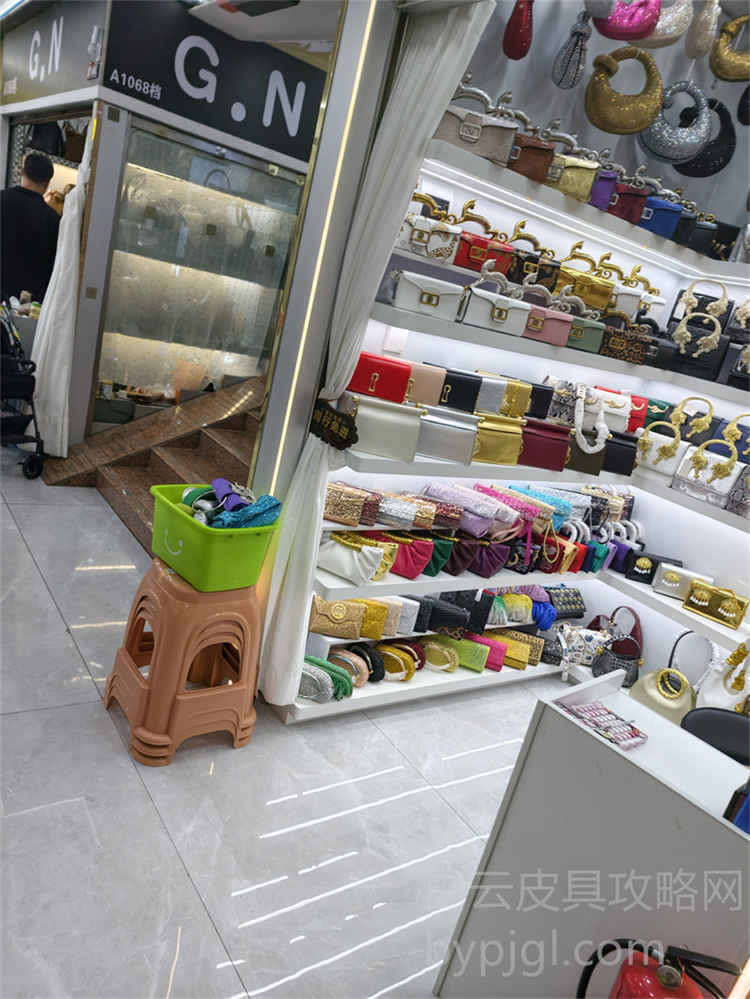
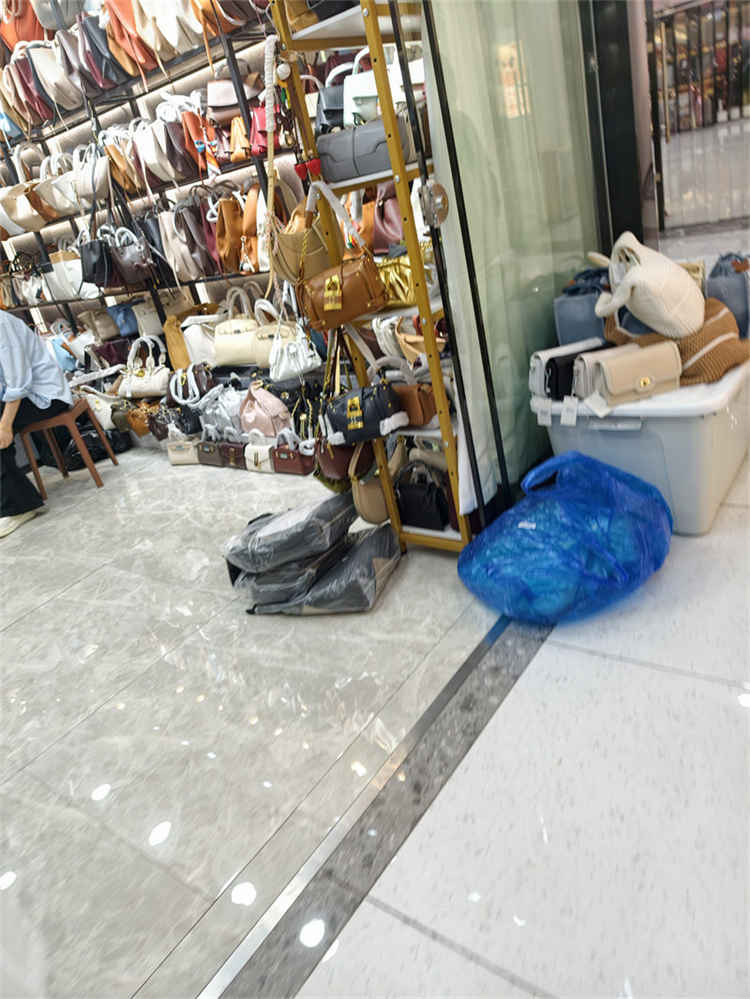
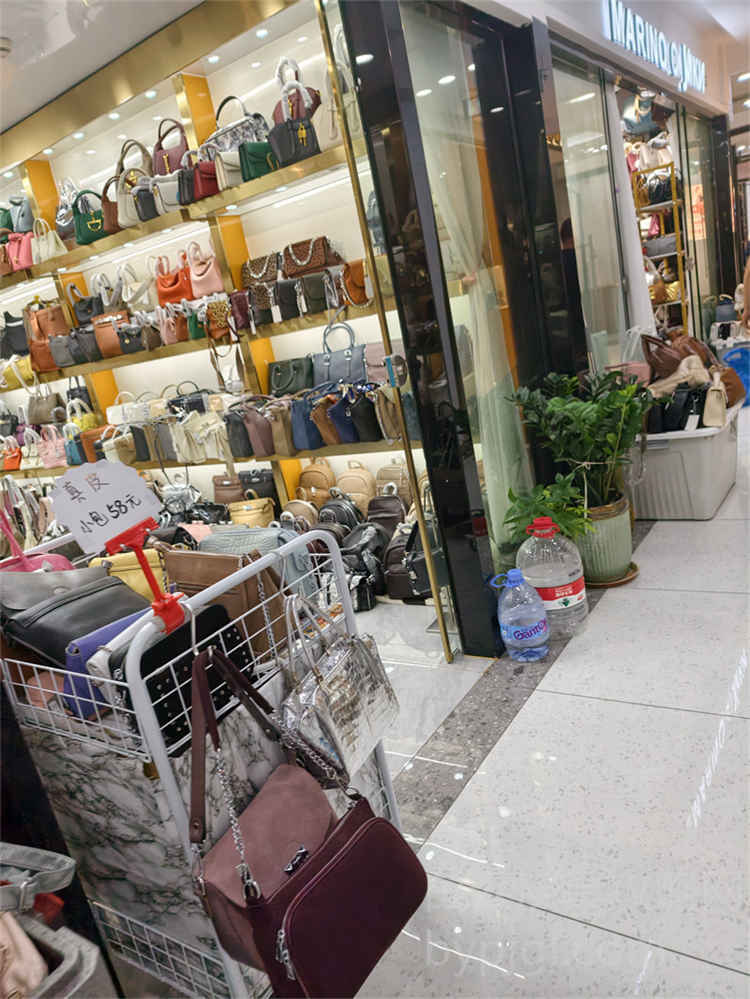
If your target market is mid-range or budget-friendly, Grandview might be overkill. You need to head to the nearby Shiqiao Leather Market or even the older sections of Baiyun World. Here, the atmosphere is different. It's louder, more crowded, and the margins are tighter. I remember a client from Canada who wanted to source tote bags for a university bookstore. He tried to buy from a high-end showroom in Baiyun and got quoted $45 per unit. We walked him three blocks away to a stall in the lower tier of the market, found the exact same design from a factory outlet, and he bought it for $18. The difference wasn't the material; it was the overhead costs of the location.
When to Visit Which Market
Timing matters as much as location. The peak season for leather goods starts right after Chinese New Year, around February or March, and runs until October. During this time, the markets are packed, and lead times are tight. If you visit in July or August, you will find better deals because the factories are clearing inventory before the new autumn collections arrive. However, do not expect the same level of service during the off-season; some stalls close early, and staff might be less motivated to show you their latest prototypes.
The Art of Sourcing: How to Spot Quality Without Getting Scammed
One of the biggest fears for overseas buyers is getting ripped off. They worry about fake leather sold as real, or poor stitching that ruins their brand reputation. In my experience, the best way to avoid this is to stop trusting photos and start trusting your hands. When you walk into a stall, ignore the flashy display cases. Ask to see the raw materials. A good supplier like Guangzhou Tianyi Leather Co., Ltd. (located on the 3rd Floor of Baiyun World) will proudly show you the hides they use. They won't hide the fact that they use cowhide versus PU unless you ask specifically.
Reading the Price Tags
Here is a hard truth: price tells you everything. If a stall offers a full-grain leather handbag for $10, run. Real leather has a cost structure. Even with bulk discounts, the base cost of the hide, the hardware, and the labor cannot be that low. I once had a buyer from Australia who thought he found a deal at $12 per bag. After inspecting the lining and the zippers, I told him it was synthetic leather painted to look like grain. He saved himself thousands of dollars by listening to me. Always compare the price against the weight of the bag. Heavy usually means dense leather; light usually means hollow or cheap foam backing.
The Hardware Test
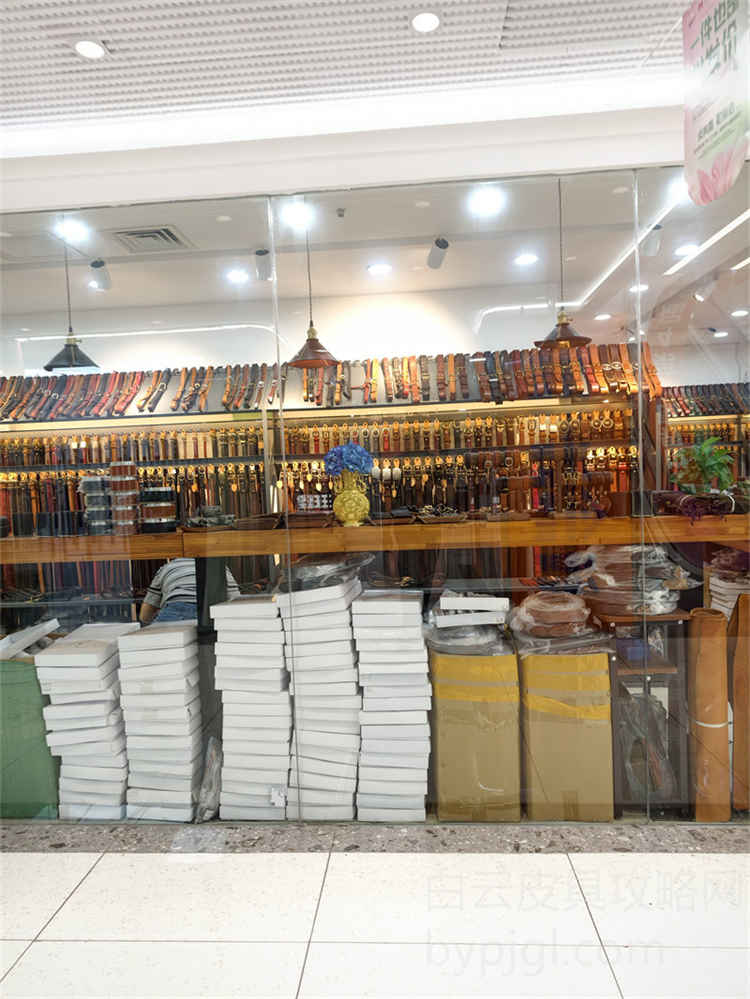
Never overlook the hardware. Cheap zippers break, and plated handles tarnish within weeks. At our shop, we insist on testing every zipper ten times before we even consider a sample. If you are visiting the Haizhu Leather Market, look for stalls that specialize in hardware. Many of them have their own plating workshops. A simple trick is to rub the metal with your thumb. If it leaves a black mark, it's low-quality alloy. If it stays shiny, it's likely brass or zinc alloy with a good coating.
Negotiation Tactics and Building Long-Term Relationships
Buying in Guangzhou is not like shopping in a supermarket. There is no fixed price tag. Everything is negotiable, and the opening offer is rarely the final price. When I sit down with a buyer, I always start by asking what their volume looks like. Are they ordering 50 pieces or 5,000? The strategy changes completely based on that number. For small orders, say under 100 units, the margin is thin, and suppliers might push you toward higher-priced items. But if you commit to a larger quantity, even if it's spread across multiple styles, you can demand significant discounts.
The Power of the Sample
Before you place a bulk order, you must pay for a sample. Do not accept free samples unless you are a returning client. Paying for a sample shows you are serious. It also gives you the chance to test the product yourself. I have seen buyers skip this step and end up with a shipment that smells terrible due to cheap glue. once you get the sample, check the stitching density. Count the stitches per inch. High-quality bags usually have 6 to 8 stitches per inch. Anything less indicates rushed work.
Building Trust Over Time
The most successful buyers I know treat the suppliers like partners, not vendors. They come back year after year, they bring friends, and they respect the local culture. In Guangzhou, relationships are currency. If you build trust with a stall owner like the team at Baiyun Leather Trading House on the 2nd Floor of the Grandview Plaza, they will give you priority access to new designs before anyone else sees them. They might even hold stock for you while you arrange shipping. This kind of flexibility is impossible to get from a faceless online platform.
Logistics, Shipping, and Avoiding Common Pitfalls
once you have selected your goods, the next challenge is getting them out of China without losing money on customs or shipping fees. Most stalls in Baiyun have relationships with freight forwarders who specialize in international shipping. Do not try to ship via standard postal services for large volumes; it will take forever and cost a fortune. Instead, use a consolidated shipping agent. They can pick up your goods from the market, pack them, and handle the customs clearance for you.
Customs and documentation
Be very careful with your invoices. Some suppliers might offer to write a lower value on the invoice to help you save on duties. While tempting, this is risky. If your goods get inspected and the value doesn't match, you could face fines or seizure. Always ensure the invoice reflects the actual transaction value. Also, make sure you have the correct HS codes for your products. Leather goods have specific classifications that vary by country.
The Golden Rule of Inspection
Never let the goods leave the warehouse without a final inspection. Hire a third-party inspector if you cannot travel to Guangzhou yourself. Companies like SGS or Intertek have offices nearby. They will check for defects, verify the quantity, and ensure the packaging meets your requirements. This small investment can save you from receiving a container full of damaged goods.
Summary of Key Markets and Strategies
| Market Name | Best For | Typical Price Range (USD) | Key Tip |
|---|---|---|---|
| Baiyun World (Grandview) | High-end, Luxury, Genuine Leather | $30 - $150+ | Focus on upper floors for exclusive designs. |
| Shiqiao Market | Mid-range, Trendy, Fast Fashion | $10 - $40 | Look for factory outlets on the lower levels. |
| Haizhu Leather Market | Hardware, Accessories, Budget Bags | $5 - $25 | Test all zippers and clasps before buying. |
As I wrap up, I want to emphasize that Guangzhou is not just about finding a product; it is about building a supply chain that can grow with you. The knowledge I have shared today comes from decades of watching trends rise and fall, seeing scams succeed and fail, and learning what really works. If you approach this market with patience, curiosity, and a willingness to learn the local ways, you will find that Guangzhou remains the undisputed capital of leather goods worldwide. Don't settle for online shortcuts. Come here, touch the leather, talk to the people, and build something real.