Why I've Been Selling Bags in Guangzhou for 15 Years and What I Wish You Knew Before You Flew Here
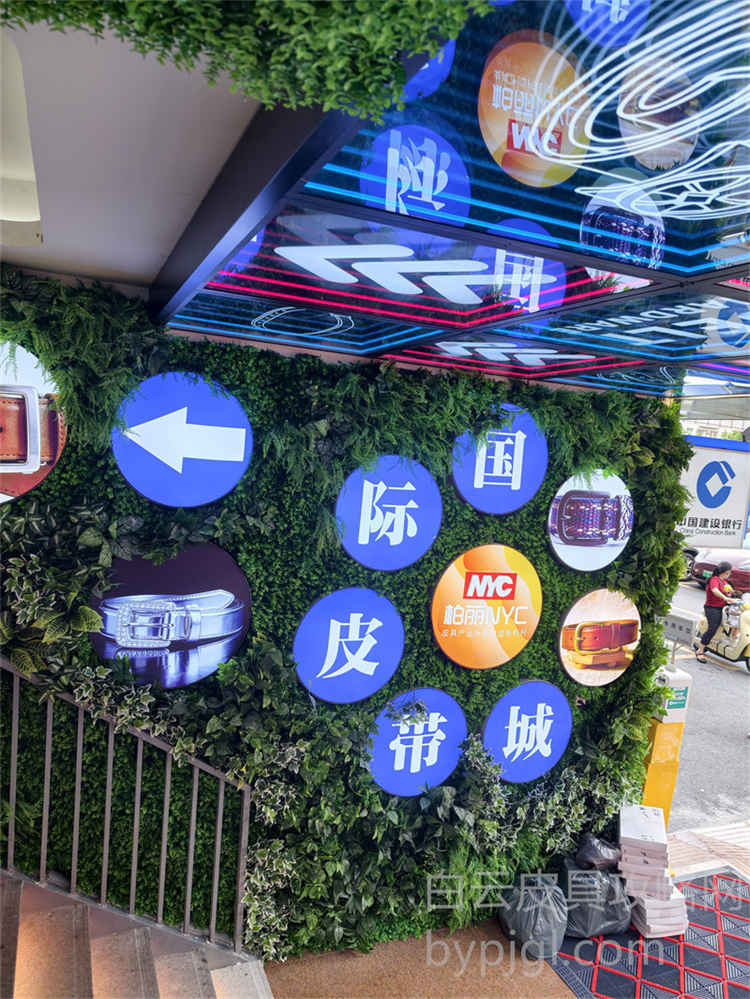
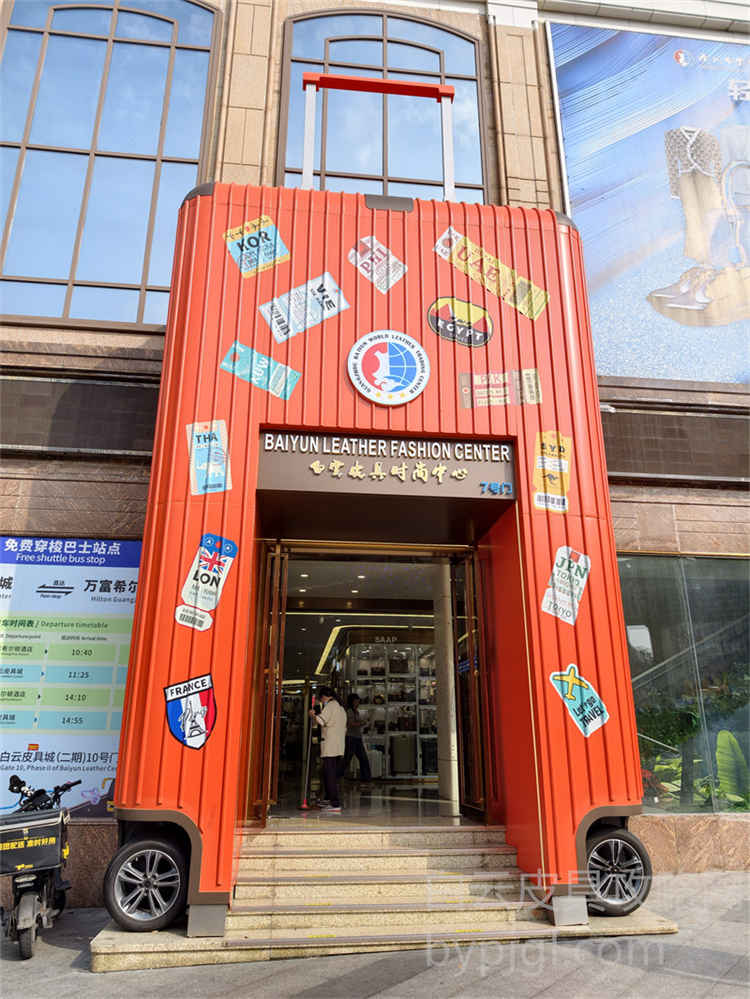
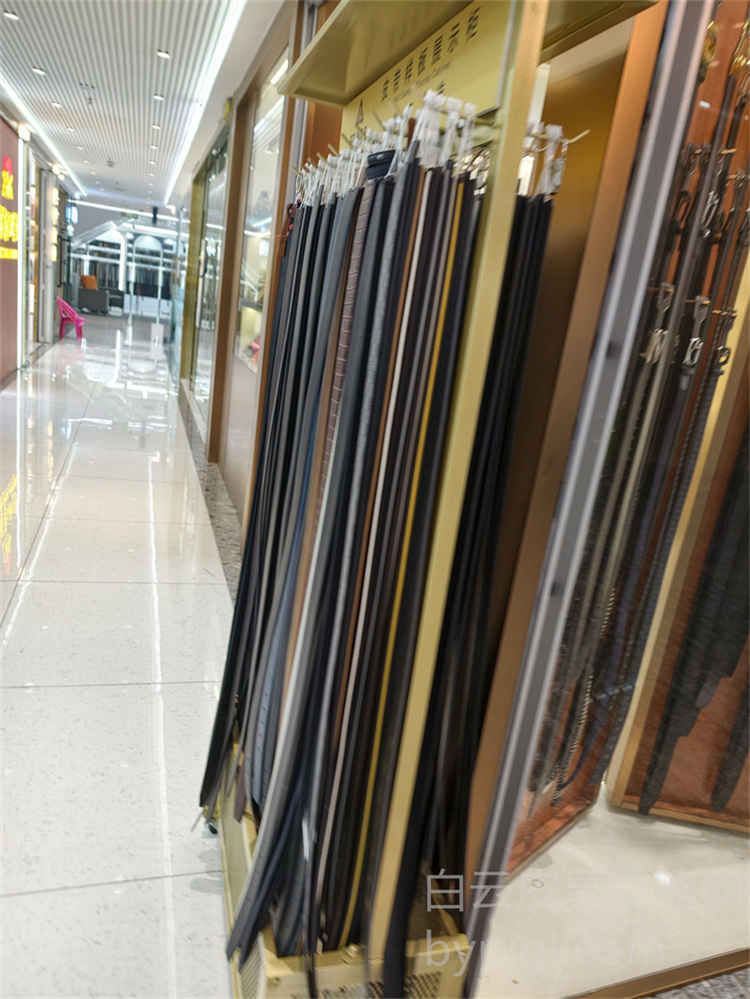
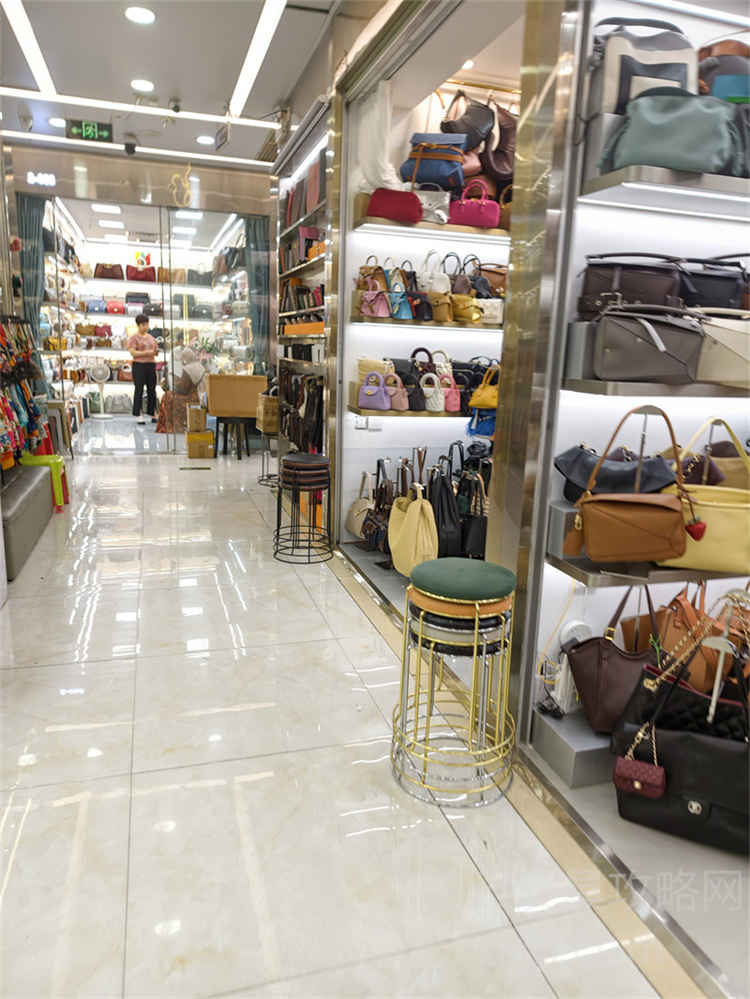
Welcome to the real deal. If you are reading this, you probably think buying wholesale bags in Guangzhou is as simple as opening an app, clicking "buy," and waiting for a shipment. Let me stop you right there. I have been standing at my stall in the Baiyun Leather City for over a decade, watching thousands of foreign buyers come and go. Some leave with gold mines; others leave with empty pockets and a truckload of junk. The difference isn't luck. It is knowing where to look, how to talk, and what questions to ask when the air conditioning hums and the smell of fresh leather fills the hallway.
When people ask me about "Guangzhou specialty bag wholesale," they usually picture a chaotic maze. And honestly, they aren't wrong. But inside that chaos lies a supply chain that no other city on earth can match. My job isn't just to sell you a bag; it is to teach you how to navigate the factory floor without getting burned. This guide is not from a marketing team. It is from a local boss who has seen every scam, every quality drop, and every hidden gem in the district.
Navigating the Beast: Where to Actually Go
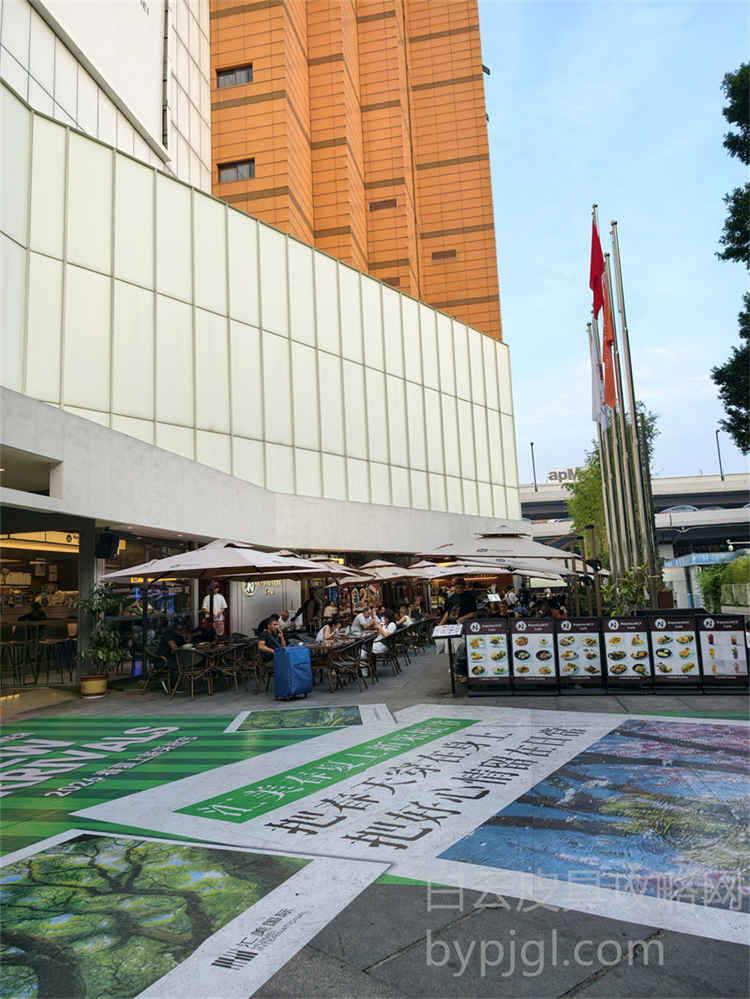
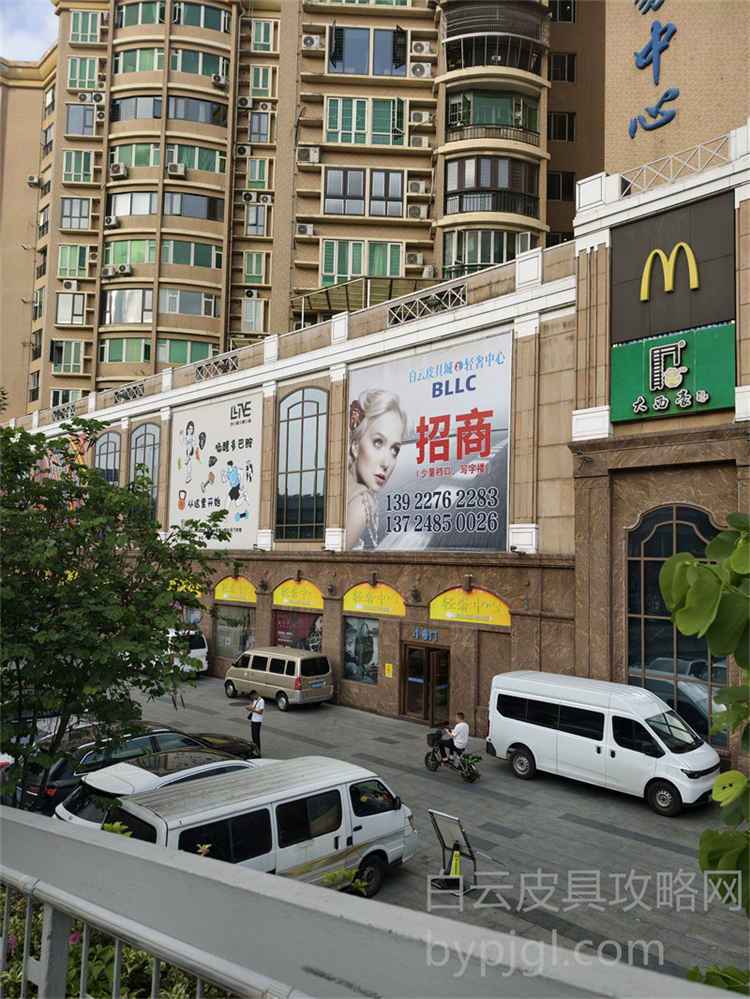
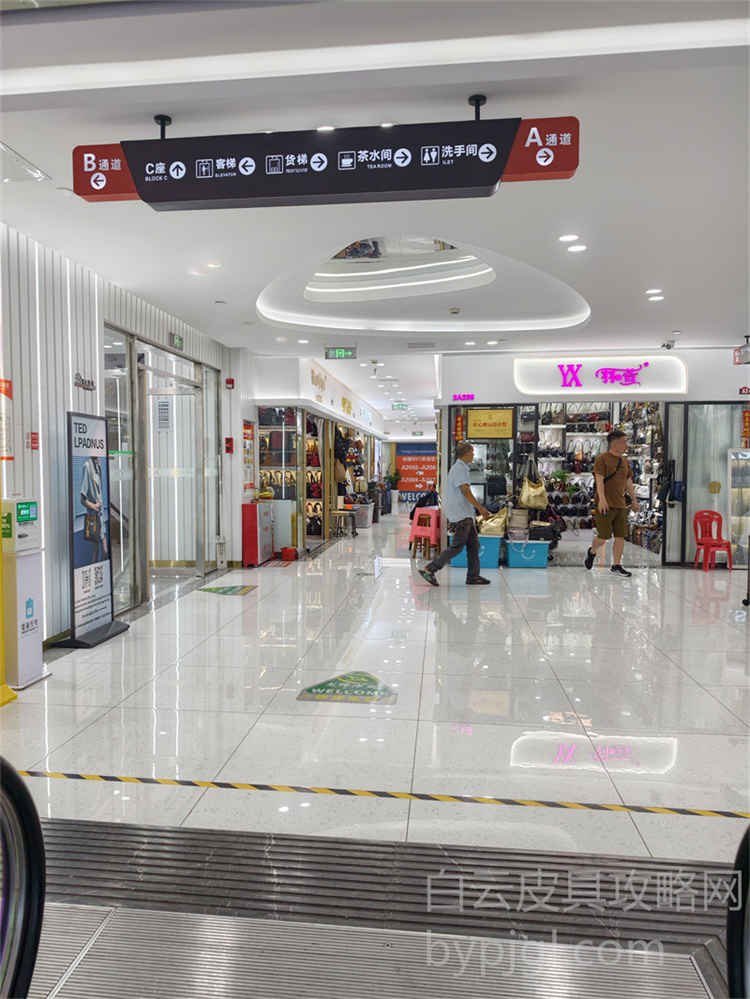
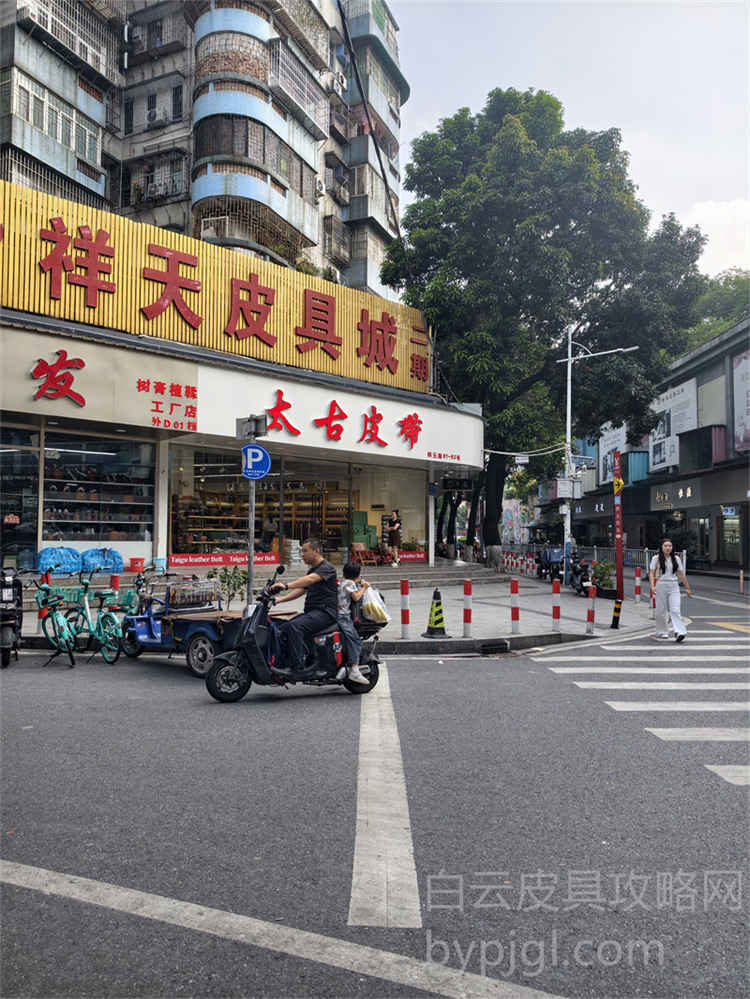
First things first: do not just show up at the main entrance of Baiyun Leather City and expect miracles. That place is massive, and if you wander aimlessly, you will waste three days and get nowhere. The market is divided into zones, and each zone speaks a different language of quality and price.
The Golden Zone: Building A and B
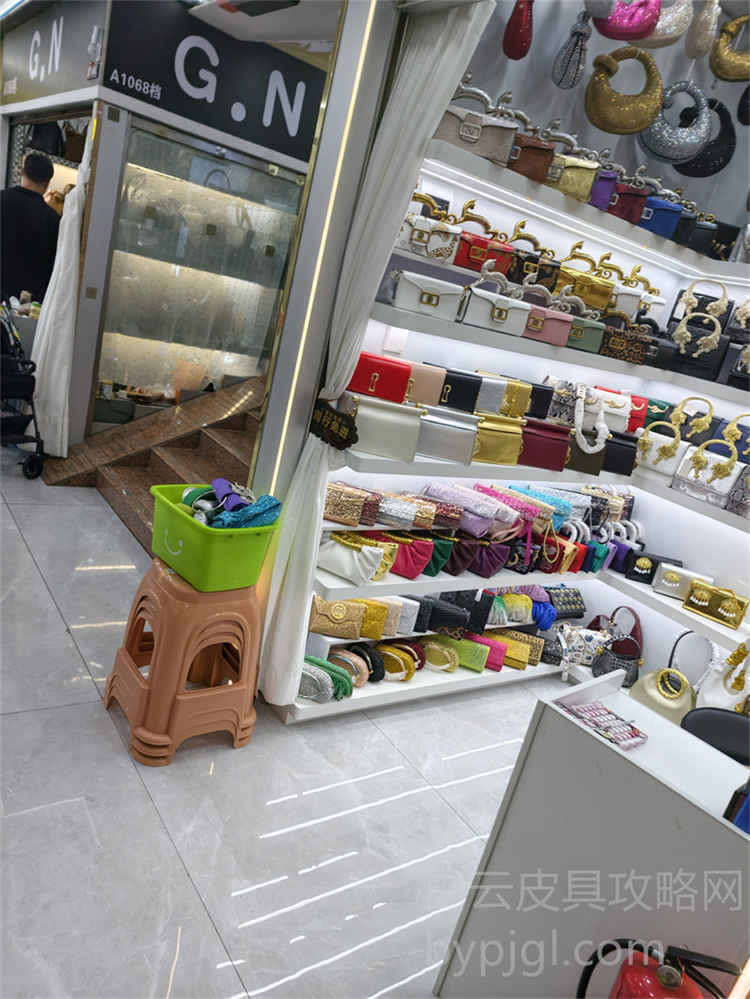
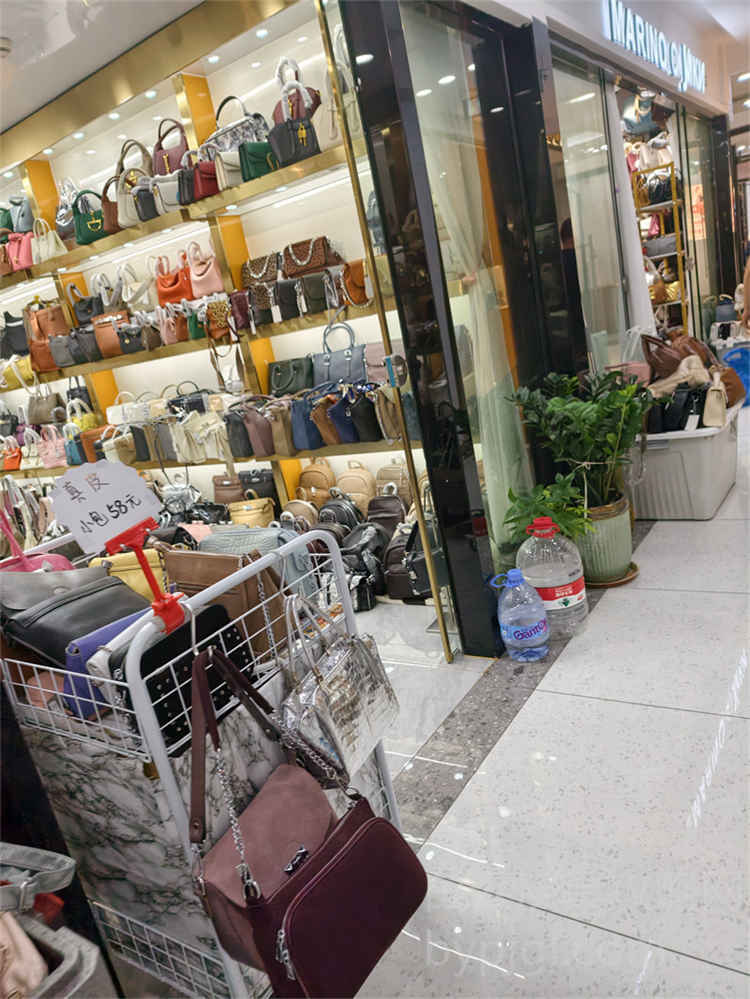
If you are looking for high-end replicas or top-tier genuine leather goods that rival luxury brands, your destination is Building A and Building B. These floors house the heavy hitters. I recommend starting at the East Wing of Building A. This is where you find the factories that supply the big international boutiques. Do not be intimidated by the prices here; they are higher, but the margin for error is zero. For example, a handbag made from Italian calfskin here might cost $45 wholesale, whereas a similar-looking bag in the basement levels might be $8. The difference is in the stitching, the hardware weight, and the lining material.
The Budget Kings: Building C and the basement
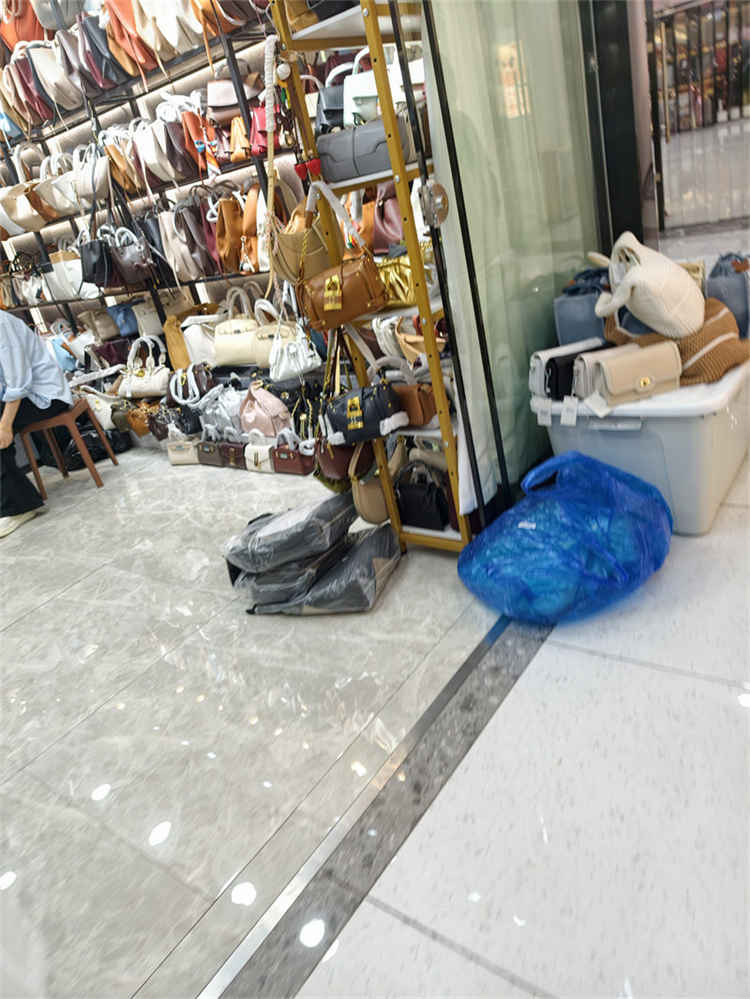
Now, if you are running a fast-fashion brand or a streetwear store and need volume, head to Building C and the lower levels. This is where the "mass production" happens. You will see rows upon rows of identical styles. Here, you can find suppliers like Shengda Leather Goods on the 3rd floor of Building C. They specialize in PU and synthetic leather bags priced between $5 and $12. Be careful here. The variety is huge, but the consistency varies wildly from batch to batch. I once saw a buyer order 500 units from a stall on the 2nd floor of Building C, only to receive half of them with broken zippers because the supplier switched materials mid-production.
The Hidden Gems: nearby Markets
Beyond Baiyun, you must visit the Qinghe International Trade Center. It is located just a short taxi ride away. While Baiyun is famous for fashion bags, Qinghe is the hub for more niche designs and emerging trends. Many of the stalls here are actually direct extensions of the factories in Baiyun but operate with less overhead. I often send my overseas clients here for unique, non-mainstream designs that won't be flooded on Amazon within a month.
The Art of the Deal: How to Talk Like a Pro
One of the biggest mistakes I see foreign buyers make is walking into a stall and saying, "I want to buy everything." That screams amateur. In our culture, we respect those who know their numbers. When you approach a stall, do not ask for the "lowest price" immediately. Instead, ask specific questions about the production cycle and material sourcing.
Asking the Right Questions
Never start with "How much?" Start with, "What is the lead time for 200 units of this style?" or "Can you provide the GSM (grams per square meter) of the leather?" If you ask about GSM, the owner knows you understand materials. Suddenly, the dynamic changes. They stop treating you like a tourist and start treating you like a partner. At my own stall, I always tell new clients: "If you want the best price, you need to commit to a minimum order quantity (MOQ) of 50 pieces per color." Most small buyers try to order 10 pieces of five colors. I politely explain that this breaks our production line efficiency, so the unit price jumps by 30%. Usually, they agree to consolidate orders, which saves everyone money.
The Sample Trap
Here is a hard truth: samples are expensive. In Guangzhou, a sample of a high-quality bag can cost $50 to $100, even if the bulk price is $30. Why? Because making one perfect prototype takes hours of skilled labor. Do not be offended when a stall asks for a sample fee. If they refuse to take a deposit for a sample, run. That means they are likely selling low-quality knockoffs that cannot be replicated consistently. Always pay for the sample, inspect it thoroughly, and then negotiate the bulk price based on that sample's quality.
Quality Control: Don't Trust Your Eyes Alone
You cannot rely on photos sent via WeChat. Those images are often edited, lighting-adjusted, or taken from a completely different product. When you are physically in the warehouse, you need to bring a checklist. I use a standard checklist for every client: check the thread count (should be 12-14 stitches per inch), check the zipper pull (it should feel solid, not hollow plastic), and check the interior lining (no loose threads).
Real Data Comparison
Let me give you a concrete example from last month. A client ordered 300 bags from a stall in Building A. He thought he was getting premium leather. Upon arrival, he noticed the smell was chemical, not natural. He called me. I went to the factory with him. We found that the supplier had used a cheaper grade of cowhide mixed with a synthetic coating to mimic the texture. The cost difference was only $2 per bag, but the customer service reputation took a hit. Had he inspected the raw material before production started, he would have saved $600 and his brand image. Always request to see the raw material rolls before the sewing begins.
Logistics and Payment: The Final Hurdle
once you have selected your goods, the next challenge is getting them out of China safely. Do not use random shipping agents you find on Google. Use established freight forwarders who have offices right here in the Baiyun district. They know exactly how to pack fragile hardware and avoid customs issues. For payment, never transfer 100% upfront unless you have worked with the supplier for years. A standard deal is 30% deposit, 70% before shipment. If they demand 100%, walk away. It is too risky.
Avoiding the Scams
I have heard stories of buyers paying deposits and then being ghosted. To prevent this, always meet in person or use a third-party inspection service like SGS if you cannot travel. If you must ship directly, ensure the contract specifies the exact materials, dimensions, and defect tolerance rates. A 3% defect rate is acceptable in manufacturing; anything higher should trigger a refund.
Summary of Key Markets and Strategies
| Market Area | Best For | Price Range (USD) | Recommended Strategy |
|---|---|---|---|
| Baiyun Building A & B | High-end, Genuine Leather, Luxury Replicas | $35 - $80 | Focus on material specs, negotiate MOQ, inspect raw materials. |
| Baiyun Building C | Mass Market, PU, Trendy Styles | $5 - $15 | Check batch consistency, verify zipper quality, watch for material switches. |
| Qinghe Trade Center | Niche Designs, Emerging Trends | $10 - $40 | Look for unique molds, build relationships for exclusive styles. |
Buying wholesale bags in Guangzhou is an adventure. It requires patience, sharp eyes, and a bit of street smarts. But if you follow these steps, you will unlock a world of opportunities that simply does not exist elsewhere. Remember, the best deals are not found online; they are found shaking hands in a crowded hallway, smelling the leather, and building a relationship that lasts for years. Come to Guangzhou, trust your instincts, and let the city work its magic for you.