Why I've Been Selling Bags in Guangzhou for 15 Years and What You Need to Know Before You Fly
Listen, I've been standing behind the same counter in the Baiyun Leather City for over a decade. While you guys are scrolling through Instagram ads promising "factory direct" prices, I'm watching real buyers walk in with their eyes wide open, ready to spend thousands on samples that turn out to be nothing but cheap plastic wrapped in fake leather. If you are searching for "China TFTF Guangzhou bag wholesale," you probably think you know what you're looking for. But let me tell you, the market here is a jungle, and if you don't know how to hunt, you will get eaten alive.
I am not going to give you some generic advice about "checking quality." That's what every blog post says. I want to talk to you like we are sitting in my office drinking tea, discussing the real numbers, the real floors, and the real traps that cost new importers thousands of dollars. The secret isn't just finding a supplier; it's understanding the ecosystem of the Baiyun district itself.
The Real Layout: Where the Money Actually Moves
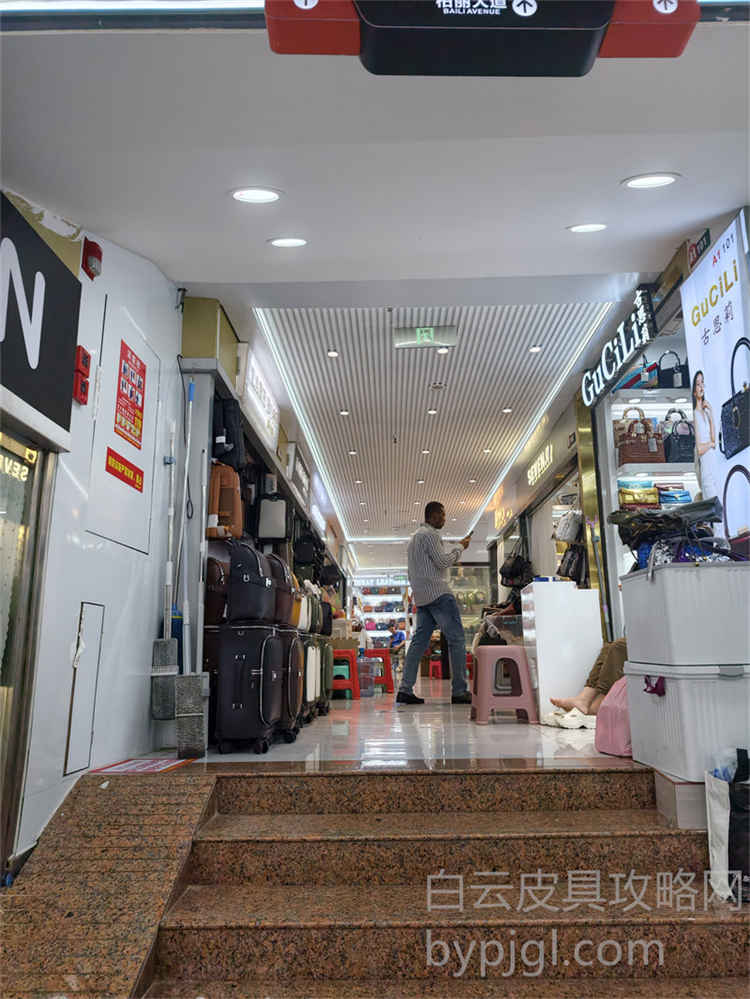
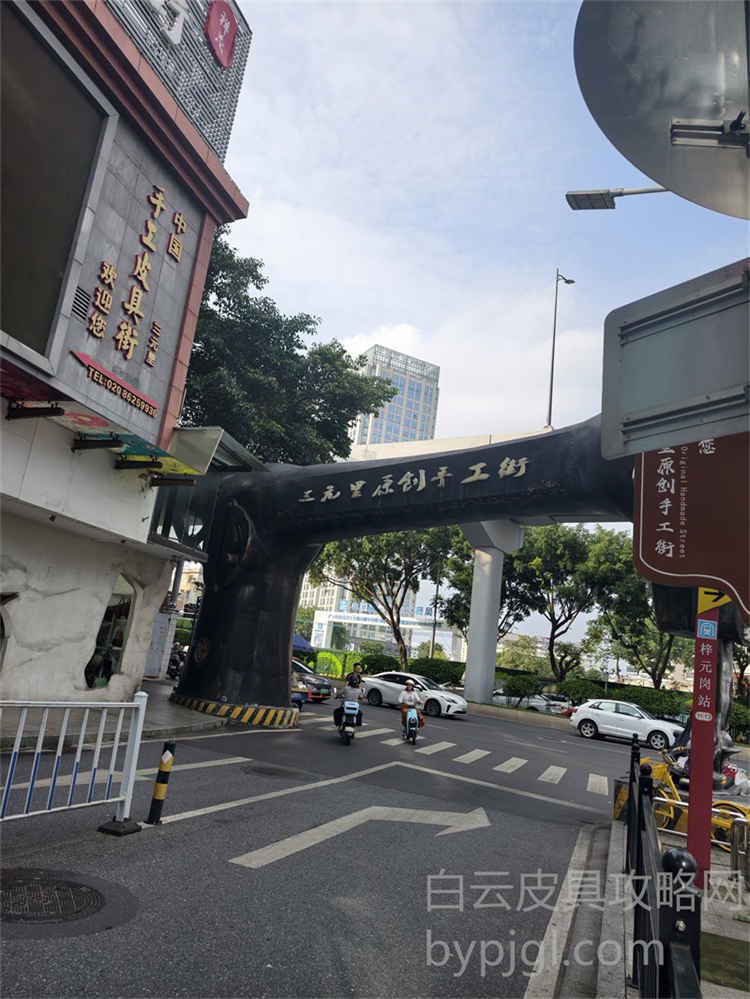
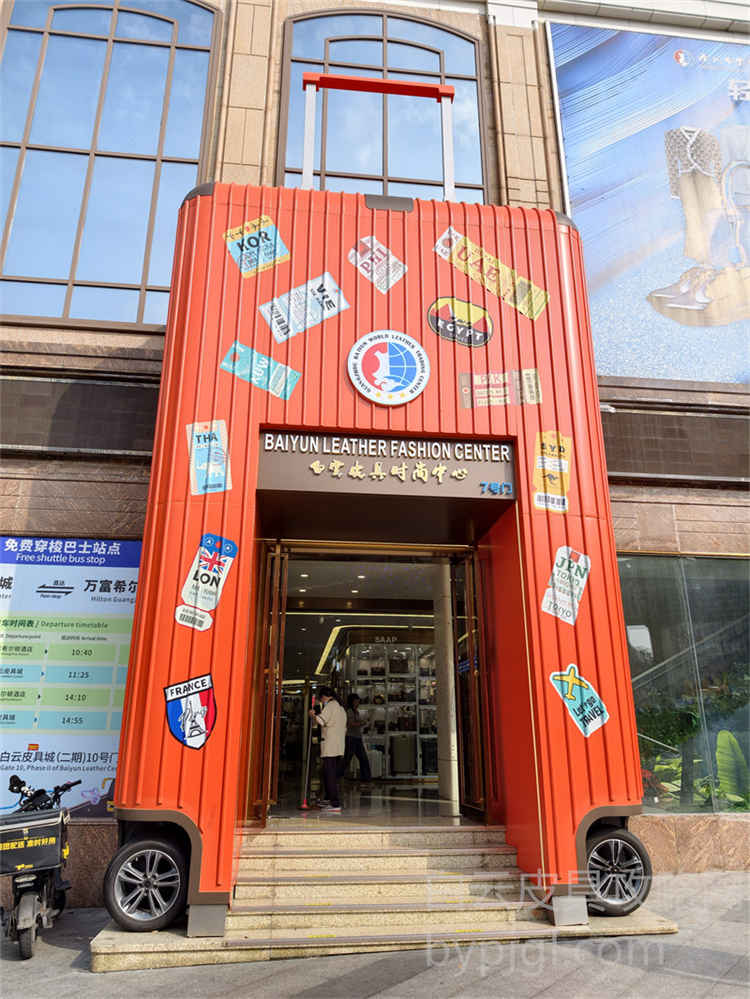
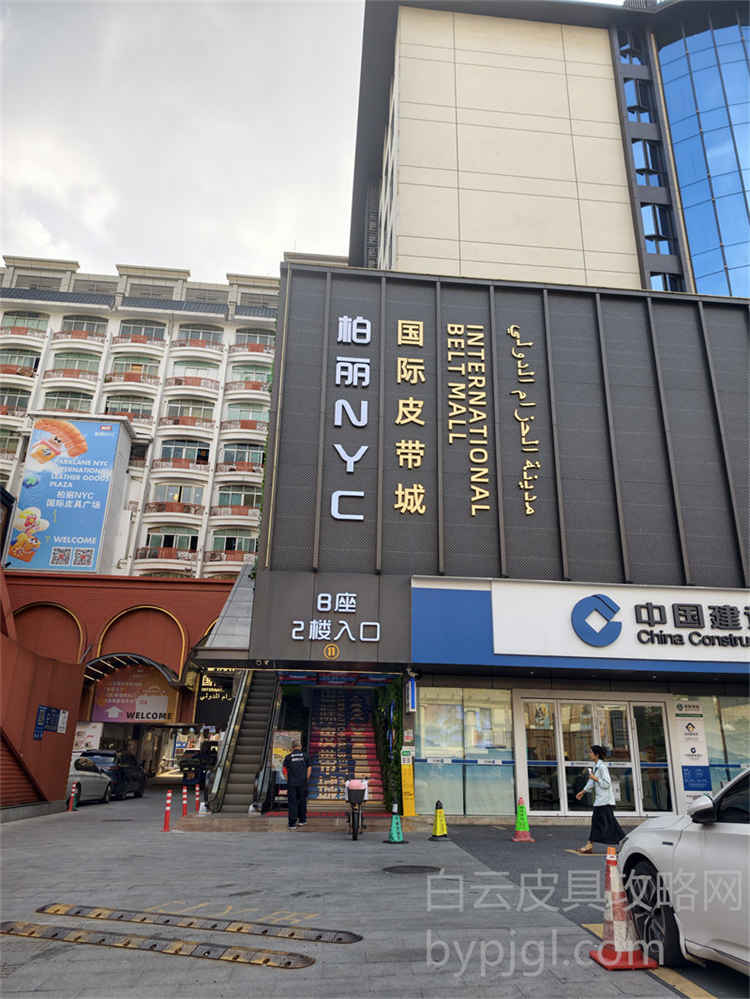
Most people think all the good stuff is in one building. They walk into the main entrance of the Baiyun Leather World and stop at the first floor. Big mistake. The first floor is mostly for tourists and small retail shops selling knock-offs at inflated prices. If you are serious about bulk orders, you need to go deeper. The real action happens on the upper floors and in the side alleys connecting the different buildings.
Floor by Floor Strategy
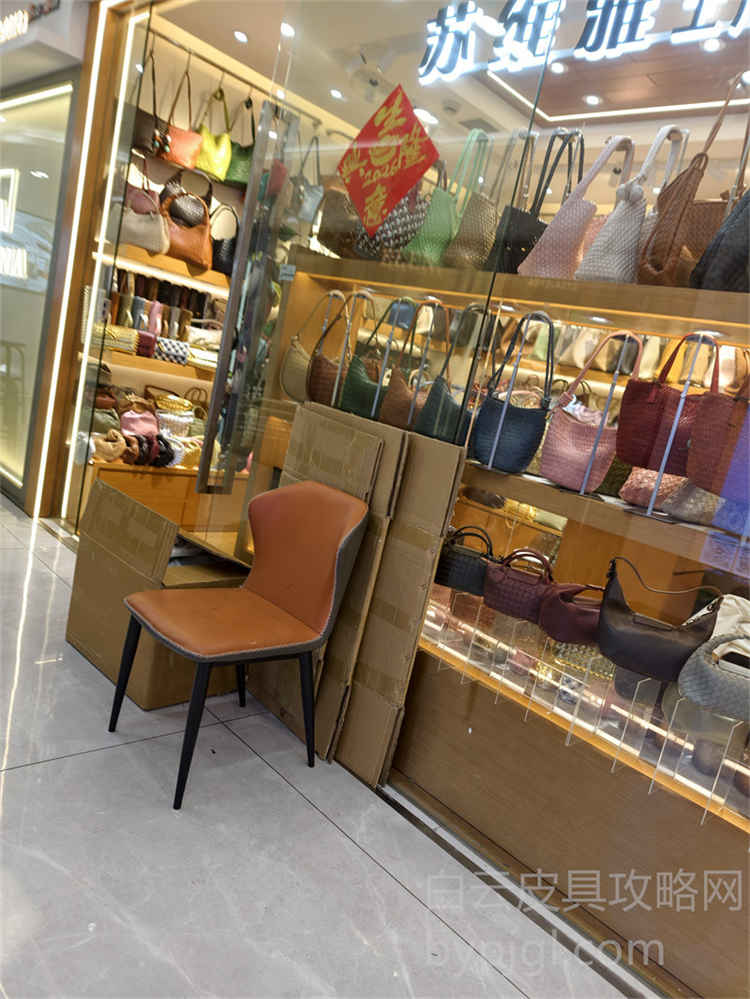
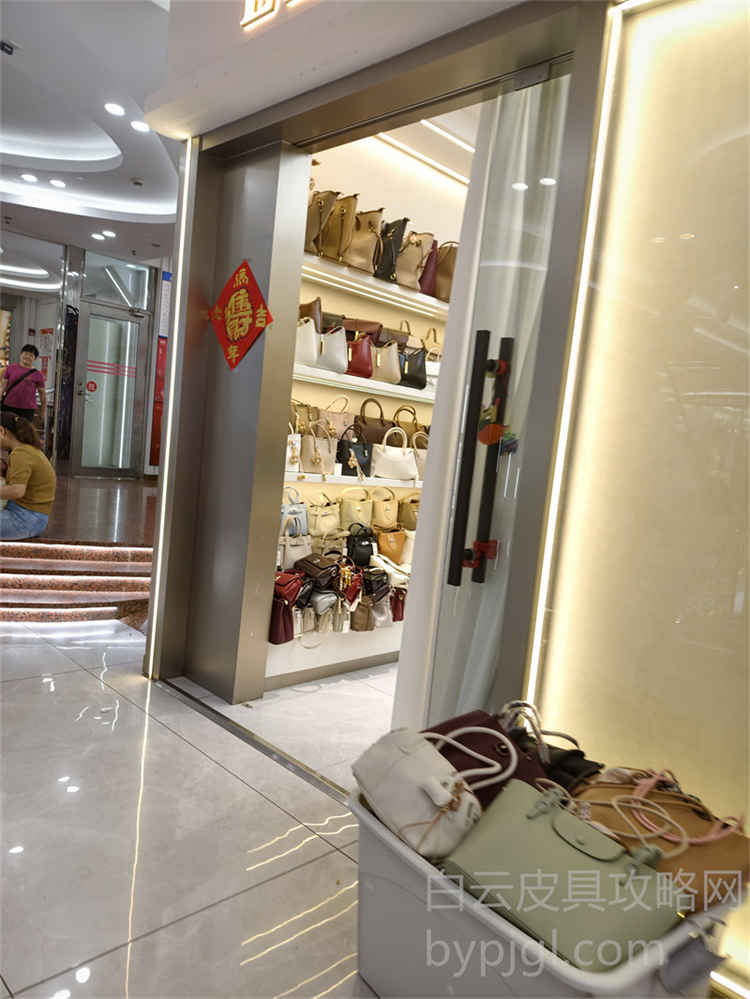
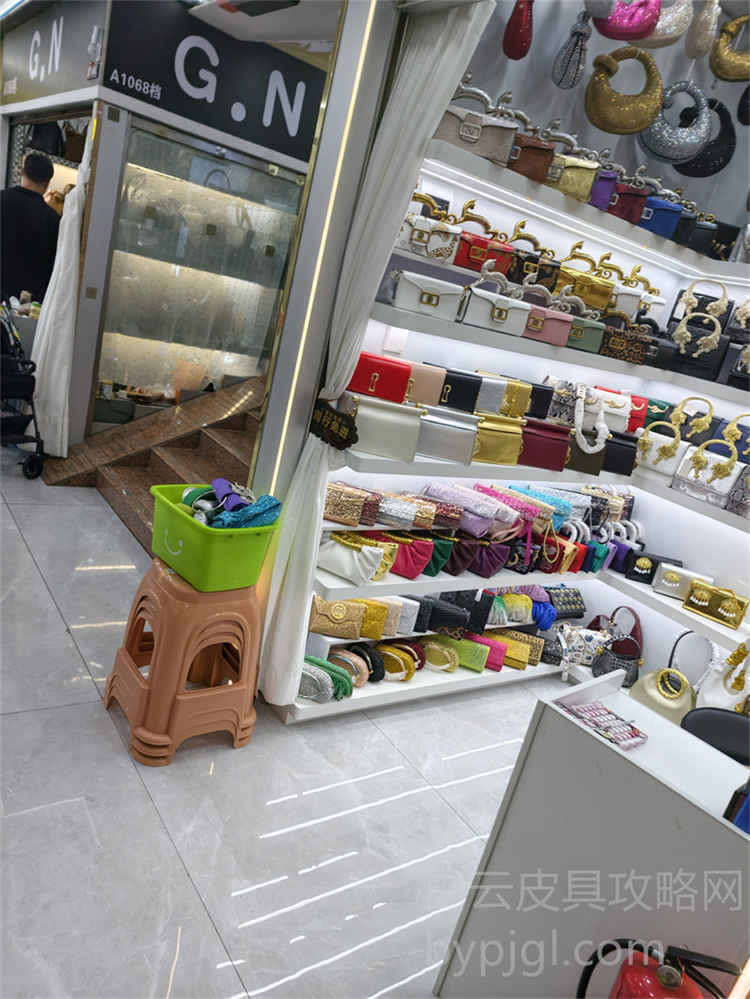
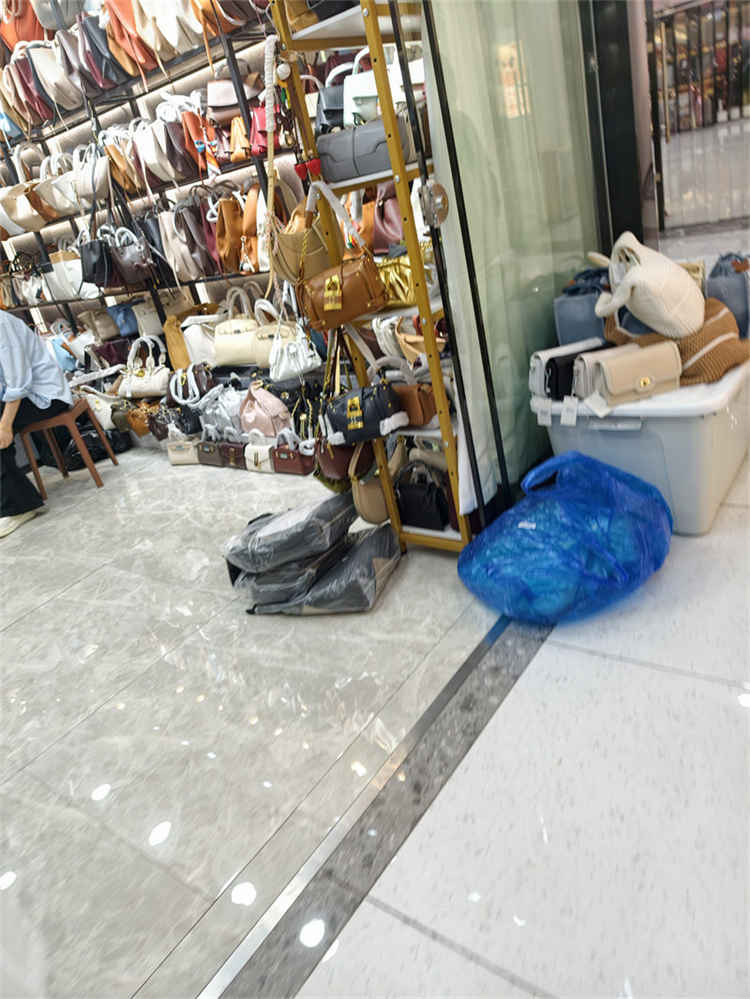
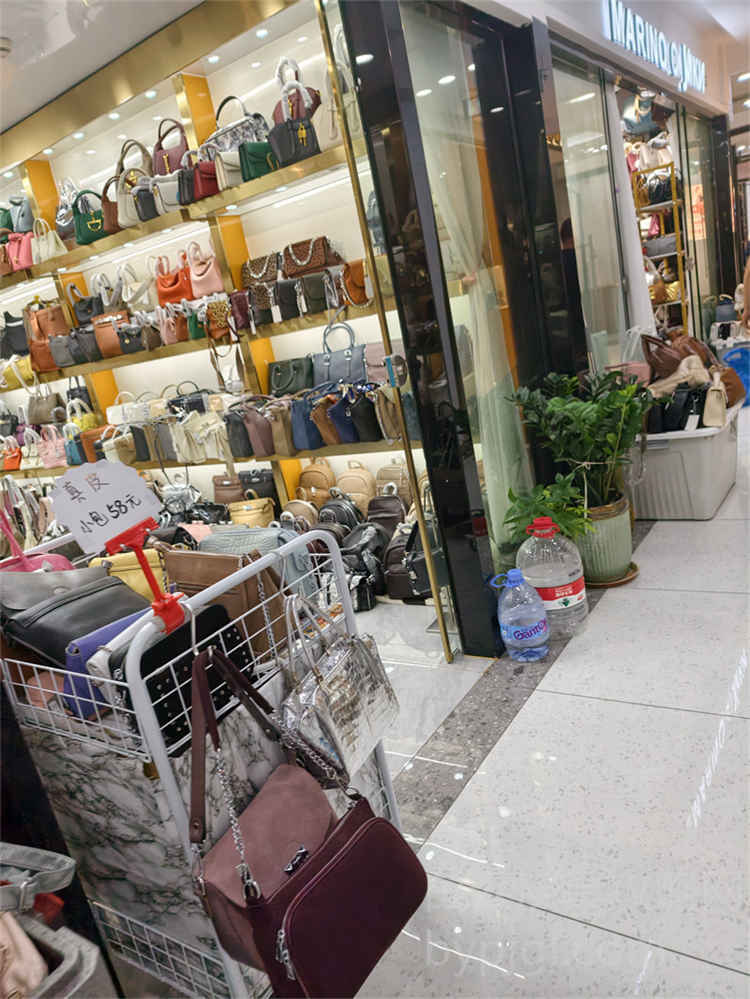
Let's break down the geography. On the ground floor of the main building, you will see flashy displays with brand logos everywhere. Avoid these unless you want to pay retail prices. Head straight up to the third and fourth floors. This is where the actual wholesalers operate. These aren't showrooms; they are storage areas with racks of bags stacked high. You will smell the glue and the leather dust, and that is a good sign. It means production is happening right there.
For example, if you are looking for high-end replicas or custom OEM work, the best spots are often in the back corridors of Building A and Building B. I have a specific contact list in my head. Take "Golden Eagle Leather Factory" on the fifth floor of Building C. They specialize in structured handbags. Their owner, Uncle Li, doesn't speak much English, but his sample book is legendary. He shows you the stitching density, the hardware weight, and the lining material without saying a word. Another gem is "Skyline Accessories" on the second floor of the adjacent mall. They focus on zippers and clasps, which is crucial because a bad zipper ruins a $50 bag faster than anything else.
How to Spot Quality Without Getting Scammed
When you walk into a stall, the seller will immediately try to sell you the "top tier" version. They will tell you it is the same as the luxury brands. Don't believe them until you touch it. In my experience, the difference between a $20 bag and a $200 bag is often hidden in the details that most overseas buyers miss.
The Hardware Test
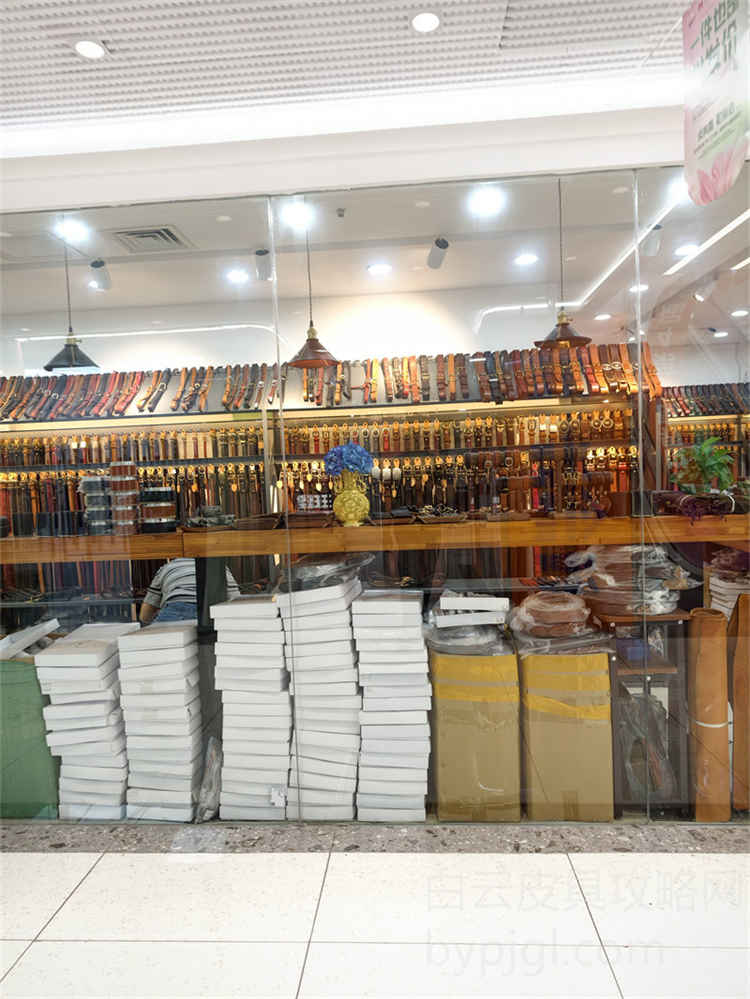
Here is a trick I use every single day. Pick up the bag and feel the weight of the chain or the clasp. Cheap hardware feels light, hollow, and cold. Good hardware has substance. At "Elite Craft Studio" on the fourth floor, they use solid brass plating. When you click the lock, it should sound like a heavy metal door closing, not a plastic snap. I once saw a buyer order 500 units from a stall on the first floor because the price was too good. Two weeks later, the zippers started jamming. The cost of replacing those zippers alone wiped out their entire profit margin.
The Smell and the Stitching
Smell the leather. If it smells like chemicals or strong glue, run away. Real leather or high-grade PU should have a distinct, earthy scent. Look at the stitching. Count the stitches per inch. If the lines are uneven or loose, the factory is cutting corners. I remember a client who ordered from a stall near the subway exit. The bags looked perfect in the photos, but when they arrived, the thread was unraveling at the handles. We checked the factory, and they were using a machine that hadn't been calibrated in years. Always ask to see the raw materials before placing an order.
Negotiation Tactics That Actually Work
Price negotiation in Guangzhou is an art form. Sellers expect you to haggle. If you accept the first price, they know you are a tourist or a newbie. But do not start by offering half the price. That insults them. Start by asking for the "best price for a regular customer."
The Volume Leverage
Here is the data point that matters: Most stalls have a minimum order quantity (MOQ) of 50 pieces for mixed styles. If you can commit to 100 pieces, you can usually knock 10-15% off the unit price. However, if you want to customize the logo or change the color, the MOQ jumps to 300. I had a client who wanted to order 200 bags with a custom logo. The initial quote was $45 per bag. After showing him the volume potential and promising future orders, we got it down to $38. That is a $1,400 saving on a single shipment.
Payment Security
Never pay 100% upfront via Western Union or direct bank transfer unless you have worked with them for years. The standard practice here is 30% deposit and 70% before shipping. For new relationships, I always recommend using Alibaba Trade Assurance or a third-party escrow service. It protects you if the goods arrive damaged or if the quality doesn't match the sample. I have seen too many buyers lose money because they trusted a handshake deal.
Common Pitfalls and How to Avoid Them
Even after 15 years, I still see mistakes being made. Here are the top three pitfalls I encounter weekly.
The Sample Trap
Sellers often send you a "golden sample" that looks perfect. Then, when you place the bulk order, they send you the "factory standard" version, which is significantly lower quality. To avoid this, insist on a pre-production sample that matches the bulk order exactly. Pay extra for it if you have to. I tell my clients to bring a tape measure and a scale to the factory. Measure the strap length, weigh the bag, and compare it to the sample. If it deviates by more than 5%, reject the batch.
The Logistics Nightmare
Many buyers forget to factor in shipping costs and customs duties. A bag might cost $20, but with air freight, insurance, and customs, it could end up costing $45. Always calculate the landed cost before setting your retail price. Use a reliable forwarder who knows the Guangzhou market. I recommend working with "Swift Cargo Solutions" located right next to the Baiyun market. They handle everything from pickup to customs clearance in the US or Europe.
Summary of Key Contacts and Locations
To make sure you don't waste time wandering aimlessly, here is a quick reference guide based on my daily operations.
| Market Area | Specific Location | Specialty | Recommended Contact/Name |
|---|---|---|---|
| Baiyun Leather City | Building A, 4th Floor | Structured Handbags | Golden Eagle Leather Factory (Uncle Li) |
| Baiyun Leather City | Building B, 2nd Floor | Hardware & Accessories | Skyline Accessories |
| Baiyun Leather City | Back Corridor, 5th Floor | Custom OEM & Logo | Elite Craft Studio |
| Side Market | Next to Subway Exit | Low Cost Retail | Avoid for Bulk Orders |
| Logistics | Adjacent to Market | Shipping & Customs | Swift Cargo Solutions |
Walking the floors of Guangzhou is not just about buying bags; it is about building relationships. The sellers here respect persistence and knowledge. If you come in prepared, ask the right questions, and understand the value chain, you will find deals that online platforms simply cannot match. Remember, the best price is not the lowest number on the tag; it is the best value for your specific business model. Go to the market, touch the leather, and trust your gut. That is the only way to succeed in the TFTF Guangzhou bag wholesale game.