Real Talk: What It Actually Costs to Source Bags in Guangzhou
Welcome to the real deal. I've been standing behind my counter at the Baiyun Leather City for over fifteen years, watching thousands of foreign buyers walk through those heavy glass doors. You come here asking one simple question: "How much does a bag cost?" But if you think there is a single price tag on every item, you are already lost before you even start. In this market, the price isn't just about the leather or the zipper; it is about where you stand, who you talk to, and how well you can read the room.
Let me be honest with you. When you first step into the bustling corridors of the Baiyun area, you will see bags ranging from fifty yuan to five thousand yuan. That is a massive gap. The reality is that the "wholesale price" depends entirely on the tier of quality you are hunting for. We have the low-end street vendors selling basic PU leather goods for pocket change, but we also have the high-end workshops producing top-tier calfskin that rivals anything you see in luxury boutiques. My job as an old shop owner is not just to sell you a bag, but to guide you to the right factory line so you don't waste your time or money.
Navigating the Market Floor: Where Quality Lives
The Difference Between the Main Halls and the Back Rooms
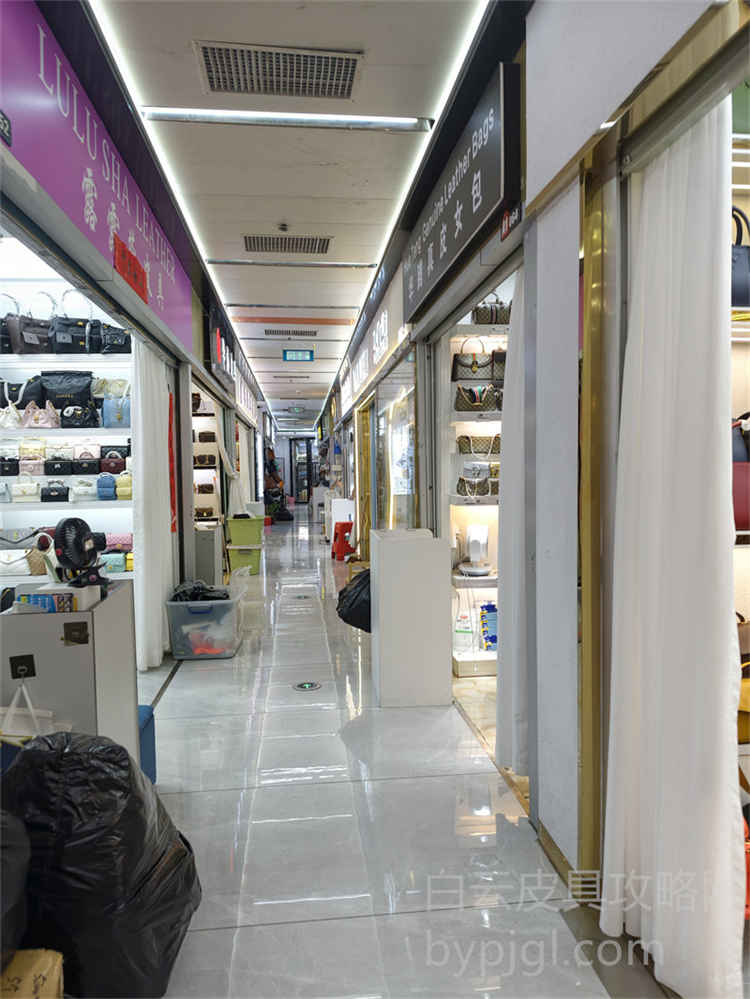
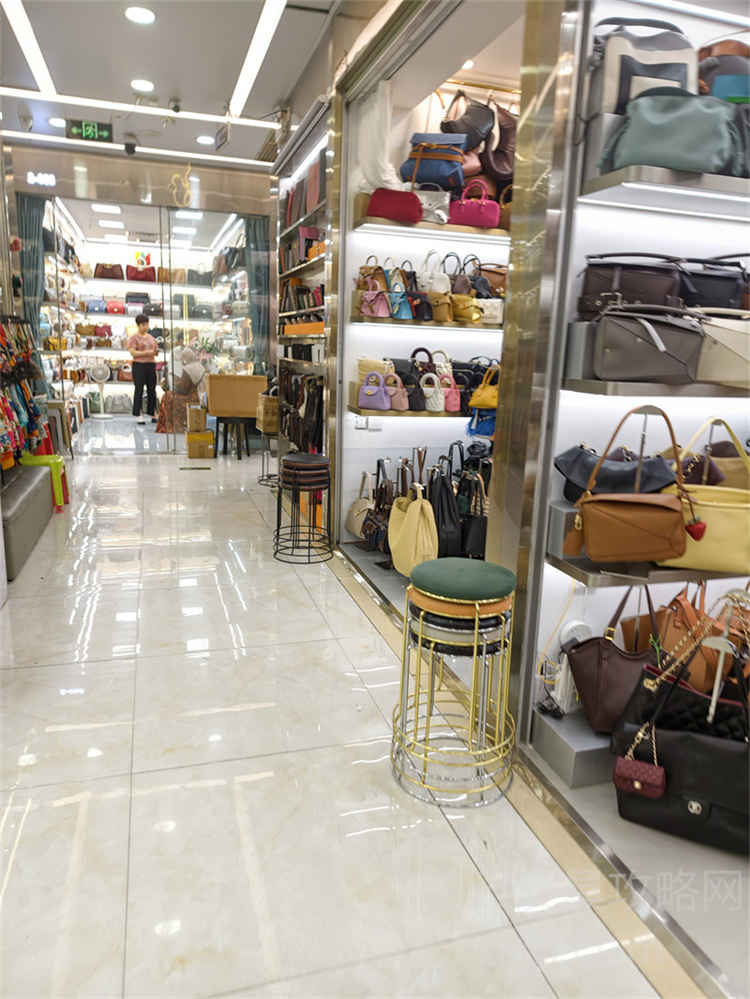
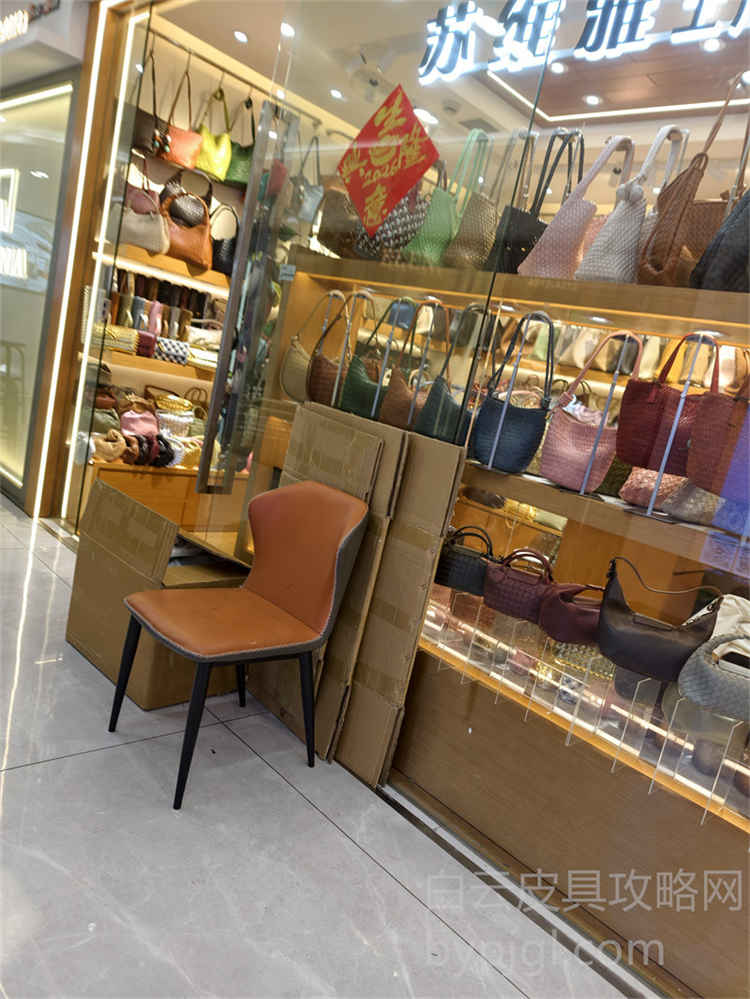
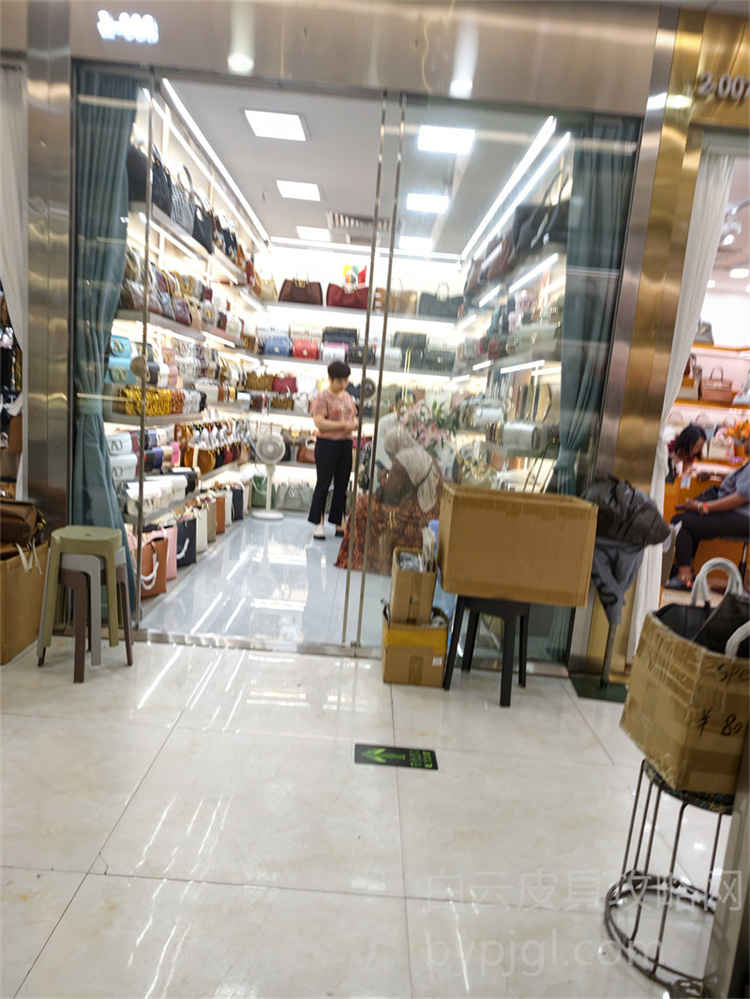
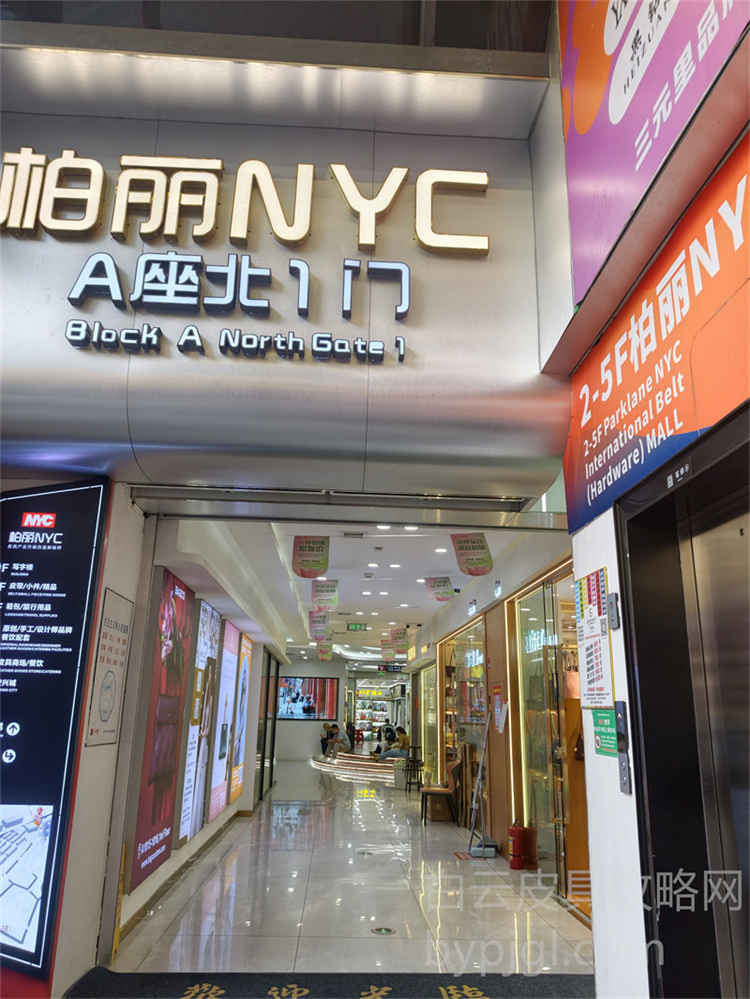
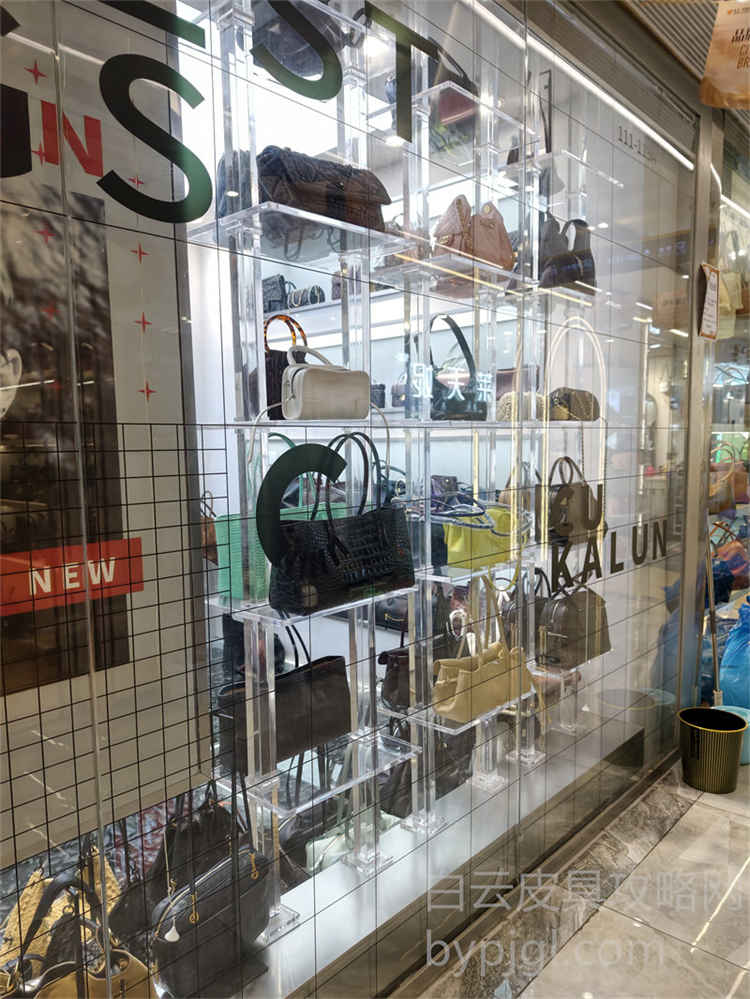
You cannot just wander into the main atrium of the Baiyun Leather City and expect to find the best deals. The ground floor is often filled with showrooms designed for tourists and casual shoppers. The prices here are marked up significantly because these shops pay high rent and cater to walk-in traffic looking for souvenirs. If you want real wholesale pricing, you need to dig deeper. Go to the upper floors, specifically the third and fourth levels, or better yet, ask around for the "back rooms."
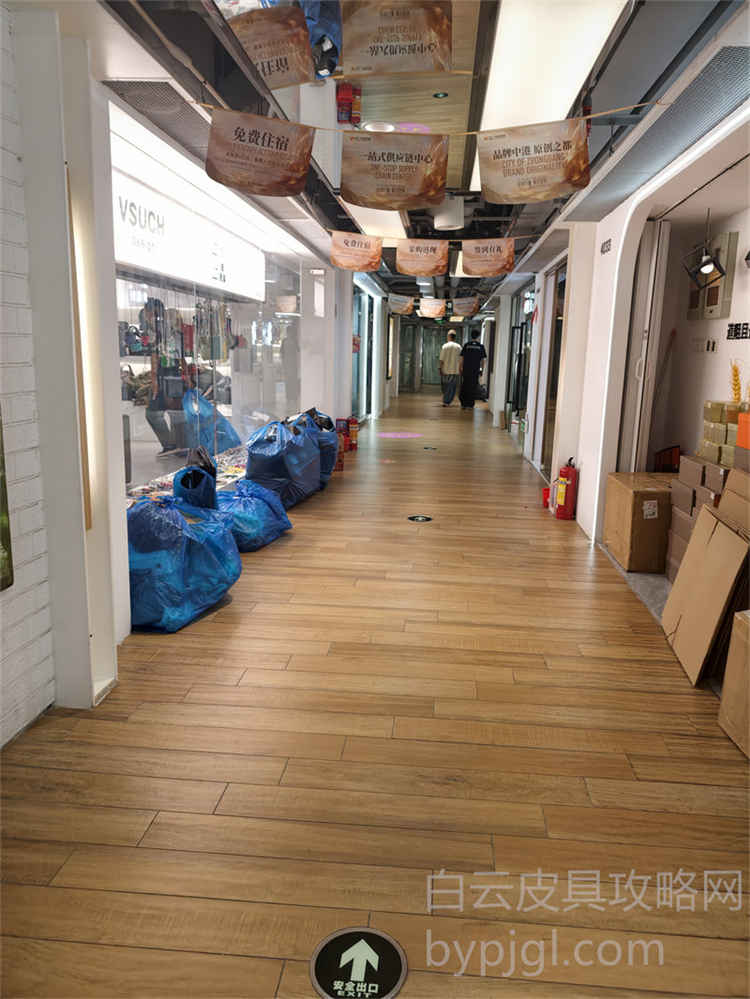
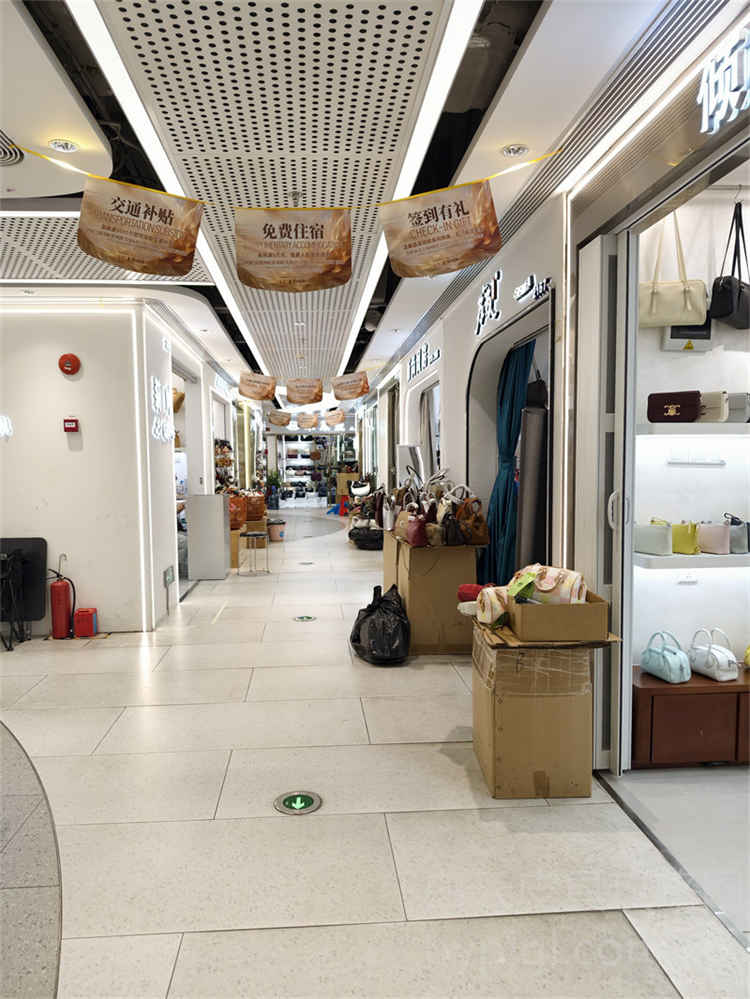
These back rooms are where the serious business happens. They are often tucked away in narrow alleys or inside office buildings connected to the main market complexes like the World Trade Center or the Qianxi Plaza. This is where the factories keep their samples. Here, the atmosphere changes. There are no flashy displays, just stacks of boxes and racks of unfinished goods. This is where you will find the true source prices. I tell my regular clients: skip the front desk, go straight to the production manager. That is where the margins are real.
Reading the Room: How to Spot the Real Wholesalers
When you approach a stall, look at the people working there. Are they just smiling and taking photos? Or are they busy packing orders, checking zippers, and arguing about fabric rolls? A genuine wholesaler is usually busy. They don't have time to chat endlessly unless you are ready to buy. If a seller starts talking about "designer inspiration" or shows you pictures of famous logos, run away. We do not deal in that here. We deal in craftsmanship.
Look for the variety of materials on display. A serious supplier will have swatches of Italian cowhide, French lambskin, and high-grade synthetic options laid out on the table. They will explain the difference between full-grain and corrected grain without hesitation. If they only have one type of shiny black bag and refuse to show you the raw materials, they are likely middlemen reselling goods from someone else. Middlemen add a layer of cost that eats into your profit margin. Find the person who owns the machine, not the person who just sells the box.
The Art of Negotiation and Sourcing Strategy
Understanding MOQ and Tiered Pricing
One of the biggest mistakes new buyers make is trying to buy one piece at a wholesale price. In Guangzhou, the concept of Minimum Order Quantity (MOQ) is king. For the standard quality bags, you might need to buy ten pieces to get the base price. For custom designs or premium leather, the MOQ jumps to fifty or even a hundred units. However, this is negotiable if you build a relationship.
Here is the trick: start by asking for the price of a single sample. Most shops will charge you double the wholesale rate for a sample, which is fair because they are cutting a special piece of leather just for you. once you order the sample and verify the quality, you can negotiate the bulk price. Tell them, "I am testing the market. If this batch sells well, I will place a larger order next month." Many owners will give you a discount on the sample fee if you promise to reorder. This builds trust. Do not try to bluff them; they know exactly what the market rates are. Be transparent about your volume expectations.
Inspection: Don't Trust Your Eyes Alone
When you are sitting in the back room, do not just look at the finished product. Bring a magnifying glass if you have to. Check the stitching. Is it straight? Are there loose threads? Look at the lining. Does it feel cheap or durable? Pay attention to the hardware. Open and close the zippers repeatedly. Feel the weight of the metal. Cheap hardware tarnishes quickly and ruins the perception of the entire bag.
I always tell my international partners to bring a friend who knows leather. Sometimes, our eyes get tired after hours of walking, and we miss small defects. Ask to see the "production line" version of the bag, not just the perfect showroom sample. The sample might be hand-stitched perfectly, but the mass-produced version might have slight variations. If you are ordering fifty units, you need to know what those fifty units will actually look like. Request a video call from the workshop floor before you finalize payment. This transparency is crucial for avoiding disappointment when the shipment arrives.
Logistics and Avoiding Common Pitfalls
Payment Security and Shipping Realities
Never send money via Western Union or direct bank transfer without a contract. In the Baiyun market, the safest way is to use Alipay or WeChat Pay directly with the shop owner's verified account, or meet at a secure escrow service. If you are dealing with a large order, insist on a deposit system, typically 30% upfront and 70% before shipping. This protects both parties.
Regarding shipping, many suppliers offer to handle logistics for you, but be careful. Some might pack your bags poorly to save on box costs, leading to damage during transit. Always request that they use reinforced packaging. If you are importing from Guangzhou Baiyun Leather City, understand that customs duties vary wildly depending on your country. Factor this into your final cost calculation. Do not assume the price you paid includes everything. The "door-to-door" price is often higher than the "ex-factory" price due to freight and taxes.
Beware of the "Too Good to Be True" Trap
If you see a bag made of full-grain leather with gold-plated hardware being sold for twenty dollars, it is a scam. High-quality materials cost money. Labor in China is getting more expensive, and good leather is imported. If a price seems too low, the quality will inevitably suffer. You might end up with a bag that falls apart after a week. As an old owner, I would rather lose a sale than sell you a bad product that ruins my reputation. Stick to the mid-range pricing for the best balance of quality and value.
Building a long-term partnership is better than finding the cheapest deal once. Visit us again and again. Show us your brand vision. When we know you are serious, we treat you like family. We share new trends, we help you customize designs, and we ensure your supply chain remains stable. That is the real value of sourcing in Guangzhou. It is not just about buying a bag; it is about building a business foundation on solid ground.