Why Guangzhou is the Secret Weapon for Your Bag Business
Welcome to the real deal. I've been standing behind my counter in the Baiyun district for over fifteen years, watching thousands of buyers come and go. Some are seasoned pros who know exactly what they want, and others are first-timers who walk in wide-eyed, ready to get scammed or overwhelmed. Let me tell you something straight: if you are looking for high-quality leather goods at prices that actually make sense for your business model, there is no better place on earth than here in Guangzhou. Forget what you read online about "replica" markets; we are talking about a massive ecosystem of manufacturing, design, and wholesale that powers the global fashion industry.
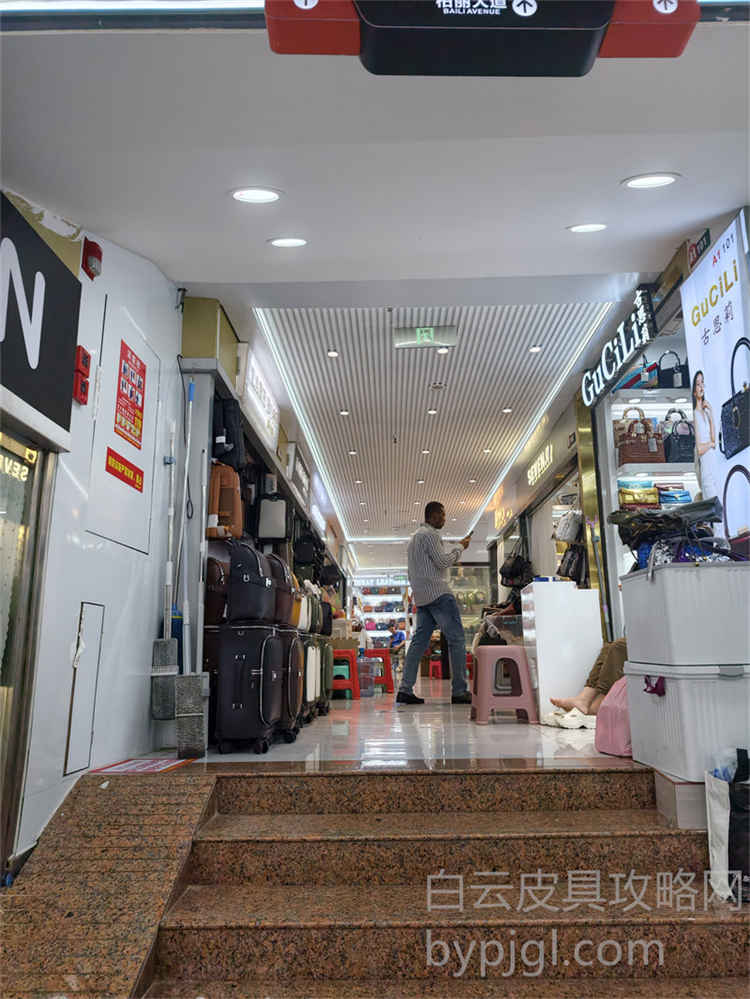
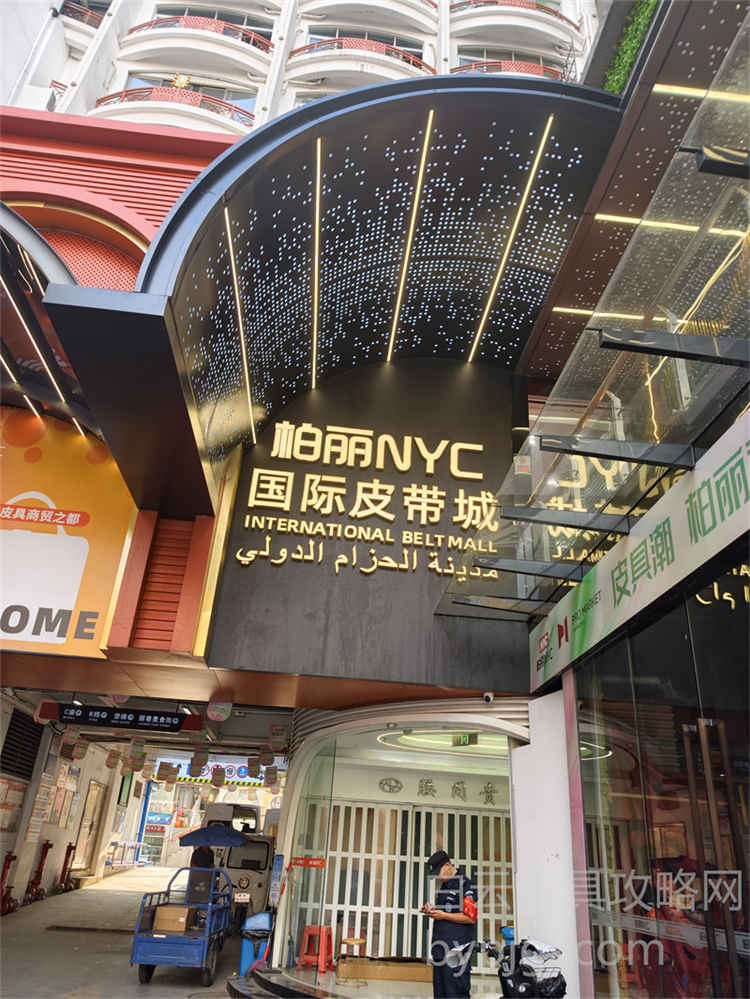
The sheer scale of this place is hard to grasp until you step off the subway and into the humid air of the Baiyun area. You will see endless rows of trucks loading up with boxes, and inside the buildings, it is a maze of corridors filled with the smell of fresh leather and glue. This isn't just a market; it is the heartbeat of the industry. When you buy here, you aren't just purchasing a product; you are cutting out the middlemen, the importers, and the markup layers that usually kill your profit margins. My advice? Come with an open mind, but keep your eyes sharp.
Navigating the Maze: Which Market Should You Visit?
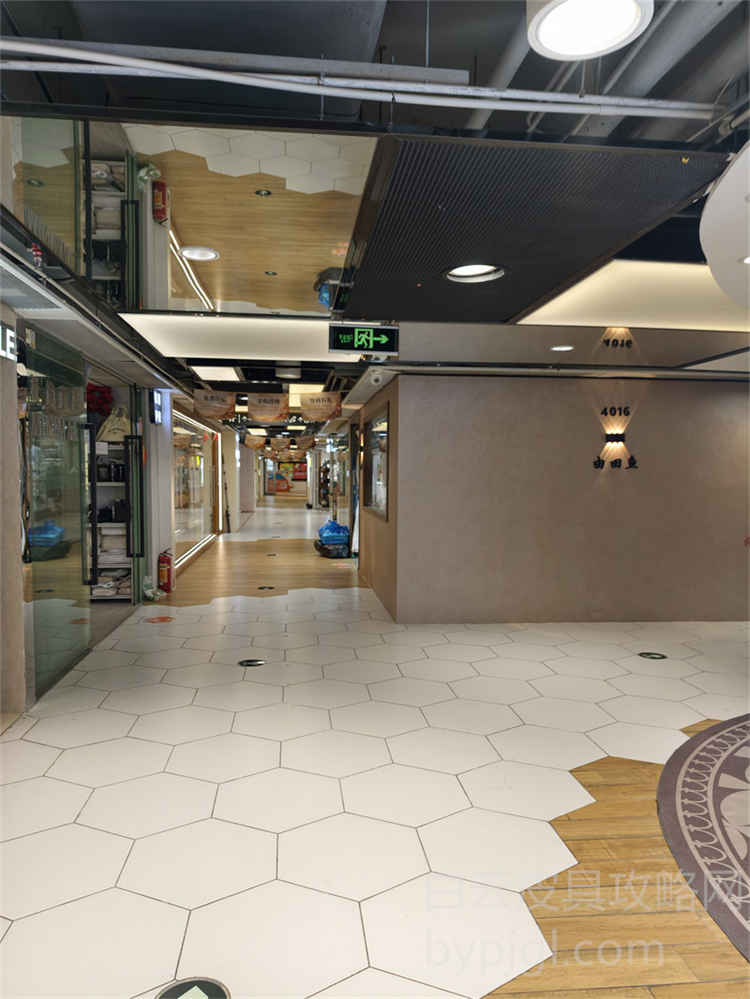
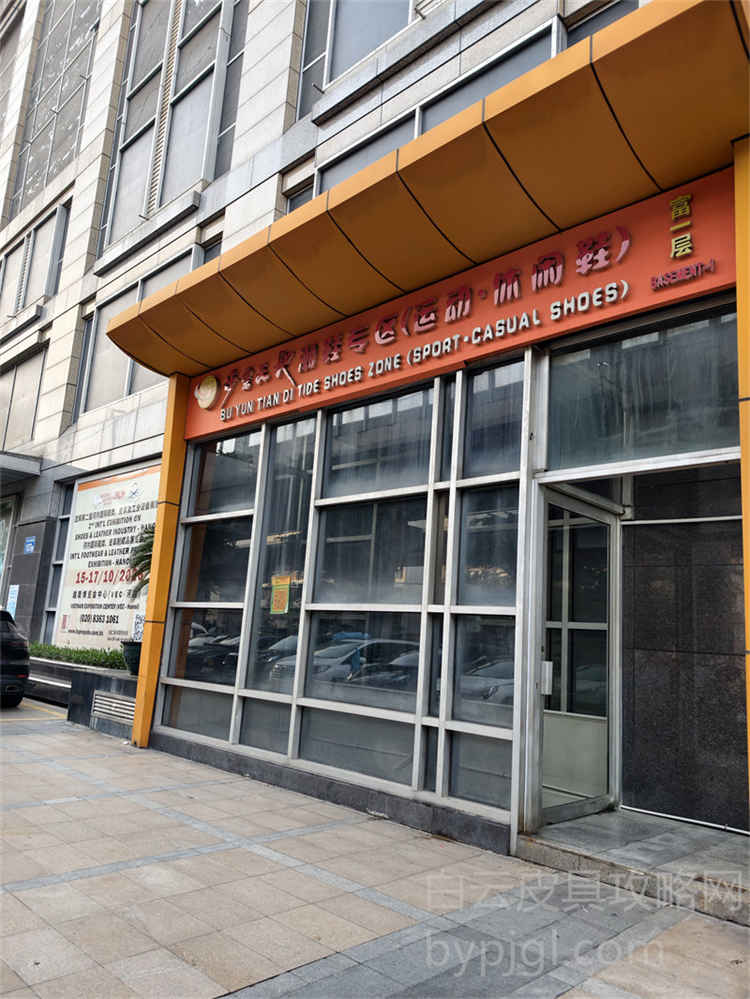
First things first, don't just show up at one building and expect to find everything. The Baiyun district is a cluster of several major hubs, each with its own vibe and specialty. If you are new here, start at the iconic World Leather Trade Center. It is the biggest, the most modern, and the easiest to navigate. The layout is logical, and the vendors here are used to dealing with international clients. They speak enough English to get by, and more importantly, they understand the concept of quality tiers.
Finding the Right Counter
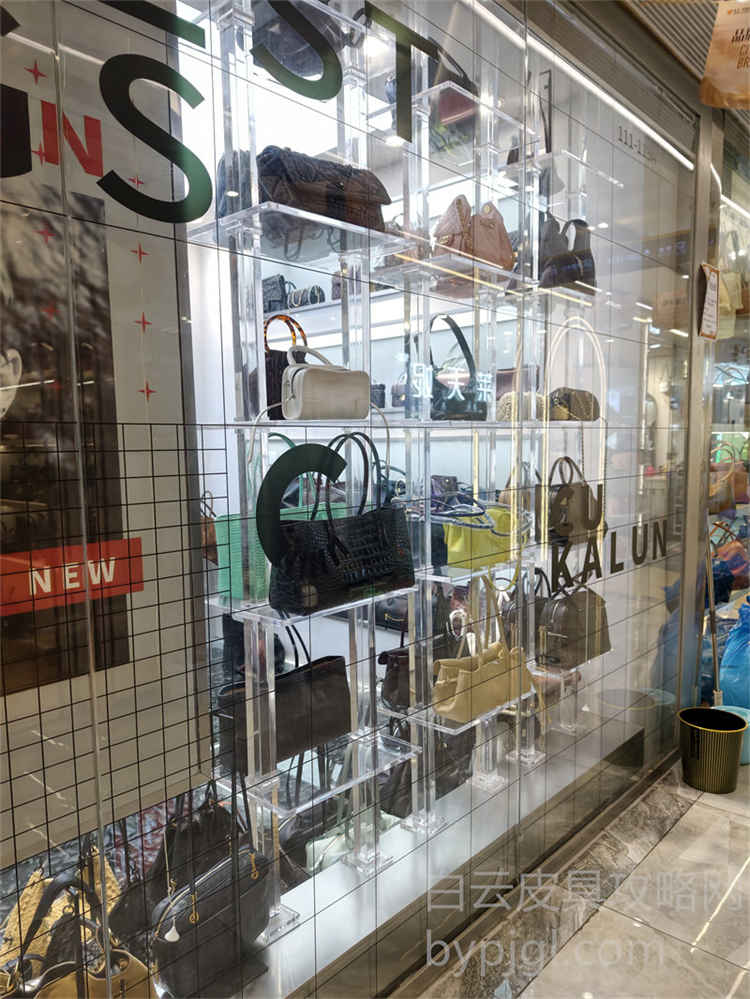
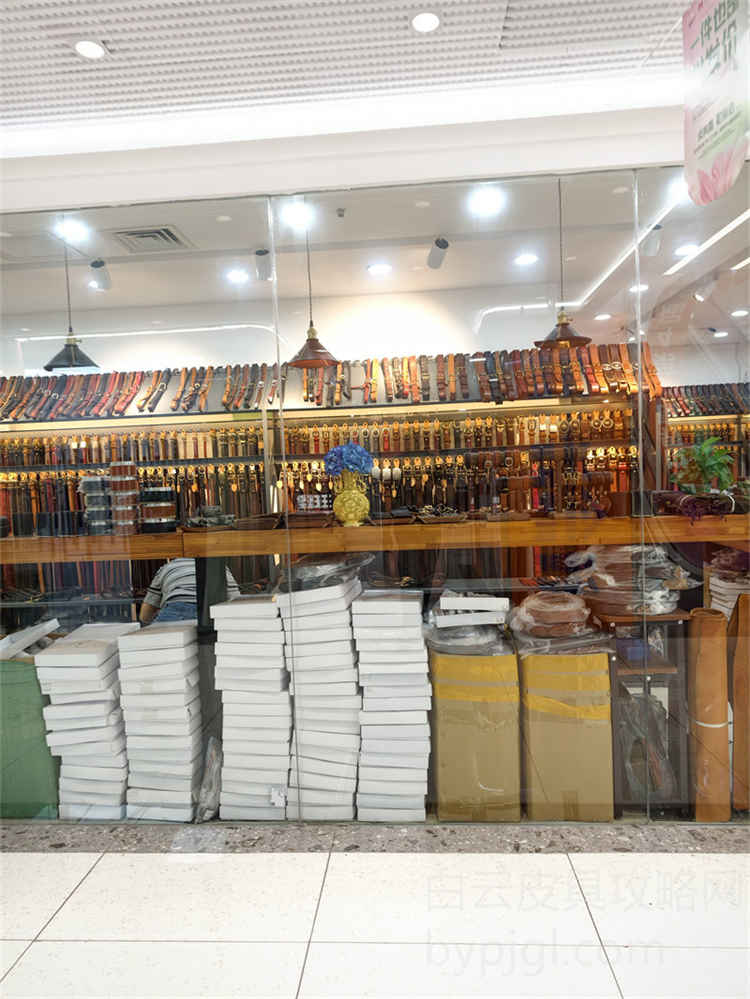
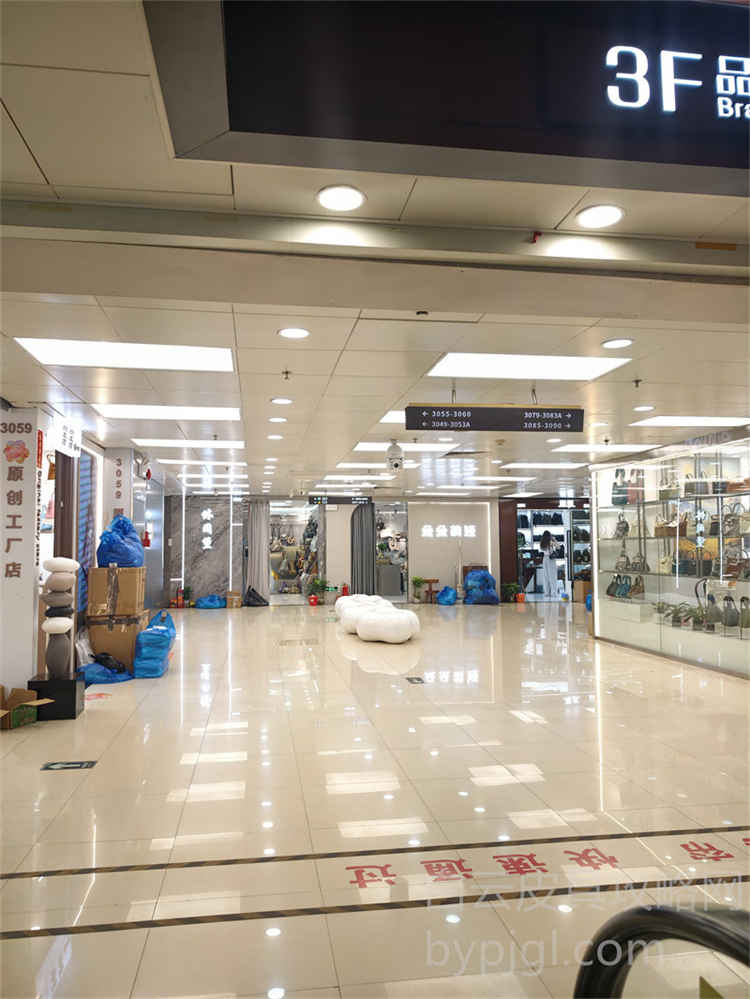
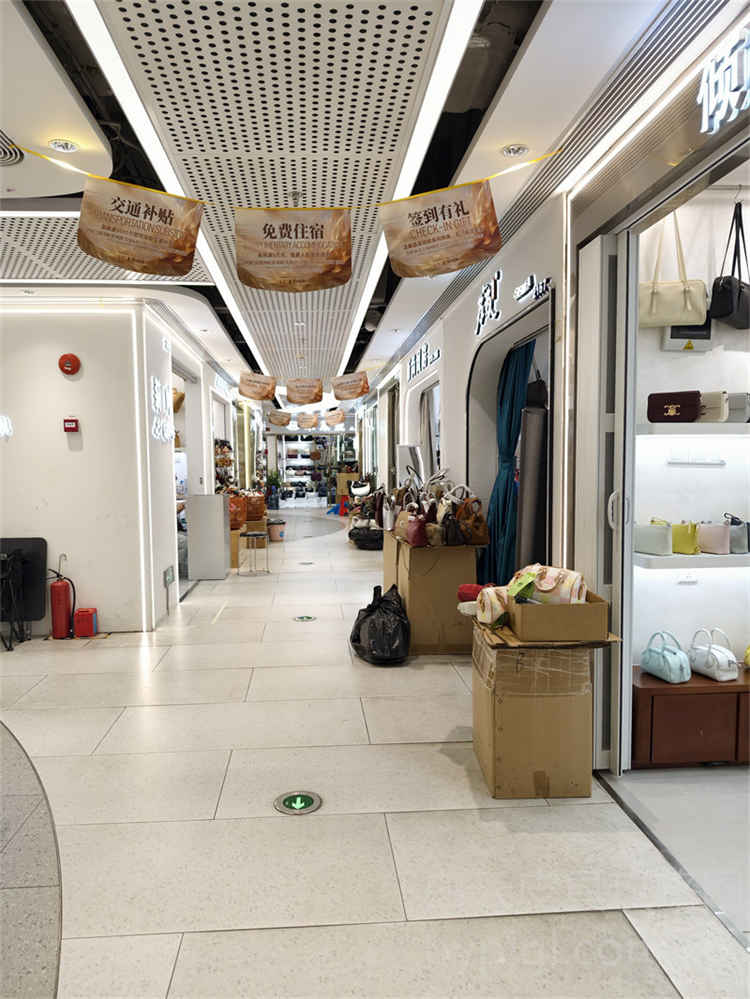
once you are inside, do not rush. Walk every floor. Look for the counters that have stacks of finished bags rather than just samples hanging on hooks. A good vendor will have their best work displayed prominently. Notice how some shops have multiple brands of tags while others focus on specific styles. That tells you a lot about their supply chain. If you are hunting for trendy, fast-fashion items, look for the smaller stalls in the upper floors where the turnover is quick. If you need premium craftsmanship, head to the ground floor or the dedicated luxury sections where the lighting is brighter and the staff is more patient.
The Power of Relationships
Here is a secret that many foreign buyers miss: the best deals are not always on the price tag. They are in the relationship. In these markets, trust is currency. If you treat the shop owner like a stranger, you will pay the retail price. If you treat them like a partner, you will get the wholesale rate. I often tell my customers to bring a small gift or simply be polite and respectful. A handshake goes a long way. once you establish a rapport, the vendor will show you the pieces they haven't put out on display yet. These are the hidden gems, the prototypes, and the exclusive designs that never hit the general catalog.
The Art of Selection: What to Look For Before You Buy
When you are standing in front of a pile of bags, it is easy to get distracted by the shiny hardware or the bold colors. But as someone who has seen thousands of transactions, I can tell you that the details matter most. Do not just touch the surface; inspect the stitching. Good stitching is tight, even, and consistent. If you see loose threads or uneven spacing, walk away. That bag might look fine from three feet away, but it will fall apart in three months.
Checking the Leather
Smell the leather. Real leather smells distinct and rich, while synthetic materials have a chemical odor. Run your fingers over the grain. High-quality leather should feel soft but durable. Ask the vendor what grade of leather they use. Many of us in Baiyun offer options ranging from top-grain cowhide to imported Italian calfskin. Don't be afraid to ask for a comparison. Hold two bags side by side. Feel the weight difference. The heavier bag often indicates denser, better material. Also, check the lining. A cheap lining is a red flag for poor construction. We pride ourselves on using sturdy linings that match the durability of the exterior.
Hardware and Zippers
Open and close the zippers repeatedly. Do they glide smoothly or do they stick? Check the metal clasps for plating thickness. Cheap plating wears off quickly, leaving ugly green or black marks on your clothes. In our market, we source hardware from specialized factories in Dongguan, so the quality is generally high. But you still need to verify it yourself. Ask the vendor to show you the hardware supplier's certificate if they claim it is premium. Transparency is key.
Dealing and Logistics: Getting Your Goods Home Safely
once you have picked your items, the negotiation begins. Here, prices are rarely fixed. The initial quote is just a starting point. Be prepared to haggle, but do it respectfully. Start by asking for the "best price for a bulk order." If you are buying ten pieces, you should get a significant discount compared to buying one. Mention that you plan to return next season. Vendors love repeat business, and that leverage works in your favor.
Payment and Shipping
For payment, we accept various methods, including bank transfers and digital wallets. Always ensure you get a proper invoice or receipt that lists the item details and the agreed price. Regarding shipping, most vendors have established relationships with freight forwarders who specialize in international logistics. They can handle customs clearance and arrange door-to-door delivery. However, do not rely solely on the vendor's suggestion. Ask for quotes from a few different forwarders to compare rates and transit times. Some forwarders are faster but more expensive, while others are cheaper but take longer. Choose based on your urgency.
Avoiding Common Pitfalls
One of the biggest mistakes I see is buyers rushing the process. Do not sign anything you do not fully understand. Make sure the contract specifies the exact specifications of the goods, including color codes, dimensions, and material types. Ambiguity leads to disputes later. Also, be wary of vendors who promise "too good to be true" prices. If a bag costs fifty dollars to make and they sell it to you for twenty, something is wrong. It could be fake leather, poor construction, or a scam. Stick to vendors who have been in business for years and have a physical presence in the market. Trust your gut instinct. If something feels off, it probably is.
Guangzhou is a city of opportunity, but it rewards those who are prepared. Take your time, explore the markets, build connections, and inspect every detail. With the right approach, you can source incredible products that will set your brand apart. I have seen countless businesses grow from a single visit to my shop into global empires. All it takes is the right strategy and a bit of local wisdom. Welcome to the family, and let's get to work.