Why I've Been Selling Bags in Guangzhou for Over a Decade
If you are reading this, chances are you are planning your first trip to the leather goods capital of the world. You have probably heard whispers about the massive markets in Baiyun District, and maybe you stumbled upon a name like "Dipai" while scrolling through forums or asking friends who have been there before. Let me be honest with you: walking into these markets without a local guide is like trying to find a needle in a haystack while blindfolded. I have spent more than fifteen years standing behind my counter in the Dipai area, watching thousands of buyers come and go. Some leave with incredible deals, while others walk away empty-handed or worse, stuck with low-quality stock they cannot sell.
The truth is, the market here has evolved. It is no longer just about finding cheap copies; it is about building relationships, understanding quality tiers, and knowing exactly where to look for the best craftsmanship. When people ask me about Dipai, I tell them it is one of those hidden gems that serious buyers know about but tourists often miss. It sits right in the heart of the action, surrounded by the chaotic energy of Baiyun International Leather City, yet it offers a slightly more focused environment for those looking for specific styles and reliable suppliers. My goal today is to share the real, unfiltered experience of how to navigate this landscape successfully.
Navigating the Dipai Market Layout and Atmosphere
Understanding the Physical Space
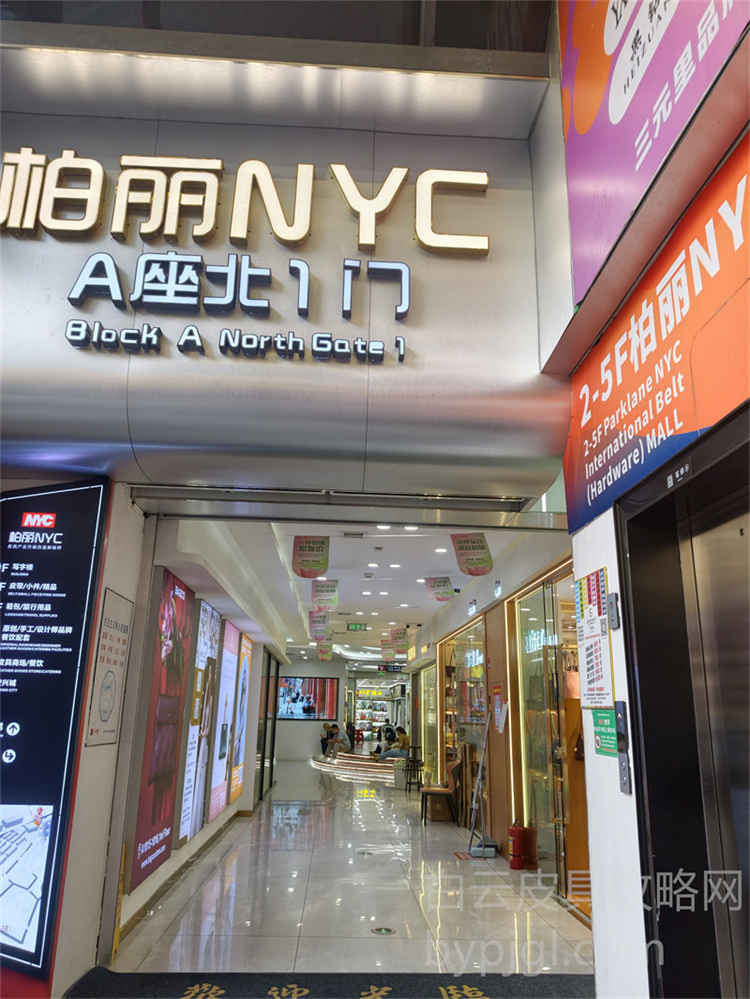
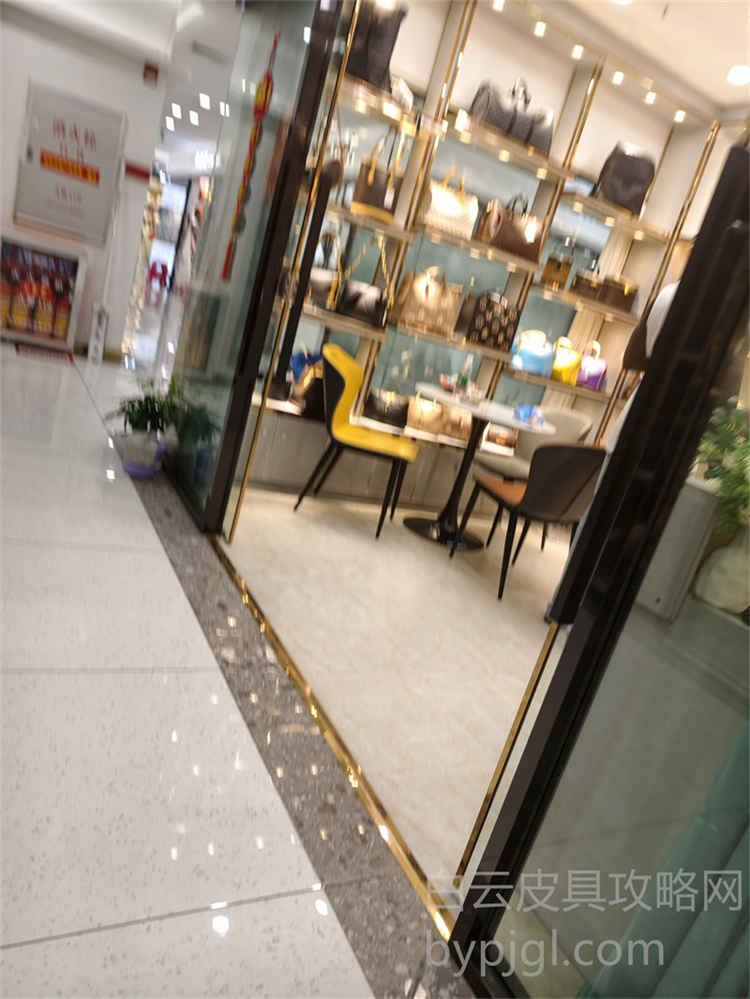
First things first, let's talk about the layout. Unlike the giant, maze-like structures of some other malls in Guangzhou, Dipai feels more like a tight-knit community of specialized stalls. The corridors are narrower, which means the foot traffic is dense, but the interaction between buyer and seller is much more direct. When you step inside, you will notice that the lighting is bright, designed specifically to show off the texture of the leather. This is crucial because in this business, what you see under the fluorescent lights is what you get.
I always advise my international clients to arrive early, preferably around 9:00 AM. The vendors are fresh, the stock is fully displayed on the racks, and the atmosphere is less frantic. As the day goes on, especially after noon, the crowds swell, and many sellers start packing up their unsold items or taking breaks. If you want to have a meaningful conversation about production details or negotiate prices, morning is your golden window. Also, don't be intimidated by the noise. The constant chatter, the sound of zippers being tested, and the smell of new leather create a unique sensory experience that defines the Baiyun District vibe.
Selecting the Right Products and Vetting Quality
Reading the Materials Before You Buy
One of the biggest mistakes I see foreign buyers make is focusing solely on the design. They see a bag that looks perfect from a distance and immediately think it is a great deal. But as a local shop owner, I can tell you that the devil is in the details. When you are at Dipai, you need to touch everything. Run your fingers over the surface. Is it soft grain or hard plastic? Does the stitching feel consistent, or are there loose threads? In our industry, we call this "hand-feel," and it is the first indicator of quality.
We have different grades of materials available here. There is top-tier cowhide that rivals anything you would find in high-end boutiques, and then there are synthetic blends that look okay from afar but fall apart quickly. Do not be afraid to ask the vendor, "What kind of leather is this?" A good supplier will be transparent. If they hesitate or give you a vague answer, move on to the next stall. At Dipai, we pride ourselves on having access to the same supply chains as the big factories. This means you can find genuine leather options that are durable and age beautifully, provided you know how to spot them.
Building Relationships and Negotiating Like a Pro
The Art of the Deal
Let's address the elephant in the room: negotiation. In Western retail, prices are often fixed, but here in Guangzhou, the price tag is just a starting point. However, do not try to drive the price down to zero. That shows disrespect and will likely end the conversation instantly. Instead, approach the negotiation as a partnership. Tell the vendor, "I am planning to order regularly if the quality matches the sample." This signals that you are a serious buyer, not just a tourist looking for a souvenir.
When discussing bulk orders, remember that quantity matters. If you are buying fifty pieces, you should expect a significantly better rate than if you are buying five. I have seen buyers try to haggle over single units, and the response is usually a polite smile and a closed door. Build rapport first. Ask about their production capacity, their lead times, and how they handle shipping. These questions show you understand the logistics of international trade. once you establish trust, the pricing becomes more flexible. Many of my regular customers from Europe and America return year after year because we treat each other like family, not just transaction partners.
Avoiding Pitfalls and Ensuring Smooth Logistics
Inspection and Shipping Essentials
The final step, and perhaps the most critical one, is the inspection process. Never pay the full amount until you have physically inspected the goods. Even if you have ordered online before, always request photos or videos of the actual batch before you ship. Look closely at the hardware, the lining, and the alignment of the patterns. If something is off, fix it now, not after it arrives in your country. We have a strict policy here: if the product does not match the agreed-upon standard, we will remake it or refund you. This is why reputation is everything in the Baiyun leather market.
Regarding shipping, Dipai is well-connected to the major freight forwarders. Most vendors have long-term contracts with logistics companies that specialize in handling delicate leather goods internationally. They can arrange air freight for urgent orders or sea freight for larger shipments to save costs. Just make sure you clarify the Incoterms clearly. Are you paying for the goods only, or does the price include packaging and insurance? A clear agreement prevents headaches later. Remember, the journey from a small stall in Guangzhou to your store across the ocean involves many steps, and every detail counts.
So, if you are ready to dive into the world of Guangzhou leather goods, head straight to the Dipai area. Come with an open mind, a sharp eye for quality, and a willingness to build real connections. This is where the magic happens, and I promise you, once you experience the depth of selection and the warmth of the local trade community here, you will never look back. Welcome to the heart of the global leather trade.